REVIEW · LONDON
London: Natural History Museum Private Tour & Skip the line
Book on GetYourGuide →Operated by DS Tours London · Bookable on GetYourGuide
Walking into the Natural History Museum is fun. Doing it with a private guide and skip-the-line entry feels efficient and way less stressful. I love that the tour hits big-name highlights like the dinosaur halls and major fossil finds, and I also like the hands-on stops, like the earthquake simulator and interactive physics experiments.
One thing to consider: with a focused 2-hour route, you won’t have time to slow-walk every gallery at your own pace, so it’s best if you want the top sights more than you want total freedom to roam.
In This Review
- Key things I’d plan around
- Why This Private Skip-the-Line Tour Works
- Meeting Point at Exhibition Road: Where You’ll Actually Find the Tour
- The First Big Moment: Getting Oriented and Seeing the Dinosaurs
- Fossils, Minerals, and the Museum’s Earth Science Side
- Earthquake Simulator and Volcano Learning: Science You Can Feel
- Hope and Sophie: The Skeletons That People Remember
- A Sequoia Moment and Other Not-Just-Dinosaurs Surprises
- Physics Experiments: When the Museum Turns Playful
- Who This Tour Best Fits (and Who Might Find It Tight)
- Price and Value: $168 for Up to Three People
- The Guides: The Human Difference You Can Feel
- Practical Tips for Getting the Most From Your 2 Hours
- Should You Book This Natural History Museum Private Tour?
- FAQ
- How long is the Natural History Museum private tour?
- Is skip-the-line entry included?
- Where do I meet the guide?
- What’s included in the tour besides the guided visit?
- Are food and drinks included?
- What languages are the guides available in?
- Is photography allowed inside the museum?
- Is the tour wheelchair accessible?
Key things I’d plan around
Skip-the-line entry via a separate entrance so you can get inside without the usual queue
A focused 2-hour route that keeps kids and adults moving the right way through major exhibits
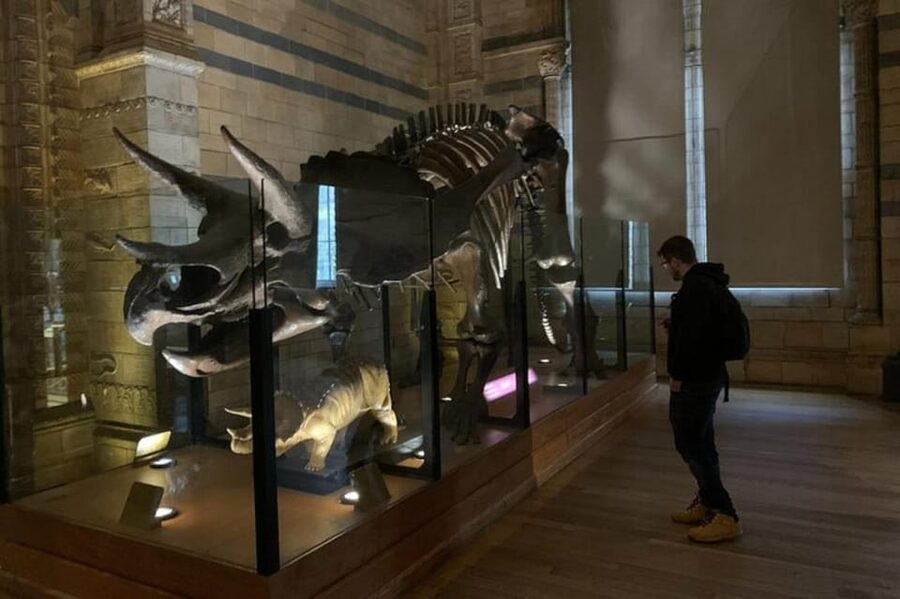
Prehistoric stars like Megatherium, Ichthyosaur, Mastodon, and Mantellisaurus (yes, it’s a mix)
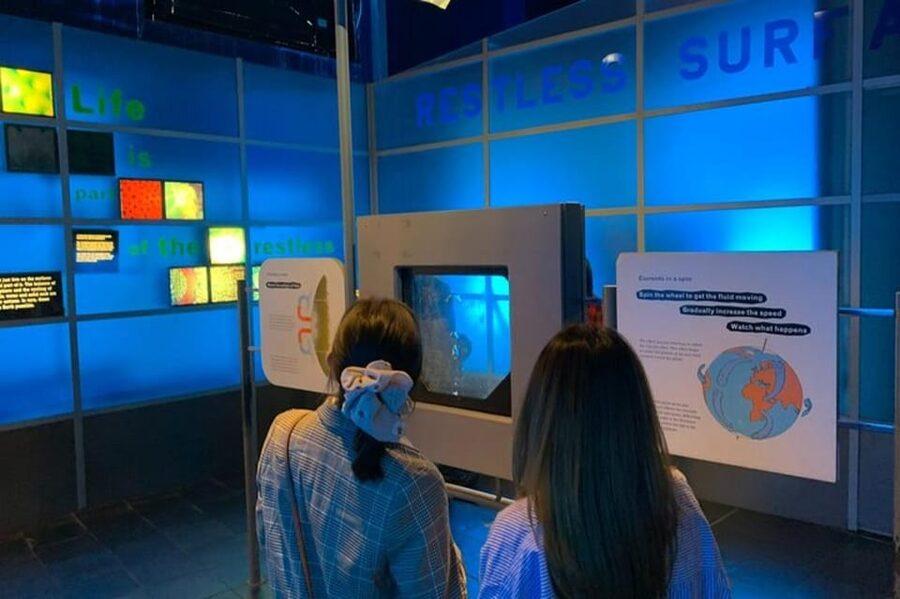
Hands-on science time with an earthquake simulator, volcano-related learning, and physics experiments
Photo-friendly museum highlights including the skeletons of Hope and Sophie
Why This Private Skip-the-Line Tour Works
The Natural History Museum is popular for a reason. But popularity is a problem when you’re staring at lines, watching the day slip by, and trying to keep everyone together. This private format solves that with skip-the-line entry and a separate entrance, so you start the experience faster and spend less energy on logistics.
I also like that it’s genuinely built around a guide-led flow. You’re not just wandering and hoping you find the best rooms. Instead, you get a guided pass through the museum’s main attractions—dinosaurs, fossils, and the Earth science areas—so the time feels spent on the good stuff.
This is also the kind of tour where group size matters. It’s a private group setup for up to three people, which means your guide can adjust their pace if you’re traveling with a child, someone who needs more bathroom breaks, or you just want to linger near one display.
You can also read our reviews of more private tours in London
Meeting Point at Exhibition Road: Where You’ll Actually Find the Tour
The start is simple and central: South Kensington Museums, Stop L. The practical meeting detail is a bus stop located between the Victoria & Albert Museum and the Natural History Museum, right by the traffic lights on Exhibition Road.
This matters because South Kensington is busy and easy to misjudge from a map pin. Give yourself a few extra minutes so you can locate the exact spot before you start timing your walk.
Also note the tour runs for 2 hours, so you’ll want to think of the meeting time as part of your “museum plan,” not just “when we feel like going.” Comfortable shoes are the smart call. Even with a guided route, you’re on your feet.
The First Big Moment: Getting Oriented and Seeing the Dinosaurs
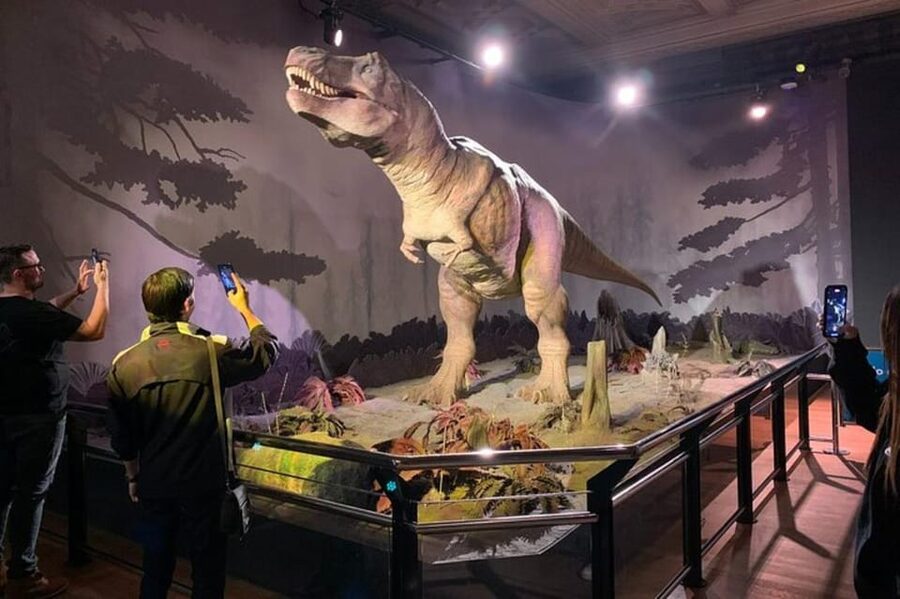
Once you’re through, the tour’s core emphasis kicks in quickly: dinosaurs and the fossil collections that help explain them. You’ll get directed to the main displays instead of spending the first part of your visit figuring out what you should see first.
The dinosaur theme is backed up by fossil storytelling. This is one of the museum’s strengths: the objects aren’t isolated. Your guide helps connect what you’re seeing to how paleontology works—what fossils are, what they suggest, and why certain finds matter.
A few of the prehistoric display topics you’ll encounter include:
- Mantellisaurus (a dinosaur highlight)
- Ichthyosaur (prehistoric marine life)
- Megatherium (an impressive prehistoric mammal)
- Mastodon (another big mammal presence)
You’ll also see other showpiece creatures mentioned in the tour approach, like a Blue Marlin and giraffes—a nice reminder that the museum doesn’t only focus on one era of life. It’s more like a living timeline than a single theme park.
If you’re traveling with kids, this early focus usually helps. They tend to lock in faster when you start with something huge and obvious, then the guide adds the science layer.
Fossils, Minerals, and the Museum’s Earth Science Side
The Natural History Museum is more than dinosaurs. One reason this tour feels like a strong value is that it doesn’t trap you in only one section of the building.
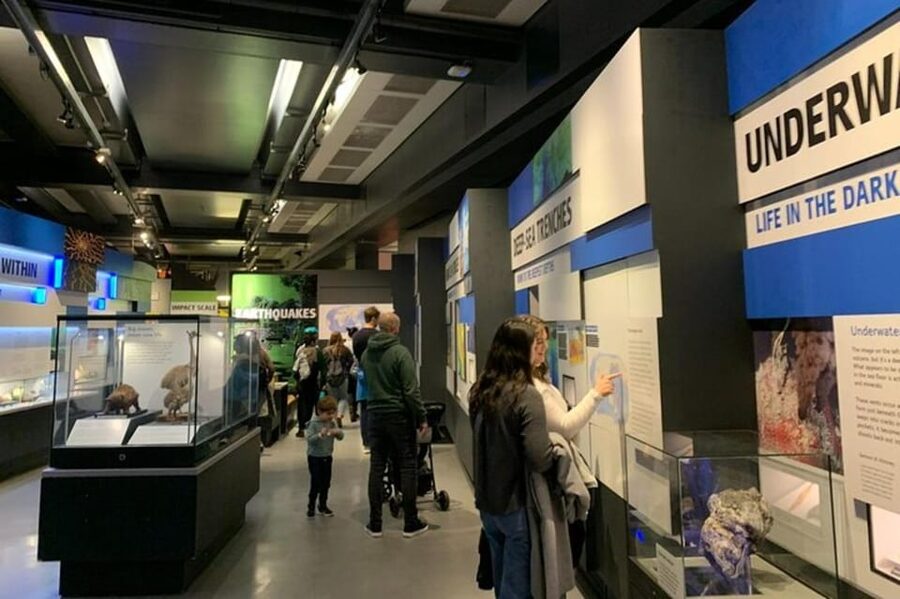
As you move, you’ll also visit galleries related to minerals, plus areas connected to volcanoes and earthquakes. The museum does a good job mixing visual spectacle with real-world science, and a guide helps you spot the meaning behind the display style—what’s being explained, what processes are shown, and why the examples are chosen.
This is where the tour’s private format helps most. When you’re with a guide, it’s easier to understand what you’re looking at, instead of just reading labels at random. You get the quick context that turns a “cool skeleton” moment into a “now I get what that is” moment.
Earthquake Simulator and Volcano Learning: Science You Can Feel
The hands-on part is the emotional payoff. It’s easy to underestimate how much you’ll enjoy interactive exhibits until you’re actually standing in front of them.
This tour includes an earthquake simulator experience, plus learning about the birth of volcanoes. The point isn’t just entertainment. It’s using motion, cause, and effect to help you grasp ideas that are otherwise abstract—plate movement, volcanic processes, and why Earth changes how it does.
I like this kind of stop for two reasons:
- It breaks up the “look and read” rhythm of museum halls.
- It gives you a memory hook. After you feel the effects in the simulator, you’ll understand later exhibits faster.
If you have a child who gets restless during long indoor visits, these interactive sections are usually the best bet for keeping attention without needing to drag everyone out early.
You can also read our reviews of more historical tours in London

Hope and Sophie: The Skeletons That People Remember
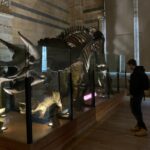
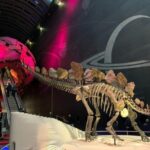
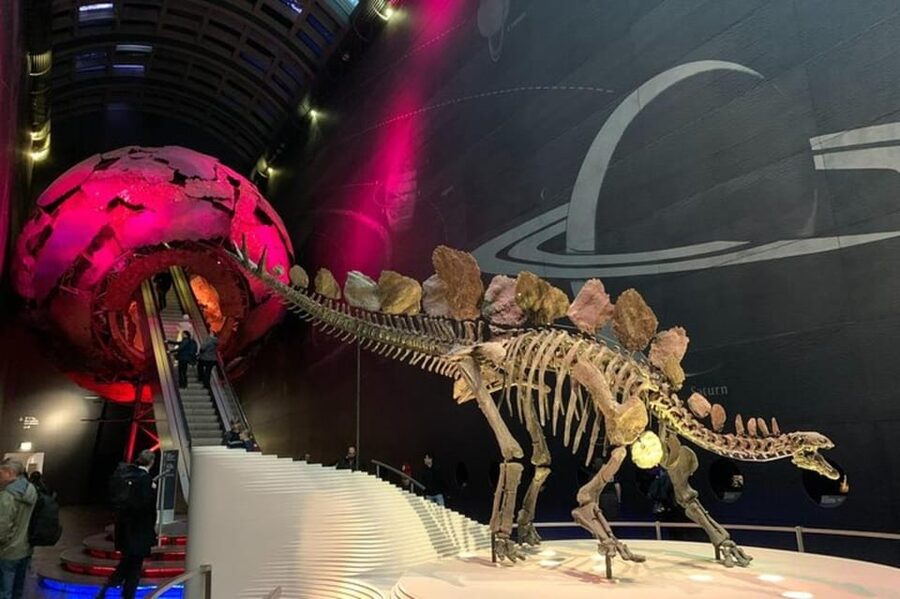
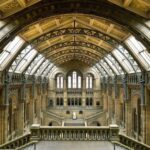
Two museum mascots anchor many visitor memories: Hope, the Blue Whale skeleton, and Sophie, the Stegosaurus skeleton. This tour includes time with both.
This is a clever choice for a 2-hour guided experience. They’re among the most recognizable skeletons in the museum, and they create a “big payoff” sequence: you can go from dinosaur excitement to the awe of a giant prehistoric marine mammal, then back to another major fossil display.
Guides also help you approach these skeletons with the right attention. Instead of just staring upward, you get small bits of context that help you notice proportions and structure. That’s how the exhibits stick with you after you leave.
If you’re a first-timer, these are the kind of iconic stops that make your visit feel complete.
A Sequoia Moment and Other Not-Just-Dinosaurs Surprises
A pleasant extra in this tour is a Sequoia section dating back more than 1500 years. You’re not just moving through animal science and geology. You get a chance to notice how the museum also frames deep time through plants.
That matters because it balances your understanding of “history of life.” Dinosaurs and fossils explain animals across millions of years. A very old tree section adds another angle: how organisms change across long timescales, and how the museum chooses objects that represent that scale.
You also get variety in what you’ll see across the path—things like the mentioned Blue Marlin and giraffes. That mix is helpful if you’re traveling with different interests in the same group. One person can stay engaged with prehistoric giants, while another stays curious about living creatures and their place in the natural world.
Physics Experiments: When the Museum Turns Playful
Another included highlight is time for physics experiments. This is one of those “how did they make science fun?” museum experiences that works for families and adults alike.
The tour includes interactive experiments that let you test basic ideas through simple actions and observation. Even if you don’t remember the exact scientific terminology later, you’ll remember the effect: what happens when you apply force, how motion behaves, and how cause leads to result.
This is also why a private guide helps. If you know what to look for in an experiment, you spend your time observing the right things instead of guessing what the exhibit wants you to notice.
Who This Tour Best Fits (and Who Might Find It Tight)
This tour is especially well-suited for:
- Families with kids who need structure and big moments at the right times
- Couples who want a guided experience without the pressure of a large group
- Solo travelers who want someone to point them to the best exhibits while skipping long waits
It’s also a good pick if you’re the kind of traveler who hates the start-of-day chaos. You’re getting skip-the-line entry plus a guide-led path, so you’re less likely to end up in “we wandered 20 minutes and now it’s lunch” mode.
The main limitation is the same reason it works: the schedule is focused. You’re touring for 2 hours, which means you’ll see the essentials, not every corner. If your dream is to spend hours casually reading every label and photographing everything, you might feel a little rushed.
One more practical note: unaccompanied minors aren’t allowed, so plan the adult supervision accordingly.
Price and Value: $168 for Up to Three People
The price is $168 per group up to 3 people for a 2-hour private tour. That can sound steep at first—until you do the simple math for how private time works.
If you book with two or three people, the cost per person drops a lot compared to paying for separate individual spots. You’re also paying for time savings (skip-the-line) and for a guide who can steer you to the best exhibits instead of wasting time guessing.
Is it “worth it”? In my opinion, it’s worth it if you care about:
- maximizing your short museum time
- keeping kids engaged with purposeful stops
- avoiding the stress of big-group tours
- getting context so the exhibits land, not just pass by
If you’re traveling solo and don’t mind waiting or wandering, you might choose a cheaper self-guided route. But if you want a guided “greatest hits” in a short window, this private setup is a strong value.
The Guides: The Human Difference You Can Feel
The biggest praise points from recent bookings center on guides who are kind, prepared, and able to work well with kids.
In particular, guides such as Damiano have been highlighted as excellent and engaging with children, with the added bonus of being informed enough to choose smart spots inside the museum. Another guide, Stefania, also gets standout praise for being great.
That’s not just nice to hear. It affects what you experience. A good guide doesn’t just know where things are. They know how to keep the pacing moving, when to explain, and how to make science feel understandable instead of overwhelming.
Language-wise, you can get a guide in Italian or English, depending on what’s available.
Practical Tips for Getting the Most From Your 2 Hours
A quick checklist so you enjoy the tour instead of thinking about details:
- Wear comfortable shoes. The museum is big, and even a “guided route” means walking.
- Bring your patience for crowds at other entrances. Skip-the-line helps you enter faster, but the area around South Kensington can still be busy.
- Expect photo opportunities, since photography is allowed.
- If you’re traveling with a child, plan for shorter attention spans during transitions. The tour is designed for that rhythm, but you’ll still notice it between major exhibits.
Also, the tour does not include food or drinks, so if you’re building a day around it, plan meals around your museum time.
Should You Book This Natural History Museum Private Tour?
Book it if you want the museum’s top highlights with minimal waiting and a guide who helps you understand what you’re seeing. This is a smart choice for families, couples, and time-crunched first-timers who want an efficient route that still feels meaningful.
Skip it (or consider another approach) if you want to roam freely without a set flow, or if you’re the kind of visitor who spends hours reading every label and photographing every display. In a 2-hour window, you’ll hit the essentials, not every detail.
My rule of thumb: if you can spare the time and you care about dinosaurs, fossils, and hands-on science like the earthquake simulator, this private skip-the-line tour is a strong buy.
FAQ
How long is the Natural History Museum private tour?
It lasts 2 hours.
Is skip-the-line entry included?
Yes. The tour includes skip-the-line entry through a separate entrance.
Where do I meet the guide?
Meet at the bus stop on Exhibition Road, located between the Victoria & Albert Museum and the Natural History Museum, near the traffic light.
What’s included in the tour besides the guided visit?
The tour includes a private guide, skip-the-line entry, an earthquake simulator experience, and interactive physics experiments.
Are food and drinks included?
No. Food and drinks are not included.
What languages are the guides available in?
The live tour guide is available in Italian and English.
Is photography allowed inside the museum?
Yes, photography is allowed.
Is the tour wheelchair accessible?
Yes, the tour is wheelchair accessible.