REVIEW · LONDON
British Museum & National Gallery of London – Exclusive Guided Combo Tour
Book on Viator →Operated by Babylon Tours London · Bookable on Viator
Two museums, one smart plan. You’ll get a personal guide who turns the British Museum’s Rosetta Stone into story you can actually remember, then guides you through National Gallery highlights like Vermeer and Raphael.
I love how time-efficient the format is. In about 5.5 hours (with a break), you cover the big hits without spending your day bouncing between rooms and guessing what matters.
One thing to plan for: it starts at 10:00am, and museum security rules mean you’ll want to pack light (handbag or small thin bag) so your day doesn’t stall.
In This Review
- Key points worth knowing before you go
- Value and timing: how this combo tour actually helps
- British Museum at 10:00am: the artifacts that anchor 6,000 years
- What the guide does with the British Museum (and why it matters)
- Break and transition: keeping the afternoon from feeling rushed
- National Gallery, second half: Vermeer, Raphael, and the art that clicks
- Ending in Trafalgar Square: how to keep exploring after the tour
- Practical tips that make this combo smoother
- Should you book this British Museum and National Gallery combo?
- FAQ
- How long is the British Museum & National Gallery combo tour?
- What time does the tour start?
- Where do I meet the guide?
- Where does the tour end?
- Is admission included for both museums?
- Are temporary exhibitions included?
- Is hotel pickup or drop-off included?
- Do I need to tip the guide?
- Is the tour private, or shared?
- What happens if a museum closes unexpectedly?
Key points worth knowing before you go
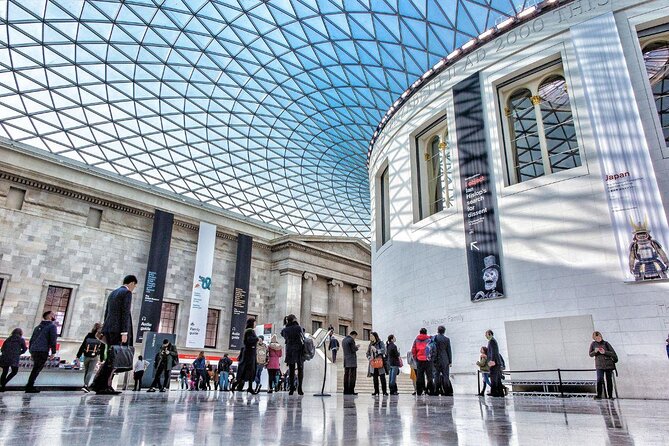
- A guide who stays with your group makes both museums feel focused, not scattered.
- British Museum + National Gallery in one day saves you from choosing one only.
- Free admission at both stops means you’re paying for interpretation and time, not ticket price.
- High-impact highlights like the Rosetta Stone, Oxus Treasure, Parthenon sculptures, and major paintings by Vermeer, Van Gogh, Raphael, and Leonardo da Vinci.
- Clear art-historical context at each painting, including style and period cues.
- Good “next steps” energy when the tour ends—you’ll know where to go if you want more.
Value and timing: how this combo tour actually helps
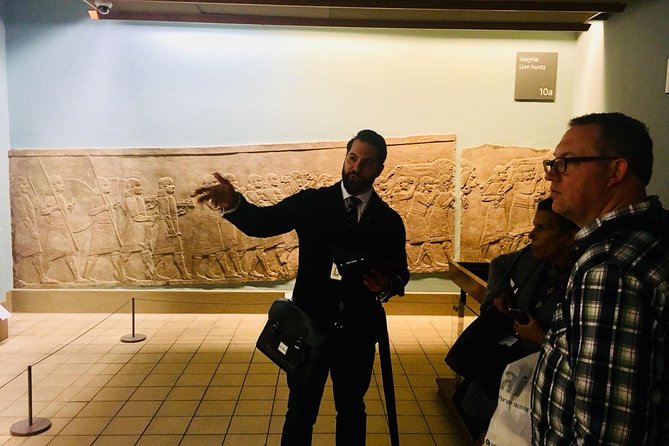
At $199.62 per person for roughly 5.5 hours, the big question is: what are you buying? The admissions are listed as free for both museums, so this fee is really for the guide’s time, the thoughtful route, and the fact that you don’t waste your limited London hours trying to figure out what to see first.
This is best for travelers who feel museum fatigue fast. Instead of wandering, you follow a plan that hits major anchors in history and art, then you’re released at the National Gallery with enough knowledge to explore on your own afterward. If you’re the type who likes to ask questions, this format also fits because the guide is in “teaching mode,” not just moving you along.
Timing matters too. You meet at 10:00am at the British Museum (Stop W). Starting then helps you experience calmer entry conditions compared with later starts, and it keeps the afternoon from dragging. The tour wraps at the National Gallery in Trafalgar Square, which is handy for food, walking, and grabbing a taxi or rideshare.
You can also read our reviews of more guided tours in London

British Museum at 10:00am: the artifacts that anchor 6,000 years
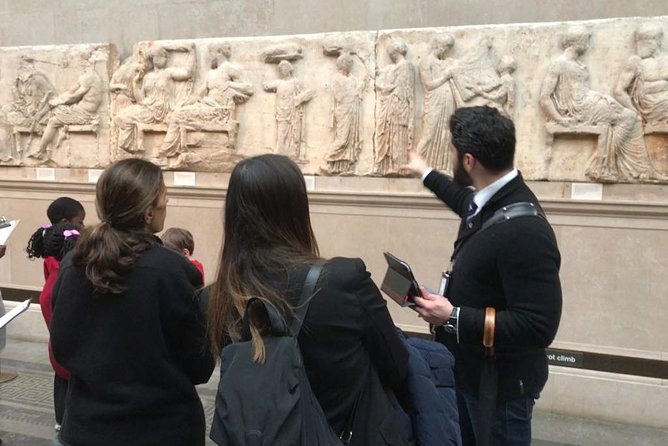
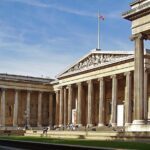
The British Museum can be a little intimidating. It’s massive, and the collection is global in every direction. What I like about this combo is that you don’t get lost in the size. You step in with a guide and move straight toward objects that give you a mental map.
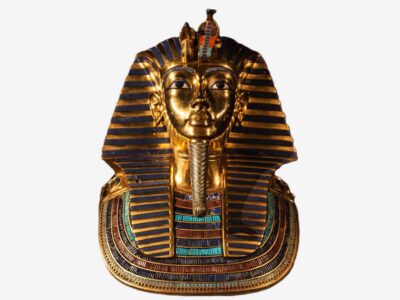
Your British Museum time runs about 2 hours 30 minutes. The tour is built around big, story-driving highlights such as the Rosetta Stone, the Oxus Treasure, the Mummy of Katebet, and the Parthenon sculptures. Each of these does more than look impressive. They act like “story handles” for understanding how people lived, traded, ruled, worshiped, and recorded ideas across time.
The tour also frames the visit as about 6,000 years of human history—not just a pile of relics. You’ll hear context that connects early societies, primitive tribes, and then powerful empires as you move through the museum’s flow. It’s the kind of structure that helps your brain hold onto details later, even after you leave.
A practical consideration: security rules in the British Museum require no large bags or suitcases. Only handbags or small thin bag packs are allowed through. If you’re traveling with luggage, plan a quick drop strategy before you meet your guide, or you’ll burn time at the security checkpoint.
What the guide does with the British Museum (and why it matters)
A museum tour can go two ways: you either get a list of objects, or you get meaning. This one aims for meaning. The guide doesn’t just point at famous pieces; they connect what you’re seeing to the era, the cultural purpose, and what to look for.
That matters most with objects that many people view once and forget. The Rosetta Stone is a perfect example. It’s easy to see why it’s famous, but it’s harder to understand why one object can shift how we read history. Having someone explain the significance while you’re standing there helps you understand it as a tool for interpretation, not just a “cool stone.”
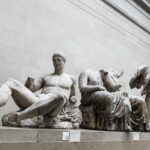
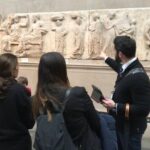
It also helps with the Parthenon sculptures. If you’ve never had context, you can miss the emotional and political story behind who made them and why they mattered. Here, the guide’s pacing gives you a chance to absorb rather than rush.
If you enjoy conversation, you’ll also appreciate how the tour accounts for quieter or restricted areas. Some rooms inside the British Museum can require a very quiet environment or limit speaking. The guide shares what you need to know before entering those spots, so you don’t feel tense or distracted while you’re trying to learn.
Break and transition: keeping the afternoon from feeling rushed
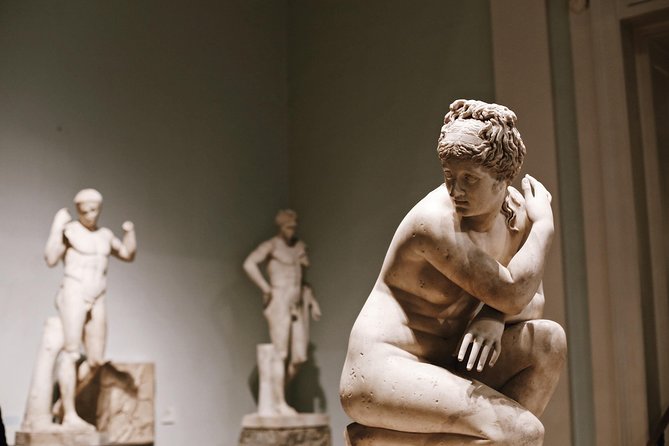
The schedule includes a break during the 5.5-hour experience, and after that you head to the National Gallery. Lunch isn’t part of the price, so you’ll want to plan your own meal. That’s actually a plus, because you’re not forced into a specific restaurant or timing.
The transition also matters for energy. After you’ve taken in centuries of history, your brain needs a small reset before art analysis kicks in. This combo gives you that breathing room, so the National Gallery doesn’t become another checklist of rooms.
If you’re thinking about where to eat, aim for something quick and nearby once you’re in the Trafalgar Square area. The National Gallery location is central, so you can keep your day moving without long rides.
National Gallery, second half: Vermeer, Raphael, and the art that clicks
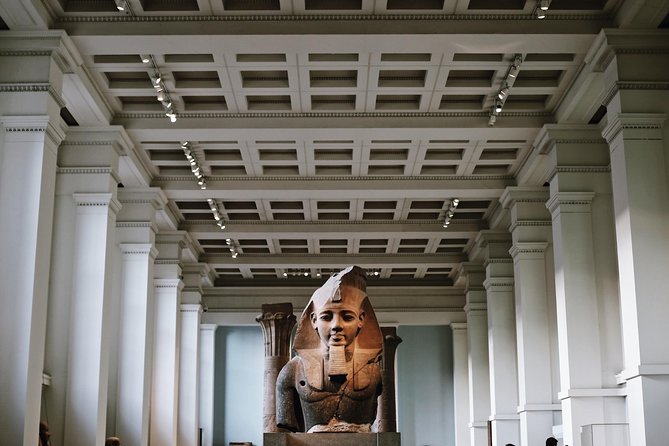
Your National Gallery portion is about 2 hours 30 minutes. The galleries here can feel more manageable than the British Museum, but you still need help to avoid seeing only a few paintings and missing the larger story.
The tour focuses on major works you’re likely to recognize, including Johannes Vermeer’s A Young Woman Standing at a Virginal, Van Gogh’s Sunflowers, Jan van Eyck’s Arnolfini Portrait, plus you’ll also encounter pieces by Leonardo da Vinci and Vincent van Gogh. You’ll also be directed toward works by artists such as Botticelli, Monet, Rembrandt, and Vermeer, with the tour describing art history dating back to the 14th century.
The big difference in the National Gallery section is how the guide teaches you to look. At each painting, the guide gives historical context and helps identify the period that matches the style. That kind of cue turns the museum from “I saw a painting” into “I understand why this looks like this.”
It’s especially helpful with artists like Raphael. For example, you’ll visit The Madonna of the Pinks, where knowing what to pay attention to in brushwork and composition changes how you experience the piece. Instead of admiring alone, you start noticing technique and cultural intent.
You can also read our reviews of more museum experiences in London





Ending in Trafalgar Square: how to keep exploring after the tour
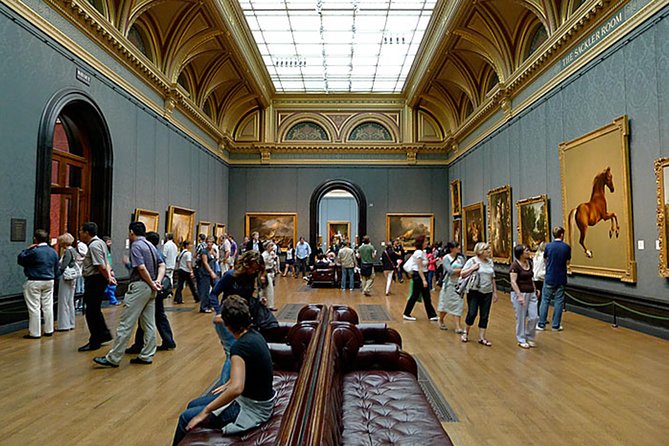
The tour concludes at the National Gallery, in Trafalgar Square, where you’re free to continue exploring independently. That’s a smart payoff. You don’t have to end the day with a hard stop, and you’re not starting from zero once the guide leaves.
By the time you reach this point, you should have a set of themes in mind: shifts in style, the meaning of subject matter, and how periods connect across centuries. Even if you only add one extra room after the tour, you’ll do it with better instincts than you’d have without the guidance.
Also, since the meeting point is at the British Museum and the end is at the National Gallery, the central location helps you transition to sightseeing. This area is loaded with transport options and easy walking routes.
Practical tips that make this combo smoother
Here’s how to make your day feel effortless instead of stressful:
- Pack light for the British Museum: no large bags; bring a handbag or small thin bag pack so you don’t hit delays at security.
- Wear comfortable shoes: you’ll be moving between galleries and across two major museums in one day. Moderate physical fitness is recommended.
- Bring a working mobile number: the tour requires a mobile phone number (with country code) at booking so check-in and guide communication work smoothly.
- Plan for your lunch: lunch is own expense. Keep it simple and close to Trafalgar Square so you don’t lose your momentum.
- Dress appropriately: some sites require appropriate dress for entry. When in doubt, go conservative.
If you’re sensitive to noise, note that some rooms inside the British Museum restrict speaking. The guide handles this with advance guidance, but it’s good to know you may need to lower your voice in certain areas.
Should you book this British Museum and National Gallery combo?
Book it if you want a guided London art and history day that actually delivers. This works especially well for first-timers because it gives you major anchors—Rosetta Stone, Oxus Treasure, Katebet mummy, Parthenon sculptures—then pivots smoothly into painting highlights like Vermeer, Van Gogh, Raphael, and Leonardo da Vinci. You’ll leave with a clearer sense of how history and art connect, and you’ll know where to go next.
Skip or reconsider if you prefer total self-direction. This tour is built around a set route and guided interpretation, so if you want to meander at your own pace from room to room, you might find the structure too limiting.
My honest take: if you only have a day (or a tight window) and you’d rather learn from a guide than gamble with museum navigation, this combo is a strong value—free admissions plus interpretation is a winning mix.
FAQ
How long is the British Museum & National Gallery combo tour?
It runs for about 5.5 hours, including a break.
What time does the tour start?
The tour meets at 10:00am at the British Museum.
Where do I meet the guide?
You meet outside the British Museum at Stop W, London WC1B 3BP, UK.
Where does the tour end?
The tour ends at the National Gallery, Trafalgar Square, London WC2N 5DN, UK.
Is admission included for both museums?
Yes. Admission is listed as free for both the British Museum and the National Gallery.
Are temporary exhibitions included?
No. Temporary exhibitions are not included.
Is hotel pickup or drop-off included?
No. Hotel pickup and drop-off are not included. Ubers or taxis are recommended.
Do I need to tip the guide?
Gratuities are not included, so tipping is optional.
Is the tour private, or shared?
It’s private, and only your group participates. Note: guide exclusivity and some features do not apply if you choose the SAVE! BOOK SEMI-PRIVATE option.
What happens if a museum closes unexpectedly?
The information states that closures can occur. If opening is delayed more than 1 hour from the tour start time, the tour provides an appropriate alternative, but refunds or discounts are not available in those cases.