REVIEW · LONDON
London: Florence Nightingale Museum Ticket
Book on GetYourGuide →Operated by Florence Nightingale Museum · Bookable on GetYourGuide
Florence Nightingale gets personal in here. This small museum experience lets you see real artifacts tied to her life, including her old lamp and pet owl Athena, while you trace how she pushed for better care. I like the way the story moves from childhood and family pressure to her nursing work and campaigns, but one practical downside is that food and drinks aren’t allowed, so you’ll want to plan a snack stop outside.
This is a focused ticket at St Thomas’ Hospital. You’ll walk through the collection at your own pace during opening hours, in a wheelchair-accessible space, with English-speaking staff on-site. Consider it a great choice if nursing history and one human story feel more your speed than a big, multi-topic museum.
In This Review
- Key things you’ll like about the Florence Nightingale Museum ticket
- First stop: St Thomas’ Hospital and finding the museum fast
- Your ticket gives you a flexible visit window
- What to expect inside: a single-subject museum that still feels varied
- Affluent childhood and family tension: where her drive starts
- The Crimean War chapter: nursing work under pressure
- The Lady with the Lamp: her old lamp, plus the little details that stick
- Pet owl Athena and personal objects: why this museum feels more human
- Campaigning for better healthcare: turning experience into policy
- Practical details that affect your day (and keep you stress-free)
- Who should book this Florence Nightingale Museum ticket
- Value check: what $16 buys you in the real world
- Should you book the Florence Nightingale Museum Ticket?
- FAQ
- Where is the Florence Nightingale Museum located?
- How long is the ticket valid?
- What are the opening hours?
- Is there late opening?
- What time does the shop bar open on late days?
- How much does it cost?
- Is food and drink allowed inside the museum?
- Is it wheelchair accessible?
- What group size is it?
- What languages are available?
- Can I cancel for a refund?
Key things you’ll like about the Florence Nightingale Museum ticket
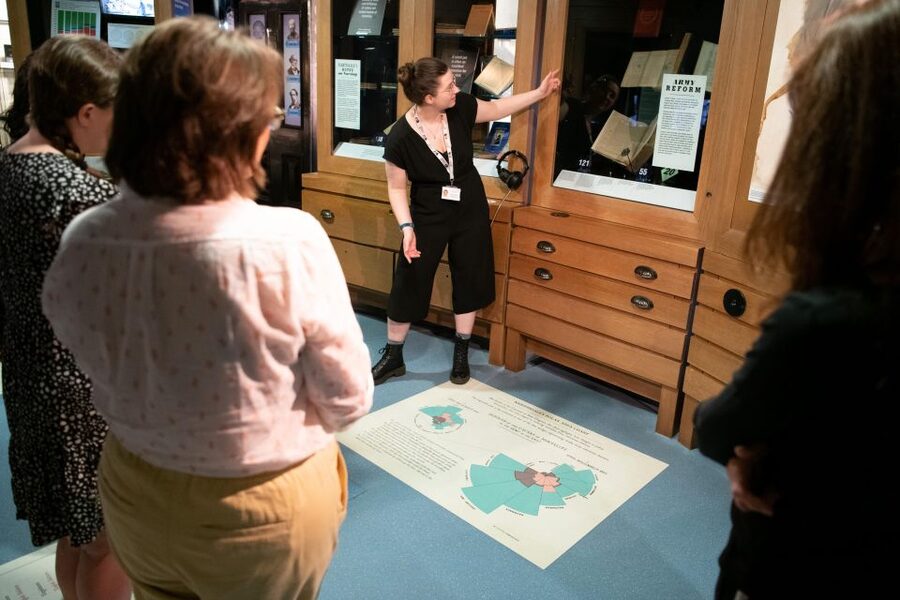
- Authentic Nightingale artifacts you can see up close, including the old lamp and her medicine chest
- A clear life timeline from affluent childhood and family conflict to Crimean War work and later campaigns
- A memorable detail: pet owl Athena, plus other personal objects that make the history feel real
- Small-group atmosphere capped at 9 participants, with an English host/greeter
- Flexible timing inside opening hours, since you can enter any time on your booked date
- Late opening on the last Thursday (until 8pm, with last admission at 7.30pm; no late opening in December)
First stop: St Thomas’ Hospital and finding the museum fast
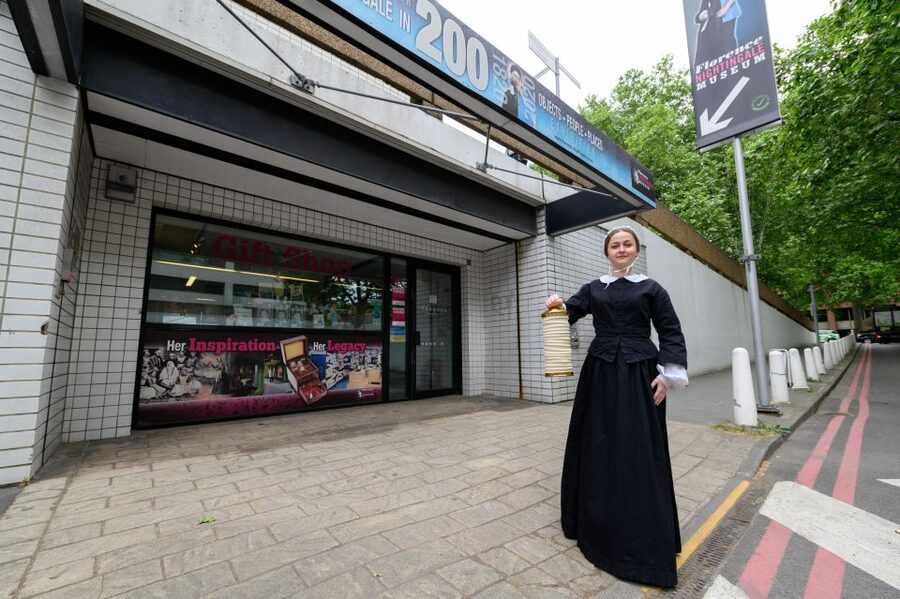
You’re not dropping into an anonymous museum building here. The Florence Nightingale Museum sits at parking level within the grounds of St Thomas’ Hospital, which helps you orient quickly once you’re in the hospital complex.
For the easiest entry, look for the Florence Nightingale Museum signage by the St Thomas’ Hospital area. The museum is also a short walk from major landmarks like the Houses of Parliament and the London Eye, so you can pair it with a classic London day without wasting time on transit.
One smart move: when you arrive, take 30 seconds to find the right entrance and then go straight in. Because it’s a ticketed museum visit rather than a long, scheduled walking tour, you’ll get more out of your day by not spending your first hour “figuring it out.”
A few more London tours and experiences worth a look



Your ticket gives you a flexible visit window
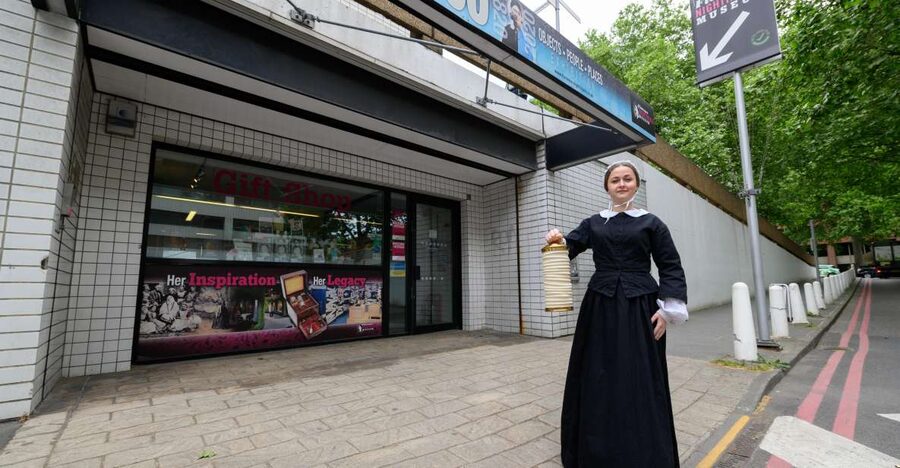
The ticket is valid for one day, and you can access the museum anytime during opening hours on your booked date. That matters because it lets you build the visit around your energy level, not around strict tour times.
Here’s how the timing works in practice:
- The museum is open Tuesday to Sunday, 10:00 AM to 5:00 PM
- Last entry is at 4:30 PM
- On the last Thursday of the month, it stays open late until 8:00 PM, with last admission at 7:30 PM
- There is no late opening in December
This flexibility is great if you’re doing other nearby stops. If you want to start early and keep your day light, you can. If you want to take your time and go after the rest of the neighborhood gets busy, you can also do that.
What to expect inside: a single-subject museum that still feels varied
The museum is all about Florence Nightingale, but it doesn’t feel like a one-note exhibit. The collection follows her life in a way that connects “where she came from” to “what she changed.”
As you move room to room, you’ll see the themes that drive the story:
- her affluent childhood and family setting
- her determination to become a nurse even when it wasn’t what her parents wanted
- her work during the Crimean War
- her push for better healthcare for ordinary people
That story arc is the real value here. You’re not just looking at objects; you’re watching a life decision grow into public impact.
If you prefer museums that explain context as they go, you’ll likely enjoy the pacing. If you’re the type who needs a fast, varied “greatest hits” hit-list across many topics, you might find a single-figure museum a little narrower—but that focus is also what makes it powerful.
Affluent childhood and family tension: where her drive starts
One of the best parts of the visit is the opening stretch about her early life—because it helps you understand why her later achievements weren’t just luck or talent.
Expect to learn about her family and childhood, including the fact that she came from an affluent background and still ran into resistance when she wanted a nursing career. The exhibit frames this as a real conflict, not a vague motivational story.
Why this section matters: it makes her Crimean War work and later healthcare campaigns feel earned. You’re seeing the origin point of her determination, so her nursing leadership doesn’t feel like it appears out of nowhere.
Take your time here if you enjoy biographies that explain personality and choices, not just timelines. If you’re more interested in the artifacts than the narrative, you can skim, but don’t skip the whole early-life section—you’ll lose the emotional logic of the story.
The Crimean War chapter: nursing work under pressure
The museum’s middle section connects her nursing path to her work during the Crimean War. This part is where the story shifts from personal ambition to real-world impact, and it’s also where you’ll start to feel why her approach mattered so much.
You’ll see how the exhibit ties her experiences to the bigger goal of improving care. It’s not just about what she did; it’s about what her work helped highlight—especially the need for better healthcare for ordinary people.
A useful way to experience this chapter: pause long enough to connect the narrative to the objects you’ll see later. The lamp and medicine-related items aren’t random collectibles. They’re the physical anchors of a larger message about care, organization, and attention to patients.
You can also read our reviews of more museum experiences in London



The Lady with the Lamp: her old lamp, plus the little details that stick
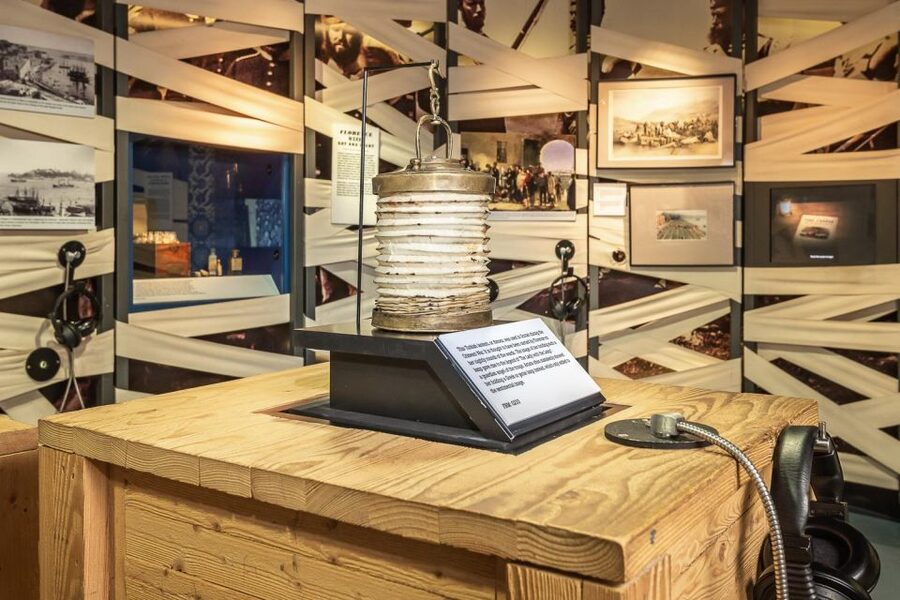
This is the “don’t rush it” section. You’ll get the chance to see the old lamp associated with Florence Nightingale—the object that earned her the nickname The Lady with the Lamp.
Seeing the lamp is one thing. But the real payoff is how the museum uses it as a symbol while you’re already understanding the work behind the symbol. By the time you reach this area, you’ve learned why she wanted nursing to be respected and why better care became urgent.
Also look out for:
- her medicine chest
- personal items connected to her working life
- and other display highlights that help bring the work to life beyond the name
One practical note: museum lighting and glass displays can affect visibility. If you’re short or wearing sunglasses, lean in and reposition so you can see the details without squinting.
Pet owl Athena and personal objects: why this museum feels more human
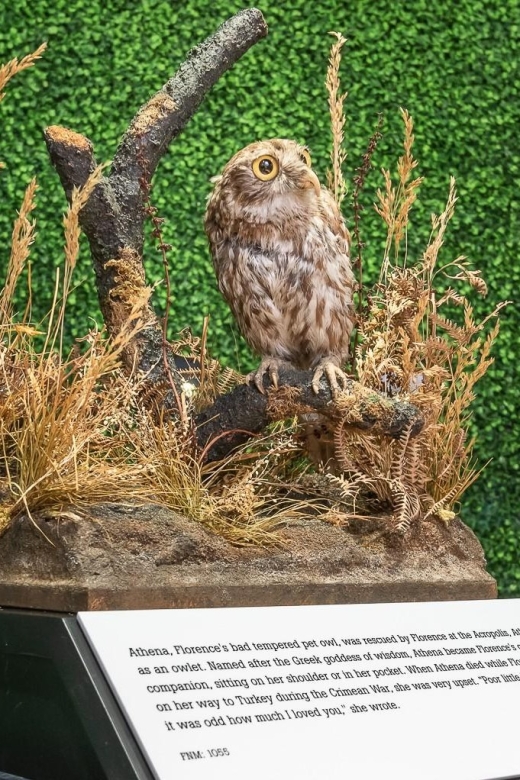
This might be the most memorable twist for many people: the exhibit includes Florence Nightingale’s pet owl, Athena.
This is one of those details that makes the museum feel less like a textbook and more like a real life. It’s not a random fun fact. In a museum built around one person, it’s a small reminder that she had daily routines, preferences, and relationships—beyond the public legend.
You’ll likely get the best experience if you treat Athena as part of the biography, not a side quest. Look at how the exhibit places personal objects alongside major achievements. That combo is what turns a historical figure into a full character in your mind.
Campaigning for better healthcare: turning experience into policy
Near the later parts of the collection, the focus shifts to how she campaigned for better healthcare for ordinary people. This is where the museum explains the leap from hands-on nursing work to pushing for broader change.
If you like cause-and-effect stories, this is where you’ll feel the museum’s logic click. She sees needs in the field, then argues for improvements that would help people who weren’t in a privileged position.
A good way to absorb this section: stand back after reading the narrative and ask yourself what she wanted to change. The museum’s value is that it keeps her achievements tied to a goal—better care, not just better reputation.
Practical details that affect your day (and keep you stress-free)
A few straightforward points will help your visit go smoothly:
- No food and drinks allowed: plan to eat before or after your visit. This matters more than it sounds if you’re pairing the museum with nearby sightseeing.
- Opening hours: Tuesday to Sunday, 10:00 AM to 5:00 PM, with last entry at 4:30 PM.
- Late opening on the last Thursday: until 8:00 PM, last admission at 7:30 PM. From 5:00 PM, there will be a cash and card bar in the museum shop. No late opening in December.
- Small group size: limited to 9 participants, with an English host/greeter.
- Wheelchair accessible: good to know if you use mobility aids.
- Language: English.
If you want a low-friction day, I’d schedule the museum either early in your London itinerary (when you can handle a focused topic) or as a calm mid-day reset between big outdoor sights.
Who should book this Florence Nightingale Museum ticket
This ticket fits best if you:
- love biographies with objects, not just wall text
- are interested in the history of nursing and healthcare change
- want to see specific, named artifacts like her old lamp and her medicine chest
- enjoy learning about one person in depth—family, work, and legacy in one place
- appreciate small-group settings, not crowds
It’s also a solid option for people who like history tied to real-world care. The museum’s story connects her personal path to her work in the Crimean War and her push for better care for everyday people.
If you’re looking for a giant “cover everything in London” day, you may find this more focused than you want. But if you want a meaningful stop near big landmarks, it can work beautifully.
Value check: what $16 buys you in the real world
At $16 per person, this is a relatively affordable ticket compared with the cost of many London experiences. The value comes from two places.
First, you’re paying for access to an exhibit centered on authentic items linked directly to Florence Nightingale—especially the old lamp and medicine chest. In many museums, artifacts can feel generic or distant. Here, the objects are the whole point.
Second, you’re getting the structure of a full life narrative: childhood and family resistance, her Crimean War nursing work, and then the campaign for better healthcare for ordinary people. Even if you only spend part of the day, the museum doesn’t feel like a “wait, what am I supposed to be looking for?” experience.
Should you book the Florence Nightingale Museum Ticket?
Yes—if you want a calm, object-focused museum visit that connects one person’s determination to real healthcare change. The combination of authentic artifacts (lamp, medicine chest), a memorable personal detail (Athena the owl), and a clear narrative path (childhood tension → nursing work → campaigns) makes this ticket feel like more than a quick glance.
I’d especially book it if you’re doing London sightseeing near the Houses of Parliament and the London Eye and you want one stop that adds meaning, not just photos.
Skip it if you strongly prefer big multi-topic museums, or if you need on-site food and drink (since food and drinks aren’t allowed).
FAQ
Where is the Florence Nightingale Museum located?
The museum is at parking level in the grounds of St Thomas’ Hospital. It’s a short walk from the Houses of Parliament and the London Eye. For help, look for the Florence Nightingale Museum signage around St Thomas’ Hospital.
How long is the ticket valid?
The ticket is valid for one day. You can access the museum anytime within opening hours on your booked date.
What are the opening hours?
Tuesday to Sunday, 10:00 AM to 5:00 PM. Last entry is at 4:30 PM.
Is there late opening?
Yes, the museum is open late on the last Thursday of the month until 8:00 PM, with last admission at 7:30 PM. There is no late opening in December.
What time does the shop bar open on late days?
On the last Thursday, from 5:00 PM there will be a cash and card bar in the museum shop.
How much does it cost?
The price is $16 per person.
Is food and drink allowed inside the museum?
No, food and drinks are not allowed.
Is it wheelchair accessible?
Yes, the museum is wheelchair accessible.
What group size is it?
It’s a small group, limited to 9 participants.
What languages are available?
English.
Can I cancel for a refund?
Yes. Free cancellation is available up to 24 hours in advance for a full refund.