REVIEW · NATIONAL MUSEUM OF AFRICAN AMERICAN MUSIC
Nashville: National Museum of African American Music Entry
Book on GetYourGuide →Operated by National Museum African American Music · Bookable on GetYourGuide
A music museum with real sound power. Nashville’s National Museum of African American Music is built for curiosity: a large, modern space on Broadway that explains how African American musicians shaped American culture, from spirituals and blues to jazz, gospel, R&B, and hip hop. It’s a museum you can move through at your own pace, with interactive areas and serious display cases for the moments you want to see up close.
I like two things most. First, you get hands-on listening and interactive stations, including options to save or download music so you can keep the sound going after you leave. Second, the museum’s design leans into story—each gallery has a clear point of view, so you’re not just looking at facts, you’re following how artistry traveled through time and influenced everything around it.
One thing to consider: not every area will feel equally open or accessible at every moment. Some displays can be roped off or electronic screens may be out of sync, and that can make a paid ticket feel a bit less “complete” if you end up at the wrong time of day.
In This Review
- Key things to know before you go
- National Museum of African American Music: what you’re paying for
- Getting your bearings on Broadway
- The interactive listening zones that actually change the way you experience music
- Gospel, hip hop, and the gallery-by-gallery way it tells the story
- Artifacts, costumes, and the kind of moments you don’t get online
- A realistic plan for your 1-day visit (and how long to budget)
- What can affect your time
- Price and value: is $35 fair?
- Rules, what to bring, and how to avoid annoying surprises
- Who this is best for
- Should you book this National Museum ticket?
- FAQ
- How long should I plan to spend at the museum?
- What’s included with the ticket price?
- Where do I go to enter?
- Is the museum wheelchair accessible?
- Are photos or video allowed inside?
- Can I bring food, drinks, or large bags?
Key things to know before you go
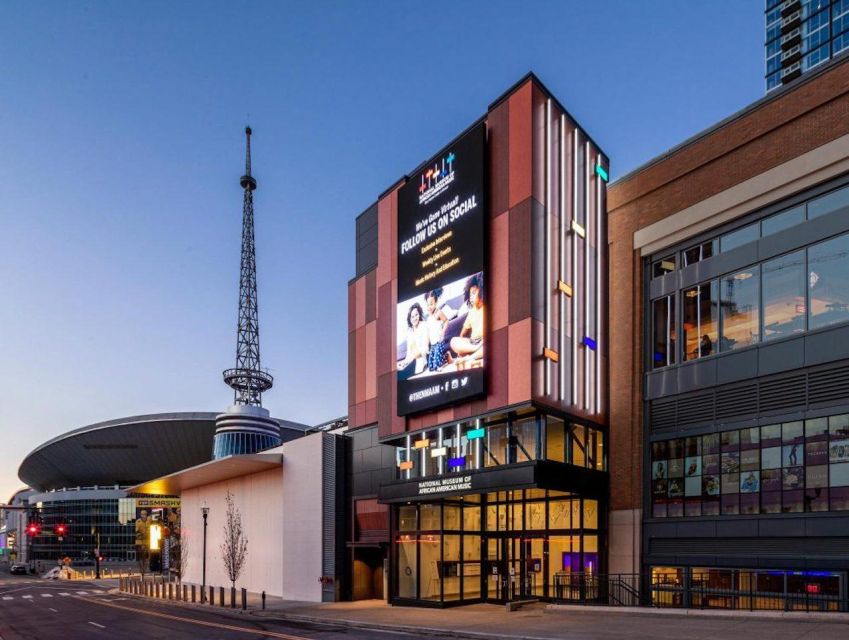
- 56,000-square-foot museum focused on African American music genres and styles
- Interactive listening with ways to save or download music tied to the exhibits
- Gallery storytelling that groups history by genre and perspective, not just chronology
- Prized artifacts and memorabilia—not just posters and photos
- Family-friendly sing-along moments show up in the gospel spaces
- Broadway convenience at 510 Broadway, with wheelchair access built in
National Museum of African American Music: what you’re paying for
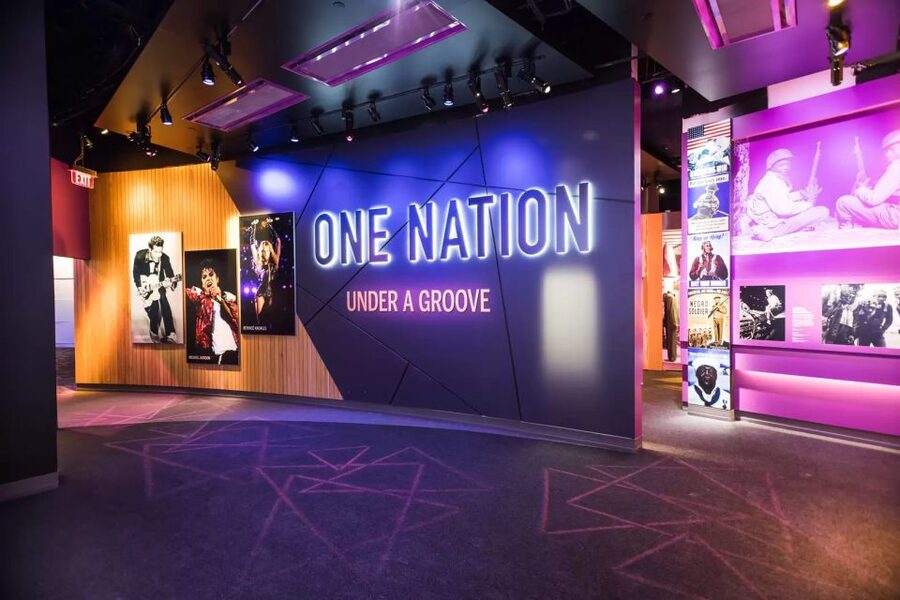
This museum isn’t trying to be a quiet, sit-and-read place. The value is in two layers: the museum teaches you the cultural impact of African American music, and it also lets you hear that impact through interactive tech and guided exhibits.
The ticket cost is listed at $35 per person, and it’s easiest to think of it as paying for a guided experience without needing an actual tour guide. You’re buying access to a big, purpose-built building (56,000 square feet) where music history is organized in a way that still feels current and playable. If you’re the kind of person who loves music but doesn’t always know the “how we got here” story, this is a strong match.
Also, keep your expectations realistic. It’s a lot to take in, and it’s possible to miss details if you rush. On the other hand, the museum is designed so you can find your favorite corners—like gospel or hip hop—and spend more time there.
Getting your bearings on Broadway
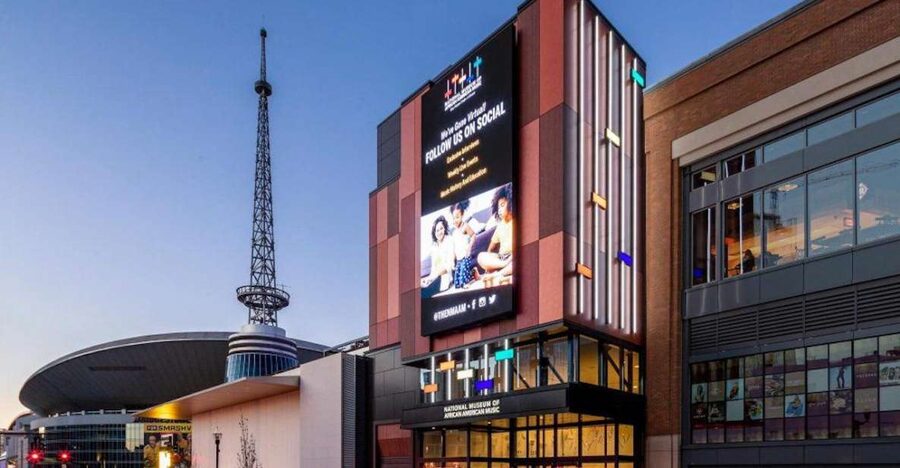
Your meeting point is straightforward: National Museum of African American Music, 510 Broadway, Nashville, TN 37203. Show up with your mobile voucher at the box office to get access. Once inside, expect a lobby atmosphere that mixes education with live energy—there’s even live music at times, and there’s often an auditorium-style introduction before you start the galleries.
Staff can matter more than you’d think in a museum like this, because the building asks you to move and pay attention. One of the best practical touches is that staff are described as welcoming and helpful, including someone named Andre, who helped make the experience smoother—especially helpful if you’re traveling with mobility needs. (In past visits, the museum also showed an accessible lift option to help get around more easily.)
One small tip: decide early whether you want to follow the building in order or chase the topics you care about most. Some visitors note the layout doesn’t always flow perfectly in a straight line, so having your own plan helps you avoid wandering with no purpose.
The interactive listening zones that actually change the way you experience music
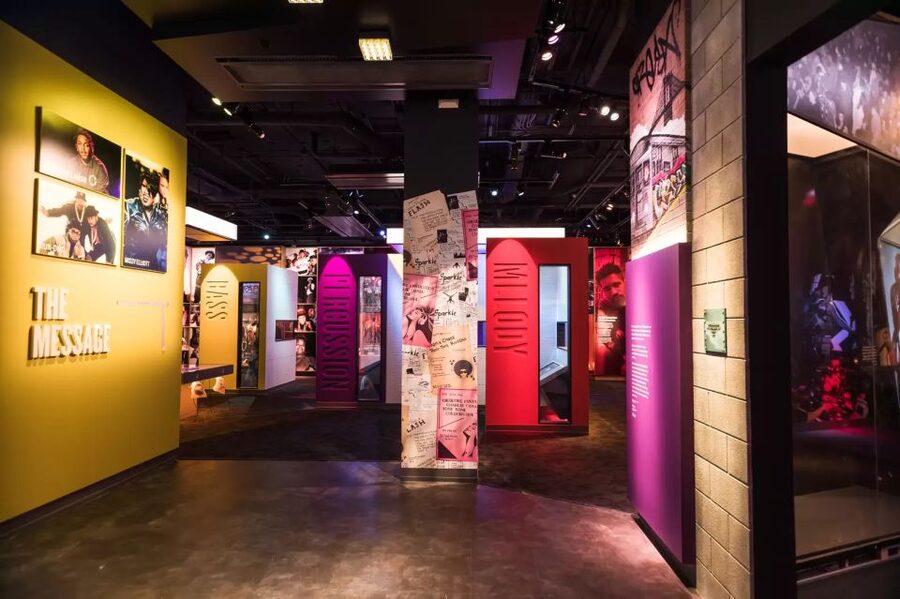
This museum’s biggest strength is that it doesn’t treat music like something locked behind glass. It invites you to play, listen, and compare sounds across genres.
Here’s what this looks like in practice:
- You’ll find interactive exhibit areas with listening stations and media designed to keep you moving.
- Several parts let you capture what you hear—options mentioned include saving and sending memories and downloading music tied to the experience.
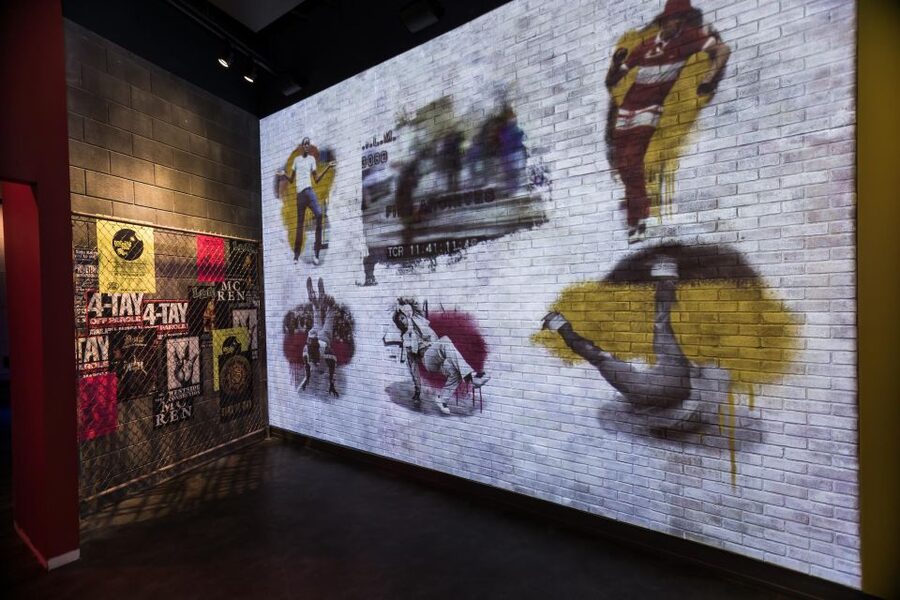
- If you like hands-on performance, there are interactive moments that have included rap-style activities in a dedicated area, with sessions being recorded.
The takeaway: the museum helps you connect the dots between genres. You’re not just reading that gospel, blues, jazz, R&B, and hip hop influenced each other—you’re hearing patterns in rhythm, tone, and storytelling.
Also, don’t ignore the smaller moments. One visitor described getting emotional in areas tied to major artists and “memory lane” storytelling. That’s a good hint that the museum is built to hit both your head and your heart, even when you’re just passing through quickly.
Gospel, hip hop, and the gallery-by-gallery way it tells the story
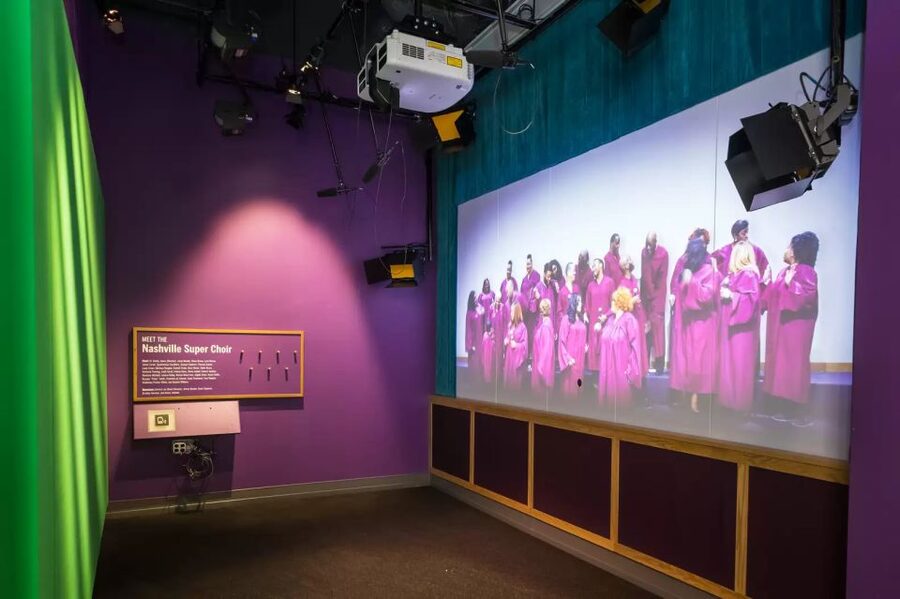
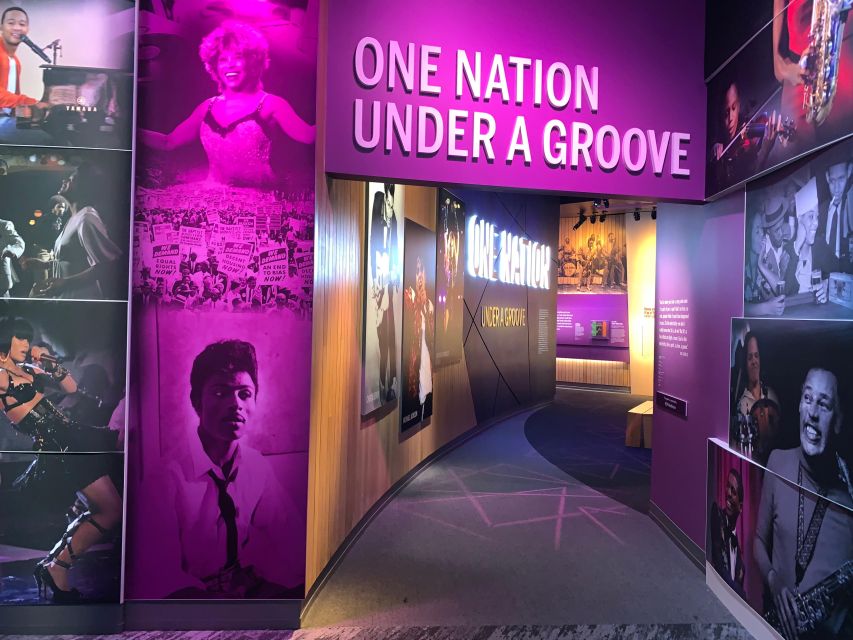
The museum covers more than 50 music genres and styles, with galleries designed to share different narratives and unique perspectives on African American music and history. You’ll see major categories like spirituals, blues, jazz, gospel, R&B, and hip hop, and the exhibits are built so each genre feels like a chapter instead of a random stop.
A couple of practical things I’d tell you based on how the galleries are experienced:
- Choose one or two genres as your “anchor.” People often pick gospel as a favorite, and it makes the rest of the museum easier to understand because you have a starting emotional reference point.
- Expect emotion, not just information. This museum leans into the cultural and social meaning behind the music—how artistry helped people survive, express identity, and influence the world.
If you’re visiting with kids, the gospel areas can be a win. There’s at least one described sing-along experience involving a choir connection, where children enjoyed participating. Even if you don’t have kids, this kind of programming is a reminder that the museum’s goal isn’t academic detachment—it’s shared experience.
And yes, pop culture moments show up too. One visitor mentioned stopping for a surprise artist moment (Prince). That’s a good sign the museum knows how to connect history to familiar names without flattening the story.
Artifacts, costumes, and the kind of moments you don’t get online
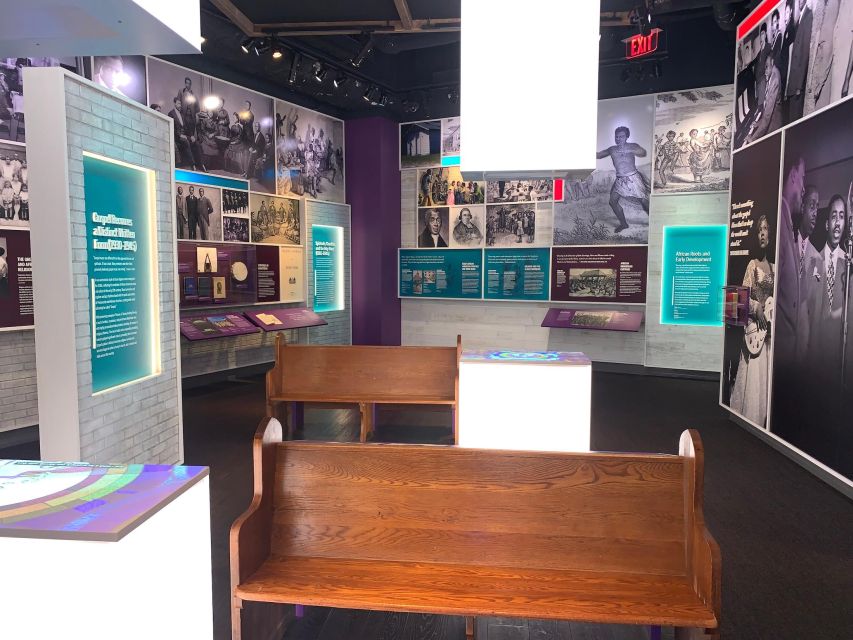
Some museums list who matters. This one shows you why it matters.
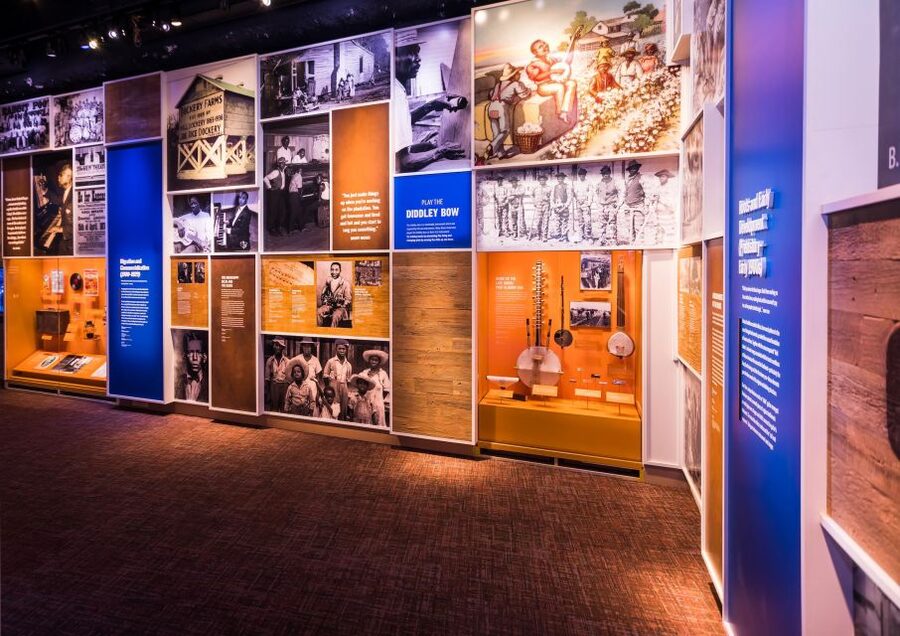
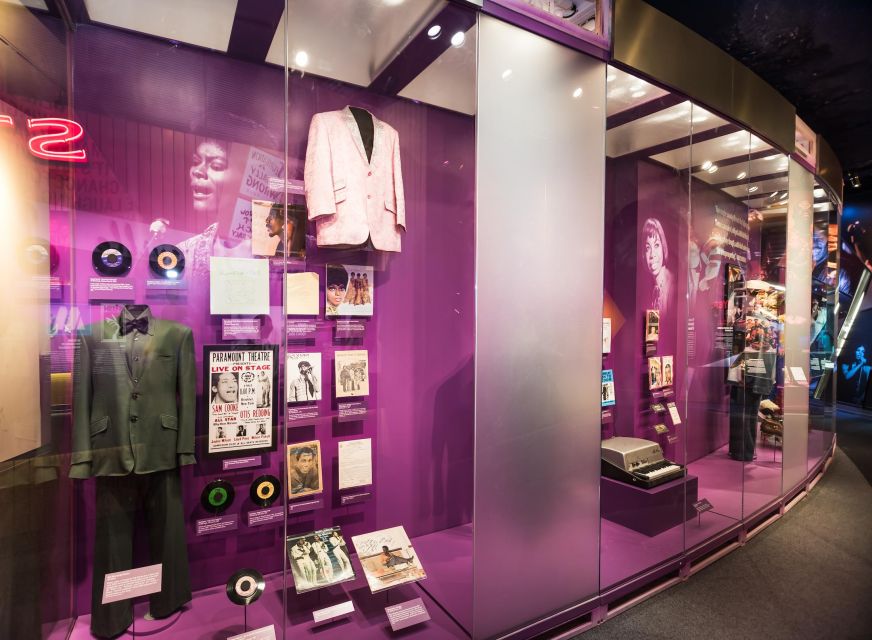
In addition to interactive tech, you’ll find artifacts, objects, memorabilia, clothing, and other display items, presented alongside the stories of how African American artists changed the musical world. These are the pieces that make the history feel physical—like you could reach out and almost touch the era.
This is where you’ll want to slow down for 2 reasons:
- The museum’s space is big, so the displays are your best chance to get meaning from the materials.
- You’ll likely notice how fashion, instruments, visual style, and performance culture all connect back to the sound.
If you’re a collector-brain person—photos, costumes, iconic outfits—this museum has plenty to satisfy that instinct. One visitor said they saw beautiful pictures, costumes, and other artifacts and wanted more time than a single visit allows.
A realistic plan for your 1-day visit (and how long to budget)
The official duration is listed as 1 day, but your actual time depends on your style.
Based on how people describe the experience, here’s a practical range:
- If you move briskly and focus on the highlights, plan on about 1.5 to 2 hours.
- If you actually want to listen, read, and take in multiple genres carefully, give yourself closer to 2+ hours.
- If you’re a serious music fan, some people say they needed 2 days, because there’s simply more content than you can fully digest in one pass.
Inside, you’ll naturally feel the temptation to jump around—especially if you hit an interactive area you like. That can be fun, but it can also break the story flow. If you’re the type who likes your history in order, consider doing one genre route first, then do a second pass on your favorites.
What can affect your time
A few things can change how efficiently you see everything:
- Some areas may be roped off at certain times, which can reduce the number of displays you can access.
- A few electronic displays may not be fully functional when you arrive, so have a flexible mindset if a screen isn’t cooperating.
None of that usually ruins the experience—it just means you should not treat the ticket like a checklist with perfect fulfillment.
Price and value: is $35 fair?
Let’s talk value honestly.
For $35, you’re paying for:
- Admission to a big, purpose-built museum
- Interactive listening and media experiences
- Galleries that connect music to cultural impact across multiple eras
- Artifacts and display objects that go beyond basic informational panels
That sounds fair if you’re ready to do some listening and reading. If you’re expecting a short, one-hour museum with no distractions, you may feel the price more sharply.
The value question gets sharper if you encounter roped-off sections or non-working screens. One visitor explicitly felt there was less accessible display space than expected, and that’s the main reason the museum could feel overpriced to a person who wants full coverage.
One more value twist: a visitor mentioned that every first Wednesday is free and was trying to figure out a refund after buying a ticket. I can’t promise that timing always applies, but it’s a smart hint: if you’re flexible on dates, check whether special free-entry days exist before you lock in your purchase.
Rules, what to bring, and how to avoid annoying surprises
This is a modern museum, so expect typical rules for a curated gallery space. You’re not allowed:
- Weapons or sharp objects
- Smoking
- Food and drinks
- Luggage or large bags
- Flash photography
- Video recording
That matters because it changes your “day pack” strategy. Travel light. If you normally carry a bigger day bag or umbrella bundle, you might want to plan for how your bag will be handled inside.
If you’re the kind of person who wants to eat right after a museum, plan your lunch timing. You may find yourself hungry once you finish your last gallery, and there’s nothing worse than having to scramble because your museum visit rules got in the way.
Who this is best for
This museum fits best if you:
- Love music and want the story behind how genres connect
- Want a hands-on experience rather than a purely visual exhibit
- Travel with kids who like singing or interactive play
- Prefer self-paced learning where you can linger in one section without getting stuck behind a tour schedule
It’s also a good stop if you’re a first-time Nashville visitor who wants something beyond the usual music-business landmarks. This focuses on the cultural roots—how African American artistry shaped the entire American music system.
Should you book this National Museum ticket?
Book it if you want an afternoon that mixes listening, interactive exhibits, and real artifacts in a museum that takes African American music seriously. At $35, it’s a fair deal when you show up ready to spend time—at least 1.5 to 2 hours—and you’re open to exploring by genre rather than racing through.
Skip or consider alternatives only if you:
- Are sensitive to paying for experiences where some areas could be unavailable or screens might not work perfectly
- Prefer short museum visits where you don’t read or listen much
- Want a guided group tour format with a set program
If you’re even moderately into music history—or you just want something meaningful and different on Nashville’s Broadway—this is one of those places you’ll think about when you’re back in your hotel and putting songs on repeat.
FAQ
How long should I plan to spend at the museum?
The experience is listed as valid for 1 day. In practice, many visitors spend around 1.5 to 2 hours, and some people choose more time if they want to fully experience the interactive areas and multiple galleries.
What’s included with the ticket price?
The ticket includes admission to the National Museum of African American Music. No other services like hotel pickup are listed as included.
Where do I go to enter?
Go to the National Museum of African American Music at 510 Broadway, Nashville, TN 37203. Bring your mobile voucher to the box office for access.
Is the museum wheelchair accessible?
Yes. The activity is listed as wheelchair accessible, and the museum includes accessibility features noted during visits.
Are photos or video allowed inside?
Flash photography is not allowed, and video recording is also not allowed.
Can I bring food, drinks, or large bags?
Food and drinks are not allowed, and luggage or large bags are not allowed. Travel with a small bag to avoid issues when you arrive.