REVIEW · SEOUL
Seoul: The War Museum, Jogyesa, and Tapgol Park Tour
Book on GetYourGuide →Operated by I LOVE SEOUL TOUR Co., Ltd. · Bookable on GetYourGuide
War, temples, and a Seoul park game. This guided afternoon route strings together the War Memorial of Korea and the Tapgol Park lottery moment, plus two major sights tied to Korea’s modern story. I especially like that it’s built around storytelling stops you can’t really replicate on your own without context.
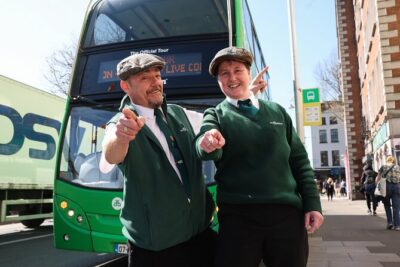
I also like that the tour uses a comfortable air-conditioned minivan and a real live guide, with guides such as Dragon and Connie noted for friendly, clear explanations and helpful pacing. One consideration: the schedule still includes moderate walking and goes rain or shine, so wear shoes you trust.
In This Review
- Key highlights you’ll care about
- Price and logistics: what $42 actually includes
- Timing: how 4–9 hours works in real life
- War Memorial of Korea: tanks and the UN Cemetery viewpoint
- National Museum of Korean Contemporary History: a timeline you can follow
- Jogyesa Temple: Buddhism in the middle of the city
- Tapgol Park and the included Squid Game-style lottery
- The full-day option: palaces, hanok, sky views, markets, and a ginseng stop
- Guide quality: why names like Dragon, Connie, Leo, and Sam mattered
- What this tour is best for (and when to choose something else)
- Should you book the War Museum, Jogyesa, and Tapgol Park tour?
- FAQ
- FAQ
- What does the afternoon tour include?
- How long is the tour?
- Is food included?
- What’s included in the price?
- Is hanbok provided?
- Does the tour run in bad weather?
- Is the tour wheelchair accessible?
Key highlights you’ll care about
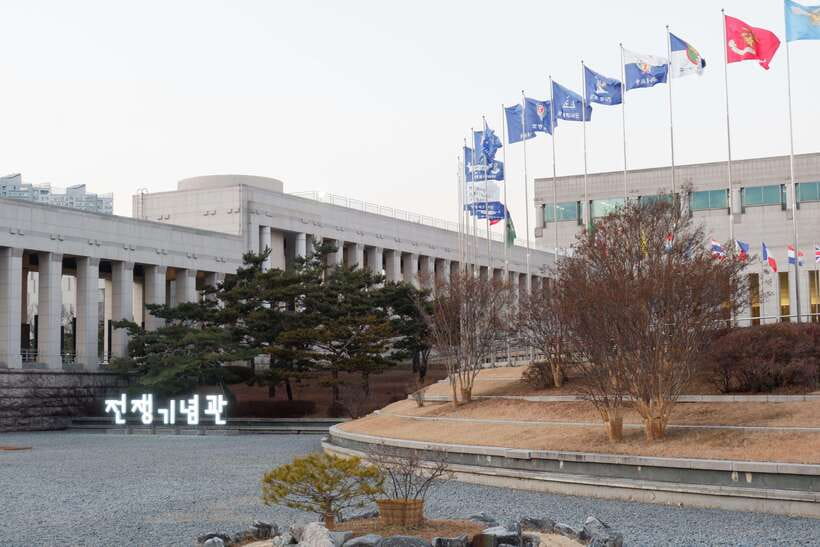
- War Memorial of Korea (3rd floor UN Memorial Cemetery focus): a very structured way to process war history, not just look at objects.
- National Museum of Korean Contemporary History (four permanent exhibition halls): a clean timeline from late 19th century to today.
- Jogyesa Temple (Jogye order): Buddhist temple life in a city setting, with meaning behind the details.
- Tapgol Park + March 1 Independence Movement: history you can feel in the location, right near Insadong.
- Squid Game-style lottery included: a fun, movie-linked activity that breaks up the heavier material.
Price and logistics: what $42 actually includes
At $42 per person, this is one of those Seoul tours that feels fair once you see what’s bundled. You get entrance fees, a professional English guide, transport by air-conditioned minivan, and the included lottery activity.
You don’t get food or drinks, and hotel pickup/drop-off isn’t included. You do have fixed meeting points, with the afternoon option starting at the lobby of the Koreana Hotel’s Office building, and the full-day option starting at Myeongdong Station Exit #10 in front of Sejong Hotel.
Also note the basics: this runs rain or shine, and it’s not suitable for wheelchair users. If you’re traveling with kids, children must be accompanied by an adult, and unaccompanied minors aren’t allowed.
Timing: how 4–9 hours works in real life
The listing gives a wide window of 4–9 hours, depending on which departure you book. In practice, that means you’ll either do a tighter afternoon version focused on the war museum + temple + Tapgol Park, or a longer full-day version that adds major central-city sights.
The big advantage of an afternoon start is that you can still keep your evenings flexible in Seoul. After you’re dropped off near Myeongdong Cathedral, you’ll be close to a lot of dinner and nightlife options without having to fight transit right away.
If you’re choosing the full-day option, expect more walking and more time in transit between stops. That extra day also adds a palaces/old-city block and a ginseng-related stop, which can affect how much time you feel you’re spending at the “big” historical anchors you came for.
War Memorial of Korea: tanks and the UN Cemetery viewpoint
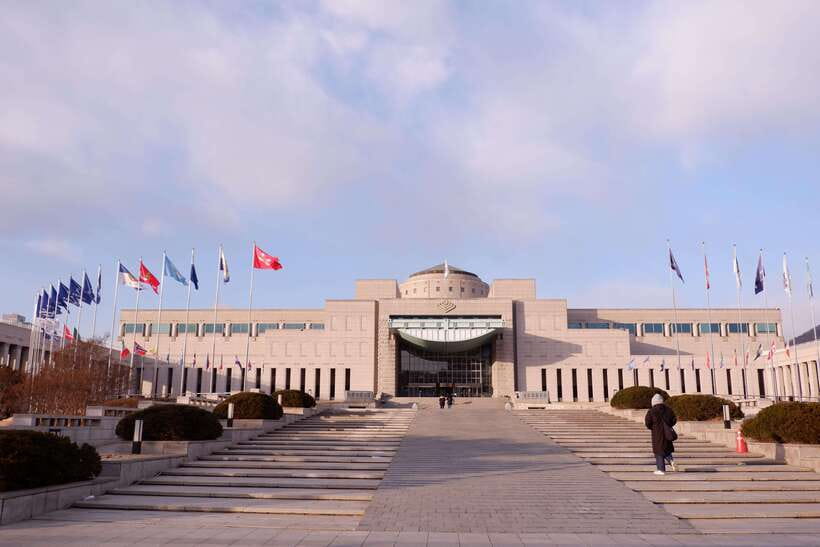
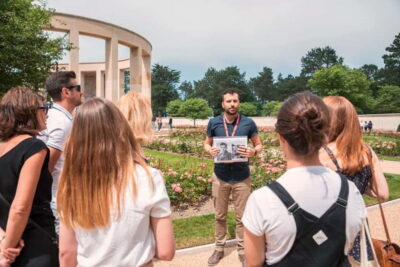
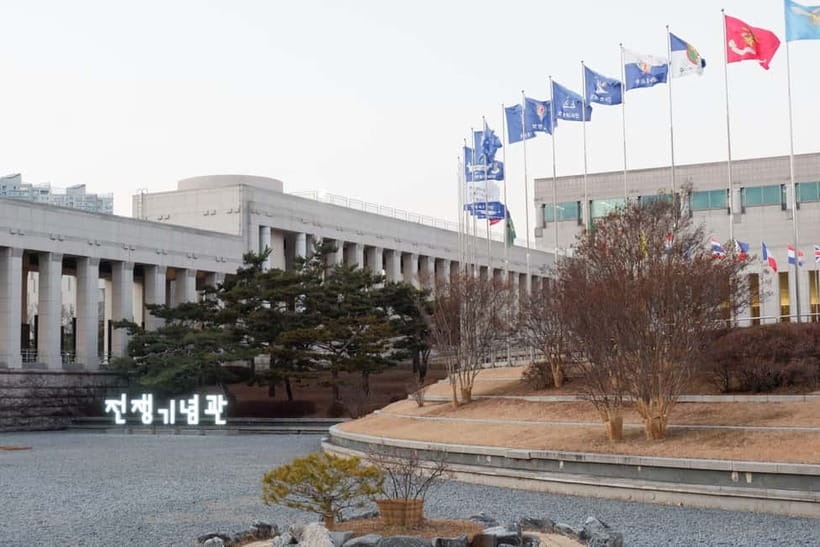
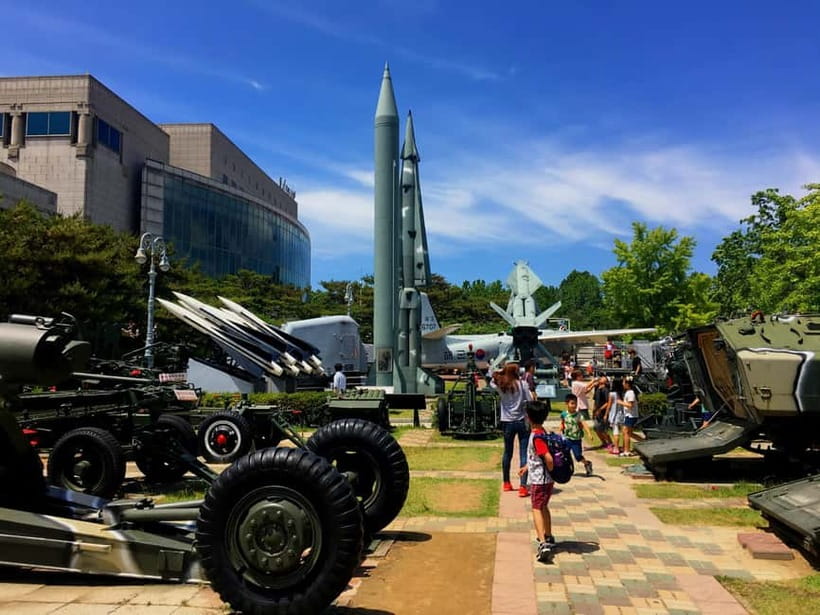
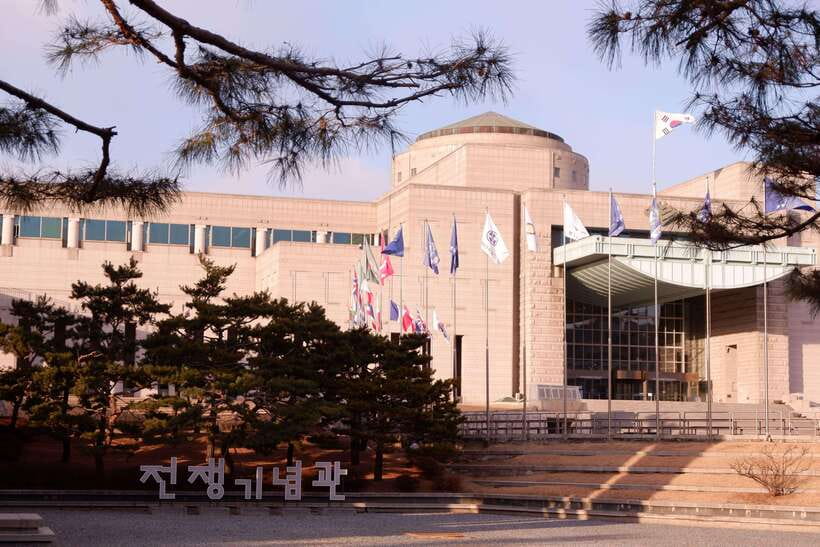
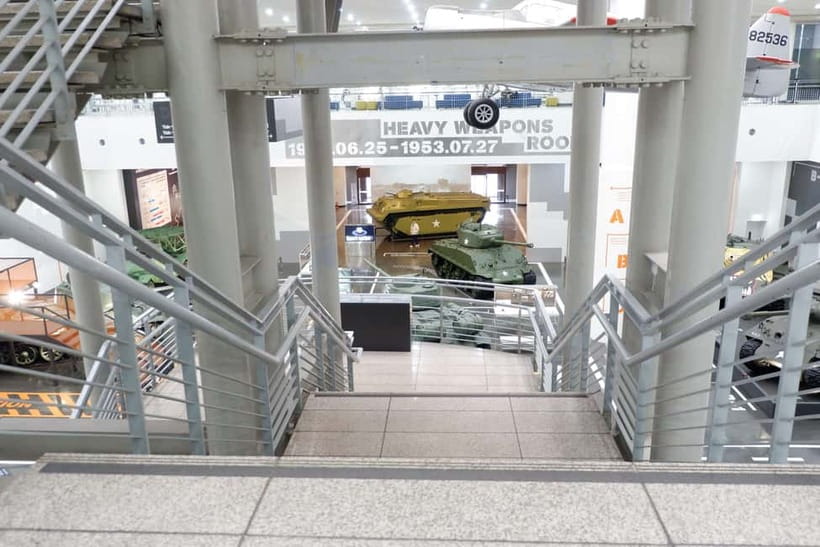
The tour begins (or quickly centers) on the War Memorial of Korea, with a strong emphasis on the 3rd floor United Nations Memorial Cemetery area. This matters, because it’s an intentional shift from objects and exhibits into remembrance and context.
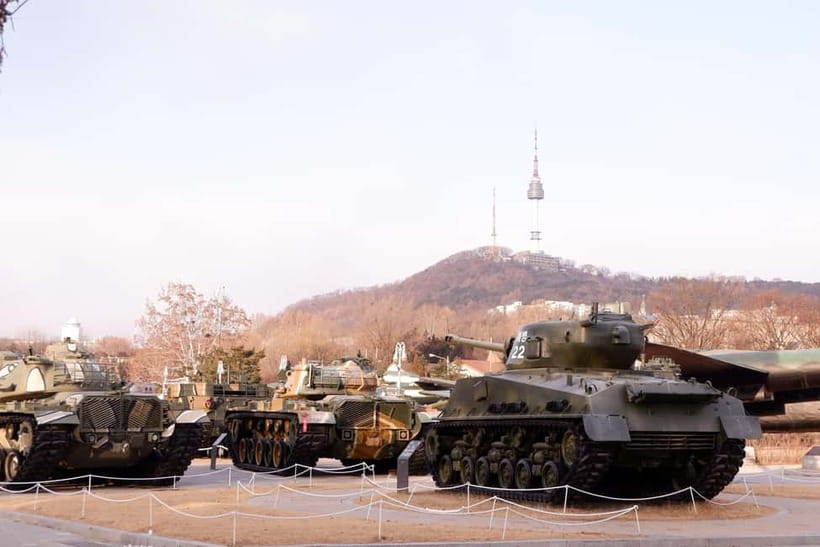
You get the chance to see dramatic military displays, including tanks and aircraft, but the point of the visit isn’t spectacle. The museum was established in 1994, and the program’s theme is preventing war through lessons from the Korean War, while also holding onto hope for reunification of North and South Korea.
What I like about this stop on a guided route is that you don’t just read labels. A good guide helps connect why these displays are here and what they’re meant to teach. From the tour experiences I’m drawing from, guides like Leo and Melvin were specifically praised for answering questions and sharing added context rather than just rushing through.
Practical tip: bring comfortable shoes and plan to move at museum pace. If you’re the type who reads every sign, you might feel a bit rushed—so keep an eye on what your guide points out as the “must-see” moments.
National Museum of Korean Contemporary History: a timeline you can follow
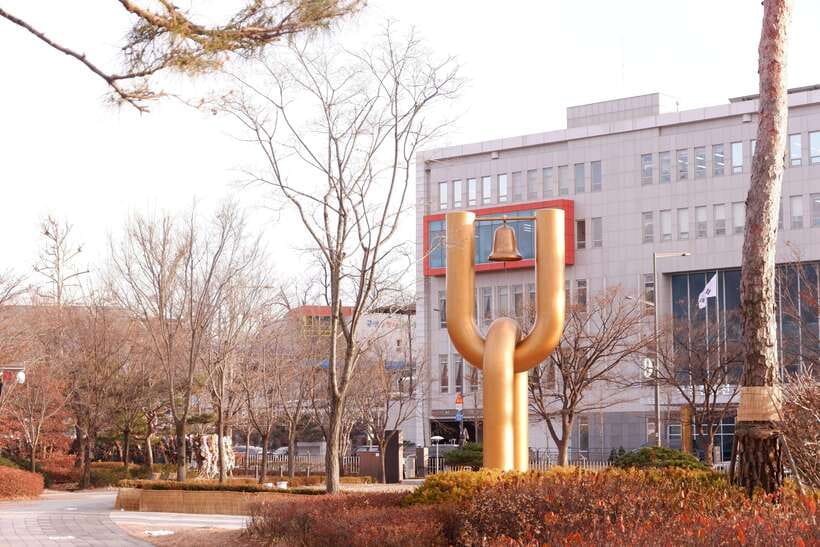
Right after the war-focused stop, you’ll head to the National Museum of Korean Contemporary History. It opened on December 26, 2012, and the museum’s structure helps you understand modern Korea without getting lost: it features four permanent exhibition halls covering the period from the late 19th century to the present.
This museum is a strong match for people who want more than one war date. If you’ve ever wondered how Korea moved from late 1800s pressures into modern politics and culture, this is the kind of museum that turns history into a readable sequence.
A guided visit helps here because the museum is broad. The difference between “I saw rooms” and “I understood the arc” is often your guide’s ability to tie the halls together with clear explanations. In the better-led experiences shared, guides were patient and responsive, including help with photos and answers to random questions about Seoul in general.
Practical drawback to keep in mind: museums can be tiring if you do too many in one day. This is still manageable, especially if you’re doing the shorter afternoon option, but plan breaks with water and shade when you can.
Jogyesa Temple: Buddhism in the middle of the city
Then the tour moves into something calmer: Jogyesa Temple, the chief temple of the Jogye order and a central place for Korean Buddhism. The description matters because it explains the temple’s role beyond decoration: it promotes an idea of people living together, shaped by Bodhisattva spirit.
Jogyesa is also a historic site that survived Korea’s turbulent modern history. So even if the courtyard feels peaceful, the stop isn’t “just sightseeing.” It’s a living religious location with real historical weight.
In a city where you can easily rush from one photo spot to another, this temple break gives your day a different texture. You’ll usually get time to look around and experience the atmosphere rather than only sprinting for landmarks.
Practical note: this stop works best if you travel with a mindset of slowing down for a bit. If you’re mainly chasing Instagram angles, you’ll still get photos, but you’ll miss the best part, which is the meaning your guide assigns to what you’re seeing.
Tapgol Park and the included Squid Game-style lottery
After the museums and temple, the tour lands at Tapgol Park, near Insadong, which is a powerful location for Seoul’s modern identity. This is where the March 1st Korean Independence Movement began in 1919, calling for independence from Japanese rule.
Tapgol Park also has a pop-culture link that makes the stop memorable for many people: it’s briefly featured in Squid Game Season 2, episode 1, in the segment titled Bread and Lottery. In the scene, a recruiter hands out lottery tickets and bread to homeless people before stamping down the remaining bread. The tour’s inclusion of a lottery activity is clearly meant to echo that moment, but in a tourist-friendly way that keeps things playful.
Why this works: it lets you switch modes from heavy history to a light, hands-on activity. Then, because you’re at the real historical site, you’re not treating the movement as a random movie reference.
What to bring behavior-wise: this is not a costume moment. The tour data specifies that hanbok is not available, so you’re just showing up as you are. Comfortable clothes and shoes matter most.
The full-day option: palaces, hanok, sky views, markets, and a ginseng stop
Some bookings on this program include a full-day itinerary that adds extra stops before you reach the war museum and temples. The added highlights can include:
- Gyeongbokgung Palace with the Royal Guard Changing Ceremony
- A hanok village visit: Bukchon Hanok Village, or on Sundays Namsangol Hanok Village instead
- Bugak Skyway
- A Ginseng Museum
- Lunch time at Gwangjang Market (own expenses)
On some schedules, the palace portion can be swapped. One experience noted that on a Monday, the palace stop was replaced with Jongmyo Shrine. That’s a good detail to remember: the “big palace” can vary depending on day.
This extra day gives you a fuller Seoul snapshot, but it also increases the chance that you’ll feel time pressure. There’s also the ginseng-related stop to consider. In one detailed experience shared, the ginseng center felt far from the other stops and like a sales pitch because the group had very few visitors there. That doesn’t mean the stop will be bad for you, but if you prefer sightseeing time over retail-style experiences, factor that in.
Guide quality: why names like Dragon, Connie, Leo, and Sam mattered
On tours like this, the guide isn’t a “nice-to-have.” They shape how you feel about museums and temples, especially when the content spans war remembrance and independence history.
The most praised experiences were about guides who brought warmth and clarity. Names that came up include Dragon, Connie, Leo, Melvin, Sam, and Park. The common thread across these mentions was real effort: clear explanations, personal stories that made the history feel less distant, and attention to questions.
Some guides also showed an extra level of practical help, including being helpful with photos and timing so you’re not stuck waiting. One person described a moment where Dragon added time for a traditional Korean tea house after the palace visit, which is the kind of bonus that can make a long day feel more human.
If you care about learning, this is the part of the tour that pays off most. A decent guide can turn a list of sights into a coherent story about modern Korea and the places that shaped it.
What this tour is best for (and when to choose something else)
This tour is a strong match if you want:
- A guided route that connects modern Korean history with specific places
- Museum time without having to plan every ticket and transit step
- A mix of serious content (war and independence) and a lighter moment (Tapgol Park lottery activity)
You might want a different option if:
- You can’t handle moderate walking, especially with rain
- You need wheelchair accessibility (the tour is not suitable)
- You’re picky about retail-style stops and long transit segments in the full-day option, especially with the ginseng stop
If you’re short on time, the afternoon version is the better fit. If you want the palace/hanok/market additions and you don’t mind the extra pacing, the full-day option can be worth it.
Should you book the War Museum, Jogyesa, and Tapgol Park tour?
Yes, if you want a compact Seoul plan that actually connects the dots. The value is strong because you’re paying for transport, entrance fees, an English guide, and a built-in activity, not just looking at sights.
I’d book it particularly if you like history that has a place. The War Memorial of Korea stop gives you the war remembrance angle, and Tapgol Park gives you a real-world location for the independence movement, then the lottery keeps the day from feeling like a nonstop lecture.
Just be honest with your energy level. With rain or shine and moderate walking, comfortable shoes are non-negotiable. If you’re sensitive to time spent at the ginseng stop on the full-day itinerary, choose the afternoon option instead.
FAQ
FAQ
What does the afternoon tour include?
The afternoon tour focuses on the War Memorial of Korea, mainly the 3rd floor United Nations Memorial Cemetery, the National Museum of Korean Contemporary History, Jogyesa Temple, and Tapgol Park. It ends with a drop-off near Myeongdong Cathedral.
How long is the tour?
The tour duration is listed as 4 to 9 hours. Starting times depend on availability.
Is food included?
No. Food and drinks are not included, though the full-day option includes lunch time at Gwangjang Market with lunch as an own-expense item.
What’s included in the price?
Entrance fees, a professional guide, transport by air-conditioned minivan, and the lottery are included.
Is hanbok provided?
No. Hanbok is not available on this tour.
Does the tour run in bad weather?
Yes. The tour takes place rain or shine.
Is the tour wheelchair accessible?
No. This tour is not suitable for wheelchair users.