REVIEW · LONDON
London: Museum of Brands Skip-the-Line Ticket
Book on GetYourGuide →Operated by Museum of Brands · Bookable on GetYourGuide
Brands have a time machine. The London Museum of Brands turns everyday products into a story of society, from Victorian times to the digital age.
I really like the Time Tunnel setup: it’s laid out chronologically, so you can see how trains, cars, and planes changed daily life right alongside royal events and world events. I also love the memorial garden finish, because the visit ends on a calmer note than most museums.
One thing to consider: this is more about branding, packaging, and advertising than about fine art. If you’re expecting purely hands-on exhibits, you may want to set your expectations first.
In This Review
- Key highlights you’ll feel from the start
- Entering The Museum of Brands Time Tunnel in Notting Hill
- The skip-the-line ticket and what it actually buys you
- How the Time Tunnel turns packaging into a timeline
- The brand-and-advertising angle that makes this museum click
- Entertainment, travel, leisure: the museum’s smart organizing theme
- Past TV adverts and temporary displays you should plan to linger for
- The award-winning memorial garden break and what to do there
- Souvenirs, gift shop picks, and how to avoid buying duplicates
- Price and value: is $18 a fair deal for a one-day visit?
- Where to fit it into your day near Portobello Road Market
- Who should buy this ticket (and who may want to skip)
- Should you book the London Museum of Brands skip-the-line ticket?
- FAQ
- What is the London Museum of Brands skip-the-line ticket?
- Where is the museum located?
- How long is the visit?
- What does the Time Tunnel include?
- Are temporary displays included?
- Is the memorial garden included?
- Do I get food included with the ticket?
- What are the opening hours?
- Is it wheelchair accessible?
- Can I cancel for a refund?
Key highlights you’ll feel from the start
- 200 years, shown in order through a Time Tunnel that connects products to real historical moments
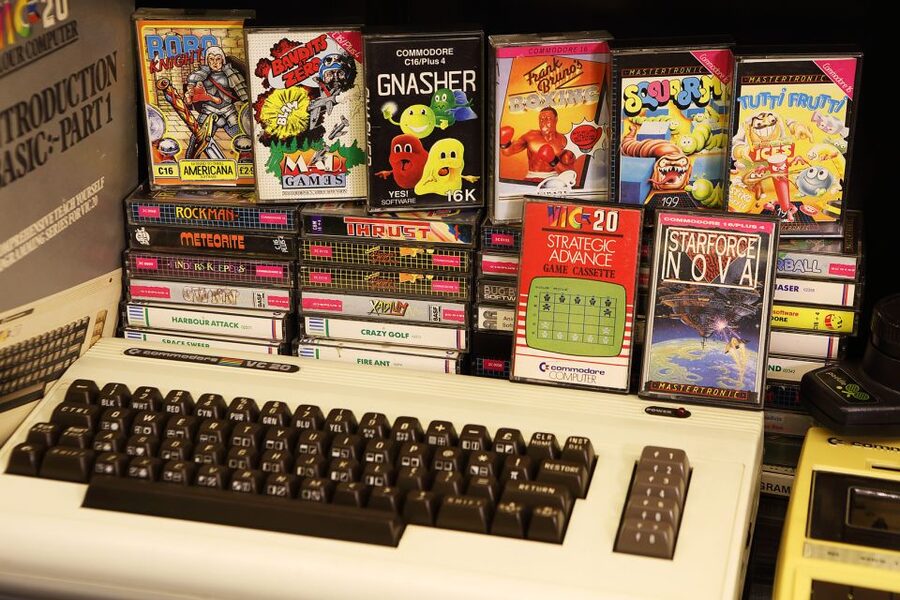
- Over 12,000 items that give you lots to scan, compare, and recognize
- Entertainment and travel themes that track how movies, radio, and TV reshaped leisure
- Past TV adverts and special displays that include 1950s toys, London punk, chocolate brands, and biscuit tins
- A relaxing memorial garden stop with cake, coffee, or prosecco available at your expense
Entering The Museum of Brands Time Tunnel in Notting Hill
If you like the idea that everyday objects have a backstory, this museum nails it. London’s Museum of Brands, Packaging and Advertising uses branding and packaging as the lens, then builds a timeline around how consumer culture shaped daily life.
Location helps. It’s in the heart of Notting Hill on Lancaster Road, and you’re about five minutes from Portobello Road Market. That means you can pair it with an easy stroll and snack run without feeling like you’re burning a whole day just getting there.
The museum experience is built around one big concept: products don’t just fill shelves. They reflect what people value, how they spend leisure time, and what technology made possible. You’ll see that message come through again and again as the exhibit moves forward in time.
A few more London tours and experiences worth a look


The skip-the-line ticket and what it actually buys you
A skip-the-line ticket is often worth it in London, mainly because it helps you get started without wasting your sightseeing energy. For this visit, the ticket is valid for 1 day from your first activation, so you’re choosing a flexible one-day museum plan rather than a tight, timed tour.
What you get with your admission is clear and practical:
- Entrance to the museum
- Temporary displays
- Access to the memorial garden
Food and drinks are not included in the ticket price. That matters because the museum does offer treats at the end—cake with coffee, or prosecco—but you’ll pay for those separately.
For $18 per person, the value is mostly about density. You’re paying for a full indoor walkthrough that covers 200 years and also includes multiple exhibit segments plus garden time.
How the Time Tunnel turns packaging into a timeline
The big centerpiece is the Time Tunnel, where the museum tells the story of consumer society through a chronological route. It’s not random; it’s built so you can connect brand history to big social shifts.
Here’s what the tunnel covers, and why it’s more interesting than it sounds:
- You’ll see major “era markers” like royal coronations, two world wars, and the man landing on the moon
- You’ll also see how mass tech changed habits, including the invention and spread of the railway, the motor car, and the airplane
- Entertainment trends come through too, especially how cinema, radio, and television shifted leisure
This is where the museum surprises people who think they came for logos only. The exhibits are really about cause and effect: new technology creates new routines, and then marketing builds demand around those routines.
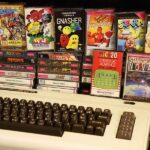
The museum also leans heavily on recognition. With a collection of over 12,000 items, you’ll likely spot products you’ve seen before—sometimes in packaging style, sometimes in branding themes that feel familiar even when the items are old.
Practical note: take it slower than you think you need. It’s easy to walk past labels when you’re moving with a group or checking your phone. If you want the “aha” moments, stop when a product category reappears in a new era.
The brand-and-advertising angle that makes this museum click
There are museums that show history through paintings, documents, or architecture. This one shows it through consumer culture—how society learned to buy, desire, and talk about products.
What I like about that approach is that it turns marketing into a readable social record. The museum’s focus on packaging and advertising means you’re not just looking at what people bought—you’re looking at how they were persuaded and how information design evolved over time.
You’ll also get the sense of how national and global events filtered into everyday life. The way items are framed around events like world wars and the moon landing makes the exhibit feel grounded, not like a generic “old stuff” collection.
And yes, there’s nostalgia here. If you have childhood memories tied to certain toy styles, snack packaging, or the look of older TV commercials, this museum can hit that chord quickly. It’s not fake nostalgia either. The displays are tied to specific decades and themes, so the feeling comes from context.
Entertainment, travel, leisure: the museum’s smart organizing theme
One of the most useful parts of the Time Tunnel is how it groups progress by how people lived. The museum focuses on areas that changed entertainment, travel, leisure, music, and more, so you can follow your own interests.
That organization works because it’s relatable:
- Travel shifts when transportation becomes common and affordable
- Leisure shifts when entertainment formats become mainstream
- Music and public taste shift when media spreads faster and reaches more people
You’ll notice that as you move through the tunnel. Early sections emphasize practical transformation—how daily routines change with new transport and modern services. Later sections bring you closer to the world of radio, then TV, then more modern media habits.
This is a good museum for people who like “how did we get here?” thinking. The timeline format does that job without needing you to have a background in media history.
You can also read our reviews of more museum experiences in London


Past TV adverts and temporary displays you should plan to linger for
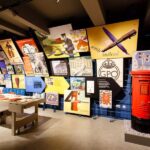
After you finish the main Time Tunnel, you shift into the museum’s advertising and display area. This is where the museum slows down and lets you see marketing in its original voice.
You’ll have a chance to watch TV adverts from the past. That’s one of the best ways to understand how communication styles changed—tone, pacing, and the kind of claims advertisers felt comfortable making.
Then comes the temporary-display rotation. Based on what’s been featured, you might encounter themes like:
- 1950s Toys
- London Punk (through its cultural and design angle)
- Chocolate brands
- Biscuit tins
Because these displays are temporary, they can give your visit a “today’s version” feel. If you’re the type who hates seeing only one standard, unchanging exhibit, these changing themes are a nice perk.
Tip: if you care most about a certain era—say, postwar design or punk-era style—don’t sprint through the tunnel. Pick the sections that connect to your interests, then return later with more time for the temporary exhibits and video ads.
The award-winning memorial garden break and what to do there
The museum doesn’t end the way many museums do. Instead, it closes with an award-winning memorial garden, giving you a quieter space after all that timeline walking.
You can relax with a piece of cake with coffee, or you can choose a glass of prosecco—both are listed as options, with drinks charged at your expense. This matters because it helps you turn the visit into a comfortable break rather than a hurried “check it off” stop.
If you’re pairing the museum with Portobello Road, this garden stop can also help you reset energy before you head back out for the market atmosphere.
Practical advice: wear shoes that handle uneven garden paths, and take a few minutes to actually sit. The garden is part of the ticket experience included with admission, so it’s worth using fully.
Souvenirs, gift shop picks, and how to avoid buying duplicates
There’s a gift shop where you can pick up souvenirs that reflect the collection and also shop for tasty treats. This is a standard museum add-on, but it can still be useful.
If you’re traveling light, look for smaller packaging-related items or design-driven souvenirs rather than bulky sets. If you’re buying for someone who loves retro branding, prioritize items tied to the themes you saw in the Time Tunnel—because they’ll feel more personal when the museum context is fresh.
Also, if you’ve already got a stack of London souvenirs, this can be a nice change: you’re not just buying postcards. You’re buying a piece of the museum’s design world.
Price and value: is $18 a fair deal for a one-day visit?
At $18 per person, you’re not paying for a multi-part guided tour with transport. You’re paying for a self-guided museum day that includes:
- The Time Tunnel experience
- Temporary displays
- Memorial garden access
That’s where the value comes from. The exhibit content is built around a clear narrative, and the large collection size (over 12,000 items) suggests there’s plenty to look at without feeling thin.
The strongest reason to choose this ticket is the mix of formats:
- A big timeline structure
- Lots of visible objects to compare
- TV adverts that show changes in messaging style
- Temporary themed displays that can make your visit feel current
The main value risk is mindset. If you want mostly art or mostly technology, you might find some parts more about storytelling and branding than physical inventions. But if you like how culture gets packaged and sold, the price feels fair.
Where to fit it into your day near Portobello Road Market
Because the museum is so close to Portobello Road Market, you can plan this as an easy Notting Hill loop.
A simple rhythm that works:
- Start at the museum in time to enjoy the Time Tunnel before you get tired.
- After the tunnel, plan time for the TV adverts and temporary displays.
- Use the memorial garden to slow down.
- Finish with Portobello Road nearby for browsing and snacks.
Opening hours are:
- Monday to Saturday: 10:00 AM to 6:00 PM
- Sunday and bank holidays: 11:00 AM to 5:00 PM
The museum is closed on August 27, 28, 29, December 24, 25, 26, and January 1. If you’re traveling during late December or late August, check your calendar early.
Who should buy this ticket (and who may want to skip)
This is a great fit if:
- You like nostalgia, but you also want the story behind it
- You care about design, packaging, and advertising as a record of social change
- You enjoy museums that connect everyday life to big events in a clear timeline
- You want a one-day indoor plan that still feels varied thanks to videos and changing themes
It might not be your best choice if:
- You want a classic art museum experience with famous artworks as the main focus
- You dislike brand-focused exhibits and prefer history shown through other mediums
Good news: you can control how much you lean into each area. Spend extra time on the era sections you like, then use the TV ads and garden to balance your energy.
Should you book the London Museum of Brands skip-the-line ticket?
Book it if you want a smart, compact museum day that connects everyday products to real history. The Time Tunnel approach makes the experience easy to follow, and the combination of object display plus past TV adverts gives you more than just reading labels.
Skip it if your idea of a must-see museum is mostly art, architecture, or hands-on science. This one is about consumer culture—how brands, packaging, and advertising reflect where society ends up.
If you’re unsure, think about what you enjoy most on a rainy London day: older TV commercials, retro toys, the evolution of transport and travel habits, and the way design changes over time. If that sounds appealing, this ticket is a solid pick.
FAQ
What is the London Museum of Brands skip-the-line ticket?
It’s an admission ticket that includes entry to the museum, temporary displays, and access to the memorial garden.
Where is the museum located?
The museum is on Lancaster Road in Notting Hill, about five minutes from Portobello Road Market.
How long is the visit?
It’s valid as a one-day ticket from your first activation.
What does the Time Tunnel include?
The Time Tunnel is a chronological experience covering consumer society from Victorian times to the digital age, including major events and changes in transport and entertainment.
Are temporary displays included?
Yes. Temporary displays are included with admission.
Is the memorial garden included?
Yes. The memorial garden is included as part of the ticket experience.
Do I get food included with the ticket?
No. Food and drinks are not included. Cake with coffee and prosecco are available at your expense.
What are the opening hours?
Monday to Saturday: 10:00 AM to 6:00 PM. Sunday and bank holidays: 11:00 AM to 5:00 PM.
Is it wheelchair accessible?
Yes, the venue is wheelchair accessible.
Can I cancel for a refund?
Free cancellation is available if you cancel up to 24 hours in advance for a full refund.