The Rosetta Stone makes sense fast. This private, English-guided museum walk turns a giant building into a clear story, with Rosetta Stone translation explained in plain terms and tailored highlights for your group. You’ll also get hands-on context for big names like Tutankhamun, plus standout Roman and Greek scenes without wasting time wandering.
My favorite part is that a guide who actually knows the archaeology helps you spot what matters and why. It’s also a relief to have a plan for the museum’s scale, especially with a group of up to six and a private pace you can adjust to kids or adults.
One consideration: this is mostly walking inside a museum, so if you’re hoping for a low-effort, see-everything day, you may find 2.5 hours tight—especially in a centuries-old city where not every corner is fully step-free.
In This Review
- Key Points at a Glance
- A Private Guide Turns the British Museum Into a Story
- Entering the Museum Efficiently (Without Losing Hours)
- Rosetta Stone and the Language Puzzle You Can Actually Follow
- Egypt Highlights: Tutankhamun, Funerary Objects, and How Stories Work
- Rome and Propaganda: What You Should Look For in the Glass
- Greek Statuary and the Fight of Amazons
- How the Guide Personalizes Your Route
- Price and Value: When $344.49 Actually Works
- Who This Tour Fits Best
- Practical Tips Before You Book
- Should You Book This Private British Museum Tour?
- FAQ
- How long is the private guided tour?
- What is the group size for this private tour?
- Is the museum admission ticket included?
- Is this tour offered in English?
- Do I need an air-conditioned vehicle?
- Are service animals allowed?
- Can I get a full refund if I cancel?
Key Points at a Glance
- Rosetta Stone, translation, and Egyptian history in context
- Egypt highlights like Tutankhamun’s statue and funerary objects
- Roman and Greek stops built around stories you can remember
- Small group, private format (up to 6) for faster decision-making
- Efficient route through a museum that can feel endless
- Mobile ticket and an easy entry day plan to beat the worst crowds
A Private Guide Turns the British Museum Into a Story
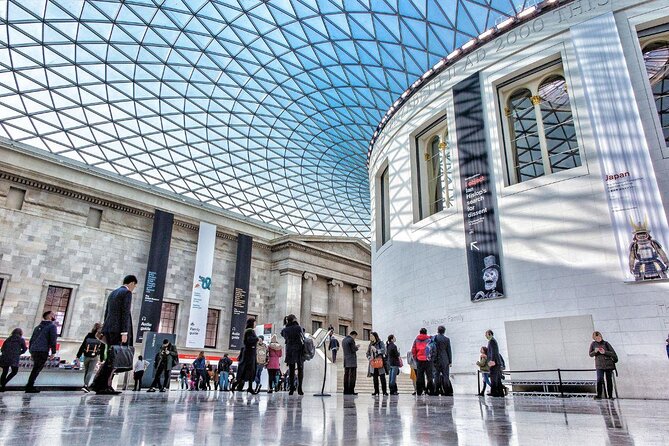
The British Museum is one of those places where you can walk in with good intentions and walk out thinking, I saw stuff… but what was it all for? That’s where this private tour earns its keep. Instead of treating the collections like a checklist, your guide shapes a route around a few high-impact themes—Egypt, then Rome, then Greece—so the museum lands as one connected timeline.
The tour runs about 2 hours 30 minutes, which is a smart length for a first visit. Long enough to see true highlights, short enough that you don’t feel like you’ve turned your day into a museum marathon.
If you’re traveling as a family, this is especially practical. One parent can ask questions, kids can stay curious, and teens don’t have to pretend they enjoy museum labels. Several people in the past described the guide as funny, engaging, and great with youngsters, which makes a big difference when you’re trying to keep attention in a place as huge as this.
You can also read our reviews of more guided tours in London

Entering the Museum Efficiently (Without Losing Hours)
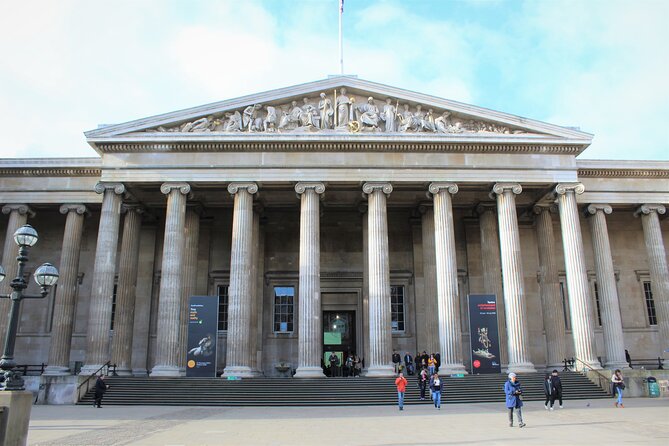
Timing matters at the British Museum because crowds can multiply quickly. A recurring theme from past groups: the guide aims to help you get in early, even being first in line when possible. That changes the whole experience. You start with breathing room, you can look up close at the objects you came for, and you don’t spend your best energy dodging tour groups.
You also get a clearer strategy for moving through the galleries. The museum’s layout can feel like a maze, and when you’re self-guided you tend to backtrack. Here, your guide steers the route so you cover the key rooms with fewer interruptions and less time recalculating where to go next.
One small logistics detail to keep in mind: there’s no air-conditioned vehicle included. In real life, that means you’ll be moving on foot and in the museum environment, so plan for walking and indoor temperature swings.
Rosetta Stone and the Language Puzzle You Can Actually Follow
If you only do one thing at the British Museum, make it the Rosetta Stone moment. Your tour begins with an introduction that frames why this object became a turning point—how it helped unlock Egyptian history and what it meant for understanding language. Even if you don’t love linguistics, this part is gripping because it connects an artifact to real problem-solving.
What I like about this approach is that it doesn’t treat the Rosetta Stone like a trivia stop. Instead, it’s explained as a key to reading the past. That makes it more than a famous rock in a case. You walk away understanding what the stone enabled and why people cared so much about translation.
If you’ve ever stared at museum text and wondered what it’s really saying, this is the fix. A guide helps you translate the museum into meaning, not just names.
Egypt Highlights: Tutankhamun, Funerary Objects, and How Stories Work
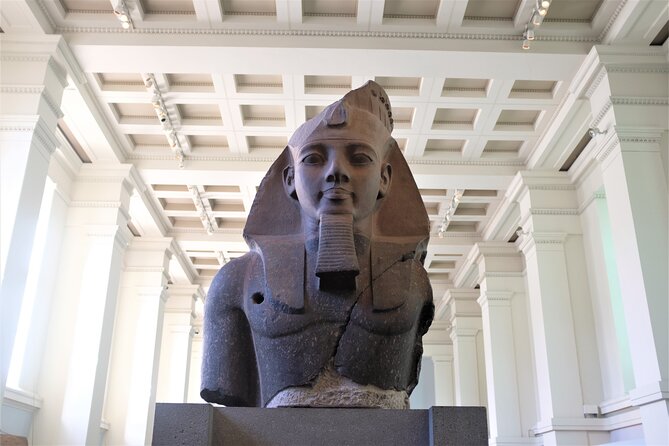
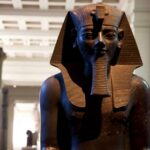
After the language gateway, you move into major Egyptian highlights. Expect your guide to point out and explain items like a statue of Tutankhamun, sarcophagus motifs, canopic jars, and the Book of the Dead. These aren’t just separate treasures. Your tour ties them together as parts of a funerary belief system—what people thought happened after death and how art and objects supported that.
Tutankhamun is a name most people recognize, but the value here is context. You’ll hear about his life and how he died, not just that he was a famous pharaoh. That extra layer turns a celebrity artifact into a human story with timelines and choices.
Then come the funerary objects. Sarcophagus decoration, canopic jars (used in preservation practices), and the Book of the Dead (connected to beliefs about the afterlife) all help you see how Egyptians built meaning into materials. If you enjoy archaeology as a discipline, you’ll likely appreciate how the guide connects the objects to excavation and acquisition stories too—some past groups mentioned details like how items show evidence from their history.
Rome and Propaganda: What You Should Look For in the Glass
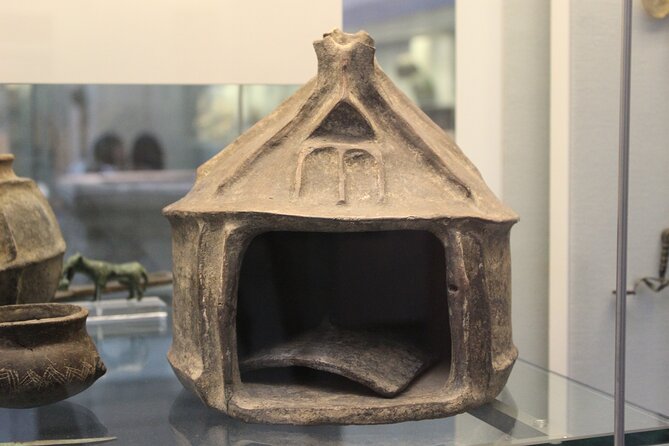
Next, the tour shifts into Roman history. This section is memorable because it doesn’t only cover battles and emperors. You’ll hear about the origins of Rome, its technology, and even classic propaganda-style displays—material designed to persuade people.
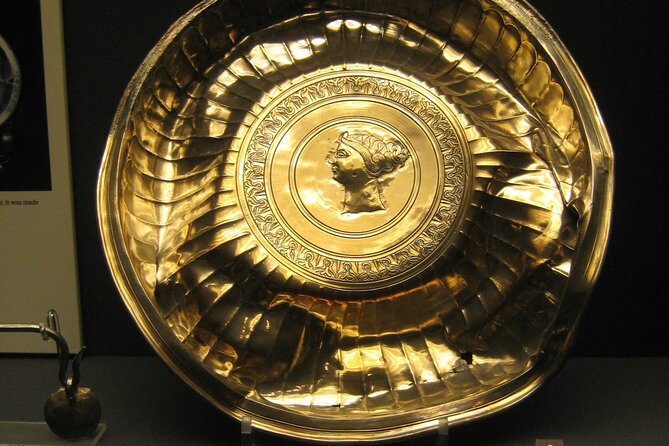
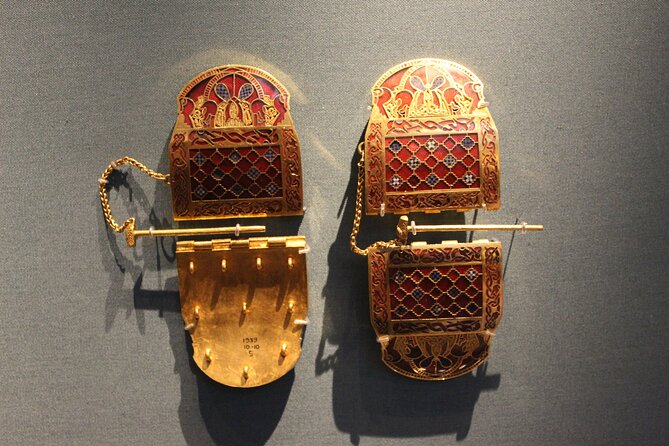
One standout detail from the route themes: you might see or discuss Roman pieces tied to luxury and messaging, including exquisite gold jewelry and items that help illustrate how Roman power looked in the real world. The tour also includes some surprising elements, like alligator armor and other distinctive objects that make Rome feel less like generic school history.
If you’ve ever felt Rome is too familiar to be interesting, this is a good workaround. Your guide helps you slow down and look at what’s actually in front of you—materials, design, and what the object tries to say.
You can also read our reviews of more private tours in London


Greek Statuary and the Fight of Amazons
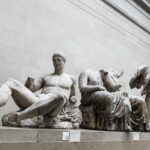
Finally, the tour turns to Greek collections, including Greek statuary and scenes such as amazons fighting. This is the part where your eyes start to “read” art. Instead of just seeing figures, you notice movement, pose, and the story a scene is trying to tell.
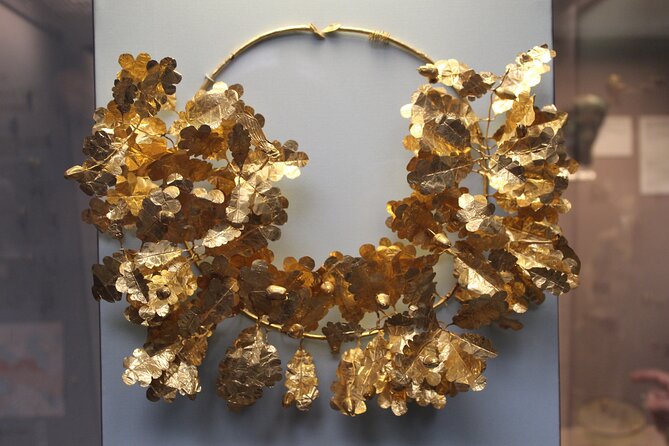
You’ll also hear about items like a gold headdress and how these objects connect to the visual language of Greek art. Past groups with kids and teens often liked this section because it feels cinematic—sports, drama, and mythology style—but grounded in real artistic skill.
The benefit of having a guide here is simple: without one, you can end up skimming. With one, you’re guided to a few specific works and given the context to make them click.
How the Guide Personalizes Your Route
This is a private tour for your group only, so you can steer the experience. You can emphasize Egypt if that’s your focus, or switch more toward Greece or Rome if you already know you want those eras.
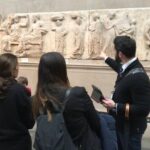
What stood out from past experiences is the guide’s ability to adjust pacing and explanation style. Some groups described Anthony Matthews specifically, mentioning his archaeology background and his ability to explain how objects were excavated and acquired by the museum. Others noted he could read and explain things like hieroglyphics, plus he built in humor and questions.
That matters because museum visits often fail in one place: you either get too many facts and feel lost, or you get watered-down explanations and feel bored. A good guide finds the middle—making history understandable without shrinking it.
Price and Value: When $344.49 Actually Works
The tour is priced at $344.49 per group for up to 6 people, about 2 hours 30 minutes, with entrance ticket included and a licensed, insured guide. That’s the key value lever: you’re not paying per person for expertise. You’re paying for a private plan.
Here’s the practical math. If you max out at six people, you’re roughly at about $57 per person for guided time inside the British Museum. If you come as a couple (two people), it’s closer to $172 per person. The tour can still be worth it with two people if you’re short on time and want the highlights plus smart context, but it’s clearly best for families or small groups.
Also consider what you’re buying: the museum ticket alone doesn’t equal this experience. The real value is someone helping you choose where to stand, what to look at first, and how to connect objects into a story you’ll remember later.
Who This Tour Fits Best
This tour is a strong match if you fall into any of these buckets:
- You have limited time in London and want real museum highlights fast
- You’re with kids or teens and need attention-friendly explanations
- You love ancient history but don’t want to read every label to feel smart
- You enjoy archaeology details like how objects were found, interpreted, and presented
It’s also ideal if you’re planning a follow-up trip to Rome or you already know you’ll be seeing other ancient sites. A guide can often connect the dots so the British Museum becomes a “setup” for what’s next.
Practical Tips Before You Book
Keep your expectations aligned with the format. This isn’t a whole-museum tour. It’s a focused, high-impact route—Egypt, Rome, Greece—with time to ask questions and see the key pieces that make those eras click.
I’d also plan on wearing comfortable shoes. The tour is guided and efficient, but you’ll still be walking through many galleries. And since the meeting and end point are the same, you don’t need to worry about extra transfers or complicated logistics.
Finally, think about when you’ll go. There are morning and afternoon options, and choosing the right slot can help you avoid the worst crowd spikes. If you hate lines, morning tends to be your friend.
Should You Book This Private British Museum Tour?
If you’re the type who wants to walk into the British Museum and come out knowing what you just saw, yes, book it. The biggest advantages are the private format for a group of up to six and the way the guide turns iconic objects—like the Rosetta Stone and Tutankhamun-related highlights—into understandable history instead of random stops.
Skip it only if you’re planning a slow, wandering museum day with no urgency and you’re happy looking at labels on your own. In that case, you could save money and enjoy the museum at your pace.
For most people, especially families, this is one of the better value ways to experience the British Museum because you’re paying for clarity, not just access.
FAQ
How long is the private guided tour?
It runs about 2 hours 30 minutes.
What is the group size for this private tour?
The tour is private for your group, with pricing listed for up to 6 people.
Is the museum admission ticket included?
Yes. The entrance ticket is included.
Is this tour offered in English?
Yes, it is offered in English.
Do I need an air-conditioned vehicle?
No. An air-conditioned vehicle is not included, so you should expect to be on foot during the tour.
Are service animals allowed?
Yes, service animals are allowed.
Can I get a full refund if I cancel?
You can cancel up to 24 hours in advance for a full refund. If you cancel less than 24 hours before the start time, the amount you paid will not be refunded.