REVIEW · LONDON
National Gallery of London Museum Tour Semi-Private 8ppl Max
Book on Viator →Operated by Babylon Tours London · Bookable on Viator
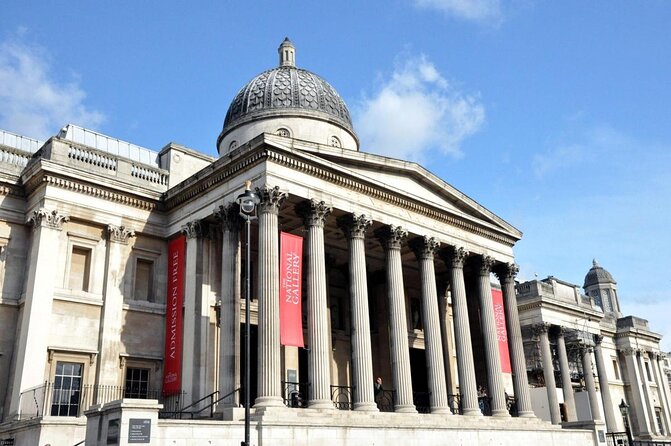
Small group art lessons beat wandering. This semi-private National Gallery tour cuts through the noise of Trafalgar Square and gives you a guided route through the museum’s biggest names and best backstories. You start at the Sainsbury Wing entrance, then move into the galleries with a guide who helps you see what you would normally miss.
I especially like two things: the guide-led art history that connects style and technique across centuries, and the way the pacing keeps a huge museum from feeling endless. When the tour works at its best, it feels like you’re learning how to read a painting, not just looking at one.
One consideration: it runs about 2.5 hours and it is not designed for wheelchairs, and security limits what you can bring (no large bags). If you need lots of mobility support or you’re traveling with bulky items, this may feel restrictive.
In This Review
- Key highlights worth planning for
- Why a Semi-Private National Gallery Tour Works Here
- Meeting at the Sainsbury Wing: faster start, real-world logistics
- Stop 1: The National Gallery route and what you’ll actually do
- What makes the guided path feel special
- Meet the highlights: the works you’ll likely hear about
- Pacing and group size: what it feels like at 2 hours 30 minutes
- Quiet rooms, room rules, and why you should plan to listen
- After the tour: how to use your remaining time well
- Price and value: is $108.49 worth it?
- Guide quality is the difference: examples from real guide styles
- Who should book this tour (and who should plan differently)
- Should you book this National Gallery semi-private tour?
- FAQ
- How long is the National Gallery semi-private museum tour?
- How many people are in the group?
- Where do we meet for the tour?
- Is the tour wheelchair accessible?
- What is included in the tour price?
- Are temporary exhibitions included?
Key highlights worth planning for
- Max 8 people, semi-private feel: small enough for questions without getting lost in the crowd.
- Start at the Sainsbury Wing (Trafalgar Square): you’re not guessing where to meet or how to enter.
- A timeline from early painting to late Impressionism: you get structure, not random wandering.
- Top guide energy and technique talk: names like Stephanie K, Becky, Alex, Jake, Matilda, Luis, Laurence, and Ellie show up repeatedly.
- You’re encouraged to stay after: finish your guided highlights, then continue at your own pace.
Why a Semi-Private National Gallery Tour Works Here
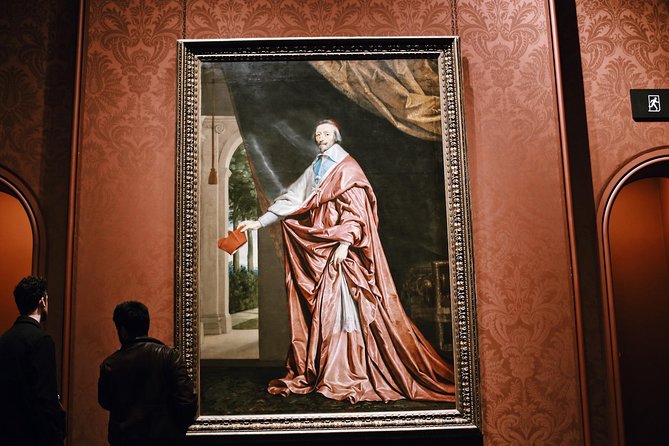
The National Gallery can feel like a great library where every book is a masterpiece. The problem is simple: with so much to see, you can end up staring at plaques, then drifting, then forgetting what you just saw. A small-group format fixes the main issue—time and attention.
With a maximum of eight in the group, you get the best parts of a guided visit: you hear the story, you can ask questions, and you don’t feel like you’re competing with a wall of tour buses. The tour also aims you toward the museum’s core highlights instead of letting you spin your wheels.
I also like that the tour treats paintings as evidence. Instead of just naming artists, the guide focuses on technique and why certain choices mattered—color, light, shadows, composition, and the bigger shift in style over time. That changes how you look once you’re standing in front of a work.
You can also read our reviews of more private tours in London
Meeting at the Sainsbury Wing: faster start, real-world logistics
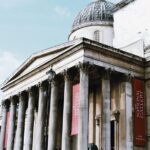
You meet at the National Gallery at Trafalgar Square, at the Sainsbury Wing entrance. That’s an advantage because it anchors you at the most recognizable landmark nearby, and it keeps the start straightforward even if you’re arriving from different subway or bus routes.
Plan to arrive a bit early. London museum security can slow things down, and the tour notes mention that some lines can form depending on security levels. Bring a mobile phone number with country code for the booking—this matters for the day-of communication flow.
The museum’s rules also matter. No large bags or suitcases inside; they ask for handbags or small thin bag packs through security. Dress appropriately for entry at some sites, and wear shoes that can handle indoor walking—this experience expects a moderate fitness level.
Stop 1: The National Gallery route and what you’ll actually do
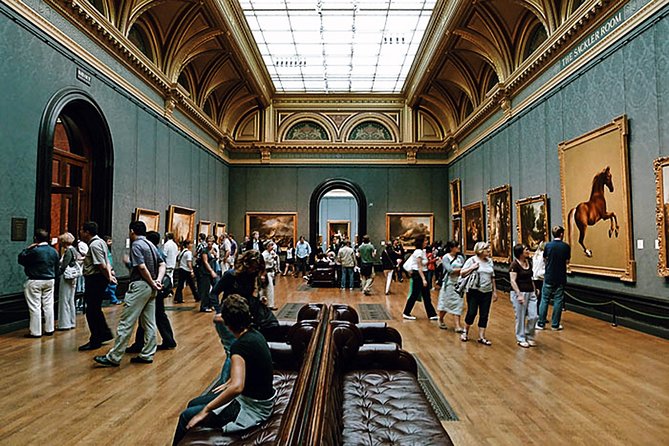
This tour is essentially one long, guided museum walk. You’ll start with a brief orientation: museum history and how the collection is organized, then you move into the galleries to hit the highlights with commentary as you go.
The route is built around a core idea: you’ve heard artist names, but you might not know how their paintings connect. The guide brings context by linking major painters and movements—so you can place what you’re seeing inside a timeline rather than treating each canvas like an isolated moment.
The National Gallery’s collection spans works from the 1300s through the 1900s, so the tour has to make choices. That’s where a guide earns their pay: they point out techniques and details you’d likely skip on your own, and they help you understand why certain works became milestones.
What makes the guided path feel special
Many galleries are “stand and listen.” This one tries to be more like “look and learn.” In practice, that means the guide spends time on small visual signals—how light is handled, how color is built, and how artists solved visual problems that look effortless until you study them.
For example, some guides are known for explaining how perception works in a painting—how shadows and color guide your eye, and how the image feels complete even when your brain is still doing part of the work. Other guides highlight the philosophical transitions from one period to the next, so Renaissance, Baroque, and Impressionism don’t feel like separate worlds.
Meet the highlights: the works you’ll likely hear about
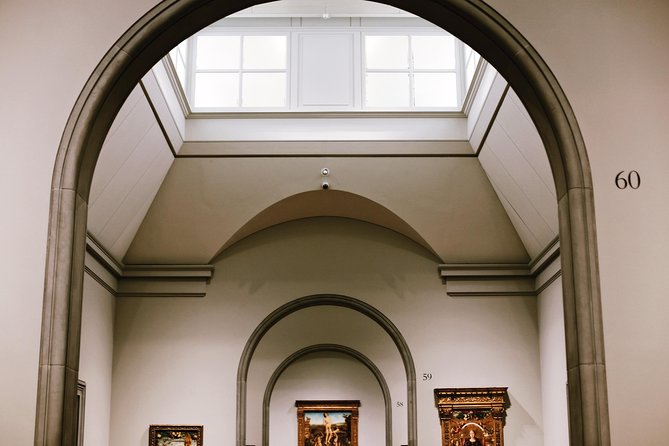
You can’t see everything in two and a half hours, but you can get a lot of the museum’s emotional and historical center. The tour is set up to guide you through masterpieces by artists including Van Gogh, Monet, Rembrandt, and more, with the guide choosing specific stops based on what’s currently emphasized.
Two works mentioned in the tour details are The Arnolfini Portrait by Jan van Eyck and Sunflowers by Vincent van Gogh. Those are perfect examples of why a guided visit helps: a painting like The Arnolfini Portrait is dense with visual clues, and a work like Sunflowers is richer when you understand the artistic choices and the era behind it.
You’ll also get stories tied to artists such as Botticelli, Vermeer, and Monet, plus references to big-name artists like Seurat and da Vinci as part of the broader “how art evolved” framing. If you care about technique, this tour is especially appealing because the guide focuses on how painters built what you’re seeing.
One more useful touch: the guide may incorporate a conversation style that fits the group. Most guides in this tour style are praised for being friendly, professional, and genuinely passionate, and many encourage questions. Still, if you have a single painting you’re laser-focused on, I’d go in ready to hear how the guide sequences the story, then do a follow-up visit after the tour to see any extra works you want.
You can also read our reviews of more museum experiences in London




Pacing and group size: what it feels like at 2 hours 30 minutes
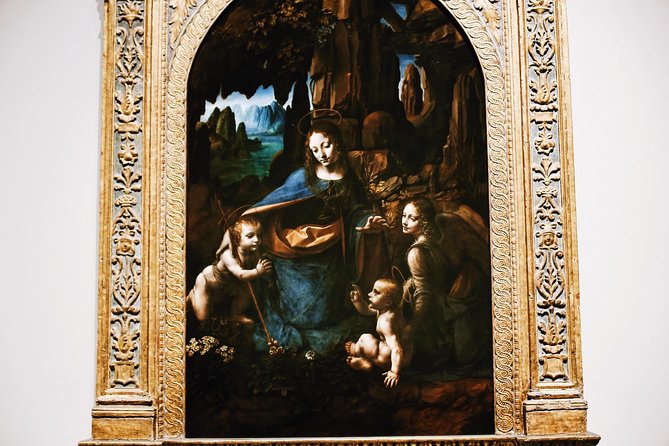
A 2.5-hour museum tour can be either perfect or too long—depending on the format. Here, the small group and guide talk are meant to keep things from turning into a slow shuffle.
The tour also avoids wasting time with random picture stops. Instead, the guide aims you at the highlights and uses a clear sequence so each painting connects to the next. Several guides known for strong structure—like Stephanie K and Alex—are described as threading eras together so the museum doesn’t feel like a list.
There’s also a practical reality: the museum is big, and indoor walking is part of the deal. Even if the tour never feels dull, you’ll still spend time moving between rooms, and you’ll want to stay present. If you’re sensitive to long periods on your feet, consider planning a lighter day before or after.
Quiet rooms, room rules, and why you should plan to listen
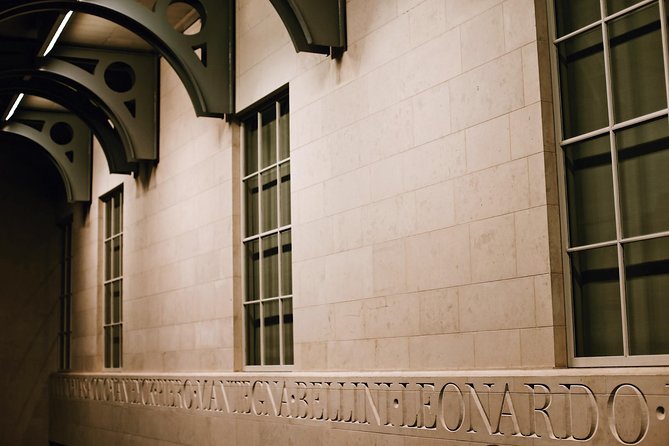
A smart detail in the tour notes: some rooms may be very quiet or have restrictions on speaking. Your guide will explain the rules before you enter those spaces.
This matters because it changes how you experience the museum. Some of the best viewing moments are not for chatting or reading every line slowly—they’re for taking in what’s in front of you while everyone else stays respectful. If you like museums that feel calm and attentive, those quiet-room moments can be a real plus.
After the tour: how to use your remaining time well
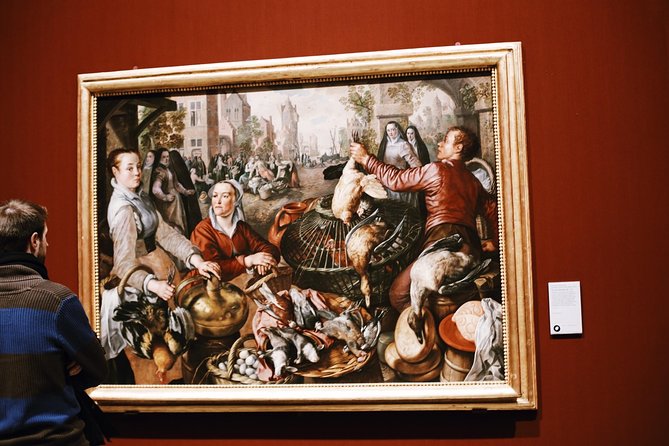
When the guided portion ends, you’re free to stay and browse the museum at your own pace. That’s a big part of the value because you can use the tour as your map, then switch to your own interests.
Here’s how I’d do it: after the tour, go straight to the artists and periods you got excited about during the walk. If the guide connected ideas across centuries, you’ll notice patterns faster on your own—how techniques change, how color choices shift, and how composition strategies repeat over time.
Also, don’t underestimate how much you can learn from re-looking. Once you know what to watch for, a second pass through a room can feel like a new museum. Even if you only add 30 to 60 minutes after the tour, it can turn “I saw highlights” into “I understood why they mattered.”
Price and value: is $108.49 worth it?
At $108.49 per person for a ~2.5-hour semi-private guided visit, you’re paying for two things: a guide who can explain art clearly, and a group size that stays small. In a museum like this, that combo usually beats paying for an audio app alone—because you’re asking questions and getting real-time interpretation.
Your money also buys focus. The route is not designed to cover the whole building; it’s designed to cover the most meaningful pieces and the most useful connections. If you have limited time in London, that’s exactly what you want.
If you want maximum flexibility and personal pacing, there’s also an upgrade to a private tour option. That’s a good fit if you’re traveling with family, you want to target specific artists, or you want a more tailored pace without a fixed group dynamic.
Guide quality is the difference: examples from real guide styles
This kind of tour rises or falls on the guide’s storytelling. From the guide names attached to this tour, the common thread is clear: people praise guides for explaining the development of painting across centuries and for making details feel understandable.
Some guides highlighted include:
- Stephanie K, praised for using an art-history degree style approach and for making a long tour feel never-ending.
- Becky, praised for explaining artists and styles clearly and for giving a strong overview of the main works.
- Alex and Jake, praised for organizing visits with chronological structure and for keeping the experience joyful and engaging.
- Matilda, Luis, and Laurence, praised for navigating key pieces and pointing out aspects that are easy to miss alone.
- Ellie, praised for energy and keeping information engaging from start to finish.
The takeaway for you: pick this tour if you want a teacher-like experience more than a picture-checklist. And if you’re hoping for a specific kind of art lesson—technical analysis vs. group discussion—know that guide personalities can shape the feel.
Who should book this tour (and who should plan differently)
This is a strong option if you:
- Want small-group structure in a museum that can overwhelm.
- Enjoy learning how to look at paintings—light, color, composition, and period shifts.
- Have limited time in London and want the National Gallery’s most important works explained well.
- Like asking questions and getting answers rather than reading labels at arm’s length.
It may not be the best choice if you:
- Need wheelchair access, since the tour is noted as not available for those using a wheelchair.
- Are traveling with large luggage (the museum security rules restrict bag size).
- Want a hyper-specific focus on one painting or one tiny corner of the museum. The tour covers “best-of” highlights and connections, so you’ll still want your own time afterward for your must-sees.
Should you book this National Gallery semi-private tour?
If you want the National Gallery to feel like a coherent story instead of a giant room of masterpieces, I think this is a smart booking. The max 8 size, guide-led explanations, and the chance to stay afterward create a strong value loop: learn first, then look again with better eyes.
I’d book it if you’re visiting for the first time or if you’ve visited before and want a new way to read the collection. Just go prepared for a steady walk, follow the museum’s bag rules, and plan a little extra time afterward so your favorite works get the attention they deserve.
FAQ
How long is the National Gallery semi-private museum tour?
It lasts about 2 hours 30 minutes.
How many people are in the group?
It is semi-private with a maximum of 8 guests.
Where do we meet for the tour?
You meet at the National Gallery, Trafalgar Square, London WC2N 5DN, at the Sainsbury Wing entrance.
Is the tour wheelchair accessible?
No. The tour is not available for those with walking disabilities or using a wheelchair.
What is included in the tour price?
The tour includes a semi-private museum tour with a professional guide for about 2.5 hours.
Are temporary exhibitions included?
Temporary exhibitions are not included.