REVIEW · BORDEAUX
Bordeaux: Wine and Trade Museum Entry Ticket & Wine Tasting
Book on GetYourGuide →Operated by Musée du Vin et du Négoce de Bordeaux · Bookable on GetYourGuide
Wine in Bordeaux has a paper trail. This visit turns the lights on behind the labels, in a museum set in the former residence of Louis XV’s royal broker—where you learn how trade, storage, and winemaking shaped what got bottled and sold. I like that the experience mixes atmospheric cellars with an actual, hosted tasting at the end, so you leave with both context and taste.
Two things I really like: you get to move through the museum at your own pace using a paper guide or audio guide, and the cellar portion gives you a tangible look at barrel-aging practices. One thing to consider: the museum time is self-guided, so if you want a fully guided walkthrough of every room, this may feel more structured at the tasting than during the museum itself.
In This Review
- Key Highlights Worth Showing Up For
- Entering the Bordeaux Wine and Trade Museum in a Former Royal Broker’s Home
- Vaulted Cellars from the 1720s: How Wine Was Stored and Sold
- Self-Paced Museum Time with Paper and Audio Guides
- The Bordeaux Vineyards Presentation: AOC, Terroir, and Grape Choices
- Guided Tasting of Two Local Wines with Classic Bordeaux Treats
- Price, Group Size, and Language Coverage: Is It Good Value?
- What You’ll Learn (Even If You’re Not a Wine Expert)
- Who This Experience Fits Best (and Who Might Want More)
- Should You Book This Bordeaux Wine and Trade Museum Ticket?
- FAQ
- How long does the experience take?
- What’s included with the ticket?
- Is there a guided tour of the museum?
- What are the tasting items and pairings?
- What languages are available?
- What should I know about booking and cancellation?
Key Highlights Worth Showing Up For
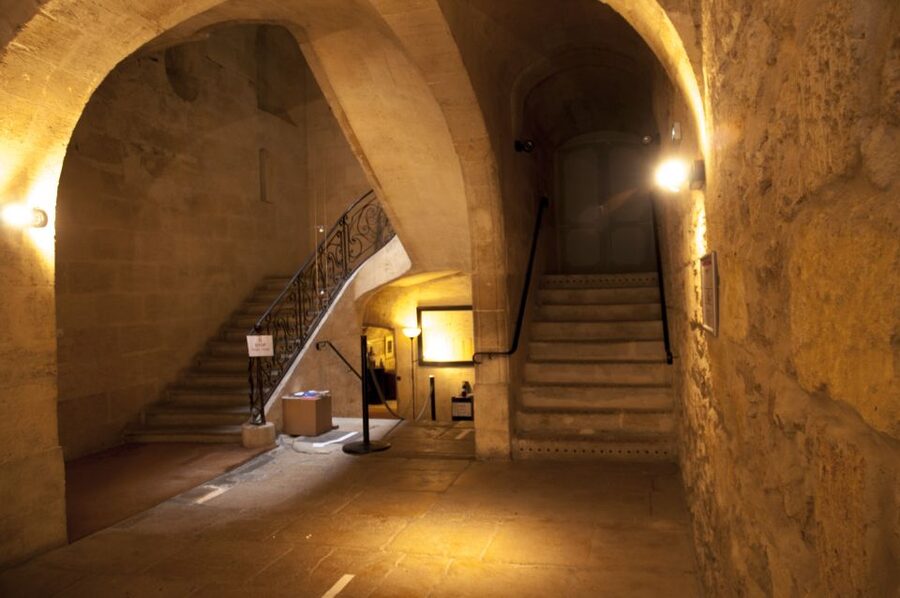
- Two centuries-spanning cellars you can walk through using the included guide
- Paper or audio guide in multiple languages, so you can set your own pace
- Bordeaux vineyards presentation explaining AOC, terroir, grape varieties, and regional classifications
- Guided tasting of in-house local wines paired with Bordeaux classics
- Traditional barrel aging atmosphere in vaulted spaces dating to around 1720
Entering the Bordeaux Wine and Trade Museum in a Former Royal Broker’s Home
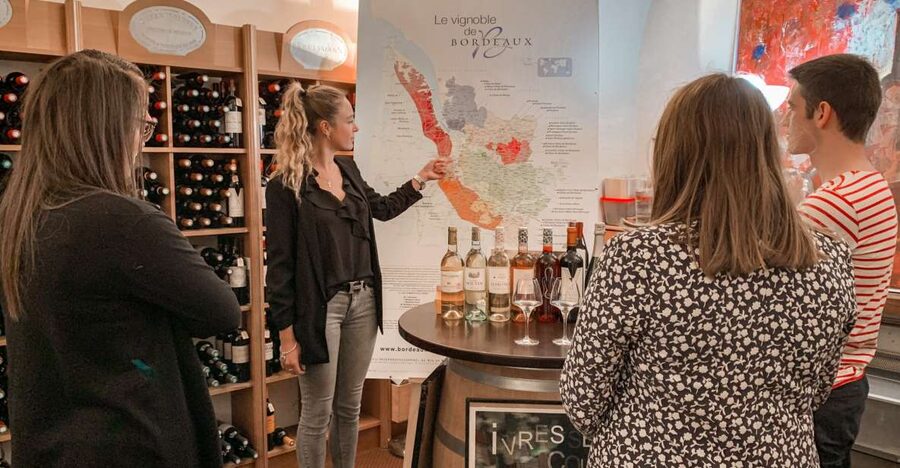
The Bordeaux Wine and Trade Museum does a clever thing right from the start: it grounds wine history in the world of merchants. Instead of treating wine like an isolated art project, it frames Bordeaux wine as a business built on knowledge, storage, and distribution. You’re walking into a place tied to the royal trade system—then you watch how that mindset shaped the region’s reputation.
What I like about that approach is how it changes your perspective. You stop seeing wine as just a product and start seeing it as a chain: vineyards → selection of grapes → classification → aging → selling. And when the museum puts you in older cellar spaces afterward, the story doesn’t feel abstract.
If you’re the type who enjoys learning the “how it works” side of travel, you’ll likely enjoy the tone here: practical, historical, and focused on what made Bordeaux wine travel farther than local taverns.
A few more Bordeaux tours and experiences worth a look

Vaulted Cellars from the 1720s: How Wine Was Stored and Sold
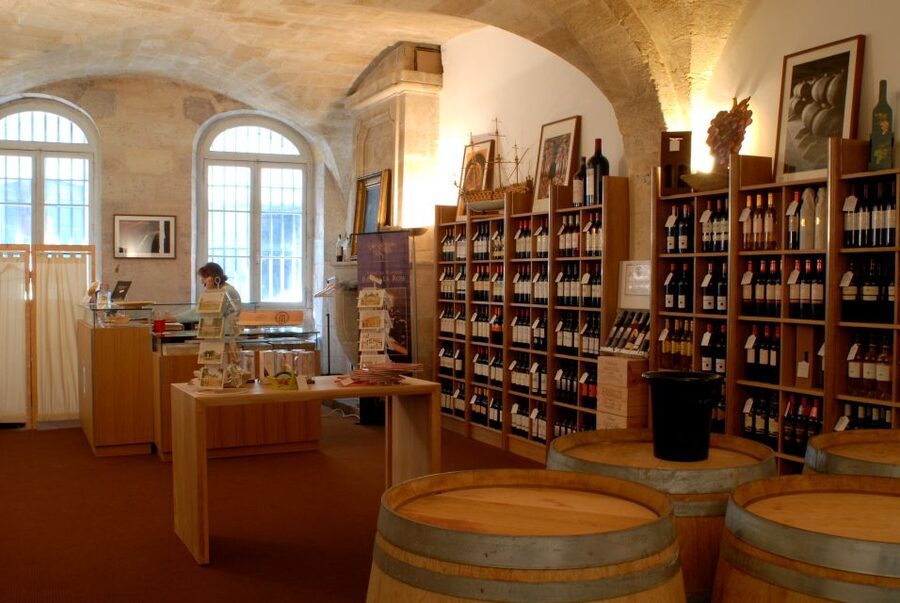
The museum’s standout mood comes from its vaulted cellars, dating to around 1720. These aren’t modern “wine rooms” dressed for photos. They show how aging happened when barrels were the technology that mattered most—and how the work of coopers (barrel makers) supported the whole system.
In plain terms, this is where the idea of terroir meets the reality of time. Grape character matters, but so do the choices made after harvest: barrel aging, storage methods, and the practical requirements of wine merchants. The cellars help you understand why Bordeaux became famous for consistency and long-term quality.
A small tip: don’t rush the cellar walk just to tick it off. The pace is set up for you to take a slow look at how the space is organized and how that would influence storing wine. If you like atmosphere as much as information, these cellars do the job.
Self-Paced Museum Time with Paper and Audio Guides
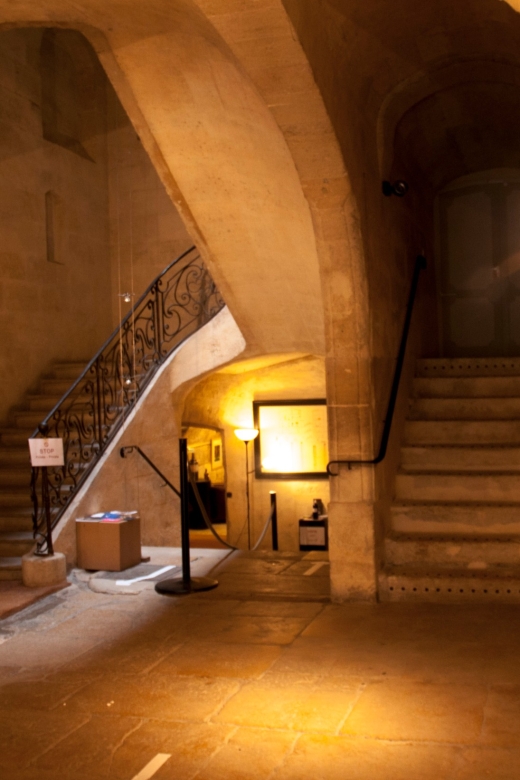
You’ll explore the museum on your own, using either a paper guidebook or an audio guide available in multiple languages. That’s one of the best features of this ticket style: you can read what you want, listen when you want, and linger in the spots that catch your attention.
I also like the flexibility of the language options. The host or greeter lineup covers many languages, including English, German, Dutch, Italian, Spanish, Portuguese, French, and several others. Even if your French isn’t strong, you still have a path to understanding without guessing.
One drawback to keep in mind: the museum portion is not a fully guided tour. You’ll get help and interpretation through the guides, but you won’t have someone standing with you explaining every room in real time. If you prefer constant narration, plan to spend a bit more time with the audio rather than skimming.
The Bordeaux Vineyards Presentation: AOC, Terroir, and Grape Choices
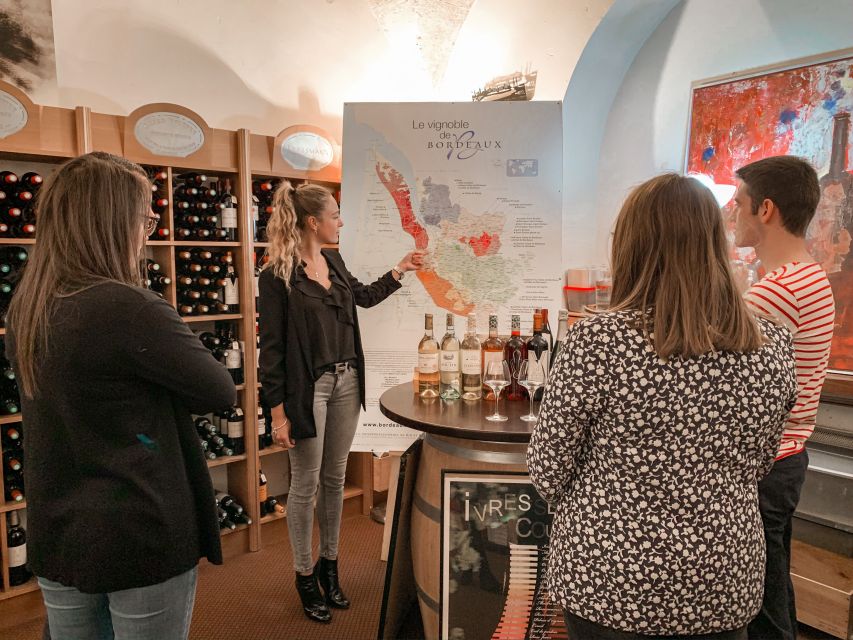
After the self-paced exploration, the experience shifts gears with a dedicated presentation about the Bordeaux vineyards. This is where you connect the museum’s trade and storage story to what’s happening in the vineyard—how grape varieties, appellations, and environment combine into what Bordeaux sells as a recognizable style.
You’ll hear key concepts like:
- AOC (appellations d’origine contrôlée)
- terroir
- regional classifications
- how grape varieties are part of the regional identity
I love this part because it keeps the wine education practical. Instead of throwing around big wine terms and hoping it sticks, it ties them to the region’s structure. That means when you taste later, you have a framework for why the wines might taste the way they do.
A quick way to get more from the presentation: take notes on the grape variety names and the AOC terms they mention. Even a few lines will help you make sense of what you taste during the tasting portion.
Guided Tasting of Two Local Wines with Classic Bordeaux Treats
The tasting is the payoff: a guided session with two in-house selected local wines, paired with Bordeaux snacks. This is where the museum’s history turns into something you can actually compare on your palate.
The pairing includes:
- raisins dorés (chocolate-coated raisins)
- canelés de Bordeaux, described as a rum-soaked French pastry
This kind of pairing is more than a sweet bonus. Chocolate-coated raisins bring a deep, slightly bitter-sweet note that can make certain wine flavors feel brighter or more structured. Canelés, with their caramelized surface and rum-inflected character, can add spice-like warmth that helps you notice acidity, texture, and aroma more clearly.
One consideration: while the tasting is presented as two wines, you may find the experience can vary in how many pours you get. In practice, some groups have reported an extra wine on the tasting side. Treat the core expectation as two guided wines, but don’t be shocked if you see more.
If you’re new to wine tasting, use the guide’s structure. Don’t try to “win” at wine vocabulary. Focus on three things: aroma, taste impression (sweetness/acidity), and the finish (how long the flavor holds). After that, the rest gets easier fast.
Price, Group Size, and Language Coverage: Is It Good Value?
At about $14 per person for a one-day experience, this is strong value—especially because you’re not just buying admission. You’re paying for museum access plus a hosted vineyards presentation and a guided tasting with local pairings. For a wine-and-culture day in Bordeaux, that’s a lot of time on-site without the cost jumping into full-day tour territory.
The group size is small, limited to 9 participants. That matters more than it sounds. A small group means the tasting doesn’t feel rushed, and the presentation tends to stay conversational rather than lecture-like.
Language support also adds value. With audio available in many languages and a multilingual host/greeter lineup, you’re less likely to feel lost in a museum that’s heavy on context. For solo travelers, this reduces the risk of “I’m here, but I’m not really following.”
One more practical point: you’ll need to check starting times when you reserve, since the experience is valid for one day and depends on availability. Prebooking is the smart move so you can plan the rest of your Bordeaux day around it.
What You’ll Learn (Even If You’re Not a Wine Expert)
This ticket is great for wine beginners because it gives you a map. You learn the region’s identity through three lenses:
- trade and merchants (how Bordeaux gained international prestige)
- cellar aging (how wine was handled and stored)
- vineyard classification (AOC, terroir, and grape choices)
That structure helps you avoid the common problem where wine experiences teach tasting only, or teach history only. Here, the education is timed so you taste right after you understand the logic behind Bordeaux classifications.
And the cellars add a sensory shortcut. When you stand in an older barrel-aging space, you don’t need to imagine how wine matured—you feel the “why” behind the aging tradition.
Who This Experience Fits Best (and Who Might Want More)
This is a good match if you:
- like museum time that isn’t frantic
- want a wine introduction that doesn’t require prior knowledge
- enjoy Bordeaux culture beyond just the city’s famous landmarks
- want a structured tasting with food pairings
You might want something else if you:
- are looking for a full guided walkthrough of every museum room
- want a larger tasting menu or a deeper comparison across multiple appellations in one sitting
But even then, as an add-on to a Bordeaux itinerary, it works well. It’s compact, focused, and easy to fit into a wine day without taking over your whole schedule.
Should You Book This Bordeaux Wine and Trade Museum Ticket?
I’d book it if you want a clear, enjoyable winemaking-and-trade story that ends with a real tasting. The combination of self-guided museum exploring plus a guided vineyards presentation and tasting is a strong format for getting value without feeling dragged around.
Book it especially if:
- you want audio or paper guidance so you can control your pace
- you’re curious about Bordeaux’s AOC and terroir concepts but don’t want a wine-school lecture
- you like small-group experiences (max 9)
Pass or consider a different option if you’re only interested in a fully guided, room-by-room narrative during the museum itself.
FAQ
How long does the experience take?
It’s listed as a 1-day activity.
What’s included with the ticket?
You get the Bordeaux Wine and Trade Museum entry ticket, a paper guidebook, a Bordeaux vineyards presentation, a guided tasting of two local wines, and raisins dorés.
Is there a guided tour of the museum?
No. The museum visit is self-paced using the included paper guide and/or the audio guide.
What are the tasting items and pairings?
The tasting includes two in-house selected local wines paired with local treats, including raisins dorés and canelés de Bordeaux (rum-soaked pastry).
What languages are available?
The experience is available in multiple languages, including French, Portuguese, Spanish, Russian, Korean, Chinese, Japanese, Italian, English, German, and Dutch.
What should I know about booking and cancellation?
You can pre-book your entry ticket, and it’s offered with free cancellation up to 24 hours in advance for a full refund. You may also see a reserve now & pay later option depending on availability.
If you tell me what day you’re in Bordeaux and what else you plan to do (other wineries, food stops, or museums), I can help you plug this into a smart order.