
REVIEW · LISBON
Lisbon: National Tile Museum E-Ticket & Audio Guide
Book on GetYourGuide →Operated by Clio Muse Tours Portugal · Bookable on GetYourGuide
Tiles in Lisbon tell stories you can follow room by room. The National Tile Museum pairs e-ticket convenience with an English audio guide on your phone, so you’re not just staring at pretty walls—you’re learning how Portuguese tile-making evolved and why certain designs matter. You’ll get standout moments like the Mickey Mouse tile panel and the Dona Leonor Chapel, explained in plain language.
I especially like the hassle-free entry: your ticket arrives by email and you can walk right in using the skip-the-line service. I also like that the guide is built for your pace—offline audio, text, and maps are included, so you can replay sections as many times as you want.
One thing to consider: the audio can feel slightly out of sync with how you move through the rooms. If you prefer a very linear walk, you may have to jump ahead in the app rather than start at the beginning and follow in order.
In This Review
- Key takeaways before you go
- National Tile Museum Lisbon: why phone audio beats a quick glance
- Entering fast with the e-ticket: what you do on arrival
- Using the audio guide inside: how to make it feel smooth
- What you’ll see: the “wow” tile moments (and what to watch for)
- The 16th-century tile focus
- Mickey Mouse tile panel
- The diamond-pattern panel
- Mudéjar-patterned tiles
- Dona Leonor Chapel: a high-reward stop for your phone
- Courtyard breaks and museum pacing in a 1–2 hour visit
- Price and value: is $16 worth it?
- Small group size: what “up to 10 participants” really means
- Who should book this National Tile Museum audio-ticket?
- FAQ
- FAQ
- How long is the National Tile Museum visit with this audio guide?
- What language is the audio guide in?
- Do I get a live guide with this ticket?
- Do I need my own headphones?
- How do I access my ticket and audio guide?
- Is the audio guide available offline?
- Is the museum accessible for wheelchair users?
- Should you book this National Tile Museum E-Ticket & Audio Guide?
Key takeaways before you go

Skip-the-line with an e-ticket so you’re not standing around waiting to enter.
Offline audio, text, and maps mean you can keep going even with spotty phone service.
Big tile moments include the Mickey Mouse panel, a diamond-pattern panel, and Mudéjar-style designs.
Dona Leonor Chapel is a must-stop, and the audio helps you understand what you’re seeing.
Smartphone-based guidance works best with the right device and enough storage space.
National Tile Museum Lisbon: why phone audio beats a quick glance
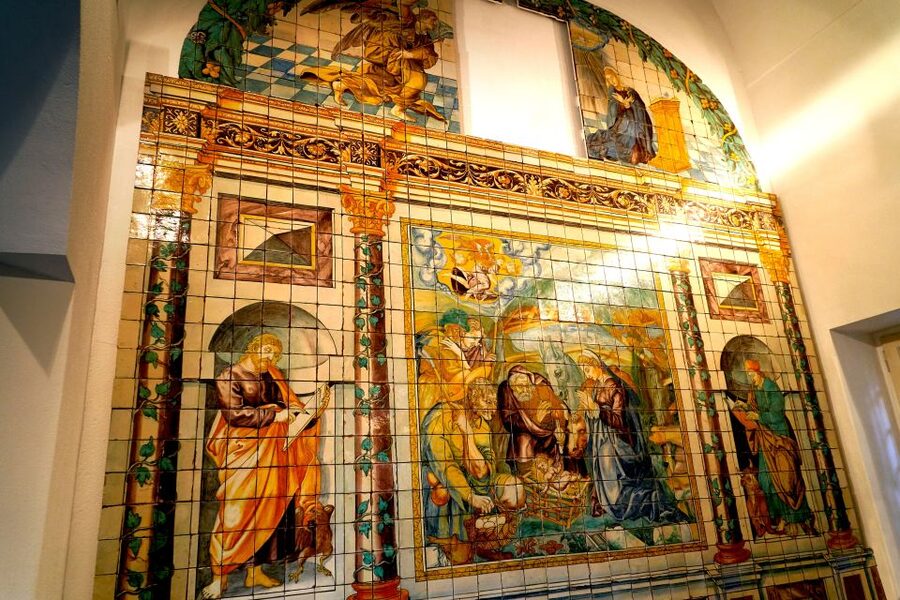
The National Tile Museum is exactly what it sounds like: Portugal’s history told through azulejos (painted ceramic tiles). What makes it more fun than a standard art museum visit is how the tiles work like chapters. Instead of one big hall of eye candy, you get rooms and details that connect to a bigger story—trade, craftsmanship, religion, and everyday life.
With this ticket, you’re not relying on a printed guide or your memory of museum labels. The smartphone audio guide is designed to run alongside what you’re looking at. And because it’s offline (audio + text + maps), you can keep your head up and actually enjoy the place rather than constantly checking your connection.
The best part is that it’s realistic. This isn’t a performance that rushes you forward. The experience is meant for a 1–2 hour window, at your pace. If you want to linger on one specific panel, you can.
A few more Lisbon tours and experiences worth a look



Entering fast with the e-ticket: what you do on arrival
This is one of those Lisbon activities where the logistics matter, because museum queues can be real. The ticket includes skip-the-line service, plus your entry ticket is delivered by email. Before you go, check your inbox and also your spam folder—this is where the access instructions land.
Once you’re there, the experience is designed for you to start quickly: you download the app and the audio guide content on your phone, then you walk in. The course of the visit may be modified by on-site museum flow, so be ready for slight changes in how you move from room to room.
Two practical details you’ll want to plan for:
- You need a compatible Android (5.0+) or iOS smartphone. Some older iPhones, iPads, iPods, and Windows Phones are not supported.
- Plan for about 100 to 150 MB of storage to load the audio guide content.
Also note a small but important setup rule: you book per device you’ll use, not per participant. If you’re traveling as a group with one phone, the setup may not be what you expect.
Using the audio guide inside: how to make it feel smooth
The audio guide is included and is listed as English. It’s built for self-paced browsing—so you can listen, pause, and replay. That flexibility is great when you’re the type who reads one detail and then accidentally spends ten minutes looking at the tiny stuff.
That said, the experience depends on how your phone guides you through the rooms. Some people find it easier than others, and one repeated issue is that the audio may not match the order you naturally walk. If you hit a spot where you’re ahead or behind, you don’t have to abandon the guide. The idea is that you can advance within the app to the room you’re in, instead of trying to force a perfect start-to-finish route.
If your plan is to move quickly, I’d treat the audio like optional context rather than a rigid script. Let it help you notice what you’d otherwise miss: patterns, historical references, and why specific panels exist.
One more point: headphones aren’t included. So bring your own. If you forget, you’ll still see the museum, but you’ll lose the experience design you paid for.
What you’ll see: the “wow” tile moments (and what to watch for)

This museum’s standout advantage is that it doesn’t just show tiles—it highlights signature designs and explains what’s behind them. The experience leans into a few big visual hooks, and they’re worth planning around.
The 16th-century tile focus
You’ll spend time with a 16th-century tile as part of the storytelling. This matters because it anchors you in time: you’re not only admiring craftsmanship, you’re learning how tile work fit into Portuguese life as styles changed. Listen here for how tiles functioned beyond decoration—often tied to place, status, and cultural influence.
You can also read our reviews of more guided tours in Lisbon

Mickey Mouse tile panel
Yes, there’s a Mickey Mouse tile panel. It sounds like a gimmick, but it’s actually a useful reminder of how tiles evolved through modern design and changing tastes. When the guide connects this panel to the broader history, it helps you see the museum as living culture, not a sealed-off old building.
The diamond-pattern panel
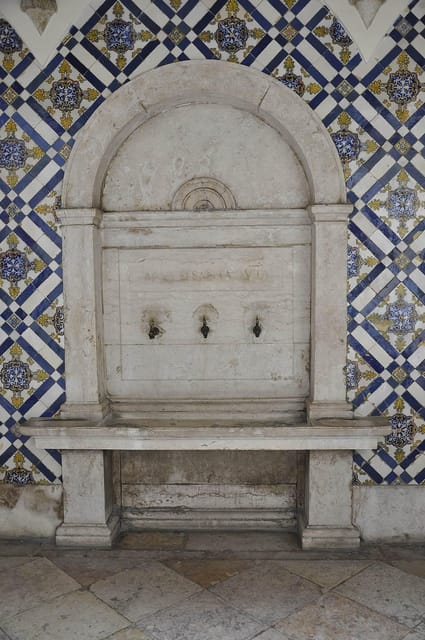
You’ll also run into a diamond-patterned panel. Patterns like this are where you learn to read tiles like design language. Pay attention to how the repetition and geometry create rhythm across a wall—especially once the audio starts explaining why certain looks became popular.
Mudéjar-patterned tiles
Mudéjar designs are another key stop. The museum uses this to show how Portuguese tile traditions absorbed outside influences and then transformed them locally. When you hear the audio context here, it’s easier to notice motifs you might otherwise miss—because you’re no longer looking randomly. You’re looking with a purpose.
Dona Leonor Chapel: a high-reward stop for your phone
If you’re choosing where to spend your attention, put your energy into the Dona Leonor Chapel. This is one of the places where tiles become architecture, not just artwork. The audio guide helps you connect what you see with what it meant in the period the museum is drawing from.
Chapel spaces also tend to reward slower viewing. If you’re moving fast, you might pass details too quickly. If you have time for one “stop and really look” moment, make it here.
Courtyard breaks and museum pacing in a 1–2 hour visit

This experience is designed for 1 to 2 hours, and that timeframe feels right for this kind of museum. You can do it quickly—especially if you mostly want the tiles and a bit of context. Or you can do it in a more thoughtful way, if you pause on panels and let the audio guide pull you into the story behind them.
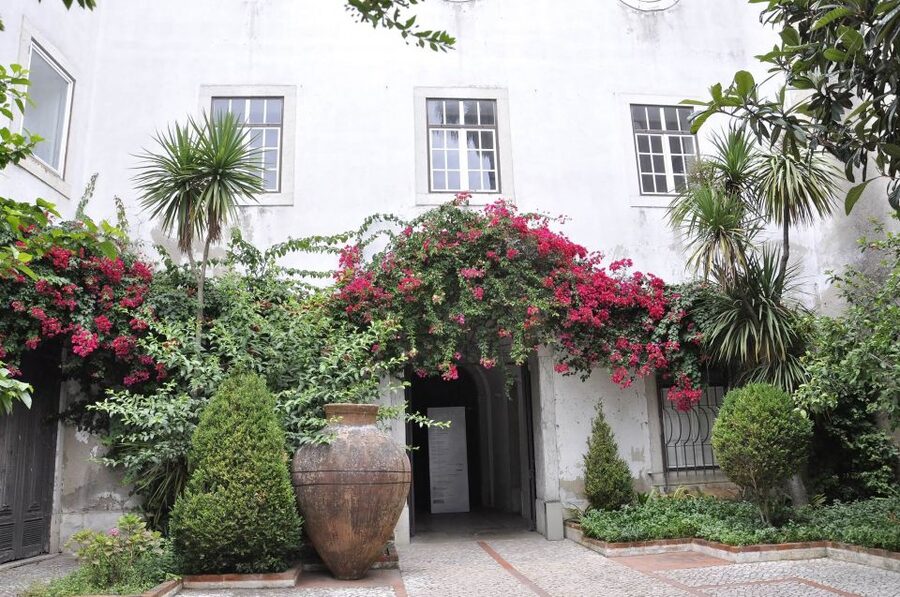
There’s also a chance to recharge after tile time. The museum includes a cafeteria and a pretty garden area with tables and chairs, which can be a nice reset if you’re planning a longer day in Lisbon. It’s not part of the guided narrative, but it’s a useful practical add-on when you’re doing several sights back-to-back.
One pacing tip: if you’re struggling with the audio order, use your phone to jump to the room you’re standing in. That keeps the visit coherent and prevents the most common frustration: feeling like you’re stuck listening to a section that doesn’t match your location.
Price and value: is $16 worth it?
At around $16 per person, the value depends on what you want from the museum.
Here’s what you get for that price:
- National Tile Museum entry (adult ticket)
- Skip-the-line service
- A smartphone audio guide in English
- Offline text, audio narration, and maps
That bundle is usually worth it if you:
- Enjoy learning while you look
- Like guided structure but still want to move at your own pace
- Don’t want to carry or rely on printed materials
It may be less worth it if you:
- Prefer reading only wall labels and skipping audio
- Don’t have working headphones
- Know you won’t use your phone in museums
My practical take: this ticket makes sense when you treat the audio as part of the ticket, not an optional add-on. If you’re going to listen fully, you’ll feel like you got your money’s worth fast.
Small group size: what “up to 10 participants” really means
This is listed as a small group with a limit of 10. Even though it’s self-paced, that small size tends to keep the visit from feeling chaotic. It’s also helpful if you arrive during busier windows and want a smoother entry experience.
The flip side is that you still won’t get a live guide. This package is built around the smartphone audio, not a person leading you in real time.
Who should book this National Tile Museum audio-ticket?
I’d steer you toward this ticket if you match at least a couple of these:
- You want an art and history museum, but with clear guidance
- You like Portuguese culture and want to understand how tile-making developed
- You’re the type who notices details (patterns, motifs, panel themes) and wants stories attached
- You can commit to using your phone offline
It’s also a solid choice if you’re traveling with limited time. With 1–2 hours, you can fit it without turning your day into a logistics puzzle.
If you’re traveling with kids: entrance is listed as free for children up to 12 years old, though skip-the-line privileges don’t apply to free/reduced tickets, and those need to be acquired on-site. So for families, it’s worth thinking about what’s important: saving money vs. saving time.
FAQ
FAQ
How long is the National Tile Museum visit with this audio guide?
The experience is listed as 1–2 hours, and you can check availability to see starting times.
What language is the audio guide in?
The audio guide is included in English.
Do I get a live guide with this ticket?
No. This includes a smartphone audio guide, but it does not include a live guide.
Do I need my own headphones?
Yes. Smartphone audio guide is included, but headphones (and the smartphone itself) are not included.
How do I access my ticket and audio guide?
You receive an email after booking with instructions to access and download the audio guide. Be sure to check your email spam folder.
Is the audio guide available offline?
Yes. The package includes offline content: text, audio narration, and maps.
Is the museum accessible for wheelchair users?
The museum is listed as wheelchair accessible.
Should you book this National Tile Museum E-Ticket & Audio Guide?
I’d book it if you want the museum to feel like a guided experience without a strict schedule. The combo of skip-the-line entry and an offline English audio guide with maps is the core reason this works—especially if you like understanding what you’re seeing as you walk.
Skip booking only if you already plan to read wall labels exclusively, or if you can’t use your smartphone setup (compatibility, storage, and headphones). If your phone is ready and you’re happy listening, this is a good value way to see Lisbon’s tile culture beyond the surface.