REVIEW · MELBOURNE
Melbourne: Melbourne Museum Entry Ticket
Book on GetYourGuide →Operated by Museums Victoria · Bookable on GetYourGuide
Dinosaurs and living trees in one museum. With a pre-booked ticket, you get straight into Melbourne Museum to explore Victoria’s natural world, science, and cultural history, with Horridus as the big attention-grabber.
I especially like how the museum balances jaw-dropping fossils with everyday learning, so the experience isn’t just about big bones—it’s about how Victoria works. And I really enjoy the Bunjilaka Aboriginal Cultural Centre, where the story of Country and living knowledge is right at the heart of the visit.
One catch: you’ll need time. Plan on at least 3 hours, and if you try to rush, you’ll miss the calm, thoughtful sections as well as the galleries.
In This Review
- Key highlights you should plan around
- Melbourne Museum Entry: What $12 Buys You in Real Time
- How to Use Your Day: Timing and a Simple Route That Works
- Forest Gallery: Tall Trees, Wildlife Themes, and a Great Pace Setter
- Science and Life Gallery: Bugs, Dinosaurs, Fossils, and Biology
- Horridus and the Triceratops Fossil: The Two Fossils You’ll Remember
- Horridus: A very complete real dinosaur fossil
- The Triceratops fossil: Late Cretaceous, Montana, and deep burial
- Melbourne Gallery and Phar Lap’s Stable: The City’s Story in Museum Form
- Bunjilaka Aboriginal Cultural Centre: A Thoughtful Must-Do
- Children’s Gallery: Fun Learning for Little Ones
- IMAX Is Not Included: Don’t Let This Trip You Up
- Price and Value: Is $12 a Good Deal?
- Practical Notes That Actually Matter
- Should You Book the Melbourne Museum Entry Ticket?
- FAQ
- How much does the Melbourne Museum entry ticket cost?
- How long should I plan to spend inside the museum?
- Where should I go to start the visit?
- Is the IMAX Melbourne show included with this ticket?
- What should I bring?
- Is this experience wheelchair accessible?
Key highlights you should plan around
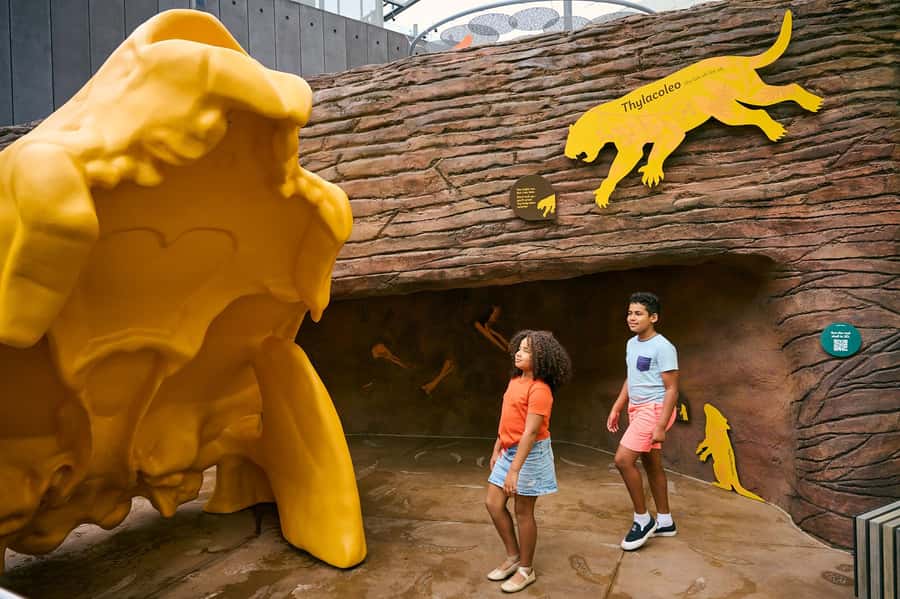
- Horridus fossil (87% real bones): a very complete real dinosaur fossil, and a major draw in Australasia
- Triceratops fossil (late Cretaceous): from Montana, buried under about 3.5 meters of sandstone
- Forest Gallery: tall trees and real wildlife themes that set the pace of the museum
- Bunjilaka Aboriginal Cultural Centre: Koori and other Australian cultural knowledge presented with care
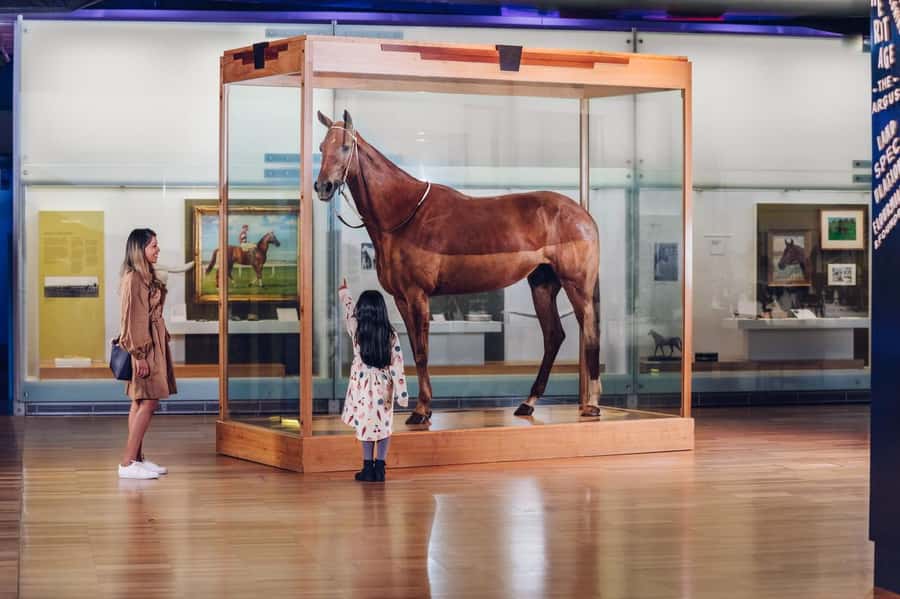
- Phar Lap’s stable: the famous racehorse is part of Melbourne’s story inside the museum
- Children’s Gallery: a separate, kid-friendly space for learning through play
Melbourne Museum Entry: What $12 Buys You in Real Time
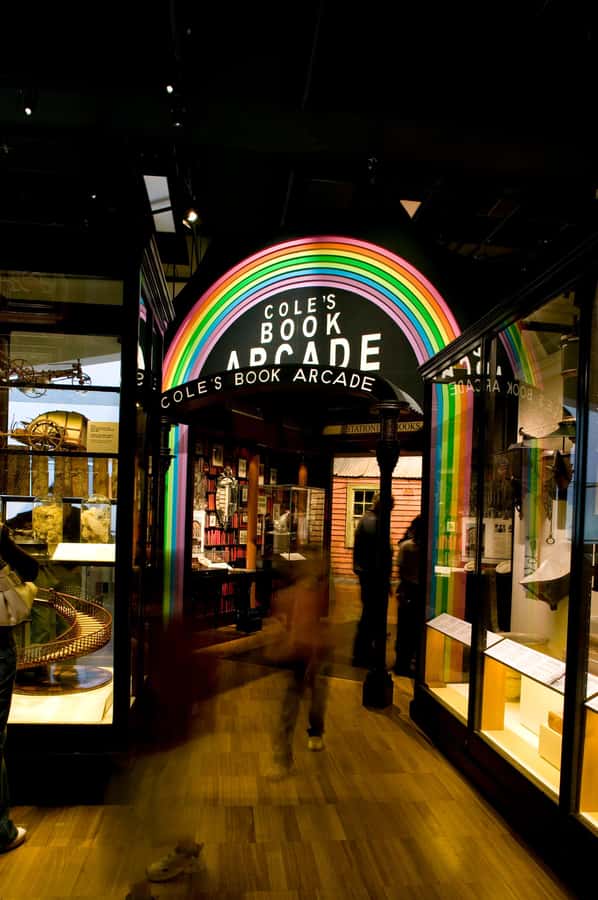
For $12 per person, this ticket is a smart way to spend a day in Melbourne without paying for transport hassles or timed tours you might not need. It’s museum entry, plain and simple, which is exactly why it works: you can go at your own speed and decide how hard you want to chase fossils, culture, or hands-on science.
I also like the structure of Melbourne Museum once you’re inside. Instead of feeling like one long hallway, it’s divided into major areas—Forest Gallery, Science and Life Gallery, Melbourne Gallery—plus the Children’s Gallery and the Bunjilaka Aboriginal Cultural Centre. That layout makes it easy to plan a route in under 10 minutes, even if you’re arriving with zero “museum strategy.”
And because it’s a pre-booked ticket, you’re not stuck figuring out entry lines on the spot. Just arrive directly at Melbourne Museum and get in.
You can also read our reviews of more tours and experiences in Melbourne.
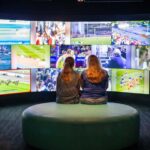

How to Use Your Day: Timing and a Simple Route That Works
The museum advises at least 3 hours for a full experience, and I agree with that rule of thumb. If you have the time, a 4–5 hour visit is a sweet spot, because you’ll naturally slow down in the galleries that catch your eye. If you only have a short window, go straight to the dinosaur fossils and the Aboriginal cultural centre first, then fill in the rest.
A practical route that fits the museum’s flow:
- Start in the Forest Gallery, since it sets a “living environment” mood.
- Move into the Science and Life Gallery for fossils, bugs, and biology themes.
- Head toward the Melbourne Gallery for the city story (and Phar Lap’s stable).
- Add Bunjilaka Aboriginal Cultural Centre next, because it benefits from a calmer pace.
- If you’re traveling with kids, cap with the Children’s Gallery.
You can reverse this order, of course. The main point is to avoid the mistake of wandering randomly until you run out of time.
Forest Gallery: Tall Trees, Wildlife Themes, and a Great Pace Setter
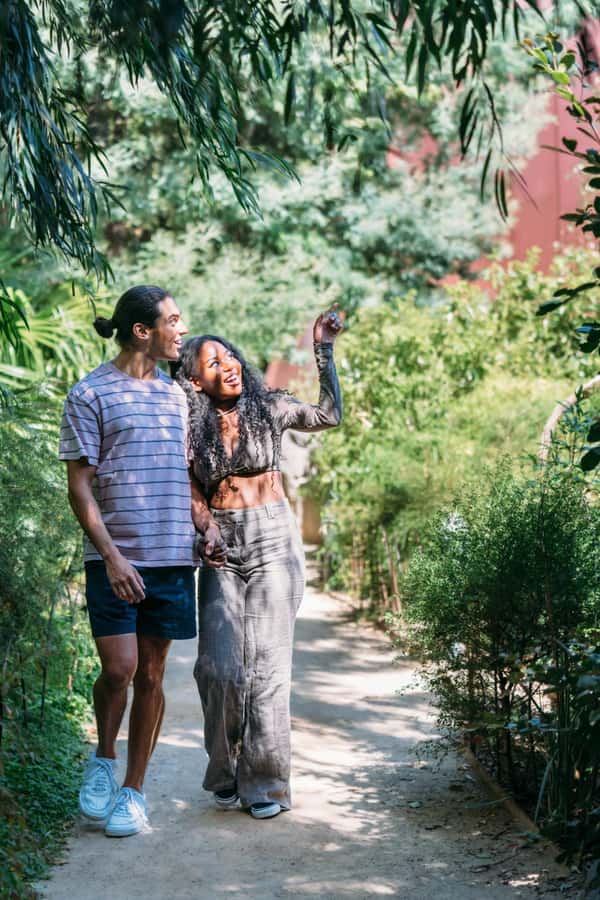
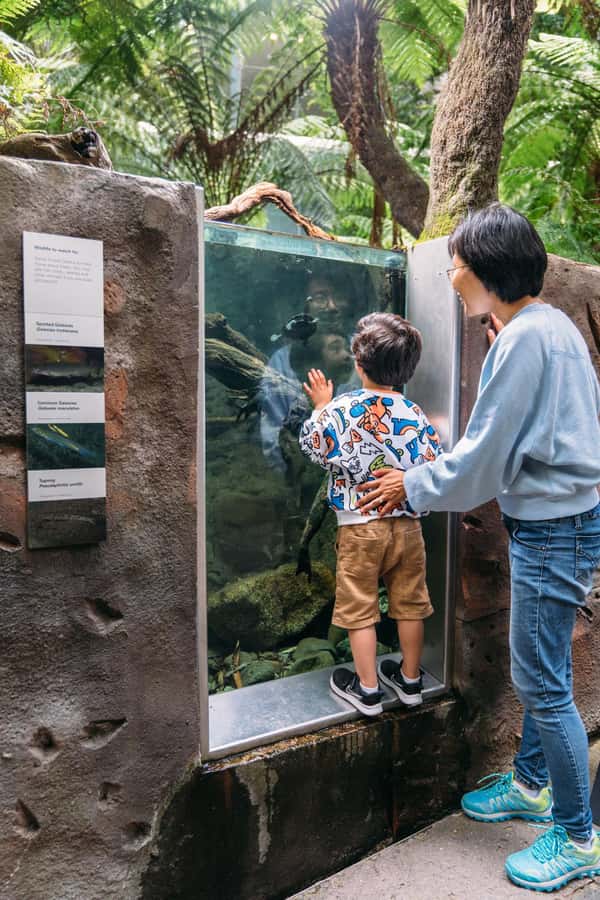
The Forest Gallery is often the part that changes how you feel about the museum. It’s described as the living heart of the museum, with tall trees and wondrous wildlife, and that matters because it gives you a visual reset between the more intense science sections and the cultural areas.
Why I’d put it early: it’s easier to enjoy when you’re fresh. The Forest Gallery can help you get oriented—where you are, how the museum spaces feel, and how long you want to spend in each major room. It also keeps the visit from becoming only “look and read” the whole time.
What to do here: don’t rush past the big views. Spend a few extra minutes just watching how the gallery is staged. Even if you’re not a “nature person,” this one helps you understand the museum’s bigger idea: Victoria’s environment isn’t separate from its culture and history.
Science and Life Gallery: Bugs, Dinosaurs, Fossils, and Biology
At the west end, the Science and Life Gallery is where the museum leans into hands-on learning energy. You’ll encounter themes that range from bugs and dinosaurs to fossils and human biology.
I like this gallery because it gives you variety without forcing you to jump between unrelated topics. It’s all connected by the same question: how living things work, how they change, and how we study them.
A helpful tip for planning: if you’re most interested in fossils, you may naturally spend extra time here. If you’re more into people and science, you’ll still find plenty to read and compare in the biology parts. Either way, this is where you’ll feel the museum doing the most educational work.
Horridus and the Triceratops Fossil: The Two Fossils You’ll Remember

If you’re coming for dinosaur power, you’re not wrong to focus your day around the fossils.
Horridus: A very complete real dinosaur fossil
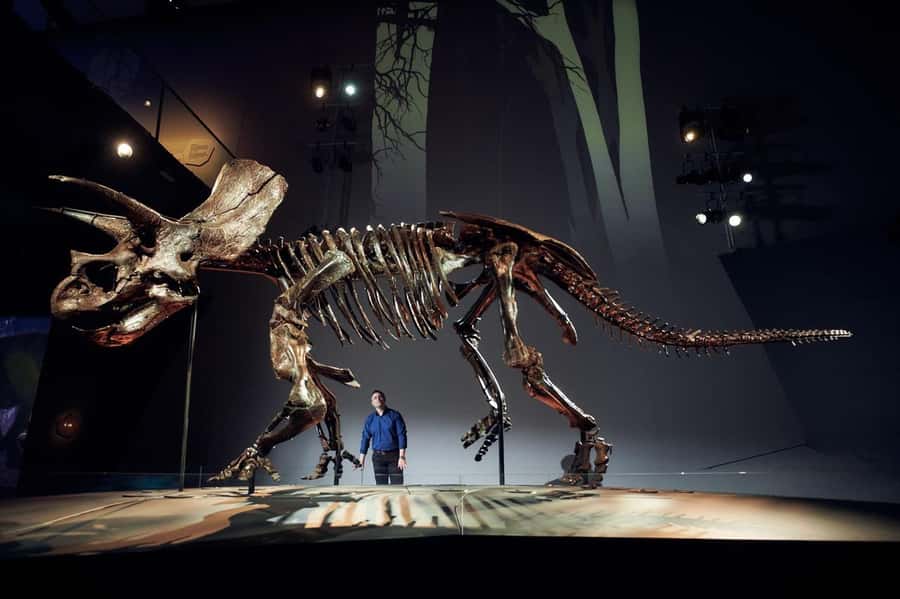
Horridus is presented as having 87% real bones, and it’s called the most complete real dinosaur fossil anywhere in Australasia. That level of completeness changes what you notice. When a fossil is this intact, you can more easily picture the real animal’s structure and posture, instead of just seeing “a bunch of bones.”
This matters for value: a less complete fossil can feel like a display you walk past. Horridus is the kind of exhibit that earns the slow walk—standing back, taking in the full skeleton, then moving closer to see the details.
The Triceratops fossil: Late Cretaceous, Montana, and deep burial
Then there’s the triceratops fossil, described as weighing more than 1,000 kilos. It’s a late Cretaceous discovery unearthed in Montana, USA, and it was buried under about 3.5 meters of sandstone.
That burial detail isn’t just trivia—it helps you understand why fossils like this are so hard to find and why their preservation can be so significant. It also makes the exhibit more than a picture in a book. You get context for the science of discovery, not just the animal.
If you only have time for one “serious fossil moment,” pick Horridus first, then use your remaining time for the triceratops.
Melbourne Gallery and Phar Lap’s Stable: The City’s Story in Museum Form
Head to the Melbourne Gallery at the east end, and you’ll get a different flavor from the dinosaur-heavy sections. This is where the museum shifts into the story of the city—how Melbourne fits into Victoria, and how the bigger regional story shapes the people who live here.
One standout is the stable of Phar Lap, the famous racehorse. It’s a museum experience that feels surprisingly real because it’s focused on a specific object tied to a known legend. You’re not just reading history in general terms; you’re looking at a set piece linked to a character from Melbourne’s cultural memory.
Even if horse history isn’t your main interest, Phar Lap is a good “human-scale” pause after the fossil rooms. It helps the day feel varied instead of nonstop science lectures.
Bunjilaka Aboriginal Cultural Centre: A Thoughtful Must-Do
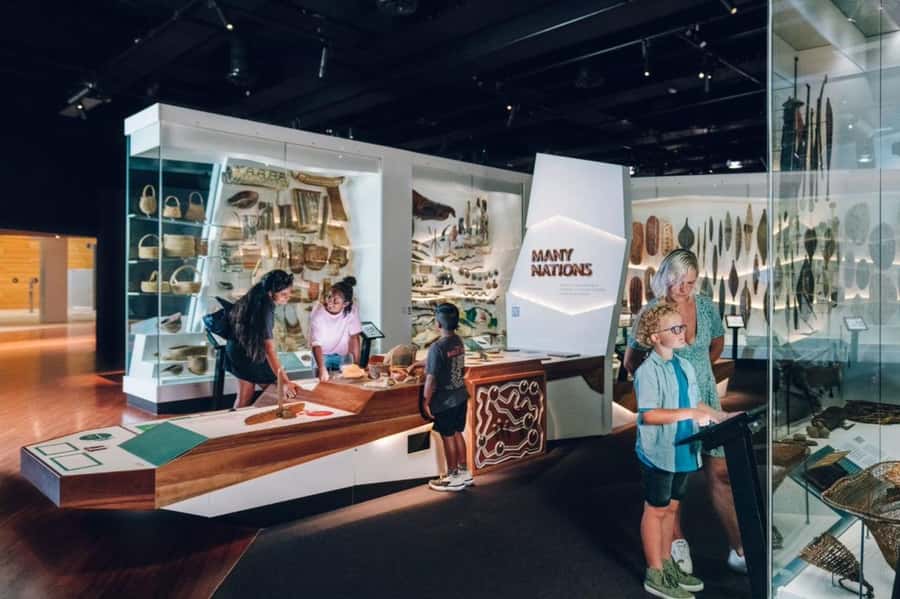
If there’s one part of Melbourne Museum that feels essential beyond the dinosaur appeal, it’s the Bunjilaka Aboriginal Cultural Centre. It’s described as imbued with the living traditions and knowledge of Koori people and other cultures from around Australia.
I recommend treating this as a core stop, not an add-on. The cultural centre is the kind of place where speed can reduce your enjoyment. Take your time reading, looking, and absorbing what’s presented. It’s also a strong reminder that museums aren’t only about artifacts—they’re about living knowledge and continuity.
In practice, this means you should plan at least one “unhurried” segment of your day here. If you cram every other gallery first, you’ll likely arrive mentally tired—and tired is the worst time to experience something designed to be reflective.
Children’s Gallery: Fun Learning for Little Ones
If you’re traveling with kids, the Children’s Gallery is a big win. It’s built for little kids to explore and learn in a fun way, which matters because it gives families a space where adults don’t have to force the visit to work.
What makes it useful for planning: it can be a pressure valve. When the adults want one more fossil room, kids can rotate to something hands-on. The museum already expects families will want this split energy.
Even if you don’t have kids, it’s worth checking briefly. It’s a good sign that the museum isn’t only aimed at adults who enjoy long reading sessions.
IMAX Is Not Included: Don’t Let This Trip You Up
A key detail: IMAX Melbourne tickets are not included. So if you’re hoping to add an IMAX film on top of your museum visit, you’ll need to handle that separately.
This doesn’t make the ticket worse. It just keeps your plans accurate. For many people, the museum itself is a full half day to a day. But if you love cinematic add-ons, plan it intentionally so you don’t end up short on time or surprised by extra cost.
Price and Value: Is $12 a Good Deal?
At $12 per person, this is strong value for a museum day in the center of Melbourne. Why? Because you’re not buying a narrow attraction. You’re paying for access to multiple major galleries plus the Aboriginal cultural centre—places that offer very different kinds of learning.
You’re also getting a visit anchored by two standout fossil experiences: Horridus (87% real bones) and the triceratops fossil (over 1,000 kilos, late Cretaceous, Montana, and buried under around 3.5 meters of sandstone). That kind of “wow factor” alone can justify the price for many visitors, but the value grows once you add:
- the Forest Gallery’s living environment feel
- the Science and Life Gallery’s range (bugs, fossils, biology)
- Melbourne Gallery storytelling, including Phar Lap’s stable
- the Children’s Gallery for families
- the Bunjilaka Aboriginal Cultural Centre as a meaningful cultural core
To put it simply: $12 is not a “buy it because it’s cheap” price. It’s a fair price for access to a wide, well-thought-out museum experience.
Practical Notes That Actually Matter
Comfortable shoes are worth it. Museum floors are busy, and you’ll likely be on your feet moving between galleries and exhibit areas.
Also, give yourself time to check for temporary exhibition schedules and any possible closures on the museum website. Since exhibitions can change, it’s smart to look before you go so you don’t show up expecting a specific special display that isn’t running.
Language is English, and the experience includes a host or greeter who is English-speaking—useful if you need quick help finding where to go first.
Should You Book the Melbourne Museum Entry Ticket?
Yes, you should book if you want a flexible, self-paced day with major exhibits and at least two “different worlds” of museum experience—natural science plus cultural learning. The $12 price is especially good if you’re planning a focused fossil visit but also want the option to broaden into science, city history, and Aboriginal cultural learning.
I’d skip or reconsider if:
- you only have a short time slice and can’t realistically fit in 3+ hours, or
- you’re only interested in IMAX and not the museum galleries at all, since IMAX tickets aren’t included.
If you can spare half a day to a day, you’ll likely feel like you got your money’s worth fast—mostly because the museum is designed to reward pacing, not rushing.
FAQ
How much does the Melbourne Museum entry ticket cost?
The price is $12 per person.
How long should I plan to spend inside the museum?
You should allow at least 3 hours for a full experience.
Where should I go to start the visit?
Arrive directly at Melbourne Museum.
Is the IMAX Melbourne show included with this ticket?
No, IMAX Melbourne tickets are not included.
What should I bring?
Bring comfortable shoes.
Is this experience wheelchair accessible?
Yes, it is wheelchair accessible.