REVIEW · PARIS
The Musée d’Orsay Guided Tour Orsay Museum Semi-Private 6ppl Max
Book on Viator →Operated by Babylon Tours Paris · Bookable on Viator
Orsay becomes easy when you follow a story. This semi-private Musée d’Orsay tour (max 6) with reserved entry helps you see the key works without getting stuck in museum chaos. You also get English guidance through the art movements that set up Impressionism.
Two things I really like: the tour connects the dots from Manet’s Luncheon on the Grass to the Impressionists, so the paintings make more sense, fast. And the small group format means you get real chances to ask questions instead of shouting in a crowd.
One consideration: this experience is not available for people with walking disabilities or wheelchair users, and the museum security rules mean no large bags, only handbags or small thin bag packs.
In This Review
- Key things you’ll notice on this Orsay tour
- How six people changes everything at Musée d’Orsay
- Reserved entry and the 2.5-hour rhythm that keeps you focused
- The Orsay building: why the former rail station matters
- Stop at Musée d’Orsay: the masterworks and the movement story
- Manet and the spark before the Impressionists
- Renoir: social life and dance as art
- Monet: color, light, and why it was a big deal
- Van Gogh: seeing technique through a personal lens
- Degas and ballet: detail you might miss alone
- Millet: realism that leads toward modern themes
- A key plus: you learn why these works were revolutionary
- Works may vary, and that’s still okay
- Pacing, questions, and the family-friendly advantage
- The practical rules you should plan around
- Price: is $144.21 per person worth it?
- Who should book this Orsay semi-private tour
- Should you book this Musée d’Orsay semi-private tour?
- FAQ
- How many people are in the semi-private group?
- How long is the Musée d’Orsay guided tour?
- Is admission included in the tour price?
- Does the tour offer skip-the-line or reserved entry access?
- What language is the tour offered in?
- Is hotel pickup or drop-off included?
- Are temporary exhibitions included?
- What’s the policy on bags inside the museum?
- Is the tour accessible for wheelchair users?
- What happens if the museum is closed or delayed?
Key things you’ll notice on this Orsay tour
- Max 6 people for a true semi-private pace and lots of questions
- Reserved entry to cut time spent in lines and stress
- Chronological storytelling that explains how Impressionism evolved
- Stops built around major works like Renoir’s Dance at Le Moulin de la Galette and Monet’s Water Lilies
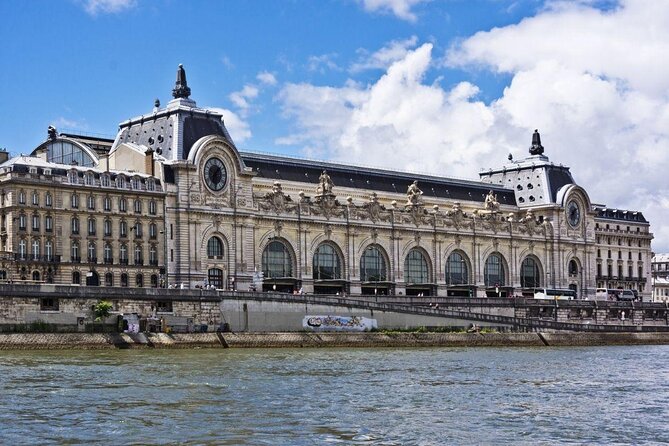
- Former train-station setting inside the Beaux-Arts building, with the museum’s architecture in the mix
- Helpful guidance for museum rules like quiet/restricted rooms and speaking limits in specific areas
How six people changes everything at Musée d’Orsay
The Musée d’Orsay can feel like a lot. The building is gorgeous, the galleries are big, and the art is spread out across eras. This tour solves the main problem by keeping the group small—never more than 6—so you get a calmer route through the museum and a guide who can actually react to questions.
I also like the reserved entry detail because it changes how your visit starts. Instead of spending precious vacation time doing the line dance, you’re more likely to get into the galleries with momentum. That matters here because once you’re in, you want to see a clear set of masterpieces before your attention starts to drift.
Finally, the best part of this setup is how it turns Orsay from a pile of famous paintings into a timeline you can follow. Guides like Eduardo, Lily, Lilly, Ivanna, and Ana (among others) are repeatedly praised for storytelling and for keeping the pace workable—especially when kids or multiple ages are involved.
You can also read our reviews of more guided tours in Paris



Reserved entry and the 2.5-hour rhythm that keeps you focused
The tour runs about 2 hours to 2 hours 30 minutes, with admission included. In that window, you’re not trying to see everything. You’re doing the smartest version of Orsay: the “core collection” plus enough context to understand what you’re seeing.
The timing helps in two ways:
- It pushes you to prioritize famous works and key transitions between artistic movements.
- It prevents the common problem of wandering too long, then realizing you missed the paintings you actually came for.
Yes, you’ll still have occasional lines. The tour notes that some lines can form even with skip-the-line or no-wait access, due to security measures at major attractions. So if your visit day is crowded, go in ready to be patient for a few minutes. The overall point stands: this tour is designed to get you through the hardest bottleneck first—entry.
The Orsay building: why the former rail station matters
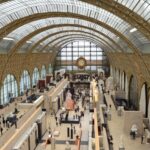
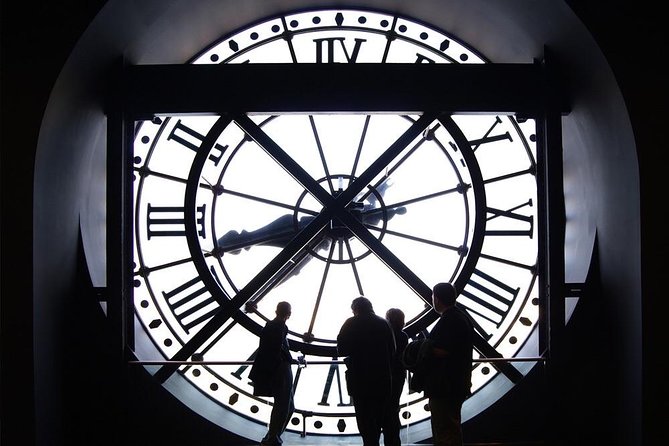
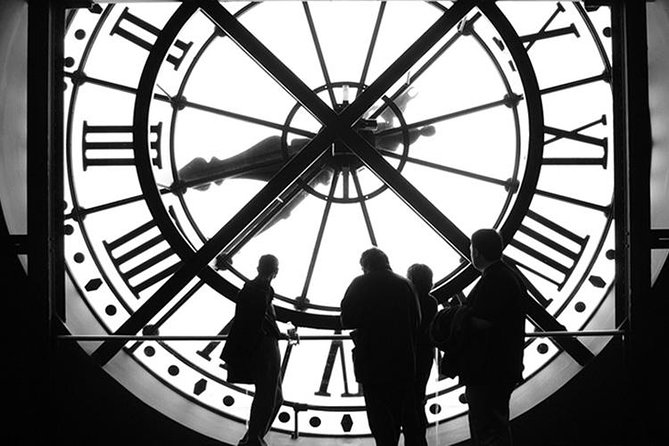
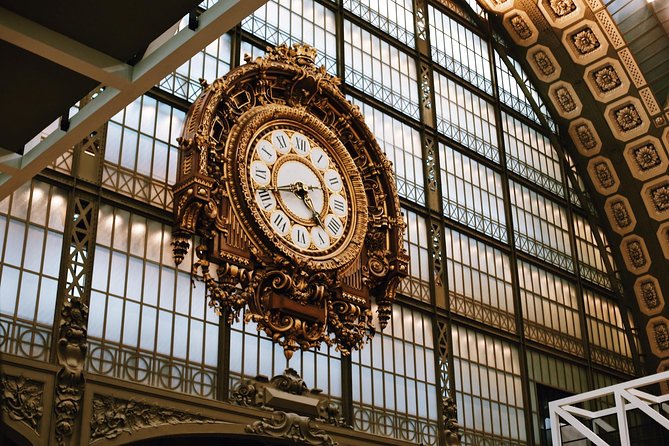
You meet at the museum and tour inside the former rail station setting. That old-station architecture isn’t just decoration. It shapes how the museum feels: tall spaces, long sightlines, and a sense of grandeur that matches the art on the walls.
A guided visit also helps you notice the building as part of the experience. Orsay is a Beaux-Arts-style landmark, and it can help you understand why the museum itself feels like a bridge—between the old world of salons and the new visual language that came with Impressionism and beyond.
If you’re doing Orsay on a tight schedule, this is also a practical win. You won’t waste time hunting for the best route through a huge floor plan. Your guide leads you toward what’s most important, then gives you the “why” behind it.
Stop at Musée d’Orsay: the masterworks and the movement story
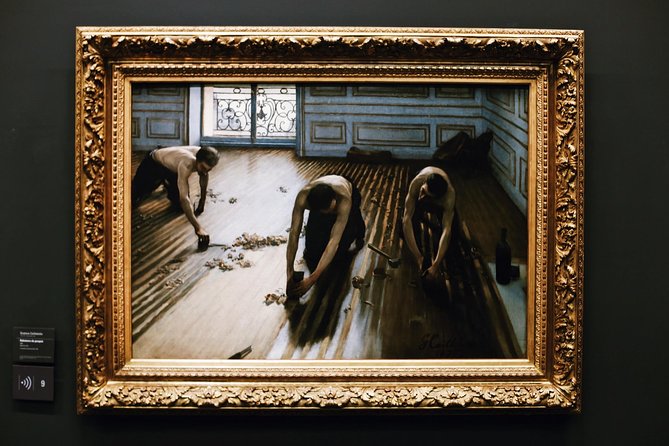
This tour’s whole journey centers on Musée d’Orsay, where you explore major works by French Impressionists and Post-Impressionists. The route is built around the evolution of styles, so you learn what changed and why it felt radical at the time.
Here’s what you can expect to see, with an emphasis on why these works matter:
Manet and the spark before the Impressionists
You start with the kind of painting that made people argue. Manet’s Luncheon on the Grass is often included as a highlight because it sits right in the tension between established art norms and the new direction that was coming. When a guide places Manet at the beginning, you get a clearer sense of the “before” story—what artists were responding to and challenging.
If you like art history but don’t want to memorize dates, this is a good approach. Your guide explains the momentum: how earlier artists set the stage for what came next.
You can also read our reviews of more private tours in Paris





Renoir: social life and dance as art
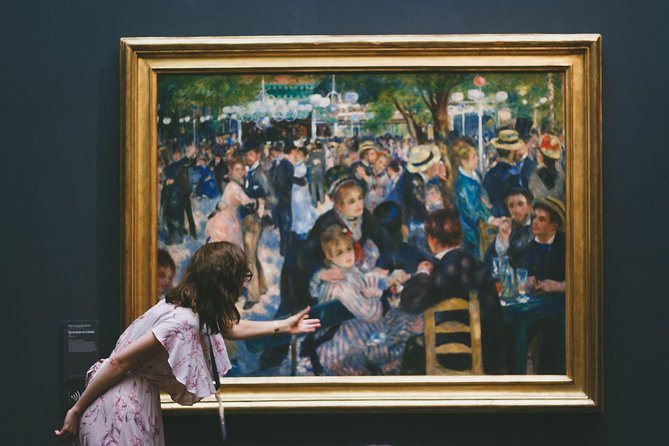
Then you move into the world of modern life and movement. Renoir’s Dance at Le Moulin de la Galette is included as a key stop. It’s not just famous for its crowd scenes; it’s also useful for learning how Impressionist painters handled light, motion, and human faces.
This is where the tour tends to feel fun even if you’re not an art nerd. The stories make it easier to notice brushwork, composition, and mood.
Monet: color, light, and why it was a big deal
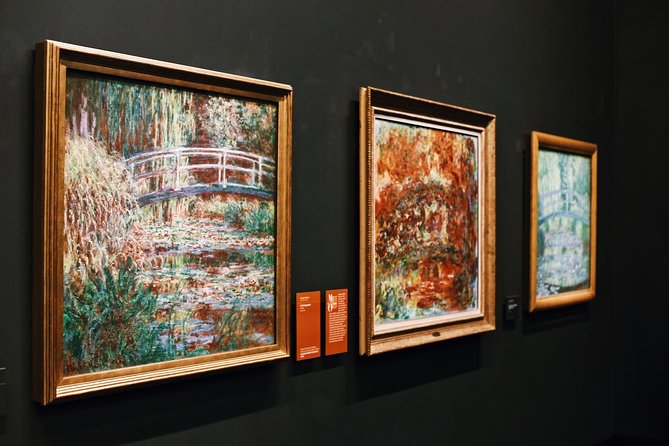
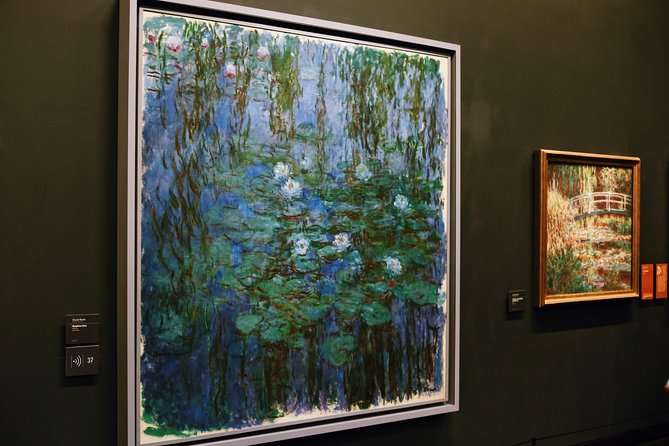
You should expect Monet’s Poppy Field and Monet’s Water Lilies among the highlights. Monets like these are ideal for a guided visit because they reward looking slowly. A guide can help you see how Monet is thinking about light and atmosphere—not just painting what’s in front of him.
And because you’re usually seeing multiple Monets in the same overall arc, you can connect the technique choices across different subjects. The tour is set up to help you notice patterns.
Van Gogh: seeing technique through a personal lens
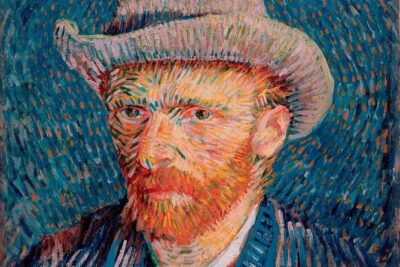
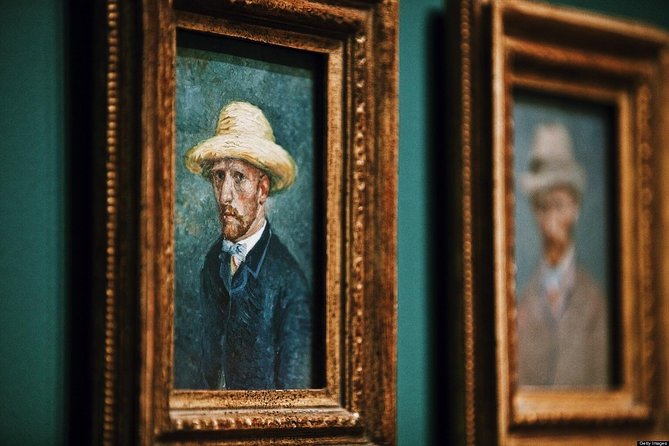
Van Gogh’s Bedroom in Arles is included, and it’s a strong mid-visit shift. It’s a different kind of emotional intensity than what you see in many Impressionist scenes. With a guide steering you through it, you’re more likely to notice the details that make Van Gogh’s approach feel both personal and bold.
If you’ve seen only one or two Van Gogh works before, this stop helps you understand why his style mattered in the broader timeline.
Degas and ballet: detail you might miss alone
Degas’s Ballerinas is on the typical highlights list. Degas is one of those artists where a guide helps you see what you might overlook on your own—posture, repetition, and the way movement is captured.
You’ll often get technique and compositional notes here, which is exactly what makes a guided visit worth it. You don’t have to be an expert; you just need the right prompts.
Millet: realism that leads toward modern themes
Millet’s The Gleaners appears as a highlight as well. This piece is useful because it gives you a bridge into modern art thinking. You see how earlier realism and everyday life themes connect to what later artists were doing with subject matter and style.
A key plus: you learn why these works were revolutionary
The tour isn’t only a checklist of famous paintings. It focuses on why these works felt shocking or new in their own time. That means you’re not just looking at what’s on the wall—you’re understanding the artistic rules that were being rewritten.
That is the real value of the guide, especially if you’re visiting Paris for the first time and want Orsay to feel meaningful, not random.
Works may vary, and that’s still okay
The tour notes that highlights generally include the works listed, but collections can vary by season and artwork might be on loan or restoration. In practice, that means you should keep an open mind: you might not see every exact named piece on every date.
Still, the tour structure is built around the big movements and the major artists, so even if one title is unavailable, the overall story usually holds. If a specific painting is your top must-see, it’s worth checking what’s on view before your visit day.
Pacing, questions, and the family-friendly advantage
A big theme in the guide praises is pace. People specifically mention guides who kept things moving at a good speed, stayed organized, and made it easy to follow along. That’s not minor. Orsay is large, and without a plan you can end up tired without seeing the best parts.
You also get the advantage of small-group dialogue. The best moments in this kind of tour are when you’re able to ask something like:
- What makes this technique different?
- Why did audiences react this way?
- How does this work connect to the next one?
The group size makes it more realistic for that to happen without the guide ignoring you.
I also saw clear signals that the tour can work well across ages. Some guides were praised for handling kids while still giving teens and adults enough depth. If you’re traveling with family, this semi-private format often feels more respectful to everyone’s attention span.
The practical rules you should plan around
Orsay uses security screening, and the tour is explicit about luggage:
- No large bags or suitcases inside the museum. Only handbags or small thin bag packs.
You’ll also want to remember that some rooms are quiet or restrict speaking. The guide should give you the rules before entering those areas. If you’re the type who talks while looking, it’s smart to mentally switch modes for a portion of the visit.
Finally, the tour notes occasional museum closures. If the museum opening is delayed more than 1 hour from the tour start time, an alternative is provided. In those cases, the operator says they cannot provide refunds or discounts. So on a day of bad weather or last-minute disruptions, build in a little flexibility.
Price: is $144.21 per person worth it?
At $144.21 per person, this isn’t a budget option. But value here isn’t about the headline price; it’s about what’s bundled and what you save.
You get:
- A professional guide for about 2.5 hours
- Admission fees included
- Reserved entry
- A group limit that keeps the experience from becoming a free-for-all
If you were to self-tour, you’d need to:
- manage the entry time on your own,
- pick a route through a large museum,
- and figure out what to look at to understand the evolution of Impressionism and Post-Impressionism.
If you hate line stress, want a coherent story, and like asking questions, the cost can feel more reasonable. If you’re happy to wander solo and you already know the Orsay timeline well, you might prefer a cheaper DIY visit.
For most first-time Paris museum days—especially if you want art history to feel clear rather than overwhelming—this price usually makes sense.
Who should book this Orsay semi-private tour
This is a great fit if you:
- want a structured path through Orsay’s big collection
- love Impressionists and want the “why” behind the style shifts
- prefer small-group attention rather than hearing a guide through a crowd
- are traveling as a family and need a pace that holds attention
It’s probably not your best choice if you:
- need wheelchair access or have mobility constraints that don’t fit the tour’s limits
- want to spend the entire visit wandering without any guided direction
- only care about temporary exhibitions (those aren’t included)
Should you book this Musée d’Orsay semi-private tour?
I’d book it if you want Orsay to feel organized, not like a maze. The small group size—max 6—plus reserved entry is a practical combo that protects your time. And the tour’s emphasis on the movement story makes famous paintings like Luncheon on the Grass, Dance at Le Moulin de la Galette, and Monet’s works land with more meaning.
I’d skip it if your plan is purely casual wandering, you’re sensitive to security and bag rules, or you need accessibility support beyond what the tour can provide.
If you’re aiming for a high-payoff museum day in Paris, this is one of the smarter ways to do it.
FAQ
How many people are in the semi-private group?
The group size is never more than 6 guests.
How long is the Musée d’Orsay guided tour?
It runs about 2 hours to 2 hours 30 minutes.
Is admission included in the tour price?
Yes. Admission fees and reserved entry are included.
Does the tour offer skip-the-line or reserved entry access?
Yes. The tour includes reserved entry (priority entrance).
What language is the tour offered in?
The tour is offered in English.
Is hotel pickup or drop-off included?
No. Hotel pickup and drop-off are not included.
Are temporary exhibitions included?
No. Temporary exhibitions are not included.
What’s the policy on bags inside the museum?
No large bags or suitcases are allowed. Only handbags or small thin bag packs are permitted through security.
Is the tour accessible for wheelchair users?
No. The tour is not available for those with walking disabilities or using a wheelchair.
What happens if the museum is closed or delayed?
Orsay may have occasional closures. If the museum opening is delayed more than 1 hour from the tour start time, you’ll be provided an appropriate alternative. The provider says they cannot provide refunds or discounts in those delayed-closure cases.