REVIEW · LYON
Lyon: Musée des Confluences Entrance Ticket
Book on GetYourGuide →Operated by Distributor: GetYourGuide Tours & Tickets GmbH · Bookable on GetYourGuide
A building that feels like science fiction. The Musée des Confluences turns the Rhône–Saône riverside into a walk-through of nature, culture, and deep time. You get a modern museum that’s seriously fun to navigate, even if you only have one day.
What I really like is the museum’s design—the Crystal and Cloud concept makes the building itself part of the story. I also love how the collections connect big themes across disciplines, with standouts like a 155-million-year-old mammoth skeleton and Egyptian mummies. The one drawback to plan around: you’ll want more time than you think, and you can’t count on total “skip the line” speed once inside.
In This Review
- Key things to know before you go
- A Museum at the Rhône–Saône Confluence That You’ll Actually Want to Explore
- Price and value: Is the $16 ticket a good deal?
- Getting to 86 Quai Perrache and using your voucher
- Entrance flow: Fast-track entry and express security
- The permanent exhibitions route: Origins, Species, Societies, Eternity
- The big “wow” objects you’ll want early
- Temporary exhibitions included: why this ticket feels current
- Language support: English translation is mostly there, but not everything
- Where breaks fit in: lockers and roof terrace lunch time
- Collections with a research story, not just display cases
- Families and student tickets: how free entry works
- A balanced take: what could slow your day down?
- Should you book the Musée des Confluences ticket?
- FAQ
- How long is the Musée des Confluences ticket valid?
- Where do I scan my voucher?
- Does the ticket include both permanent and temporary exhibitions?
- Is there fast-track entry?
- Does it skip lines inside the exhibitions?
- Are lockers included?
- Is the museum wheelchair accessible?
- Are large bags or luggage allowed?
- Do children or students get free entry?
- Is the ticket refundable if my plans change?
Key things to know before you go
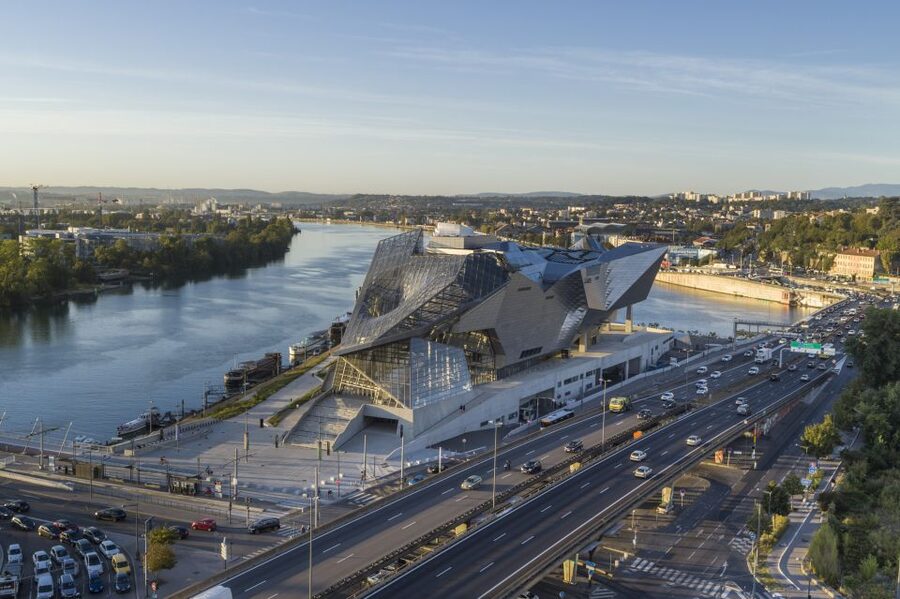
- Crystal and Cloud architecture: A striking exterior concept built to match the riverside setting.
- A museum built around four themes: Origins, Species, Societies, and Eternity keep everything organized.
- Major collection highlights: Mammoth skeleton, Egyptian mummies, fossils, and Amazon rainforest artifacts.
- Temporary exhibitions are included: They change annually, so there’s often something newer to see.
- Fast-track entry, not “instant” exhibition lines: You get express security/entrance flow, but not guaranteed exhibition bypass.
- Plan your time: Even fans say to leave yourself plenty of time for all the rooms.
A Museum at the Rhône–Saône Confluence That You’ll Actually Want to Explore
The Musée des Confluences is in the Auvergne-Rhône-Alpes region, in a prime riverside spot where the Rhône and Saône meet. That location isn’t just pretty—it’s part of the museum’s theme. The building is designed around a nature-and-culture balance, so the architecture feels like it belongs outside, not stuck on it.
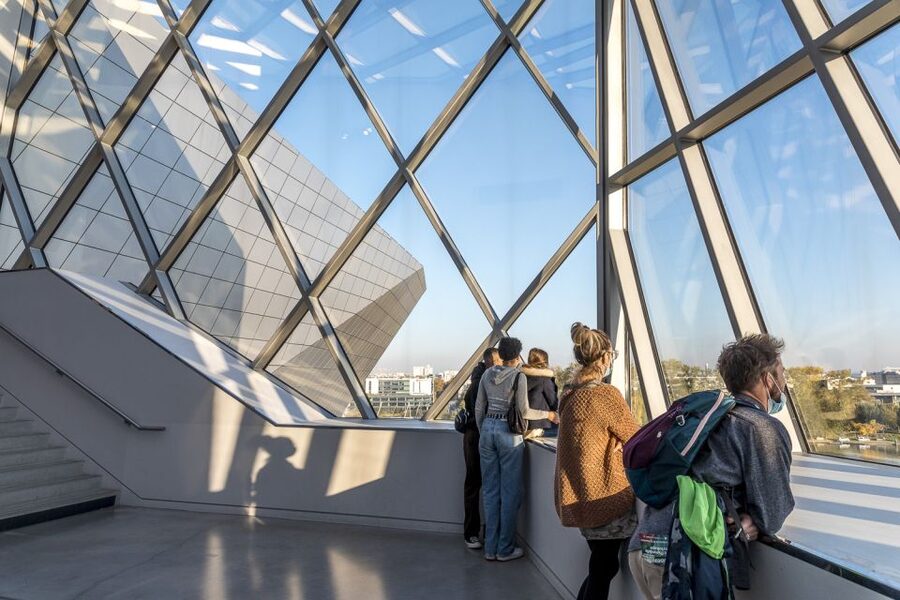
When you first approach the museum, the look is the hook. The idea of the Crystal and Cloud shapes isn’t just marketing language; it helps you read the building as something flowing and layered. Indoors, that sense of movement continues with big theme zones rather than one long hallway of objects.
A few more Lyon tours and experiences worth a look

Price and value: Is the $16 ticket a good deal?

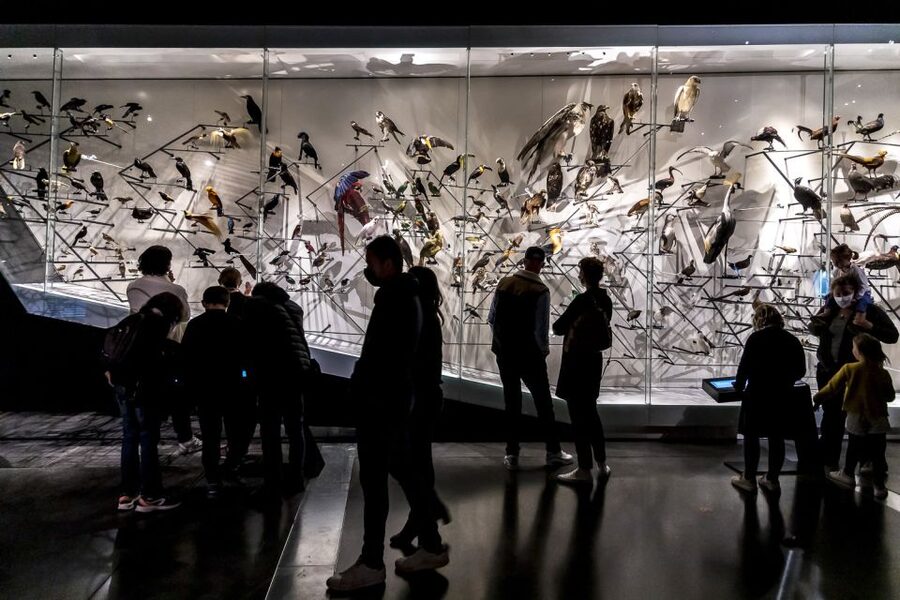
For about $16 per person for a one-day ticket, this museum is strong value—mostly because the ticket gives you both permanent and temporary exhibitions in one go. The museum’s scale is real: you’re looking at over 3,000 m² of permanent exhibition space and 3.5 million artifacts and specimens across collections that span five centuries.
Where the value shows up is in variety. You’re not just looking at natural history; you’re also seeing cultural and historical material, plus field-mission work tied to collecting and research. If you like museums where one room makes you curious for the next, this fits well.
One caveat: you should still budget time and energy like it’s a full visit. There’s enough content that rushing can feel like you’re “skimming history,” not enjoying it.
Getting to 86 Quai Perrache and using your voucher
Your meeting point is straightforward: scan your voucher at the museum gate. The address is 86 quai Perrache, Lyon.
This is a “show up and go” type ticket. The experience is tied to a valid 1-day entry window, and starting times can depend on availability. So if you’re planning a tight day in Lyon, pick a time that gives you room to slow down.
A small practical heads-up from real-world experience: parking signage around the museum can be hard to figure out if you’re not used to the area. If driving, I’d treat parking as your wild card—build extra time in, or consider using public transit.
Entrance flow: Fast-track entry and express security
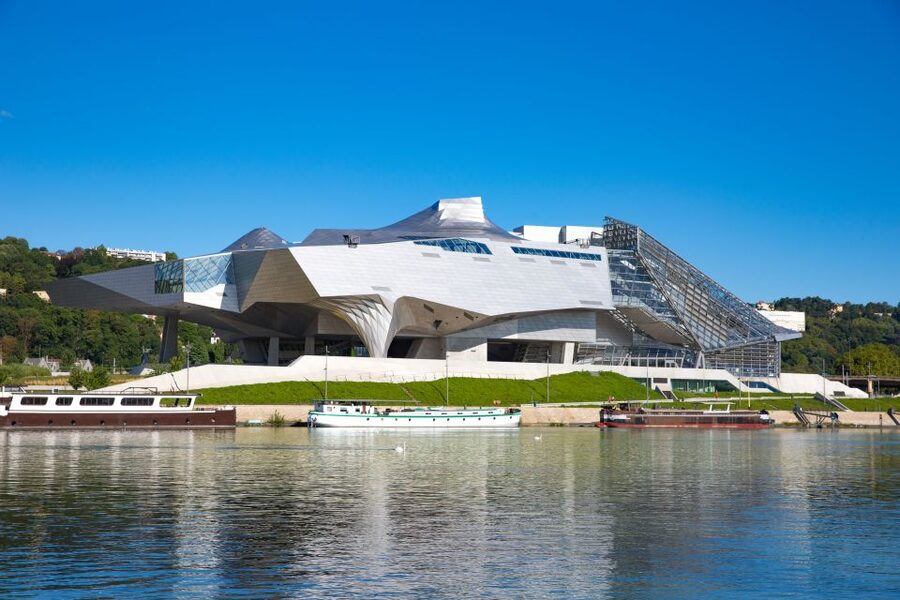
Your ticket includes fast-track entry with an express security check. That can help a lot if you hit a busy moment near the entrance.
One important detail: this does not mean you’re guaranteed skip-the-line access inside every exhibition. In other words, you’ll still have to walk, choose what to see first, and deal with any room-by-room capacity at the time.
If you’re sensitive to “museum lines,” your best strategy is simple: arrive with a plan, but stay flexible. You’re more likely to feel in control if you expect that the building is busy sometimes.
The permanent exhibitions route: Origins, Species, Societies, Eternity
Inside, the museum is organized into four themed exhibition areas: Origins, Species, Societies, and Eternity. This is the best part of the layout if you like a guided-feeling visit without needing an actual guide.
Think of it as a storyline:
- Origins: where humanity and our beginnings are considered through science and culture
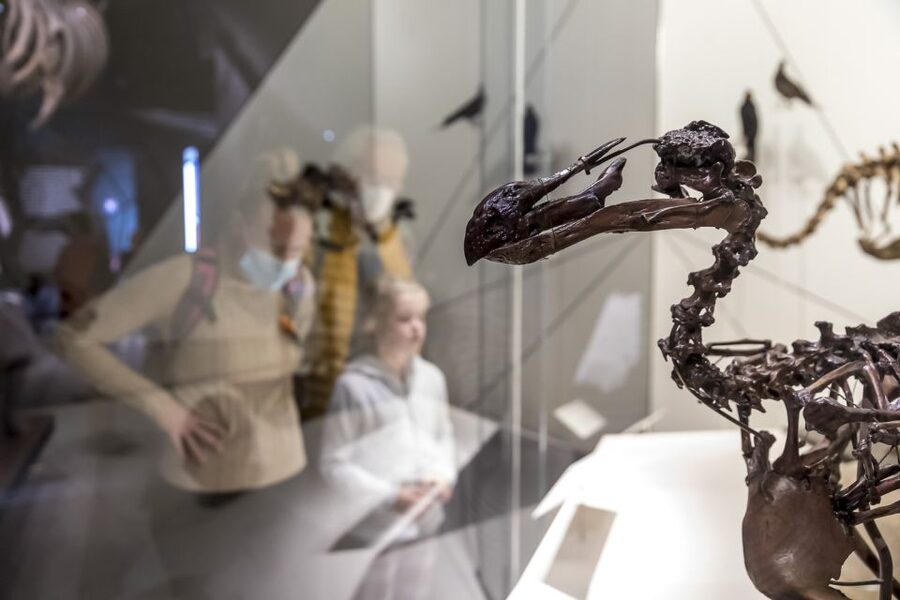
- Species: life forms across time, including fossils and the diversity of living things
- Societies: how cultures, tools, beliefs, and communities shape human experience
- Eternity: what lasts, how time works, and how we preserve meaning
This structure makes it easier to decide what to prioritize. If you’re focused on natural history, you can spend more time in the Species zone and still feel like you understood the bigger picture. If you’re more into anthropology and history, the Societies section gives you that connection.

The big “wow” objects you’ll want early
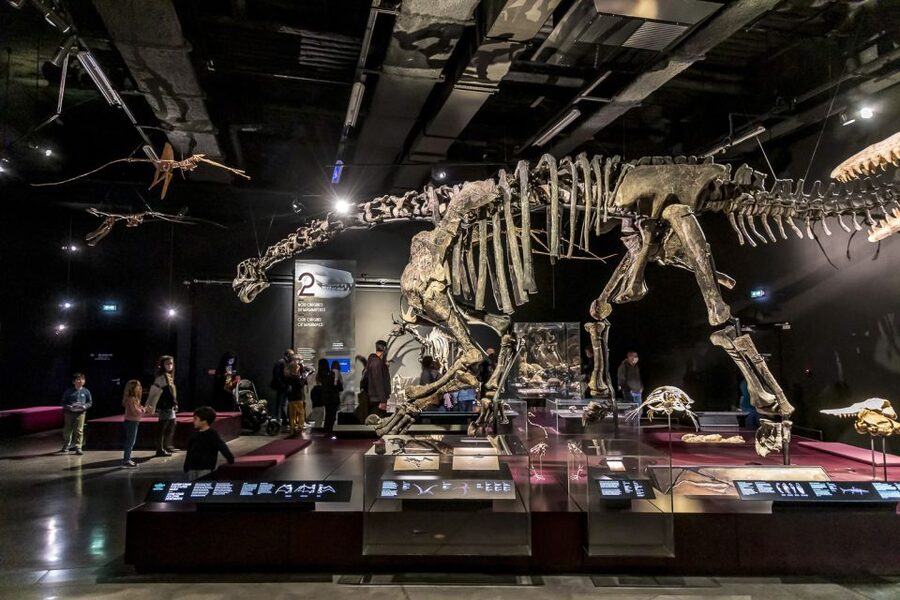
The museum’s star attractions aren’t hard to spot once you’re moving through the themes. If you arrive ready for highlights, these are the kind of objects people remember after they leave:
A 155-million-year-old mammoth skeleton
Yes, that’s the headline kind of age that makes your brain stop for a second. It’s a powerful reminder that the museum is about time as much as it is about artifacts.
Egyptian mummies and fossil material
You get a mix that makes the museum feel like it ranges from deep prehistoric time into human history. Fossils appear alongside other natural world collections, so the “science” side doesn’t feel tacked on.
Amazon rainforest artifacts
There’s material tied to the Amazon rainforest, which helps connect the museum’s collections to living ecosystems and modern collecting efforts. It’s a nice bridge between past cultures and ongoing research.
Tip: if you want the most satisfying visit, don’t start with your phone. Start with your feet. Get oriented, then chase the objects you’re most excited about.
Temporary exhibitions included: why this ticket feels current
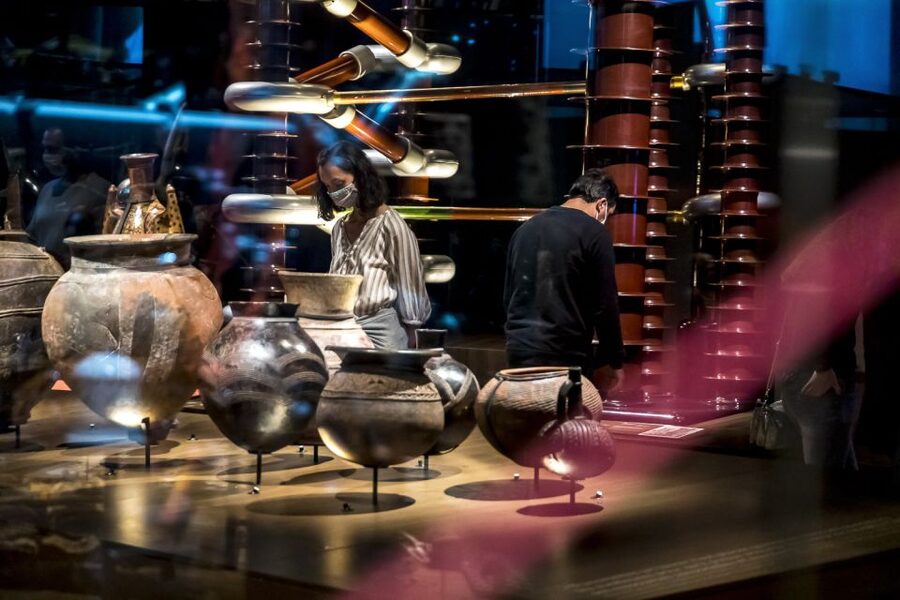
Your ticket includes access to the temporary exhibitions, which change annually. That matters because it keeps the museum from feeling like a one-and-done experience.
One temporary show that stood out was L’Amour—the kind of topic that can add a different tone to a museum that already mixes science and culture. The practical point for you: check what’s on during your dates. Even if you love the permanent collection, the temporary exhibits are what often give you a reason to return—or at least feel like you didn’t visit an identical museum last year.
Language support: English translation is mostly there, but not everything
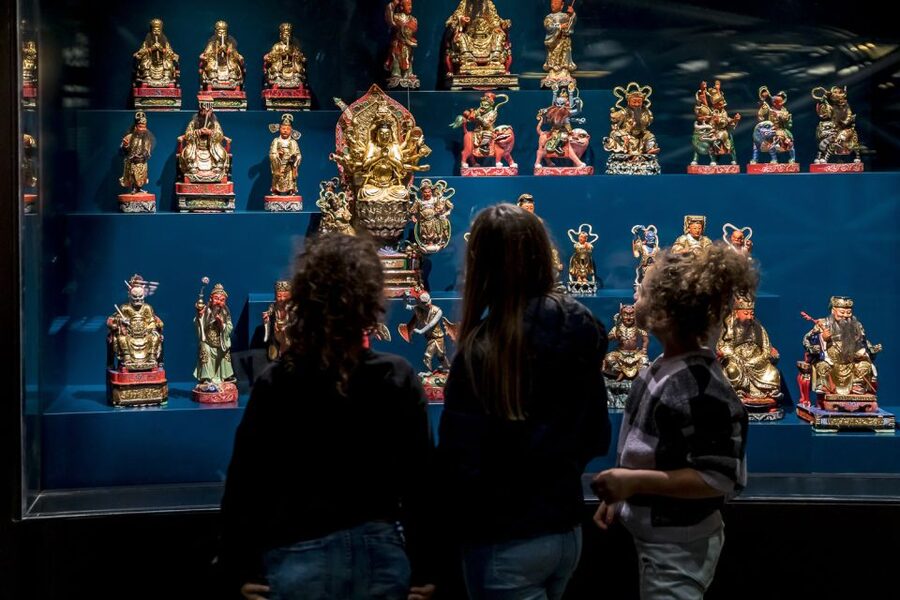
A lot of the museum is friendly for international visitors, with English translations available for many exhibits. That alone is a big quality-of-life upgrade in Lyon, because you can spend less time guessing and more time reading.
That said, not every video or media element is guaranteed to have English. So if you rely heavily on audio or moving content, plan to use your visual reading time as your fallback.
If you like a museum that gives you enough structure to follow along without feeling lost, this one will work.
Where breaks fit in: lockers and roof terrace lunch time
This ticket includes free lockers, which is one of those boring details that saves your sanity. If you’re carrying a backpack, you’ll appreciate being able to put it away and move comfortably through the galleries.
And if you need a breather, I’d plan for one. In fact, some visitors build a simple lunch stop—people have enjoyed meals on the roof terrace, which is a good move when you want daylight and a pause from reading labels.
Summer tip: museums with lots of content are easier to enjoy when you take short breaks. If you push non-stop, your attention starts to sag.
Collections with a research story, not just display cases
One reason the museum feels different from a typical “see objects, move on” experience is that it connects collections to research and real missions. The museum inherits collections from earlier institutions in Lyon, including the Muséum d’histoire naturelle and the Musée Guimet.
It’s also built to show how collections grow. The Galerie Émile-Guimet showcases contributions from donors over the years, so you can see that museums aren’t only about curators—they’re also about long-term support.
You’ll also find information about ongoing field missions, including work like entomological campaigns in Morocco and Amazonian artifact collection projects. That gives you context: you’re not just looking at history. You’re seeing how knowledge is produced.
Families and student tickets: how free entry works
If you’re visiting with teens or students, this ticket system can be a real win. Free entry applies for:
- under 18s with ID
- apprentices
- civic service volunteers
- students under 26
- people receiving minimum social benefits (like job seekers or RSA)
- disabled visitors and +1 accompanying person
Also, guests under 13 must be accompanied by an adult.
Two practical restrictions to note:
- Luggage or large bags aren’t allowed
- Unaccompanied minors aren’t allowed
If you’re traveling with kids, plan for locker use and keep an eye on the “no big bags” rule. It’ll keep the visit smooth at the entrance.
A balanced take: what could slow your day down?
This museum can be a full day even if you only plan for one. If you arrive late, you may feel short on time—people have said they wished they had more time after arriving later than they hoped.
Also, the museum experience is content-heavy. Even with English translations, some media can be harder to follow in other languages. If you’re the type who wants every label, you’ll need patience.
Finally, there was a small real-world ticket glitch once—children’s tickets didn’t show up correctly in the app for one visitor. The good news is staff handled it quickly. Still, I’d double-check your child’s ticket details before you get to the gate.
Should you book the Musée des Confluences ticket?
Book it if:
- you want a one-day museum that mixes science, culture, and history
- you care about architecture as part of the experience, not just a photo stop
- you like museum themes with clear structure (Origins, Species, Societies, Eternity)
- you want both permanent and temporary exhibitions for one price
Skip or reconsider if:
- you’re short on time and hate “reading-heavy” visits
- you’re hoping for true skip-everything line magic once inside
- you can’t easily work within the no-large-bags rule
My advice: treat this like a proper museum day. Start with the building and orientation, hit your must-see highlights early, and leave a little space for detours you didn’t plan.
FAQ
How long is the Musée des Confluences ticket valid?
The ticket is valid for 1 day. Starting times depend on availability, so pick a time that lets you enjoy the visit without rushing.
Where do I scan my voucher?
Scan your voucher at the museum gate at 86 quai Perrache, Lyon.
Does the ticket include both permanent and temporary exhibitions?
Yes. Your ticket includes access to the permanent exhibitions and temporary exhibitions, which change annually.
Is there fast-track entry?
Yes. The ticket includes fast-track entry through an express security check.
Does it skip lines inside the exhibitions?
Not exactly. The ticket provides express entry, but it does not include skip-the-line access to exhibitions once you’re inside.
Are lockers included?
Yes. Free lockers are included.
Is the museum wheelchair accessible?
Yes. The activity is listed as wheelchair accessible.
Are large bags or luggage allowed?
No. Luggage or large bags are not allowed.
Do children or students get free entry?
Yes, free entry applies to under 18s (with ID), apprentices, civic service volunteers, students under 26, people on minimum social benefits (such as job seekers/RSA), and disabled visitors (plus 1 accompanying person).
Is the ticket refundable if my plans change?
No. The activity is non-refundable.