REVIEW · ROME
Vatican Museums & St Peter’s Basilica Small Group Tour
Book on GetYourGuide →Operated by City Lights Tours · Bookable on GetYourGuide
This Vatican combo feels like speed dating with masterpieces. You get timed entry plus a small-group route through the Vatican Museums, Raphael Rooms, and the Sistine Chapel, then continue on to St. Peter’s Basilica. I especially like having a licensed guide sorting out what you’re looking at, and I love that headsets keep the commentary clear without you shouting over the crowd. The trade-off is time: at 2.5 hours, you cannot linger much in the Sistine Chapel, and in Jan–Mar Michelangelo’s Last Judgment may be obscured by scaffolding.
You’ll start early in the museum complex with a structured walk that hits the obvious highlights and also points out details that most people miss. For example, you’ll move through the Gallery of Maps and the Tapestry Hall with context for the symbols and techniques, then shift into the Raphael Rooms for the kind of story-telling you can’t get from a phone audio guide. One more practical note: dress rules are strict (shoulders and knees covered), and the Sistine Chapel has restricted photography.
In This Review
- Quick hits before you go
- Why this 2.5-hour Vatican plan actually works
- From the Pinecone Courtyard onward: setting your bearings fast
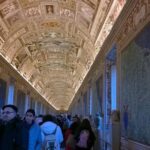
- Gallery of Maps and Tapestry Hall: what the guide helps you notice
- Raphael Rooms and the School of Athens: art as political theater
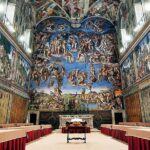
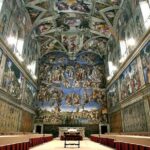
- Sistine Chapel with headsets: how to make limited time count
- St. Peter’s Basilica access: what you’ll see when the passage is open
- Pacing, group size, and why headsets change the experience
- Dress code and rules that affect your day
- Price and value: what $100 buys you (and what it doesn’t)
- Who should book this tour, and who might not
- Should you book this Vatican Museums & St. Peter’s Basilica small-group tour?
- FAQ
- How long is the tour?
- Does the tour include St. Peter’s Basilica access?
- Are headsets provided?
- Is timed entry included?
- What should I wear to enter?
- Can I take photos in the Sistine Chapel?
- Is the Last Judgment always visible?
Quick hits before you go
- Early timed entry helps you get moving before the day’s crush.
- Headsets included so you can hear every explanation without crowding the guide.
- Raphael Rooms + School of Athens give you Renaissance context, not just famous names.
- Sistine Chapel viewing with your own pace thanks to the headset setup.
- Basilica access included when the passage is open, with stops at major works like Bernini’s Baldachin and Michelangelo’s Pietà.
Why this 2.5-hour Vatican plan actually works
The Vatican can chew up an entire day, and that’s exactly why this format is smart. A tour clock of about 2.5 hours forces focus: you see the core works, learn enough to understand what you’re looking at, and still have the option to slow down where it matters most to you.
This one is designed around three practical advantages. First is timed entry, which turns the Vatican from a line-waiting contest into an art-looking mission. Second is small-group size (max 10), which makes it easier for your guide to keep the group together without rushing you like a cattle drive. Third is the headset system, which is a small detail that changes everything when you’re surrounded by noise and bodies.
A tour like this also helps you avoid the classic mistake: trying to read every plaque at breakneck speed. Instead, you get a route that’s paced for listening and looking, so you leave with the story threads that make the images click.
You can also read our reviews of more museum experiences in Rome
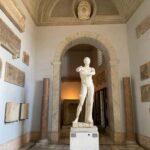
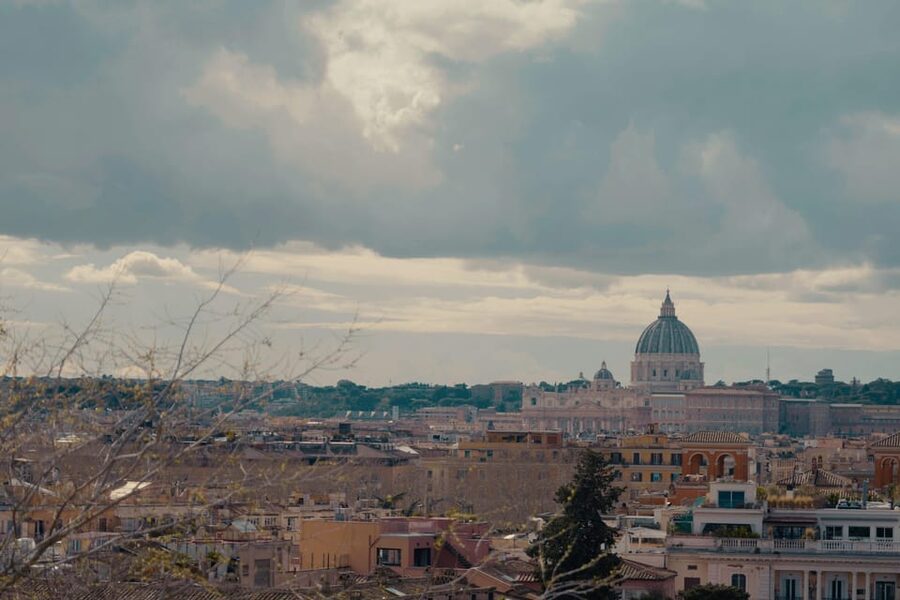
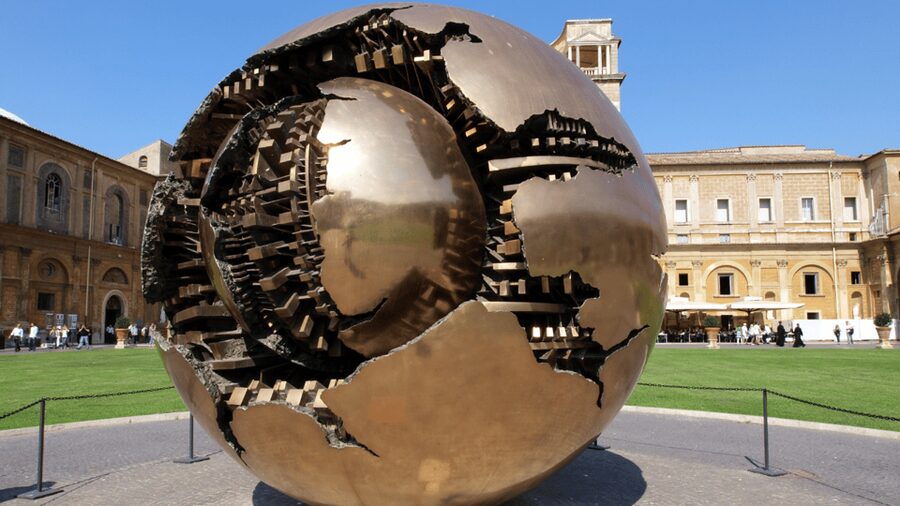
From the Pinecone Courtyard onward: setting your bearings fast
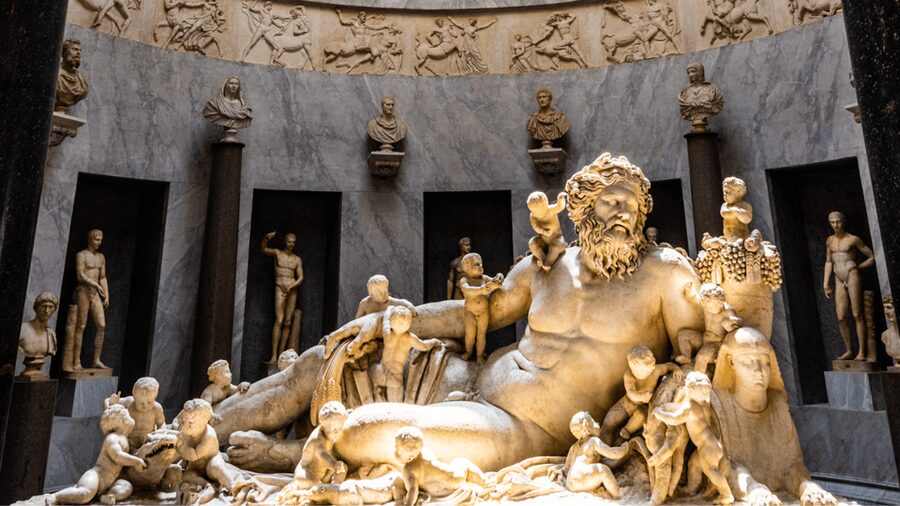
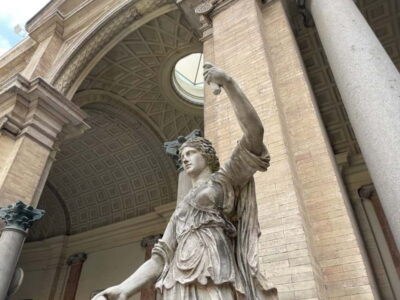
You begin in the Pinecone Courtyard, a logical starting point because it gets you oriented in the Vatican’s maze before you commit to the deeper galleries. From there, the route typically moves into major rooms where your guide can point out the visual language: why certain symbols appear, what specific techniques mean, and how the Vatican used art to communicate power and belief.
One thing I like about this approach is that it treats the Vatican as a place of meaning, not just famous objects. For instance, the route through the Gallery of Maps and Tapestry Hall isn’t presented like trivia. You’re given context for what you’re seeing, and that makes the rooms feel less overwhelming. You can actually look, instead of scanning.
Practical tip: wear comfortable shoes and plan to keep your pace steady. Even with a guide, this is still a lot of walking on flat stone that can feel slippery when you’re tired.
Gallery of Maps and Tapestry Hall: what the guide helps you notice
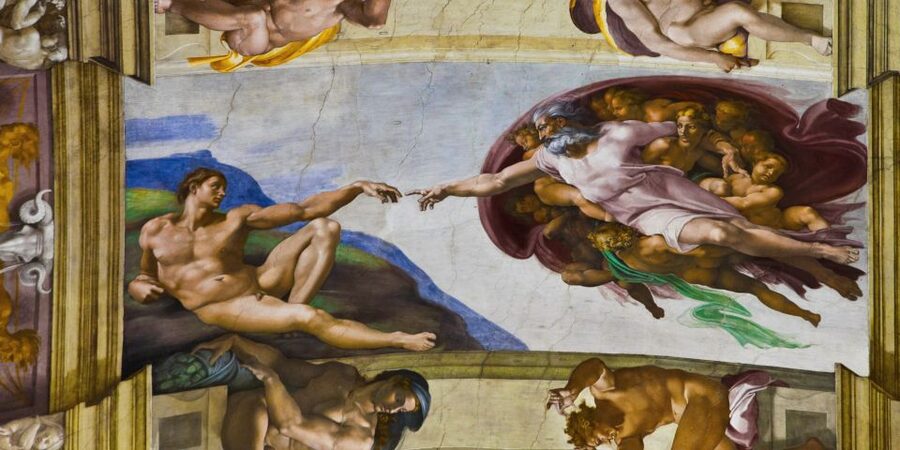
The Gallery of Maps is one of those places where a lot of people stare at it like a wall of details. With a guide, you get a roadmap for your eyes. You’ll hear explanations tied to symbolism and the way the Vatican presented the world, and it’s not just about naming regions. It’s about understanding the message behind the visuals.
Then you move into the tapestry area, where the guide’s job is to translate craft into story. With a headset, you can keep your attention on the textures and compositions while still hearing the explanation clearly. Tapestries are especially good for this kind of guided pacing, because you can’t fully appreciate them while you’re sprinting.
If you’re the type who likes to stand back and take in space, you’ll appreciate that the route is structured but not purely stamp-through. Your group moves, but you’re not constantly yanked along. That’s a big quality-of-life factor at the Vatican.
Raphael Rooms and the School of Athens: art as political theater
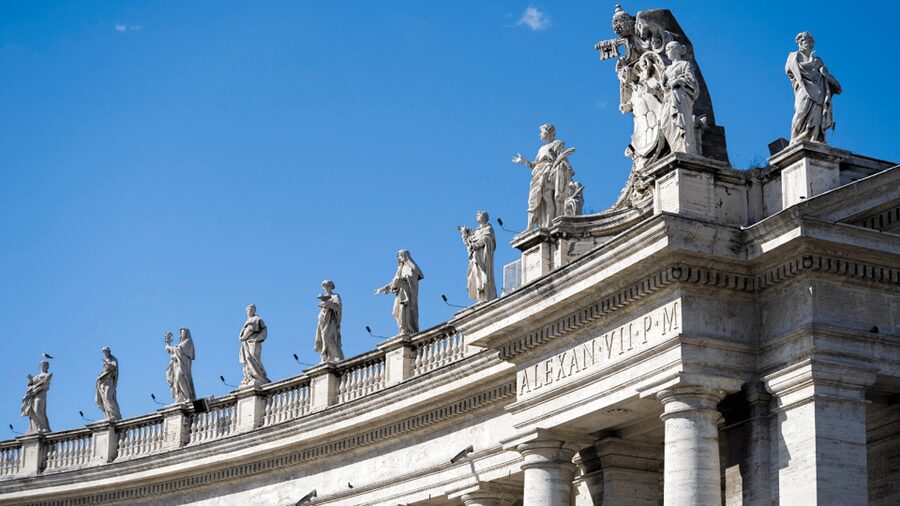
Next comes the Raphael Rooms, where the Vatican shifts from crowds of images to a more focused conversation about Renaissance thought. This is where the tour really earns its keep for people who want more than sightseeing.
The highlight here is the School of Athens, but the smart part is how your guide frames it. You’re not just hearing that it’s famous—you’re getting the context behind the scenes: how these works relate to power, faith, and rivalry. When you understand that angle, the figures and compositions stop feeling like a museum painting and start feeling like a message written in paint.
If you’ve ever wondered why Renaissance patrons poured money into walls and ceilings, this is a good section to answer that. The guide’s explanations help you see art as a communication tool—persuasion with pigments.
Time reality check: this section is important, but it’s not unlimited. If you’re hoping to spend a long, meditative stretch in every Raphael room, this tour won’t let you do that. It’s built to cover key spaces and keep the flow moving toward the Sistine Chapel.
Sistine Chapel with headsets: how to make limited time count
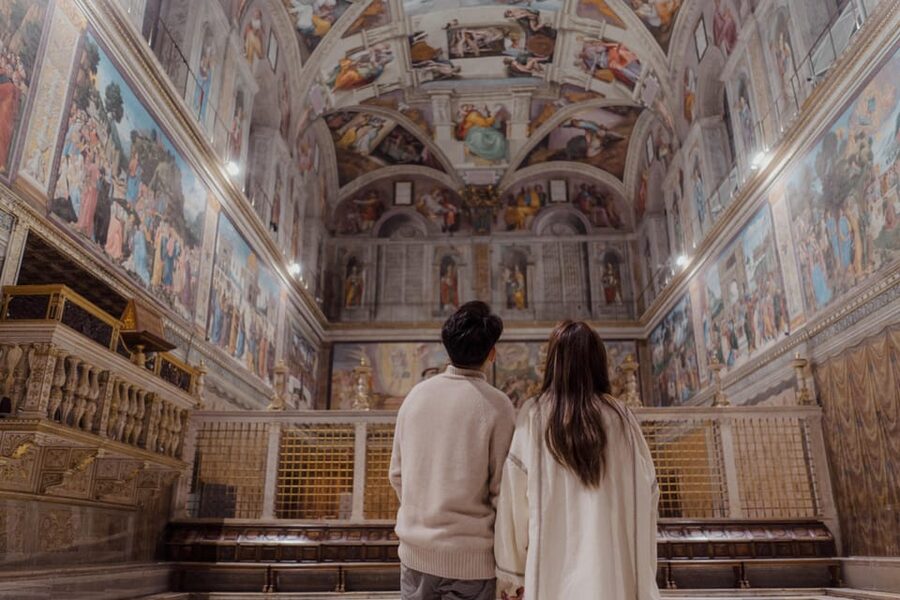
The Sistine Chapel is where the Vatican compresses its biggest emotional payoff into a small space. Because photography is restricted here, your eyes do the work—and your guide’s setup helps you do it efficiently.
Headsets matter a lot in the Sistine Chapel. You can listen at a conversational volume instead of craning your neck and guessing what the guide is saying. That makes it easier to stay calm and actually absorb Michelangelo’s ceiling frescoes. And since you’re given commentary and context before you arrive, you’re not starting from zero when the chapel lights hit.
One important note for your planning: from January 12 to March 31, Michelangelo’s Last Judgment is covered by scaffolding for maintenance, though the Sistine Chapel remains open. If you’re traveling in those months and Last Judgment is your top priority, build that expectation into your day.
Also, keep your expectations realistic. Some people want longer than this tour’s pace allows. If your goal is to sit in silence for a long time, you’ll still get moments to slow down—but this itinerary is designed for a balanced overview, not a full Sistine Chapel worship session.

St. Peter’s Basilica access: what you’ll see when the passage is open
The grand finale is St. Peter’s Basilica, with access included and a passage from the museums when it’s available. On days when the passage is open, you’ll move efficiently rather than fighting the standard crowd flows.
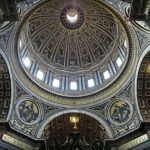
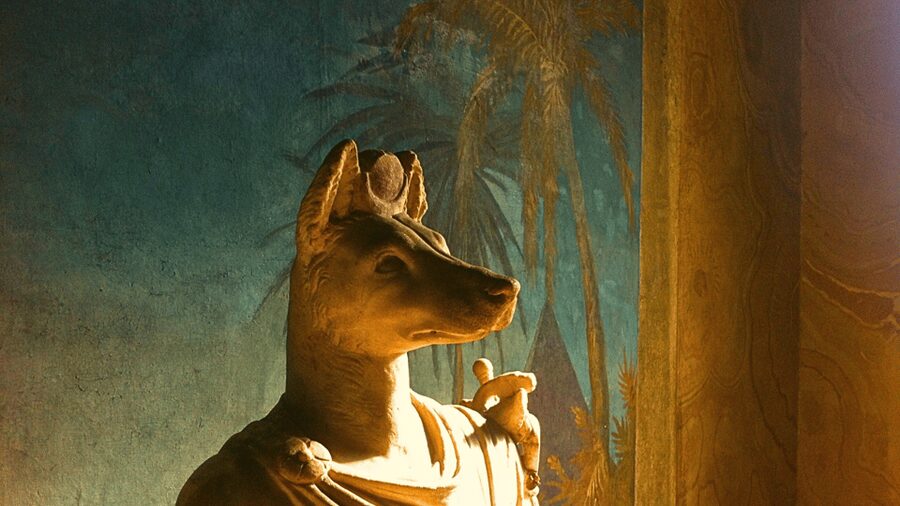
Inside, the tour is built around the big visual anchors. You’ll see Bernini’s Baldachin, Michelangelo’s Pietà, and take in the scale of the nave and the main altar. Even if you’re not a hardcore art/history buff, these stops do something your brain understands instantly: they show you why St. Peter’s feels monumental.
Two practical things to know. First, the passage can be closed on rare occasions, so your guide leads you through what’s available. Second, if you booked the option that specifically includes Basilica access, you may need to provide participant details (full names and dates of birth as on ID) in advance so entry can be guaranteed.
If you want photos, the Basilica is generally more forgiving than the Sistine Chapel—still, follow staff rules and watch for any momentary restrictions.
Pacing, group size, and why headsets change the experience
At the Vatican, the biggest enemy is not distance—it’s confusion. Even with a guide, you can end up with that feeling of being rushed and never quite sure what room you’re in or why it matters.
This tour fights that problem with a structured route and a clear pace. With headsets, you get constant, understandable commentary. That makes a difference when you’re standing slightly behind the front of the group, or when the crowd suddenly thickens.
Small group size (max 10) also makes the tour feel human. You’re not swallowed by a sea of strangers. Your guide can slow down if someone needs a moment, and you can ask questions without the whole group grinding to a halt. You’ll still have to walk, but you won’t feel like you’re just being herded.
One last pacing tip: plan to show up early. The tour asks you to arrive 15 minutes ahead, and late arrivals aren’t eligible for a refund. At the Vatican, “a few minutes” can turn into “hours of wasted waiting,” so I treat the 15-minute buffer seriously.
Dress code and rules that affect your day
The Vatican is strict for a reason: it’s a religious site first, museum second. For this tour, you should dress with shoulders and knees covered. That means no shorts or short skirts, and no sleeveless shirts.
Security is airport-style, and that matters because it shapes when you’ll enter. You’ll pass through screening, and the site restricts items like large bags, luggage, tripods, umbrellas, and things like aerosols or glass bottles. A cloakroom is available, but it may add time—so travel light.
Bring a valid photo ID (passport or ID card). If you’re booking the Basilica access option, make sure your information matches what you’ll bring on the day. These are the kinds of small details that prevent last-minute stress.
Price and value: what $100 buys you (and what it doesn’t)
At around $100 per person for about 2.5 hours, the value comes from what you’re not doing. You’re paying to avoid the worst parts of the Vatican experience: long lines, confusion, and dead time spent trying to interpret what you’re seeing.
Here’s where it’s especially good value:
- Timed entry reduces waiting, which is the main cost of time at the Vatican.
- A licensed English-speaking guide provides context that helps you understand what would otherwise be visual overload.
- Headsets let you hear explanations clearly without moving closer every minute.
What it doesn’t include is the kind of extra add-ons that can quietly increase costs. No hotel pickup or drop-off, and no food or drinks. You’ll want to plan your own water and snacks, especially if you tend to run warm in the museum halls.
One more value point: St. Peter’s Basilica access is included, which many ticket bundles handle poorly or with limited time. If Basilica is a key part of your Vatican day, this inclusion makes the price feel more reasonable.
Who should book this tour, and who might not
This is a strong fit if you want a focused introduction and you like having someone translate art into story. It’s also ideal if your time in Rome is limited and you want the big rooms handled in a single structured visit.
It’s not a great match if you need wheelchair access. The tour data notes it is not suitable for wheelchair users.
It may also be less ideal if your top goal is slow, independent wandering with lots of time in the Sistine Chapel. This tour is built for clarity and comfort, but it’s not built for hours of unbroken silence in one room.
If you fall in the middle—curious, but not trying to memorize art history—this plan hits a very practical sweet spot.
Should you book this Vatican Museums & St. Peter’s Basilica small-group tour?
Yes, I’d book it if you want the Vatican’s essentials without losing half your morning to bottlenecks. The combination of timed entry, a licensed guide, and headsets makes the experience feel controlled and thoughtful rather than chaotic. And the St. Peter’s Basilica portion adds the finishing move so your day doesn’t end with only museum walls.
I’d think twice if you’re traveling in the Jan 12–Mar 31 window and Last Judgment is your top must-see, since scaffolding can cover it. I’d also think twice if you’re the type who needs a lot of time to sit and stare—this tour gives you chances to slow down, but not unlimited time.
If you like a clear plan and you want to understand what you’re seeing, this is a very solid way to do it. Book it early in the day, dress correctly, bring your ID, and give yourself the gift of listening while you look.
FAQ
How long is the tour?
The duration is 2.5 hours.
Does the tour include St. Peter’s Basilica access?
Yes. Access to St. Peter’s Basilica is included, and your guide leads you through a passageway when available.
Are headsets provided?
Yes. Headsets are included so you can hear the guide clearly.
Is timed entry included?
Yes. You get a timed entry ticket for the Vatican Museums and an express security check.
What should I wear to enter?
Dress respectfully with shoulders and knees covered. Shorts, short skirts, and sleeveless shirts are not allowed.
Can I take photos in the Sistine Chapel?
Photography is restricted inside the Sistine Chapel.
Is the Last Judgment always visible?
No. From January 12 to March 31, Michelangelo’s Last Judgment will be covered by scaffolding for maintenance, though the Sistine Chapel remains open.