REVIEW · ROME
Rome: Vatican Museums and Colosseum Private Tour with Transfers
Book on Viator →Operated by Eyes of Rome · Bookable on Viator
Two worlds, one packed day. You’ll link the Colosseum and Roman Forum with the Vatican Museums and St. Peter’s Basilica in a single private day, with hotel pickup and smooth transfers that save you time and stress. I especially like how the guide turns big monuments into clear stories, from how the Colosseum was built to why the Roman Forum’s sacred sites mattered.
The other thing I really appreciate is the Vatican side: fast-track entry helps you move efficiently, and you also get time in standout museum stops that many people rush past. The only real drawback is the pace. This is an all-day plan with moderate walking, security checks, and strict dress code rules, so comfortable shoes and a quick wardrobe plan are non-negotiable.
In This Review
- Key things worth knowing before you go
- Private hotel pickup and an efficient 8-hour day plan
- From the Piazza to the Colosseum: what your guide makes you notice
- Roman Forum stops that turn myths into real places
- Constantine’s Arch photo moment and a turning-point lesson
- Vatican Museums with fast-track entry and time for less-rushed rooms
- Maps, candelabras, and tapestries: the Vatican rooms you’ll actually remember
- Sistine Chapel and St. Peter’s Basilica: big art, strict rules, tight timing
- Price and value: what you’re paying for, and what you still must handle
- Who should book this private Rome day?
- Should you book it?
- FAQ
- What time does the tour start?
- Is hotel pickup included?
- Is this a private tour?
- How long is the tour?
- Are tickets included for the Colosseum and Roman Forum?
- Are Vatican Museums tickets included?
- Is food or lunch included?
- What dress code do I need for churches and museums?
- Do I need to bring ID?
- Is there free cancellation?
Key things worth knowing before you go
- Hotel pickup and private transfers keep the day moving, especially between Rome’s ancient core and Vatican City.
- Colosseum and Forum access fees are included, including the Colosseum reservation piece.
- Vatican fast-track entry saves you from the longest queues and lets your guide use time wisely.
- You hit classic Vatican highlights and shorter, specific rooms (maps, candelabras, tapestries) instead of only the biggest names.
- Expect a lot of walking and a few uneven steps, plus ID and name matching at the ticket gates.
Private hotel pickup and an efficient 8-hour day plan
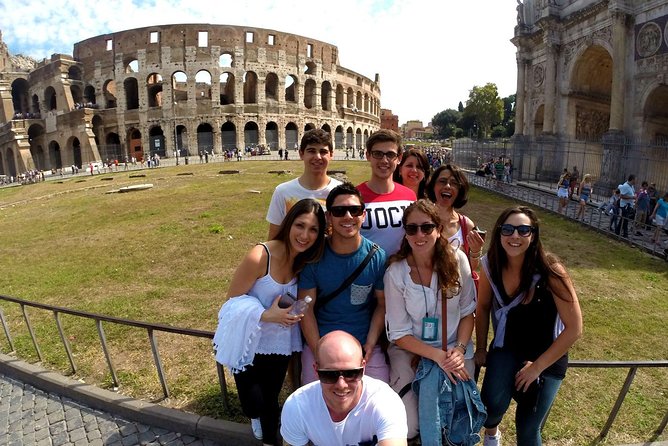
You start at 8:45am, and the meeting point is your hotel within Rome’s Aurelian Walls area. The practical win here is simple: you’re not hunting buses, figuring out metro connections, or losing half a morning to logistics. A private vehicle gets you to the action points, then your guide runs the day so you can focus on seeing.
This tour is built for people with limited time. You’re not just checking boxes—you’re getting guided context at each major site, while the schedule keeps you from burning hours in lines. The overall duration is about 8 hours, so it’s a long day, but it’s paced to fit two heavyweight stops: ancient Rome and Vatican City.
One note I’d plan around: the day includes worship sites, so you must follow the entry rules. Knees and shoulders have to be covered for everyone, and you’ll want shoes that can handle stone surfaces and uneven steps. If you forget, it can cost you time or even entry.
You can also read our reviews of more private tours in Rome
From the Piazza to the Colosseum: what your guide makes you notice
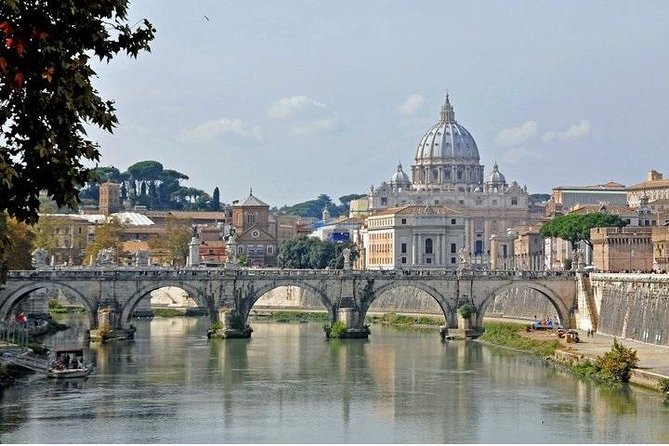
You begin with a walk along a piazza that leads into the Colosseum and Roman Forum area. That first stretch matters because you’re not dropped in front of a landmark—you’re getting your bearings for the scale and layout.
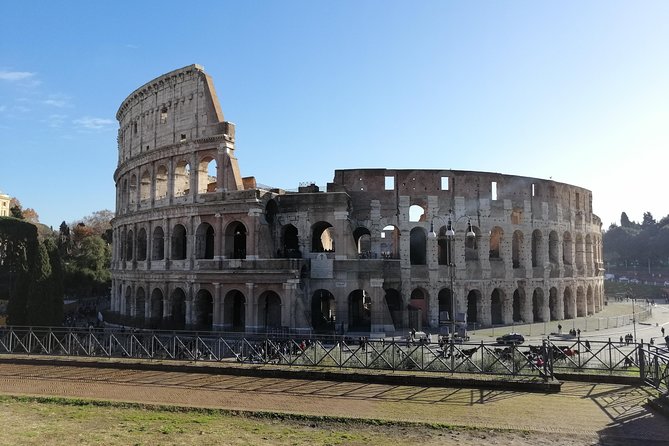
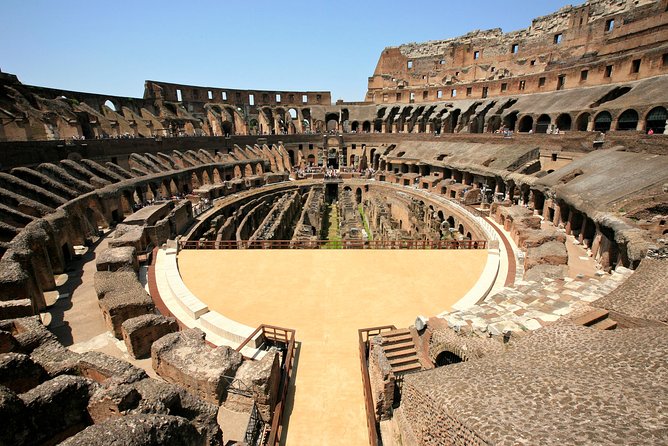
Then you step into the Colosseum itself for about 1 hour 30 minutes, with the entrance ticket included. The guide’s job is to help you see beyond the wow factor. You’ll get stories about:
- how this massive amphitheater could hold an estimated 60,000 spectators
- the claim that it was built in only 8 years
- what the design meant politically, not just architecturally
You’ll also hear how Romans used the arena for spectacle—gladiator fights, battles with wild animals, and even legendary sea-battle themes. It’s the kind of context that helps the building stop feeling like a pile of old stone and start feeling like a machine built to run public emotion and power.
Practical consideration: the Colosseum experience involves moderate walking and uneven steps. Closed-toe, non-slip shoes are required for safety, and the tour can be denied without the right footwear. If you hate slow-moving crowds, you’ll still need patience, but having a private guide and a timed plan helps you move with purpose.
Roman Forum stops that turn myths into real places
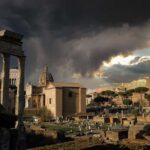
Next comes the Roman Forum, also around 1 hour 30 minutes, with admission included. This stop is great because the guide helps you read the ruins like a living map of ancient Rome’s beliefs, civic life, and public ritual.
What I like most here is the way the guide connects mythology and everyday life. You’re not only looking at columns and fragments—you’re hearing how religion, festivals, and political messaging shaped what people did. Expect stories tied to:
- the gods and popular celebrations of the era
- Saturnalia, and how it influenced the calendar shift that people connect today with December celebrations
- astrology connections via the zodiac references in ancient Rome
You’ll also hear about the Lapis Niger, described as the most ancient Latin text ever discovered, housed in the foundation of a column in the Forum. And the tour includes a visit or focus around the Temple of the Vestal Virgins.
The Vestal Virgins are a strong stop because the guide explains their role across different emperors and how their status was close to divine. Their key job was keeping the sacred fire of Vesta burning—the idea being that as long as the flame held, Rome would endure and remain victorious.
Drawback to keep in mind: this part of the day is still archaeological terrain. If you’re sensitive to uneven ground or stairs, take your time on transitions. It’s manageable for most visitors, but it’s not a flat museum floor.
Constantine’s Arch photo moment and a turning-point lesson
Between the Forum and the Vatican leg, you get a view of the Triumphal Arch of Constantine. This is a short stop designed for impact: it’s one of Rome’s most important triumphal arches, and the guide uses it to explain a shift in Roman art and politics.
The tour frames the arch as a kind of dividing line: a turning point between the rise of Christianity and the decline of the Roman Empire. Even if you already know the name Constantine, the guide’s explanation helps you understand why the arch matters visually—not just historically.
This is also your chance to reset your feet and grab photos without losing momentum.
Vatican Museums with fast-track entry and time for less-rushed rooms
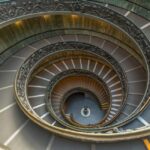
The Vatican Museums portion is the heavy lift of the day, and it’s where the structure of a private tour really shows. You’ll meet your guide and travel from your hotel to the Vatican Museums, then get fast-track entry to the museum complex.
The pitch of this experience isn’t only that it includes the big-ticket spaces. It’s that you’re guided through a route that includes standout stops and also time in rooms that are described as being closed to the general public at all times. That’s the difference between a rushed checklist and a guided highlight reel.
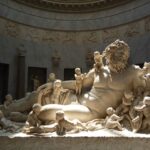
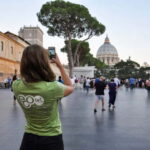
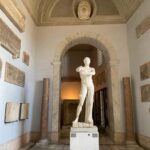
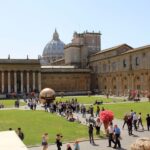
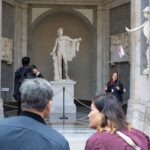
You spend time in the museum collections focused on sculpture, carvings, frescoes, and paintings spanning ancient to later periods. One highlighted moment is the Belvedere Courtyard, followed by key sculpture museum stops including the Laocoön and the Belvedere Torso, pieces deeply revered by Michelangelo and other Renaissance artists.
Another stop you’ll have time for is the Cortile della Pigna, the Court of the Pine Cone. It’s calm and visually satisfying after long indoor corridors. The courtyard is named for a colossal bronze pine cone dating back to ancient Rome, described as once serving as a fountain and now standing as the centerpiece.
Value angle: the Vatican Museums can feel like trying to win a maze. With a private guide, you get a route where each room links to the next, instead of you guessing what matters most.
You can also read our reviews of more museum experiences in Rome
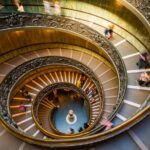
Maps, candelabras, and tapestries: the Vatican rooms you’ll actually remember
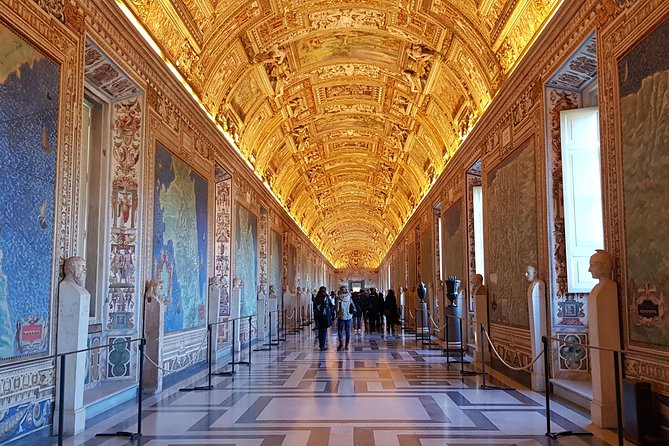
After the major sculpture highlights, the tour continues through several museum galleries that many visitors either skip or skim.
You’ll spend time in:
- the Gallery of Tapestries (about 20 minutes), featuring 15th and 16th-century tapestries with biblical and historical scenes, linked to designs from Raphael’s school
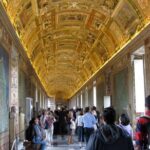
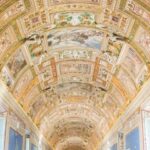
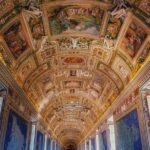
- the Gallery of Maps (about 20 minutes), inside the Vatican Museums, featuring topographical maps of Italy painted in the 16th century under Pope Gregory XIII, spanning about 120 meters
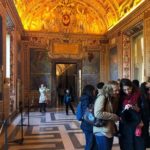
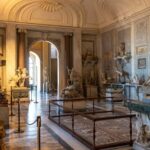
- the Gallery of the Candelabras (about 15 minutes), with Greek and Roman statues, sarcophagi, and reliefs, plus marble candelabra elements that break the gallery into thematic sections
These are the rooms that tend to stick because they’re specific. The maps gallery, in particular, turns Italy into a visual snapshot from the past, and it helps you understand why Vatican art wasn’t only about religious scenes. It also documented geography and power.
Timing reality check: these are shorter segments, so you won’t linger for an hour in one room. But that’s part of why the day works. You’re buying a guided sampler of the best-known Vatican highlights plus the more unusual galleries.
Sistine Chapel and St. Peter’s Basilica: big art, strict rules, tight timing
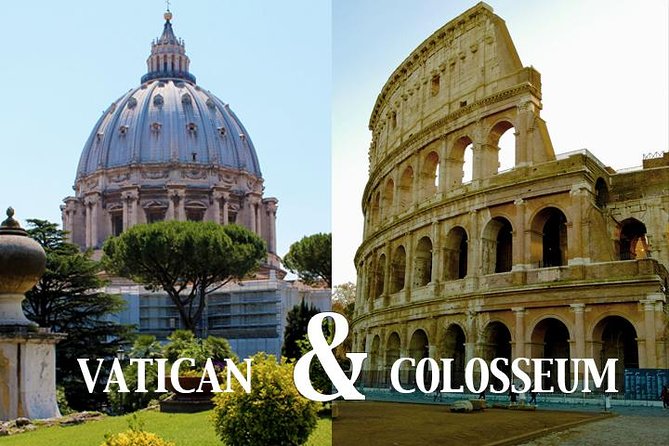
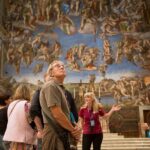
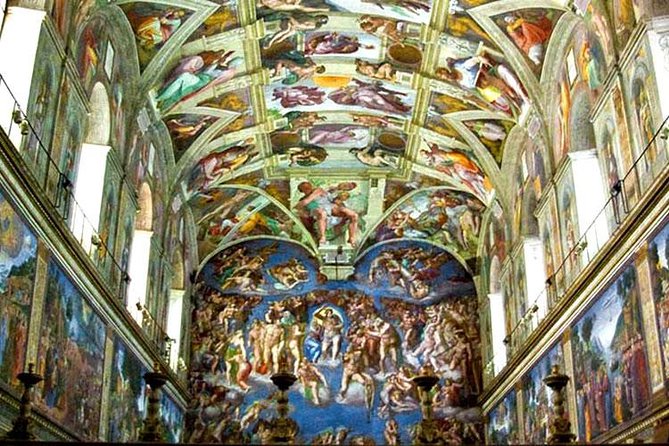
You then reach the Sistine Chapel for about 30 minutes. The focus is the chapel named for Pope Sixtus IV della Rovere and the iconic Michelangelo fresco work. There are also ceremonial roles connected to papal conclaves, but the main reason people come is the art, and your guide’s job is to help you read what you’re seeing in a short time.
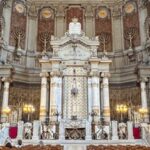
Then you move to St. Peter’s Basilica for about 20 minutes. The tour is designed for maximum wow with minimum wandering. You’ll learn that the basilica is traditionally built over Saint Peter’s tomb, and that major architects and artists associated with the build include Bramante, Michelangelo, and Bernini.
Key stops inside include:
- the Baldachin by Gian Lorenzo Bernini, described as towering over 90 feet and serving as the bronze canopy over the high altar
- Michelangelo’s Pietà (dated 1498–1499), housed in the basilica
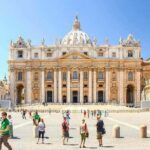
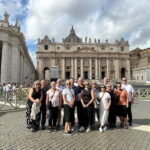
Finally, you step into the St. Peter’s Square area, or Piazza San Pietro. The design is credited to Bernini from 1656 to 1667, and the tour highlights the double colonnade, the central obelisk, and the two fountains. It’s a fitting closing scene because it shows the scale of the complex and the Baroque theater of it all.
One more practical issue: worship sites demand respect for dress rules, and Vatican security is part of the real-world experience. You’ll want to show up with covered knees and shoulders, and keep your ID details ready.
Price and value: what you’re paying for, and what you still must handle
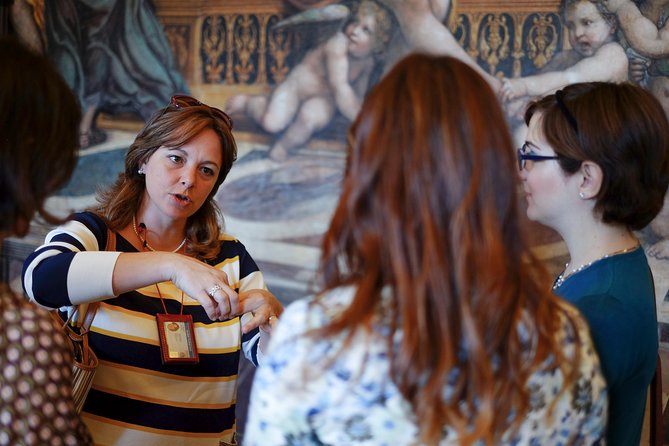
At $1,078.44 per person, this is not a budget day. You’re paying for three main things:
1) Private, door-to-door transportation between the Colosseum area and the Vatican
2) A Blue Badge guide who manages the schedule and the stories
3) Ticket coverage for major entry costs—Colosseum reservation and entrance fees, plus Vatican Museums tickets
Food is not included. That means your day needs a realistic plan for lunch, snacks, and water. If you skip thinking about this, you can end up spending more than you expected at busy spots near the sites.
Also remember the tour includes lots of indoor and outdoor time, so weather planning matters. From real-world experience, I’d treat Rome like it can switch modes fast. An umbrella and a fan can make a real difference in summer, and you’ll want breaks when offered.
The tour also comes with real-world entry rules that can affect value: you must provide full traveler names, match them to passports or photo IDs, and follow the dress code. If you arrive unprepared, you might lose time—or worse, face refused entry.
One more planning note: special periods like a Jubilee can mean closures or restoration changes for certain monuments. If messages arrive before your date, take them seriously. In Rome, the schedule sometimes changes.
Who should book this private Rome day?
This tour fits best if you want to do a lot without spending your day solving problems.
I think it’s especially good for:
- First-time Rome visitors who only have one day and want both ancient Rome and the Vatican in the same trip
- People who value a guide who can explain big places in plain language, like how guides such as Benjamin are praised for handling queues and explaining details in a way that worked for adults and kids alike
- Families with kids, since the day has been successfully done with younger teens (for example, a family praised the guide’s ability to keep two 12-year-old boys engaged)
- Art and architecture lovers who want specific Vatican moments like the Gallery of Maps and the Baldachin rather than only the headline spaces
If you prefer a very slow pace, you might find the schedule intense. But if you like structure and getting the most out of limited time, this is built for you.
Should you book it?
Book it if:
- you want a private experience with hotel pickup and transport handled
- you care about skip-the-line momentum at the Vatican Museums
- you want guided context at both ancient Rome and the Vatican without stitching together multiple tours
- you’re comfortable with a long day of walking and strict dress rules
Skip it if:
- you hate being on a fixed schedule
- you’re not willing to plan around dress code and ID matching
- you want a relaxed, wandering pace with lots of free time for stopping whenever you like
If you choose this one, do it with a strategy: good shoes, covered shoulders and knees, and a simple plan for food. Then you’ll get the best part—seeing two of Rome’s greatest worlds in a single day without wasting hours in logistics.
FAQ
What time does the tour start?
The tour starts at 8:45am.
Is hotel pickup included?
Yes. Pickup is offered from your hotel/accommodation in Rome city center within the Aurelian Walls.
Is this a private tour?
Yes. It’s a private tour/activity, meaning only your group participates.
How long is the tour?
The duration is about 8 hours.
Are tickets included for the Colosseum and Roman Forum?
Yes. Entrance fees for the Colosseum and Roman Forum are included, along with the Colosseum reservation fee.
Are Vatican Museums tickets included?
Yes. Vatican Museums Tickets are included.
Is food or lunch included?
No. Food, drinks, and lunch are not included.
What dress code do I need for churches and museums?
You need to cover knees and shoulders for both men and women. No shorts or sleeveless tops are allowed, and entry can be refused if you don’t comply.
Do I need to bring ID?
Yes. You must present a valid passport or photo ID that matches the name provided at booking.
Is there free cancellation?
Yes. You can cancel for a full refund up to 24 hours before the experience’s start time.