REVIEW · PARIS
Paris: Louvre Museum Tour Mona Lisa & Iconic Masterpieces
Book on Viator →Operated by GetYourGuide France · Bookable on Viator
One of the Louvre’s main problems is that it’s too big. This 2-hour highlights tour focuses on the works most people come for—plus a few you might miss—so you can actually enjoy the art instead of wandering in circles.
Two things I really like: you get a pre-reserved museum ticket with a licensed guide to help you move efficiently, and the audio headsets let you hear the commentary clearly even when the group shifts.
One thing to think about: the Louvre security check can still create some waiting when it’s busy, and the tour ends under the pyramid with rules about re-entry.
In This Review
- Key Things That Make This Louvre Tour Work
- Why a 2-Hour Louvre Highlights Tour Makes Sense
- Meeting Point Near Place Colette and What the End Means
- Skip the Main Ticket Line, But Expect Security
- The 2-Hour Palace Route: From Greek Sculpture to Renaissance Portraits
- Mona Lisa Timing: How to Survive the Crush
- Basement Foundations and the Louvre’s Building Story
- Headsets, Group Size, and Staying Together Without Losing Your Mind
- How the Guides Change the Feel of the Tour
- Price and Value: What You’re Paying For
- Who This Tour Is Best For (and Who Might Skip It)
- Should You Book This Louvre Tour?
- FAQ
- How long is the Louvre Museum Tour Mona Lisa and Iconic Masterpieces?
- Is the museum entrance ticket included in the price?
- Do I need to buy separate tickets for the Louvre?
- Where does the tour start, and where does it end?
- How many people are in the group?
- Will I see the Mona Lisa and other major artworks like Venus de Milo and Winged Victory of Samothrace?
- Do you get audio headsets during the tour?
- Who can get free admission?
Key Things That Make This Louvre Tour Work
- Pre-reserved ticket access helps you skip the long ticket-buying line
- Audio headsets keep the guide’s explanations clear without you glued to their shoulder
- Mona Lisa plus major anchors like Venus de Milo and Winged Victory of Samothrace
- A smallish group cap (max 25) makes it easier to stay together than a huge crowd
- Departure times vary, so you can pick a slot that fits your day and crowd levels
- You can stay afterward in the museum where you’re left, but re-entry is restricted
Why a 2-Hour Louvre Highlights Tour Makes Sense
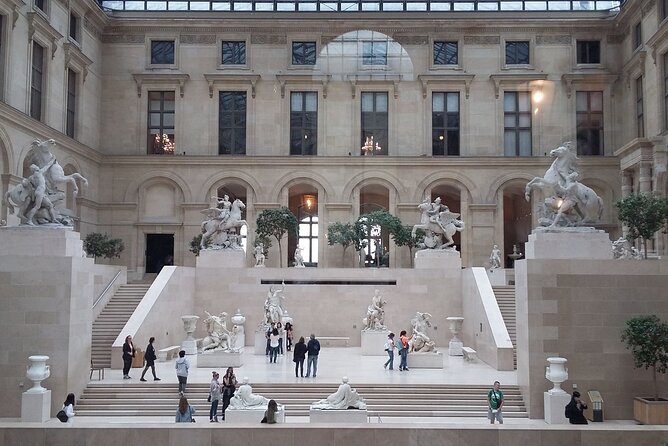
The Louvre isn’t a museum you “do.” It’s a museum you survive—at least the first time—because the building is huge and the collections sprawl across rooms that feel endless. A tight, guided highlights run is a smart way to get your bearings fast and leave with a clear sense of what you want to revisit.
This tour is built for that exact problem. You’re not trying to see everything. You’re getting the big story of the Louvre through key works and a logical path through the palace.
And it has a practical advantage: you’ll spend your limited energy where it matters most—on masterpieces and the context around them—rather than standing around trying to figure out where to go next.
You can also read our reviews of more museum experiences in Paris



Meeting Point Near Place Colette and What the End Means
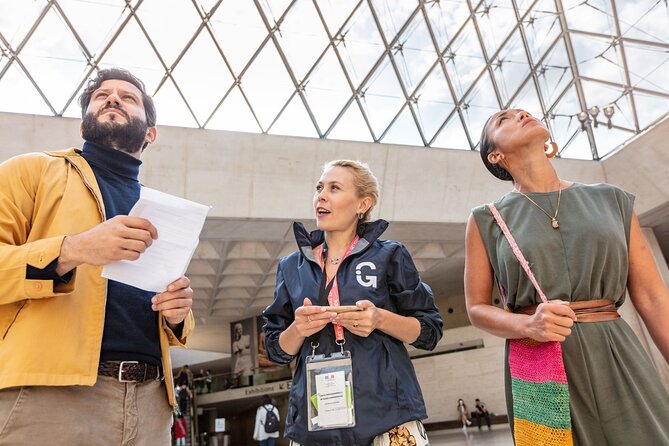
The tour starts at Le Kiosque des noctambules, 12 Pl. Colette, 75001 Paris. That’s an area where you’re close to public transport, which matters because the Louvre zone can get crowded and complicated if you’re trying to self-navigate right at opening time.
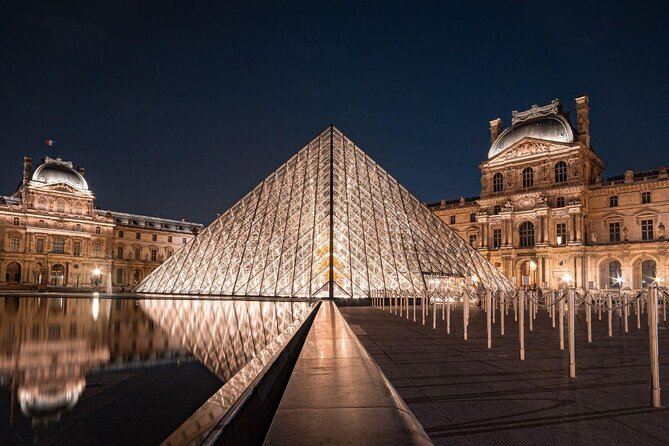
You end inside the Louvre Museum, and here’s the key rule: once you’ve exited the wings and are under the pyramid, you cannot re-enter the rooms. That means you should treat the guided portion as your plan anchor, then decide what to explore next based on where you’ll be left afterward.
If you prefer a slow, meandering museum day, this tour still works—but only if you’re strategic about what you want after the tour ends.
Skip the Main Ticket Line, But Expect Security
One of the biggest selling points is reserved access. In practice, that usually means you avoid the worst part of the crowds: the line to buy tickets. That can be the difference between seeing the Mona Lisa in a reasonable window versus watching people drift past you while you wait.
That said, the Louvre isn’t letting anyone in without checks. Even with reserved entry, you should expect to go through security screening, especially on busy days. If you’re the kind of traveler who hates any line at all, you may still find that part annoying.
Bottom line: this tour helps most with the ticket bottleneck, not with removing the Louvre’s whole security process.
The 2-Hour Palace Route: From Greek Sculpture to Renaissance Portraits
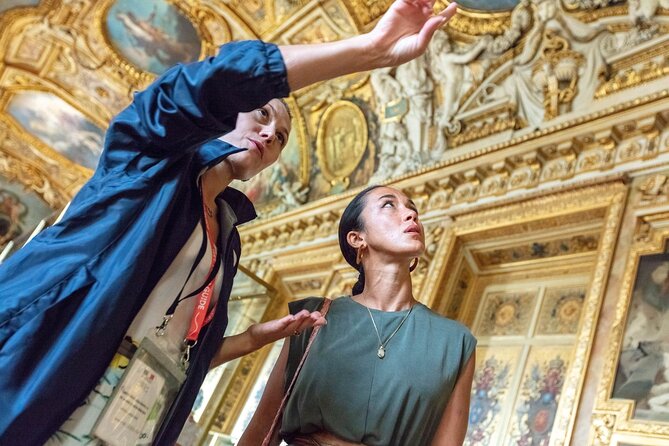
Inside the Louvre, the tour is organized around recognition. You’ll get a fast, guided survey that moves across major eras so you don’t feel like you’re looking at random paintings and statues with no thread connecting them.
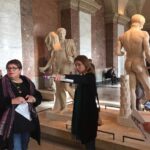
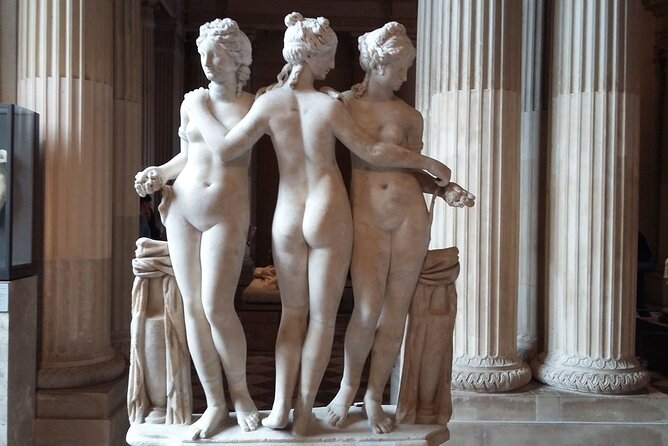
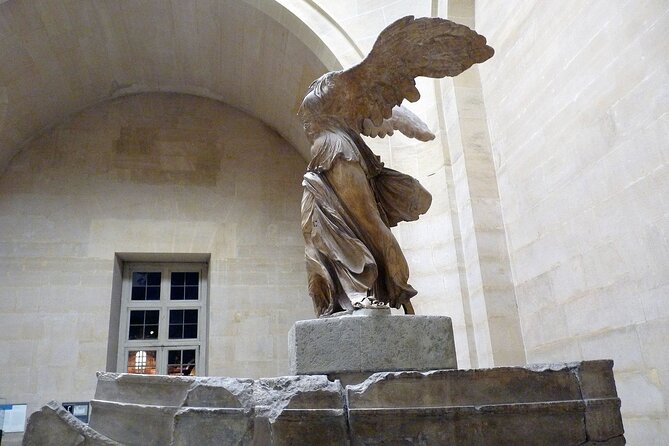
You’ll see anchors like Venus de Milo and Winged Victory of Samothrace, which are famous for a reason: they’re not just pretty. They’re masterclasses in form, proportion, and how artists pushed realism and drama.
You’ll also get time on Renaissance treasures, including Mona Lisa—and the tour is positioned so the guide can explain what you’re looking at before you lose patience in the crowds.
Then you’ll shift across other parts of the collection range mentioned for this tour, including 13th to 19th-century paintings and prints from the Royal Collection. That spread is useful because it gives your brain a wider frame of what the Louvre collects, not just a single era of art.
Mona Lisa Timing: How to Survive the Crush
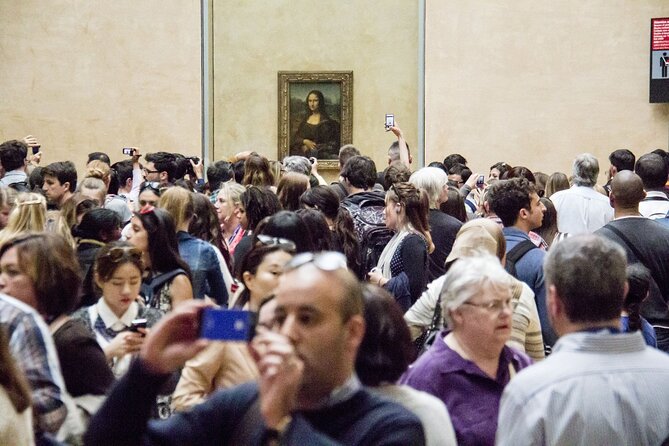
Mona Lisa is the Louvre’s gravity well. It pulls people from every direction, and the viewing area can become its own kind of traffic jam. So you’ll want to be mentally prepared for the fact that seeing her up close can mean squeezing with the crowd.
The good news is that the tour is designed to get you there as part of a highlights route, with the guide’s help and timing. That typically means you won’t waste your time trying to locate her while everyone else is already in position.
Once you’re near the painting, focus less on getting the perfect selfie spot and more on what the guide points out: the painting’s details and the why-it-mattered context. That’s where the tour adds real value, because the Mona Lisa is famous, but the art conversations are what make it feel personal.






Basement Foundations and the Louvre’s Building Story
Not everything is about artworks on walls. In the Louvre Palace basement area, this tour includes a look at the foundations of the castle that once stood on the site.
That part is genuinely useful. The Louvre can feel like a maze because it is. Seeing the foundation story gives you a sense of how the building evolved over time, which makes it easier to understand why the museum is laid out the way it is.
If you’re the type who likes history that explains why buildings became what they are, this stop adds weight to the experience. It also breaks up the “just look at paintings” rhythm, which helps in a tour that’s only about two hours.
Headsets, Group Size, and Staying Together Without Losing Your Mind
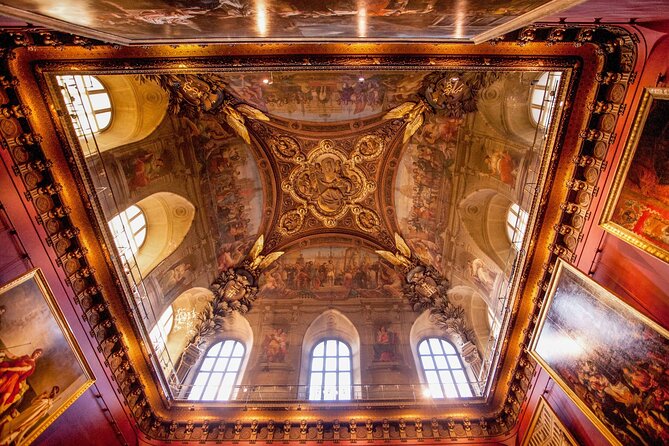
The tour includes audio headsets, and this matters more than it sounds. In the Louvre, noise and crowd movement make it hard to hear a guide if you’re not standing in exactly the right spot. With headsets, you can keep pace without constantly craning your neck or getting separated.
Group size is capped at 25 travelers. That’s not private, but it’s small enough that a good guide can keep everyone moving and oriented. You’ll likely still need patience at transitions, though—some tours can slow down if the group has lag time.
There’s also a practical headset tip from the experiences shared: if you have a child in the group and the headset shape feels uncomfortable, you might consider using your own earphones if the system allows it. The tour setup described includes the possibility of plugging in personal earphones.
How the Guides Change the Feel of the Tour
A Louvre highlights tour is only as good as the person steering it. This one has a licensed guide, and the guide styles described are pretty consistent: clear explanations, good pacing for the time limit, and strong crowd navigation.
Names that show up in the experience record include Andrea, Martina, Maryam, Gabriella, Benito, Sophie, Imad, and Leticia. The strongest feedback isn’t just that they knew art. It’s that they helped people make sense of it quickly, and they kept the flow moving through the big rooms.
There’s one downside worth mentioning: if a guide’s pace runs fast for your group, the tour can feel like it’s moving ahead of your comfort level. That’s less about the tour structure and more about day-to-day dynamics inside the museum. If you’re sensitive to speed, choose a departure time when crowds are lower.
Price and Value: What You’re Paying For
The price is listed at $108.13 per person, and the tour includes a €22 museum entrance ticket, a 2-hour guided tour, and audio headsets.
So what’s the value? You’re paying for three things that are hard to replicate on your own:
- Time savings from reserved entry (especially the big ticket-buying line problem).
- Human context that turns famous works into something you understand, not just something you recognize.
- Navigation through an overwhelming museum in a set amount of time.
If you were planning to go solo, you might still get in faster with a reserved ticket—but you’d lose the guided path and the targeted focus on pieces like Venus de Milo, Winged Victory of Samothrace, and Mona Lisa. For many first-timers, that trade is worth it.
Who This Tour Is Best For (and Who Might Skip It)
This works best if you’re on a first visit and want a clean overview without burning your whole day. It’s also a good fit for anyone who wants to come away knowing which parts of the Louvre deserve a second pass.
It’s also helpful for families trying to avoid burnout. The tour structure gives you a “plan” inside the museum, rather than leaving kids (and adults) to cope with the endless scale.
If you’re a total art-history deep diver with specific interests—say, only one school of painting or one wing—then you might do better with a more specialized plan or more time on your own. A two-hour route can’t satisfy a narrow obsession.
Should You Book This Louvre Tour?
I’d book it if you want a smart, time-friendly Louvre start: reserved access, a licensed guide, and headsets that keep the information clear while you move through the highlights. It’s especially appealing if you hate wasting hours figuring out where to go and you want to focus on the works you care about most.
I wouldn’t book it as confidently if you’re strongly line-averse, hate any waiting even during security, or need a super-slow museum pace. In that case, pick a calmer departure time and go into the plan knowing the tour ends under the pyramid with limits on re-entry.
If you want, tell me your travel month and whether you’re visiting on a weekday or weekend. I’ll suggest the best kind of time slot to pair with this tour.
FAQ
How long is the Louvre Museum Tour Mona Lisa and Iconic Masterpieces?
It’s listed as about 2 hours.
Is the museum entrance ticket included in the price?
Yes. The included cost is a €22 entrance ticket to the museum.
Do I need to buy separate tickets for the Louvre?
No separate tickets are mentioned. You enter the museum with the group using the pre-reserved ticket provided for the tour.
Where does the tour start, and where does it end?
It starts at Le Kiosque des noctambules, 12 Pl. Colette, 75001 Paris, and ends inside the Louvre Museum at 75001 Paris.
How many people are in the group?
The maximum group size is 25 travelers.
Will I see the Mona Lisa and other major artworks like Venus de Milo and Winged Victory of Samothrace?
Yes. The tour description specifically calls out the Mona Lisa and also highlights Venus de Milo and the Winged Victory of Samothrace.
Do you get audio headsets during the tour?
Yes. Audio headsets are included so you can hear the guide better while moving through the museum.
Who can get free admission?
Free admission applies to visitors under 18 and EEA residents under 26, with valid ID and proof of residency.