REVIEW · VIENNA
Third Man Museum Admission Ticket Vienna
Book on Viator →Operated by Third Man Museum · Bookable on Viator
Movie history feels hands-on here. The Third Man Museum turns The Third Man into real objects you can study, from scripts to filming gear, while also placing you in the mood of occupied Vienna (1945–1955) across its exhibition rooms. I especially love seeing original production items like Anton Karas’s zither and the handwritten-looking script material you don’t get to encounter on a screen.
I also like how the museum frames the film alongside the everyday feel of postwar life, so it’s not just movie trivia. One thing to consider: this is a tight window experience, with opening hours listed for Saturdays from 2:00 PM to 6:00 PM, so your Vienna plan needs to match that.
In This Review
- Key Things to Know Before You Go
- Third Man Museum Vienna: More Than a Film Fan Stop
- What You’ll See: 3,000+ Originals and 13–16 Rooms of Evidence
- The Most Notable Artifacts: Zither, Scripts, Cameras, and More
- How the Museum’s Setup Helps You Watch Differently
- Timing Your Visit: 1–2 Hours Works Best, Especially on Saturdays
- Ticket Value and Practical Tips for a Smooth Entry
- Who This Is Best For (and Who Might Skip It)
- What I’d Expect From the Staff Experience
- Should You Book the Third Man Museum Admission Ticket?
- FAQ
- FAQ
- How much is the Third Man Museum admission ticket in Vienna?
- How long should I plan to spend at the museum?
- Is the ticket a mobile ticket?
- What is included with the ticket price?
- What is not included?
- What kinds of items will I see inside?
- When is the museum open?
- Is the museum located near public transportation?
- Is this experience private?
- Can I cancel for free?
Key Things to Know Before You Go
- Original props and documents tied directly to The Third Man
- Occupied Vienna context (1945–1955) that adds meaning beyond film facts
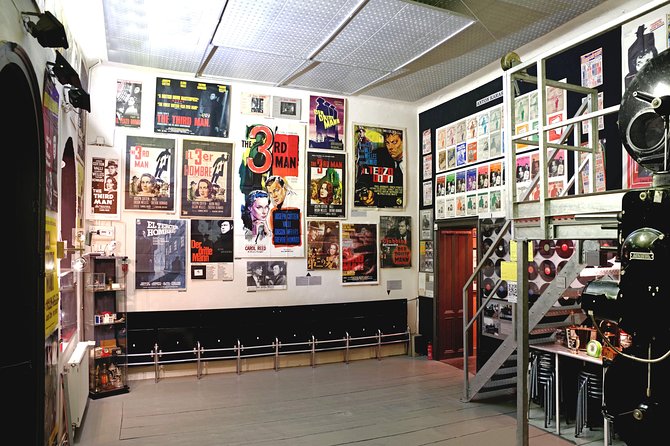
- Hands-on production details like cameras, a functional projector, and period posters
- A focused visit length of about 1–2 hours, so it fits easily between plans
- Strong staff reputation, with visitors praising the museum leadership and team
Third Man Museum Vienna: More Than a Film Fan Stop
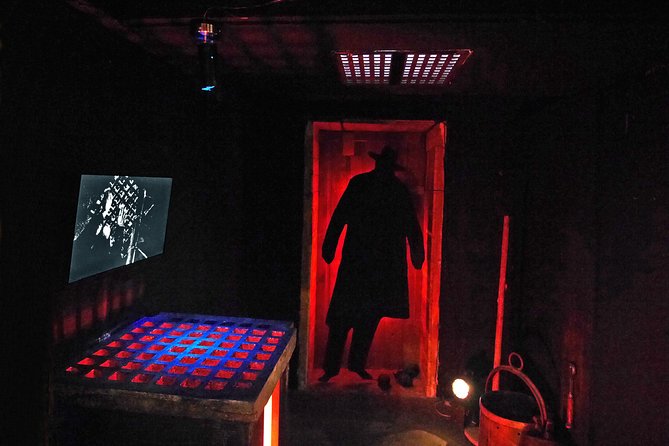
If you like movies, you’ll enjoy this. If you like history, you’ll probably enjoy it even more. The Third Man Museum is built around artifacts from The Third Man and the world around it, so you get the film’s look and the era’s atmosphere in the same walk.
It’s also good value for what you’re paying. The ticket is $20 and includes the entrance fee, which matters because admission-only venues can feel pricey if the collection isn’t strong. Here, the museum emphasizes original material, and the overall vibe is that someone cared a lot about how the story is told.
A few more Vienna tours and experiences worth a look


What You’ll See: 3,000+ Originals and 13–16 Rooms of Evidence
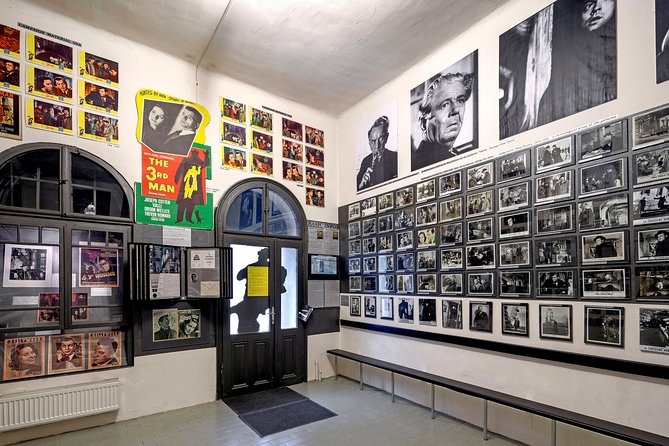
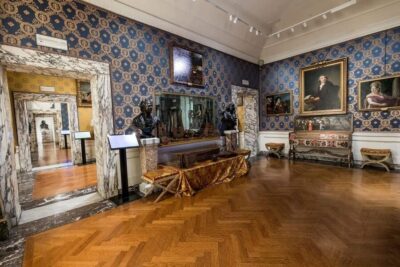
The heart of the experience is scale plus variety. The museum presents more than 3,000 originals from around the world, showing how The Third Man became an international success. Your visit is structured through the museum’s rooms (organized across thirteen rooms, with the route covering about sixteen rooms worth of displays), so you’re not stuck in one themed corner.
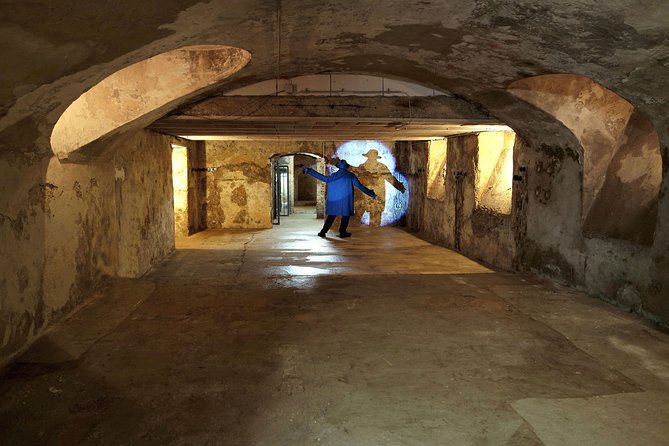
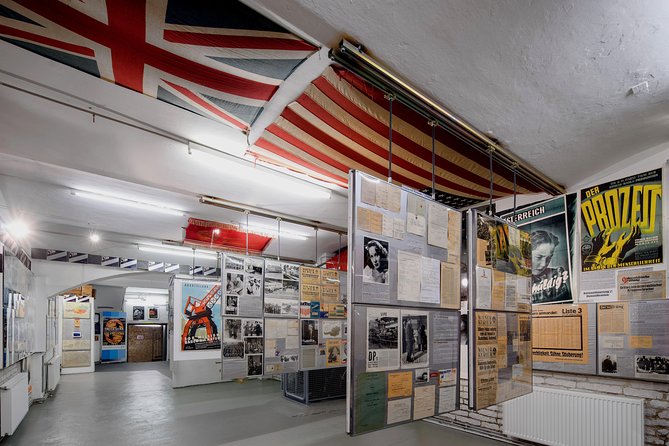
The storyline is tied to the setting and timing of the film, with displays that help you understand occupied Vienna across 1945–1955. That timeframe is the key. Even if you already know the movie well, the museum’s method nudges you to see how production and setting overlap—how a film can reflect a city’s mood without turning it into a textbook.
The Most Notable Artifacts: Zither, Scripts, Cameras, and More
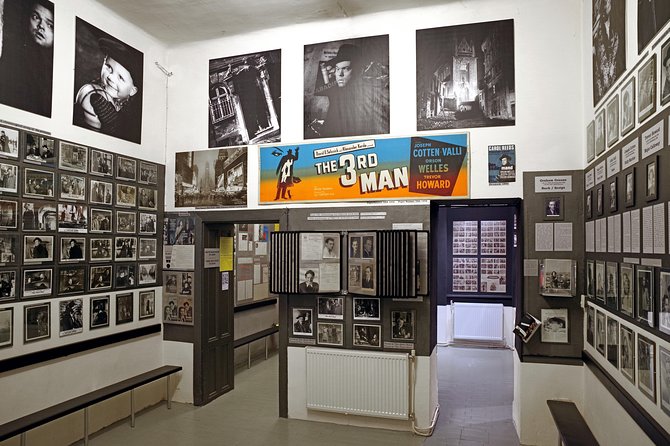
This is where the museum earns repeat visits for movie people. The objects aren’t just replicas in a generic way. They’re specific, named, and tied to the production process, which makes your brain switch from watching to investigating.
Here are some of the standout items you’ll encounter:
Anton Karas’s original zither
You can see the original zither used by Anton Karas when recording the film music in London. That detail is a big deal because music is one of the most memorable parts of The Third Man, and here it’s connected to a real physical instrument.
Original film scripts, from draft to final
The museum includes original film scripts ranging from first draft to final release script. Even if you’re not a screenwriter, it’s fascinating to see the idea of change—how the story solidifies and how small decisions can ripple through the final outcome.
Two cameras linked to Vienna special effects
You’ll also see two cameras that were rented by the Third Man film crew in Vienna for special effects. That’s the kind of production detail that makes a film feel less like magic and more like craft.
The projector Ernemann VIIb (1936), fully functional
The museum features a fully functional projector called Ernemann VIIb, dating from 1936. A working piece of equipment can make the film history feel real in a different way, because you’re seeing the machinery side of cinema, not just posters and photos.
Little Hansel’s original cap
There’s also an original cap associated with Little Hansel. Costume items like this work because they anchor a character in a single, tangible artifact.
Historic posters and cinema ephemera
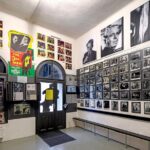
Plan on seeing film posters, lobby cards, and cinema programs. This part is especially useful if you’re the type who likes to compare how movies were marketed across different places and formats.
How the Museum’s Setup Helps You Watch Differently
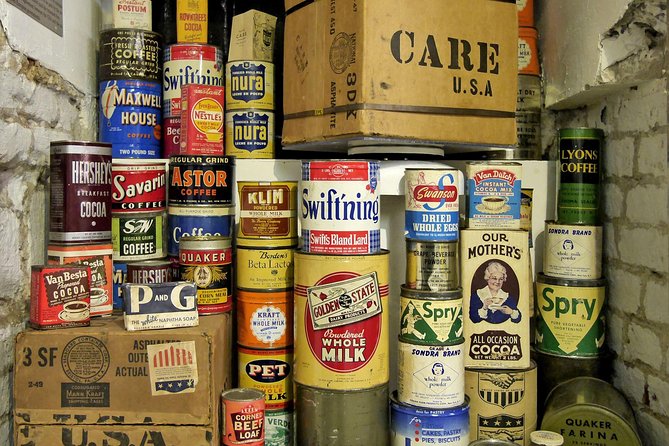
Museums can sometimes feel like a storage unit for trivia. This one is different because the objects are organized in a way that encourages connections.
For example, pairing scripts with other production items (like cameras and the projector) helps you understand cinema as a system: writing, filming, sound, and projection all feed each other. And tying those artifacts to occupied Vienna gives you a second layer. You’re not only asking what happened in the movie—you’re asking what the city and the period made possible.
The result is that you spend time reading details, but you also get time thinking. It’s the kind of museum visit where you might pause more than you expect because one object triggers questions about another.
Timing Your Visit: 1–2 Hours Works Best, Especially on Saturdays
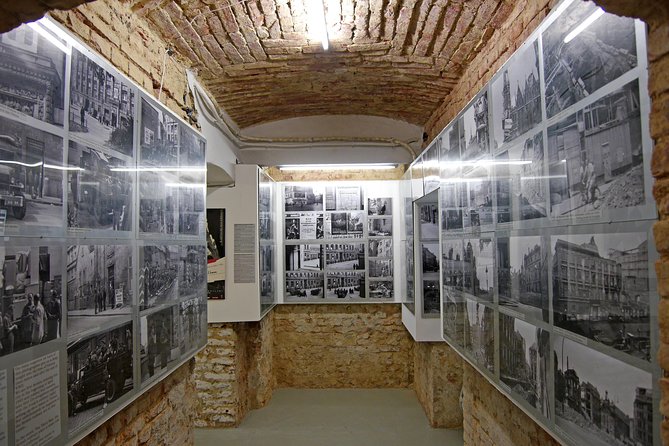
The experience is listed at about 1–2 hours. That’s a very workable length. If you’re building a day with other Vienna sights, you won’t feel trapped. It’s long enough to see the major artifacts without rushing, and short enough to keep your evening plans intact.
The catch is the schedule. The opening hours are listed as Saturday 2:00 PM–6:00 PM, within the 03/29/2025–06/13/2026 window. If your trip doesn’t land on a Saturday afternoon, you’ll want to adjust your itinerary around this.
Also, it’s near public transportation, so you can fit it into a route without needing a car.
You can also read our reviews of more museum experiences in Vienna





Ticket Value and Practical Tips for a Smooth Entry
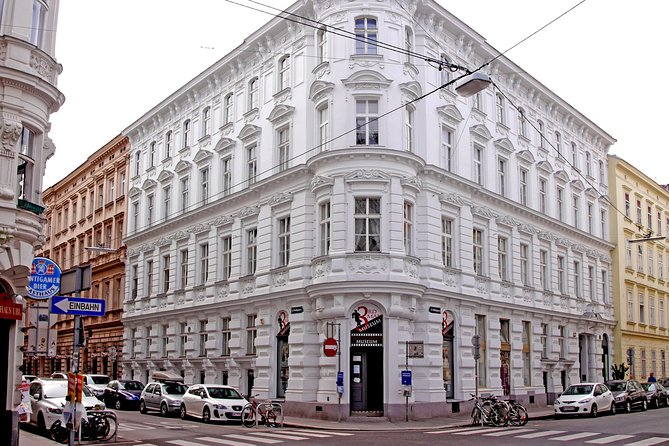
The ticket includes the entrance fee, and it’s described as a mobile ticket, which is convenient in a city where you might not want to hunt for paper. You should also expect confirmation at the time of booking.
Because the museum is focused, I suggest you treat it like a targeted activity, not a casual wander. If you’re a fan of The Third Man, you’ll likely appreciate spending more time in the rooms with scripts, cameras, and the projector. If you’re more general-interest, you’ll still get value from the zither, posters, and the overall postwar atmosphere—but you may want to move with intention so you don’t feel lost.
One small practical thought: since opening hours are limited, arrive ready to start your visit promptly within the available time window.
Who This Is Best For (and Who Might Skip It)
This is ideal for:
- Movie fans of The Third Man
- People who enjoy World War II–era context in Vienna
- Anyone who likes original artifacts tied to how a film was made
It’s also a good choice if you want something different from the usual big museum loop. You’re not just looking at art or architecture—you’re looking at production materials and marketing objects, with the era as the connecting thread.
You might think twice if your interests are mostly general sightseeing and you don’t care about film artifacts. This isn’t a wide-ranging museum for every taste. It’s focused, and the payoff is strongest when you like film history or the specific story-world of The Third Man.
What I’d Expect From the Staff Experience
The museum’s reputation is unusually positive for a smaller attraction. Reviews point to the museum leadership and staff being very nice and accommodating, with emphasis on attention to detail. That matters because collections can be dense, and good staff help you get more from the objects without you having to guess what you’re seeing.
Even if your visit is self-paced, it’s helpful to know you’re in a place that takes explanation seriously.
Should You Book the Third Man Museum Admission Ticket?
Yes—if you fit the audience. For $20 with entrance included, the museum offers exactly what it promises: original film-related artifacts, production equipment, scripts, and visual ephemera, all tied to occupied Vienna (1945–1955). The structure supports a calm, thoughtful visit of 1–2 hours, and the staff reputation adds confidence that the details won’t feel cold or random.
I’d especially book it if you’re visiting Vienna on a Saturday afternoon. The opening time window is real, and the museum is the kind of stop you’ll wish you had planned rather than squeezed in last minute.
FAQ
FAQ
How much is the Third Man Museum admission ticket in Vienna?
The price is $20.
How long should I plan to spend at the museum?
Plan on about 1 to 2 hours.
Is the ticket a mobile ticket?
Yes, the admission ticket is listed as a mobile ticket.
What is included with the ticket price?
The entrance fee is included.
What is not included?
Food and drinks are not included, and transportation to and from the attraction is not included.
What kinds of items will I see inside?
You can see original items such as Anton Karas’s original zither, original film scripts (from first draft to final release script), two cameras used in Vienna for special effects, the original cap of Little Hansel, a fully functional projector (Ernemann VIIb, dating from 1936), and historic posters, lobby cards, and cinema programs.
When is the museum open?
Opening hours are listed for Saturdays from 2:00 PM to 6:00 PM, within the period 03/29/2025 to 06/13/2026.
Is the museum located near public transportation?
Yes, it is near public transportation.
Is this experience private?
It is listed as a private tour/activity, meaning only your group will participate.
Can I cancel for free?
Yes. You can cancel up to 24 hours in advance for a full refund. If you cancel less than 24 hours before the start time, the amount paid is not refunded.