REVIEW · VIENNA
Vienna Kunsthistorisches Museum Day Admission Ticket
Book on GetYourGuide →Operated by Kunsthistorisches Museum · Bookable on GetYourGuide
Rubens and ancient Egypt, in one royal building. This Kunsthistorisches Museum day ticket gets you into a world-class collection built for Emperor Franz Joseph, and I love how smoothly it moves from legendary painting names to human-size details you can actually study. The Picture Gallery alone is worth your time, with major works by Rubens, Rembrandt, Raphael, Velázquez and others, all in a museum that feels built for big ideas. The main drawback is simple: this place is huge, so if you show up late or try to rush, you’ll feel like you missed half the fun.
You’ll also get the “wait, what is that?” moments that make Vienna trips special: the Kunstkammer crafts and goldsmith work (including Benvenuto Cellini) and the dazzling jewel displays connected to Empress Elisabeth. And yes, there are famous legendary-objects on view—like the Holy Grail and the horn of the unicorn—where history, belief, and display cases all collide. Plan for a few hours of walking and standing, but the payoff is that your day feels like more than a museum visit.
In This Review
- Key things that make this ticket worth your time
- A museum that feels like Vienna’s art vault
- Picture Gallery: the heavyweights (and why the room helps)
- Kunstkammer: goldsmith genius and objects you have to see in person
- Jewels and imperial leftovers: the Elisabeth connection
- Myth-meets-history: Holy Grail and the unicorn horn
- Don’t skip the older worlds: Egypt and classical antiquity
- How long to plan: a realistic 1-day route
- Audio guide: when it’s worth the extra money
- Price and value: €25 for what you actually get
- Entering smoothly: voucher reality check
- Who should book this admission ticket?
- Should you book this ticket?
- FAQ
- How long is the admission ticket valid?
- Is an audio guide included in the ticket price?
- Do I need a printed voucher to enter?
- Can children and young people enter for free?
- Is the museum wheelchair accessible?
- Can I cancel for a full refund?
Key things that make this ticket worth your time

- Old-world masterpiece power in the Picture Gallery, from Rubens to Vermeer, Raphael, Velázquez, and more
- Kunstkammer craftsmanship featuring goldsmiths like Benvenuto Cellini and intricate filigree work
- Imperial jewelry context including parts of the original jewelry of Empress Elisabeth
- Legendary treasures on display such as the Holy Grail and the horn of the unicorn
- A building you can’t ignore, including an imposing staircase where Gustav Klimt collaborated
A museum that feels like Vienna’s art vault

The Kunsthistorisches Museum isn’t just a place to look at paintings. It’s a grand statement from Vienna, built to house the imperial collections, and it has that “step in and slow down” effect the moment you arrive. Emperor Franz Joseph’s goal was simple: keep important treasures together, and give them a home worthy of their scale. Walking through it, you feel how much care went into showing art and objects as something powerful and permanent.
I especially like that the museum doesn’t trap you in one era. You can start with ancient Egypt and classical antiquity, then move forward to later centuries, including the late 18th-century range. It’s a full sweep, but the layout makes it possible to choose your own pace without feeling totally lost.
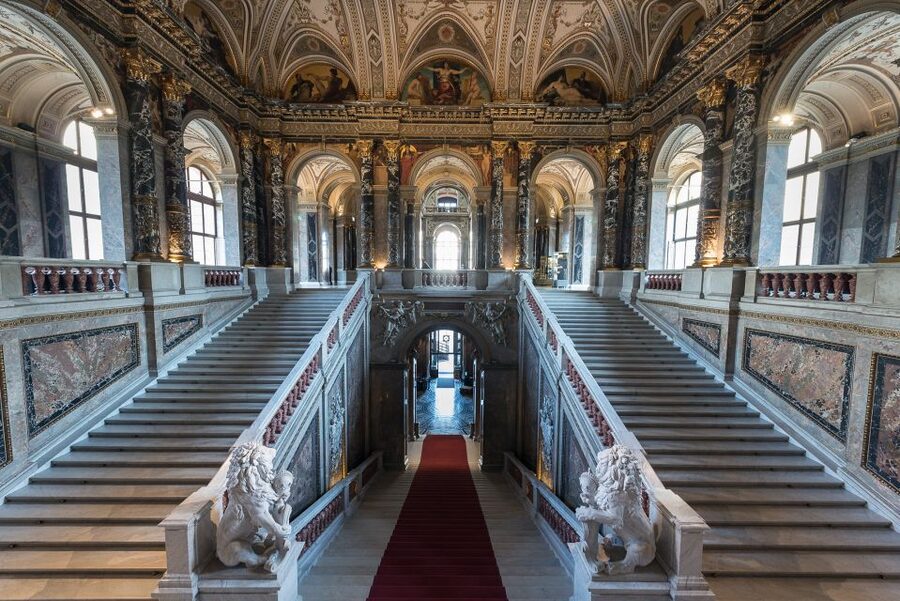
Also, the building itself matters. The staircase is a highlight, and it even includes paintings on which Gustav Klimt collaborated. Even if you’re not an architecture fan, you’ll probably pause here—because the room is doing as much storytelling as the art.
A few more Vienna tours and experiences worth a look


Picture Gallery: the heavyweights (and why the room helps)
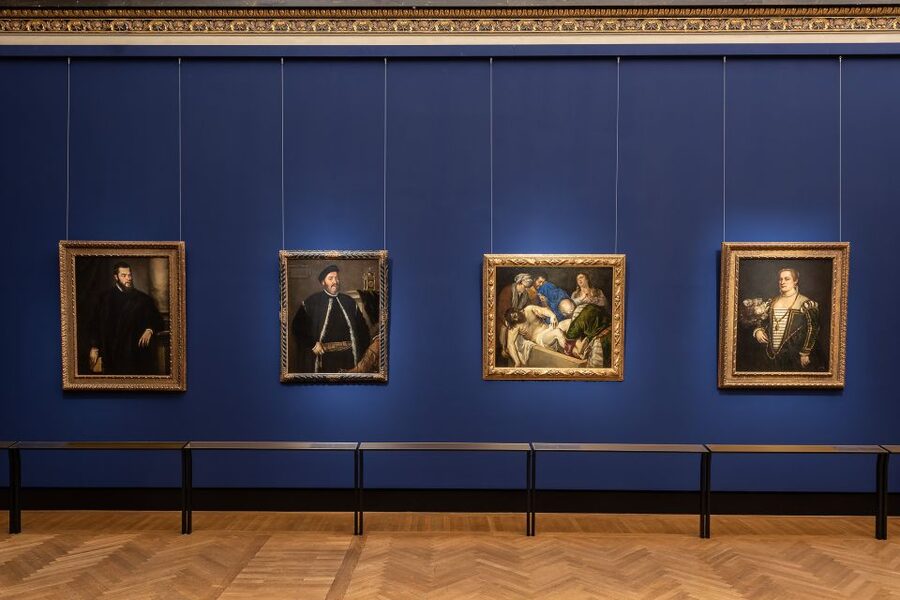
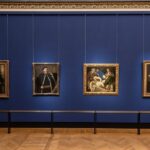
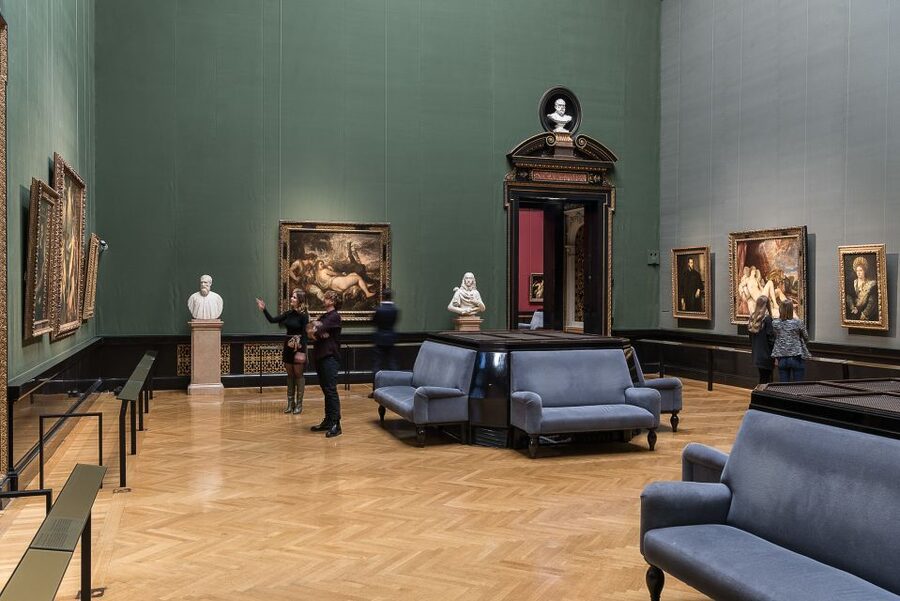
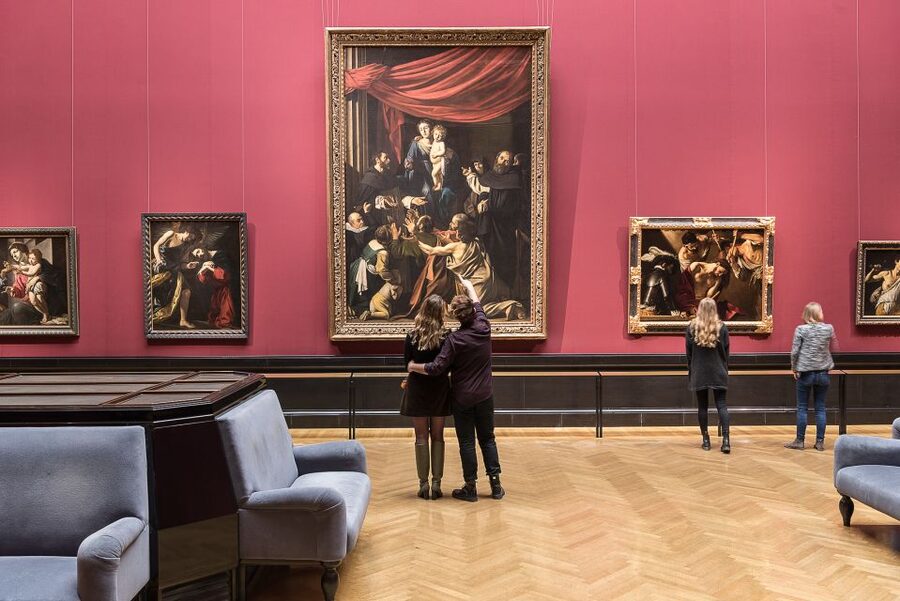
If your main reason for coming to Vienna is paintings, this is one of the strongest days you can have. The Picture Gallery brings together major names like Rubens, Rembrandt, Raphael, Vermeer, Velázquez, Titian, and Dürer—plus others you’ll spot as you move between rooms. It’s the kind of lineup where you start by checking names off, then soon realize you’re studying technique and light.
What I like about the way the Picture Gallery is set up is that it encourages close viewing. You can find yourself lingering on details, like how a face is built with layers or how a scene creates depth with very controlled color choices. And because the museum is designed as an experience, you don’t feel like you’re just rushing from one canvas to the next. You can actually stop, compare, and feel the evolution between artists.
One practical tip: don’t try to “do” every painting. Pick a handful of artists you care about most—then let the surrounding works earn their place. That approach helps you avoid the common museum problem where you spend 90 minutes speed-walking and then feel oddly satisfied but not really moved.
Kunstkammer: goldsmith genius and objects you have to see in person
Then there’s the Kunstkammer, and this is where the museum becomes less predictable. In this section, you’re not only looking at art—you’re looking at craftsmanship at a level that feels almost impossible to modern hands. The collection includes sculptural masterpieces and very fine filigree work, including pieces made with ivory by top artists of the period.
Benvenuto Cellini’s name comes up here, and that matters because you can see why goldsmith work got treated like high art. It’s not just decoration; it’s design, engineering, and precision. The objects invite you to look from a distance, then step closer to catch the tiny structures and ornament patterns that wouldn’t land on a quick phone photo.
This is also a section where you can get a real break from pure painting focus. Even if painting is your first love, Kunstkammer objects give your eyes and brain something different to chew on. The best part: it turns your “Vienna art day” into a day of skill, not just style.
Jewels and imperial leftovers: the Elisabeth connection
One of the most surprising parts of the museum experience is how personal some of the displayed treasures can feel. The jewel and diamond displays include parts of the original jewelry of Empress Elisabeth. That link to a specific person changes the way you look at gemstones.
Instead of seeing jewelry as “pretty objects behind glass,” you start thinking about the life around them: court culture, status, and the symbolism people wore. It’s the same reason fashion history can hit harder than you expect. When you know there’s an actual imperial connection, the display feels less like a random set of ornaments and more like a chapter of a story.
This is also where having a little patience pays off. Gem displays can look dazzling from across the room, but they’re often worth a slower walk, so you don’t miss the subtler sparkle and design work up close.
Myth-meets-history: Holy Grail and the unicorn horn
The museum’s legendary treasures can feel like a prank until you realize they’re part of how people once tried to make sense of the world. You’ll encounter legendary objects such as the Holy Grail and the horn of the unicorn. Whether you approach these items as faith, folklore, or historical curiosity, the experience is still worth your time.
I like that the display doesn’t ask you to choose one mindset. It lets you observe them as artifacts—objects shaped by belief, imagination, and collecting habits. Even if you’re skeptical, it’s hard not to enjoy the theater of it all: the idea that a museum can hold myth, history, and craftsmanship in the same building.
If you’re the type who enjoys weird-but-important cultural items, this is one of your anchor stops. It’s memorable in a way that a lot of standard museum hours aren’t.
You can also read our reviews of more museum experiences in Vienna






Don’t skip the older worlds: Egypt and classical antiquity
The museum ranges across ancient Egypt and classical antiquity, and it makes sense because the imperial collections were built from exactly those interests. If you start with Egypt, you’ll get a feel for how objects were collected and classified, and you can also spot how later European tastes built on older visual worlds.
Then classical antiquity helps bridge the gap. You’re moving between eras that didn’t just use different styles—they used different ideas about proportion, symbolism, and narrative. That’s where a museum like this wins: it’s not just “look at old things,” it’s “watch how human creativity changes over time.”
Give yourself room here. Egypt and antiquities sections can pull you in longer than you expect, especially if you pause at inscriptions, tomb-related displays, and sculpture. If you want a smooth day, treat these rooms like a slow course meal, not a snack.
How long to plan: a realistic 1-day route
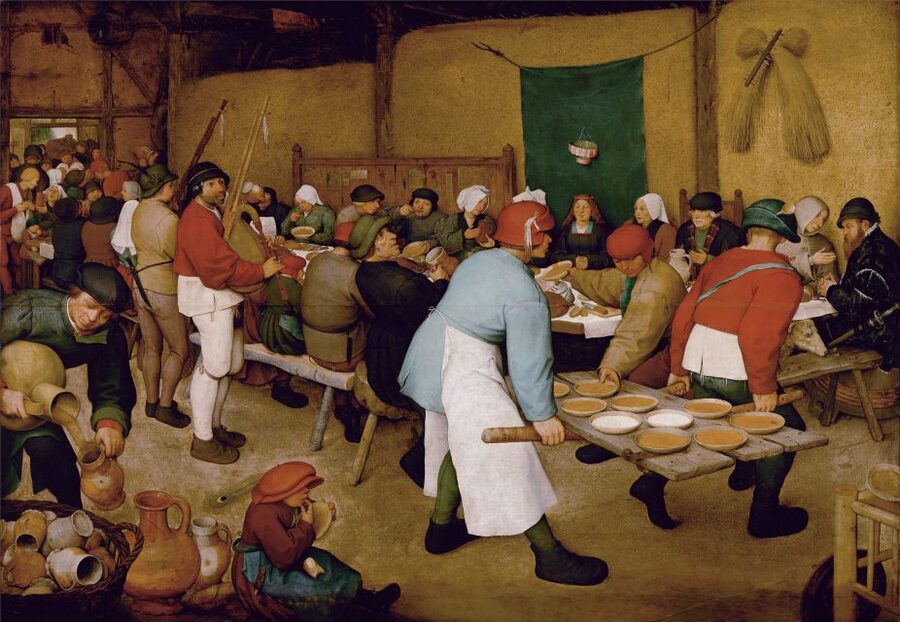
This ticket is valid for 1 day, but 1 day at the Kunsthistorisches Museum is not the same as 1 day at a quick exhibition hall. The museum is massive, and a couple of hours can feel like the beginning, not the finish. A good target is 3 to 5 hours if you want to feel like you actually saw things rather than just walked through them.
I’d also plan around your interests. If you’re a painting person, you’ll likely spend more time in the Picture Gallery and related rooms. If you love objects, the Kunstkammer and treasure sections can easily expand your day. And if you’re into odd historical inventions and special displays, you might find extra time in areas like automata, where the museum’s collections can get delightfully surprising.
As for timing, the best strategy is simple: start early, and take breaks before you feel tired. There are lots of steps and you’ll spend time standing, so I’d wear comfortable shoes and avoid the mindset of seeing everything in one sweep.
One small comfort note: the museum has a cafe inside. It can be pricey, but it’s also a great way to reset without leaving the building.
Audio guide: when it’s worth the extra money
The entrance ticket does not include an audio guide. If you want one, it costs €5 per person, or you can get 2 for €7. I think it’s worth considering because the museum is packed with details that you’ll likely miss if you’re only reading labels.
A good audio guide helps you connect what you’re seeing to context—especially in a museum this big. It can also guide you through the building itself, so you understand what you’re looking at rather than just wandering room to room. The payoff is that you leave with the sense that you understood more than you photographed.
That said, if you’re the DIY type who loves just walking and looking, you can still have a great visit without it. You’ll just need to work a little harder to choose what to focus on.
Price and value: €25 for what you actually get
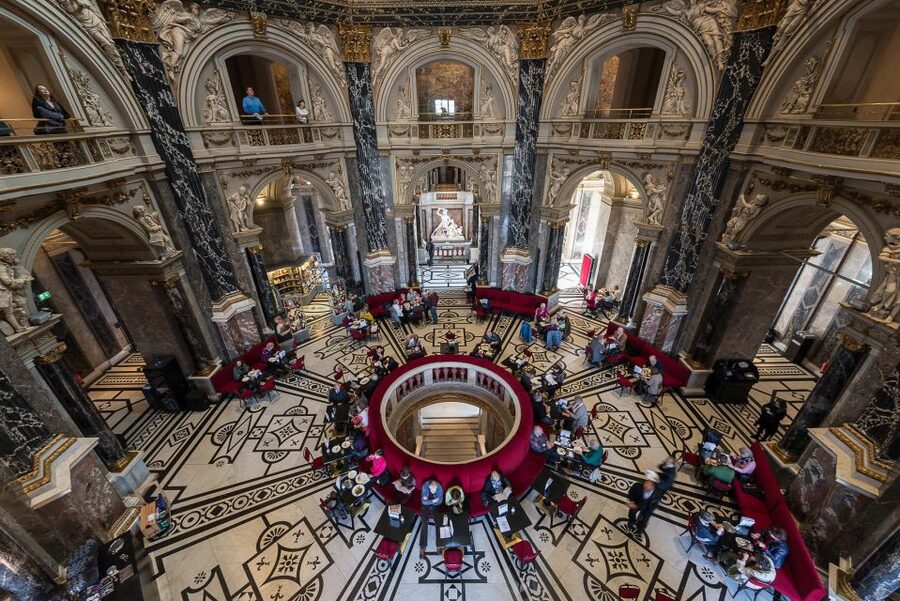
At about $25 per person, the value here is strong for people who want a full “Vienna museum day.” You’re buying entrance to a major museum experience that spans multiple departments—paintings, antiquities, crafts, and treasure displays. The cost is mostly about access, not extras, which is nice when you want to control your spending.
Yes, the audio guide costs extra, and the cafe can add up. But you’re not paying for a guided tour that’s only covering a small portion. Instead, you have time to choose your own highlights in a museum that’s designed to support long viewing.
If you’re debating between a quick stop and a serious museum day, this ticket supports the serious option. It’s a good fit when you want quality and variety in one place.
Entering smoothly: voucher reality check
Your biggest practical move is getting your voucher handled correctly. A printed voucher is required, and you should expect to exchange it for the actual admission ticket at the museum site. If you don’t do this step right, you can lose time and even get turned away.
So, when you arrive, don’t treat the first checkpoint as the final one. Plan a little buffer for that exchange process, then head inside with less stress. Since the activity works as a small group entry (limited to 10 participants), you’ll want to be in line and ready when your group is being processed.
One more tip: since this is a large museum, your “entry time” affects your whole day. If you start your route late, you’ll end up skipping rooms you intended to see. Go early if you can, and build a route around the areas that matter most to you.
Who should book this admission ticket?
Book it if you want a serious art and objects day in Vienna without locking yourself into a strict schedule. It’s especially good for people who love painting, old-world craftsmanship, and museum buildings where the architecture is part of the show.
It also fits well for families with kids and teens, because children and young people under 19 generally enjoy free admission. If you’re visiting with a school group under 19, note that school groups must be registered through the museum’s booking department.
If you only want one type of art—say, strictly modern painting—this might feel too broad. But for most people, the mix is the point. You get the masterpieces, then the astonishing objects, then the myth-and-treasure moments that keep the day from feeling like homework.
Should you book this ticket?
I’d book this ticket if you want maximum museum payoff for a single day in Vienna. The collection range—paintings, ancient worlds, craft treasures, jewelry, and legendary objects—means you’re likely to find more than one “I can’t believe this is real” moment.
I would hold off only if you strongly prefer short, low-walking museum visits. The museum involves a lot of moving and standing, and the best experience comes from planning a few hours (not just a quick hour-and-out).
If you can manage comfortable shoes and a slower pace, this is a high-value day ticket that gives you a real sense of Vienna’s imperial collecting mindset—plus the joy of discovering what you didn’t know you were going to love.
FAQ
How long is the admission ticket valid?
The ticket is valid for 1 day. You’ll want to check starting times available for your selected date.
Is an audio guide included in the ticket price?
No. An audio guide is not included. It costs €5 per person, or you can get 2 for €7.
Do I need a printed voucher to enter?
Yes. A printed voucher is required.
Can children and young people enter for free?
Children and young people under 19 generally enjoy free admission. School groups under 19 must be registered via the museum’s booking department.
Is the museum wheelchair accessible?
Yes. The museum is wheelchair accessible.
Can I cancel for a full refund?
Yes. There is free cancellation up to 24 hours in advance for a full refund.