
REVIEW · NEW YORK CITY
NYC: Intrepid Museum Entry Ticket
Book on GetYourGuide →Operated by Intrepid Museum · Bookable on GetYourGuide
USS Intrepid turns history into something you can walk. On this visit, I like how the aircraft carrier becomes your walkthrough museum, and I also love the chance to get close to the Enterprise space shuttle and related space exhibits. It’s one ticket that mixes WWII grit, Cold War machines, and space-age tech in a way that feels practical—not just decorative.
Here’s the main catch: even with priority access, you should still plan for a short wait before you enter (up to about 30 minutes for ticket holders). Also, expect lots of walking and some areas with stairs and ladders, so it helps to pace yourself.
In This Review
- Key things I’d circle before you go
- Entering the USS Intrepid: why this ship works as a museum
- Priority access at Intrepid Square: how to avoid wasting time
- Hangar Deck: start where the story gets real
- Flight Deck and the restored aircraft lineup
- Gallery Deck: the combat brain of the ship
- Third Deck shipboard life: galley, enlisted mess, and crew berthing
- Space Shuttle Pavilion: Enterprise, Apollo 11, and what came after
- Extra exhibits that add texture: Kamikaze and more story layers
- Veteran talks, staff energy, and QR codes that help you keep going
- How long you need: 2 to 3 hours is realistic, but plan smart
- Price and value: does $34 make sense?
- Who should book this Intrepid ticket?
- So, should you book the Intrepid Museum entry?
- FAQ
- FAQ
- Where is the meeting point for this Intrepid Museum ticket?
- How do I enter with my ticket?
- How long should I plan to visit the museum?
- What is included with this $34 priority access admission?
- Are luggage and large bags allowed?
- Are there special rules for veterans or children?
Key things I’d circle before you go

- Four decks you can explore, from the hangar to spaces like the combat information center
- Enterprise (the first space shuttle) plus hands-on-style storytelling across the Space Shuttle Pavilion
- 28 restored aircraft, including the world’s fastest military jet
- Big ship scale, up close—you’re inside the same structure that served through WWII and the Cold War
- Space and moon-focused extras like Apollo: When We Went to the Moon, with the Apollo 11 command module recreation
Entering the USS Intrepid: why this ship works as a museum

Intrepid Museum isn’t your usual “look but don’t touch” setup. The star is the former aircraft carrier USS Intrepid itself: launched in 1943, used in World War II, and later active in the Cold War and Vietnam War. It survived five kamikaze attacks and one torpedo strike, then was decommissioned in 1974 and is now berthed on the Hudson River.
That history matters because the building and the artifacts share the same footprint. When you’re walking decks that once carried aircraft, it’s easier to understand scale, design choices, and daily life aboard a ship built for constant operations.
One thing I appreciate is how the museum doesn’t only show machines. It aims to connect hardware with service—how people used the tech, how they lived with it, and why history shaped what came next.
A few more New York City tours and experiences worth a look



Priority access at Intrepid Square: how to avoid wasting time
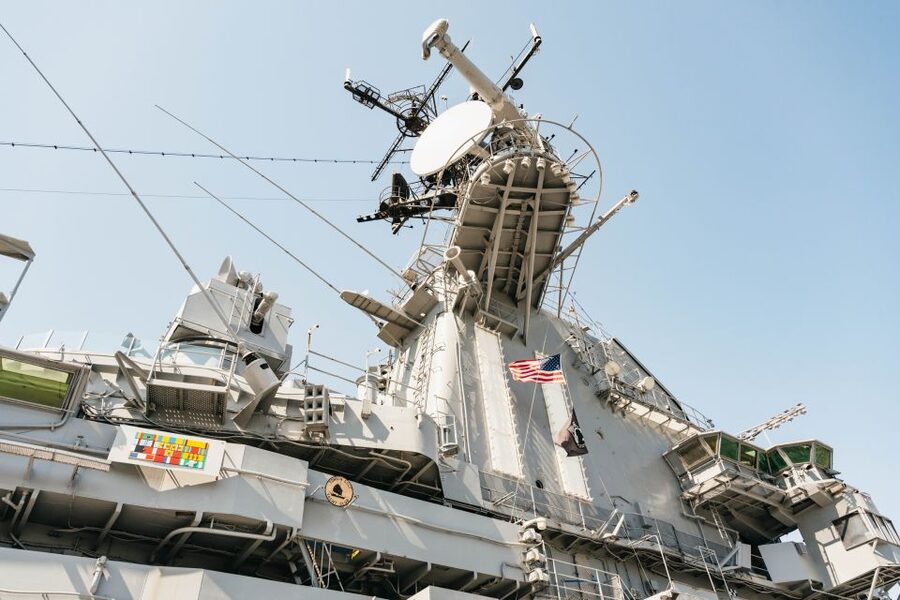
Your meeting point is 1 Intrepid Square, 12th Avenue and 48th Street, New York, NY 10036. You’ll show your QR-coded ticket at the Priority Access timed ticket/advanced purchase line in the box office.
Plan your arrival with this in mind: even if your ticket is set up to skip the main ticket purchase line, there can still be a short wait before you enter—up to 30 minutes is mentioned. And if you’re trying to see everything, don’t cut it close. Last entry is one hour before closing.
Practical tip: wear shoes that handle indoor and outdoor walking. You’ll spend a lot of time moving through ship spaces, plus there are outdoor deck moments where you’ll want comfortable footing.
Hangar Deck: start where the story gets real

When you step into the ship, the Hangar Deck is a smart first stop. It’s the museum’s main indoor exhibit area, and it’s designed to give you both the hardware and the humanity of Intrepid.
This is where the ship stops being a “big boat on a river” and starts functioning like a narrative. You get context for what the carrier was built to do, and you’ll see how equipment and people were tied together. If you’re the kind of person who likes to understand the why before the how, this deck does that early.
Also look for areas that support interpretation, including exhibits tied to the story of Intrepid. If you’ve got questions in your head—how the ship operated, what different parts were for—this is where the answers start showing up clearly.
Flight Deck and the restored aircraft lineup

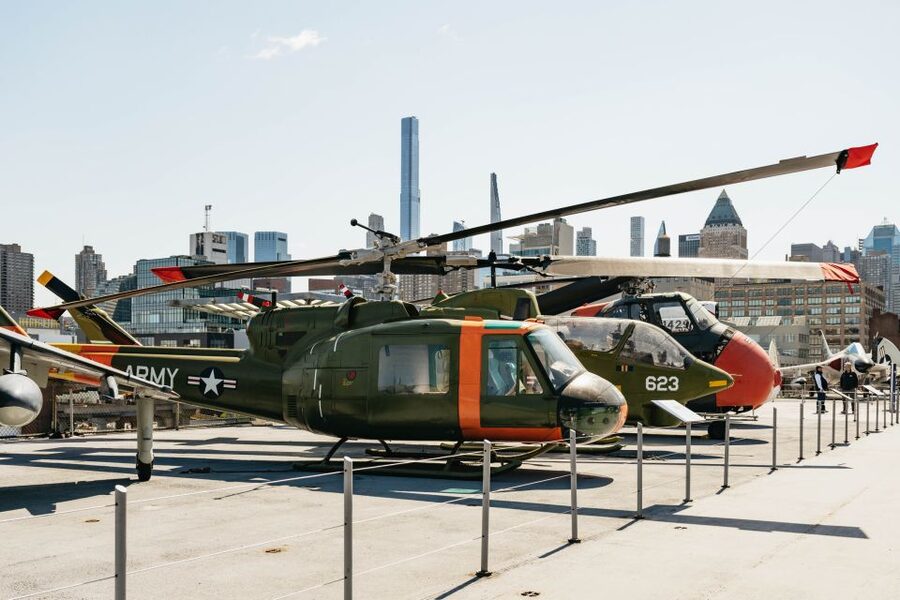
Next up is the Flight Deck, and it’s where aircraft lovers usually start grinning. You get an up-close look at more than two dozen authentically restored aircraft, plus a Restoration Tent area where you can see part of the process behind getting these machines museum-ready.
This deck also connects you to the ship’s outer layout through Intrepid’s island and bridges. That matters because those areas give you a better sense of how the carrier looked and functioned from the top.
The big headline here is variety and speed. The collection includes 28 restored aircraft and features the world’s fastest military jet. You can also pick up on how different eras shaped design—what worked in WWII, what changed during the Cold War, and how the aircraft world moved toward higher performance and new roles.
One caution from how this museum feels in practice: some aircraft or add-on areas can have longer lines. If you’re trying to see everything, prioritize the aircraft that match your interests first, then adjust based on crowd flow.
Gallery Deck: the combat brain of the ship

The Gallery Deck sits between the flight deck and hangar deck, and it’s all about decision-making. This level features spaces like the combat information center (CIC), squadron ready room, and marine berthing.
The CIC is the standout conceptually: it helps you understand that a carrier wasn’t only “planes and flight decks.” It was also communications, coordination, and fast interpretation under pressure. Even if you’re not a military historian, it gives you a clearer picture of how operations were managed in real time.
The squadron ready room and marine berthing add a different angle. They shift from big-picture machinery to the people side—where teams waited, prepared, and carried out their roles. If you like museums that explain systems, not just objects, this deck is one of the most rewarding parts.
You can also read our reviews of more museum experiences in New York City



Third Deck shipboard life: galley, enlisted mess, and crew berthing
On the Third Deck, the museum leans into shipboard routine. You can see restored areas like the galley, enlisted mess, and crew berthing.
This is where you get a feel for everyday life rather than just the dramatic moments of combat. How people ate, how they relaxed (or didn’t), and how they slept in tight quarters all help bring context to the ship’s overall story.
If you’re visiting with teens or kids, this deck often lands well because it’s relatable: it looks like a “real workplace,” just with historic constraints and technology that feels both advanced and cramped compared to today.
Space Shuttle Pavilion: Enterprise, Apollo 11, and what came after

The Space Shuttle Pavilion is a major reason many people come here, and it’s easy to see why. You’ll find Enterprise, the world’s first space shuttle prototype orbiter that helped pave the way for the space shuttle program.
The pavilion uses dynamic exhibit zones with original artifacts, photographs, audio, and films. Instead of only showing images, it tells the story of what the shuttle era meant—how technology, engineering decisions, and human ambition connected.
Then there’s Apollo: When We Went to the Moon, which pulls you into the next chapter. You’ll find a recreation of the Apollo 11 command module, a spacecraft that carried Neil Armstrong, Buzz Aldrin, and Michael Collins to the moon and back. The exhibit also highlights Apollo artifacts, including moon rocks and lunar landing gear.
What I like about this section is the forward look. It doesn’t stop at the triumph. It also points to what those missions made possible next—NASA’s plans to return astronauts to the moon and eventually journey to Mars. Even if you’re not a hardcore space nerd, the exhibit structure helps you connect past missions to future goals.
Extra exhibits that add texture: Kamikaze and more story layers

Beyond the aircraft and shuttle areas, you’ll also encounter additional thematic exhibits. One included exhibit mentioned here is Kamikaze: Day of Darkness, Day of Light, which frames a painful WWII chapter through interpretation and storytelling.
There’s also the story of Intrepid itself, which ties the ship’s broader timeline into the spaces you walk through. If you’re someone who worries that a big museum will feel like a checklist, these narrative layers help keep the experience coherent.
Veteran talks, staff energy, and QR codes that help you keep going

A big part of the museum’s appeal shows up once you’re walking and asking questions. Staff are frequently described as attentive, and you may have opportunities to talk with veterans or subject-matter experts while you’re inside. People have specifically mentioned getting great details through conversations, including flight-related insights from professionals who served during the carrier’s era.
On top of that, you’ll find lots of QR codes around the premise. These can be handy if you want extra context without carrying a thick guidebook. Since the museum also offers free WiFi, it’s pretty easy to look up what you just saw and keep your brain engaged while you rest your legs for a moment.
How long you need: 2 to 3 hours is realistic, but plan smart
The museum visit is commonly set around 2 to 3 hours. That range makes sense because you’re not just strolling through flat galleries—you’re moving through multiple decks, climbing stairs or navigating ship structures, and spending time looking closely at aircraft and exhibits.
I’d think of it like this: if you want a good overview of most highlights, 2 hours can work. If you want time to read, stop for Apollo details, and see the aircraft without rushing, 3 hours feels better.
A practical move: don’t try to sprint. Pick your top priorities first. If you’re fascinated by aviation, focus on aircraft lineup and deck layout early. If you’re here for space, spend more time in the Space Shuttle Pavilion and Apollo: When We Went to the Moon.
Price and value: does $34 make sense?
At $34 per person, this ticket can feel like good value because you’re paying for access to several major “anchors” in one place: the Intrepid aircraft carrier, the Space Shuttle Pavilion, and core story interpretation. Add to that the scale of what’s onboard—multiple decks plus a large aircraft collection—and the price starts to look fair for New York standards.
Two value notes that really matter:
- Priority access means you’re lined up to enter through the timed ticket/advanced purchase line, which can cut down friction even if there’s sometimes still a short wait.
- Veterans with valid ID go free, which is a strong incentive if that applies to your group.
One more thing to know: some standout extras may not be included with the base priority entry. For example, mentions of needing extra booking for certain attractions like Concorde or submarine access show up in people’s experience. So if those are must-dos for you, check what’s included on the day and decide early so you don’t lose time later.
Who should book this Intrepid ticket?
This is a great fit if you like hands-on history, aviation, and space, or if you want one NYC stop that covers multiple interests without feeling like three separate museums glued together.
It’s also a strong pick for families. Kids and teens often have a lot to latch onto: aircraft scale, shipboard spaces, and the space exhibits. The museum is designed with interactive storytelling in mind, and there are places to sit and regroup (which is a big deal when you’re on your feet in Manhattan).
Accessibility reality check: the museum is listed as wheelchair accessible, but it also notes that some areas aren’t wheelchair accessible because they require navigating stairs and ladders. There can also be long periods of walking and standing. If mobility matters in your group, it’s worth planning your route and expecting some limitations.
Also note restrictions: luggage or large bags aren’t allowed, and unaccompanied minors aren’t allowed. Children under 16 must be accompanied by an adult.
So, should you book the Intrepid Museum entry?
If you want a NYC experience that mixes WWII engineering, Cold War tech, aviation history, and real space milestones, I’d book this ticket. The ship setting makes the aircraft and exhibits feel more tangible than they would in a standard gallery, and the Space Shuttle Pavilion is a high-impact payoff.
You might skip or adjust your plan if you’re time-crunched, hate crowds, or rely on step-free routes for most areas—because ship decks plus stairs and ladders can affect how much you can do. But if you can handle an active museum visit, this is one of those places where you feel like you used your time well.
FAQ
FAQ
Where is the meeting point for this Intrepid Museum ticket?
The meeting point is 1 Intrepid Square, 12th Avenue and 48th Street, New York, NY 10036.
How do I enter with my ticket?
Present your QR-coded ticket at the Priority Access timed ticket/advanced purchase line in the box office.
How long should I plan to visit the museum?
Allow about 2 to 3 hours for your visit.
What is included with this $34 priority access admission?
It includes museum admission with priority access, access to the Intrepid aircraft carrier, access to the Space Shuttle Pavilion, the story of Intrepid, and the Kamikaze exhibit, plus free WiFi.
Are luggage and large bags allowed?
No. Luggage or large bags are not allowed.
Are there special rules for veterans or children?
Yes. Veterans with a valid ID go free. Also, children under 16 must be accompanied by an adult, and unaccompanied minors are not allowed.