REVIEW · NEW YORK CITY
New York City: American Museum of Natural History Ticket
Book on GetYourGuide →Operated by American Museum of Natural History · Bookable on GetYourGuide
One museum day, and you’re hooked. The American Museum of Natural History sits just across from Central Park, and it’s the kind of place where you can start with dinosaurs and end up learning how DNA codes life. I love that the museum packs in 40+ halls plus the Rose Center and the Richard Gilder Center under one ticket.
My second favorite is the science side of the museum, especially the brand new Richard Gilder Center for Science, Education, and Innovation. You’ll get modern, hands-on-style exhibits and planetarium programming, plus big creature encounters in the Milstein Hall of Ocean Life. One catch: general admission doesn’t automatically include the special ticketed shows and films, so check what’s in your option before you plan your perfect day.
In This Review
- Key points to know before you go
- First look at AMNH: where the day starts near Central Park
- Price and value: what $37 really buys you (and what it doesn’t)
- What’s included on your day: permanent halls, Rose Center, and Gilder Center
- The permanent halls (your “choose-your-own-adventure” core)
- Rose Center for Earth and Space (the “big sky” side)
- Richard Gilder Center (newer, modern, and made for families)
- Building your one-day route: start smart so you don’t miss the best stuff
- The dinosaur hall hits harder than you expect
- The Gilder Center experience: planetarium, biodiversity, and ocean life
- Planetarium and space learning
- Hall of Biodiversity: time + living things
- Milstein Hall of Ocean Life: face-to-face with scale
- Culture around the globe: where science meets people
- Ticketed exhibitions: choose with intent, not impulse
- Impact: The End of the Age of Dinosaurs
- Invisible Worlds
- Encounters in the Milky Way (narrated by Pedro Pascal)
- Life at the Limits: Nature’s Superheroes
- Giant-Screen Film in LeFrak Theater
- Davis Family Butterfly Vivarium
- A key planning note
- Using the Explorer App and Wi-Fi to stay sane
- Practical logistics: what to bring, what to avoid, and how to manage crowds
- Luggage and bags
- Lockers and where they fit in your plan
- Crowds and timing
- Who this day pass is best for
- Should you book this AMNH ticket?
- FAQ
- How long is the American Museum of Natural History ticket valid?
- What’s included with general admission?
- Are ticketed exhibitions included in general admission?
- What ticketed exhibitions are available?
- Do ticketed exhibitions have timed entry?
- Is the museum wheelchair accessible?
- Is Wi-Fi available and is there an app?
- Are lockers available?
Key points to know before you go
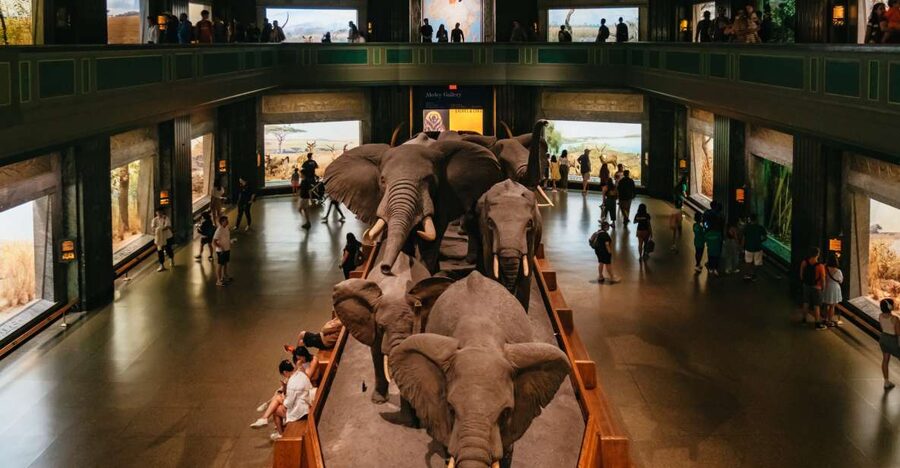
- T-Rex and the Night at the Museum connection: The iconic Tyrannosaurus Rex skeleton is part of the museum’s legend, plus you’ll spot the Easter Island head that inspired the movie characters.
- Gilder Center is the modern “science engine”: Built for all ages, with planetarium experiences and standout education-focused galleries.
- You control the pace with the Explorer App: Wi-Fi on site plus turn-by-turn navigation, behind-the-scenes stories, and quizzes.
- General admission covers permanent halls and big anchor areas: More than 40 halls plus the Rose Center and Gilder Center, all in one day.
- Ticketed exhibitions cost extra, and they’re timed: If you want special shows like Impact: The End of the Age of Dinosaurs or the Milky Way space show, pick that option.
- Start high, then work down: For a tight schedule, a smart route is beginning around the 4th floor and moving downward.
First look at AMNH: where the day starts near Central Park
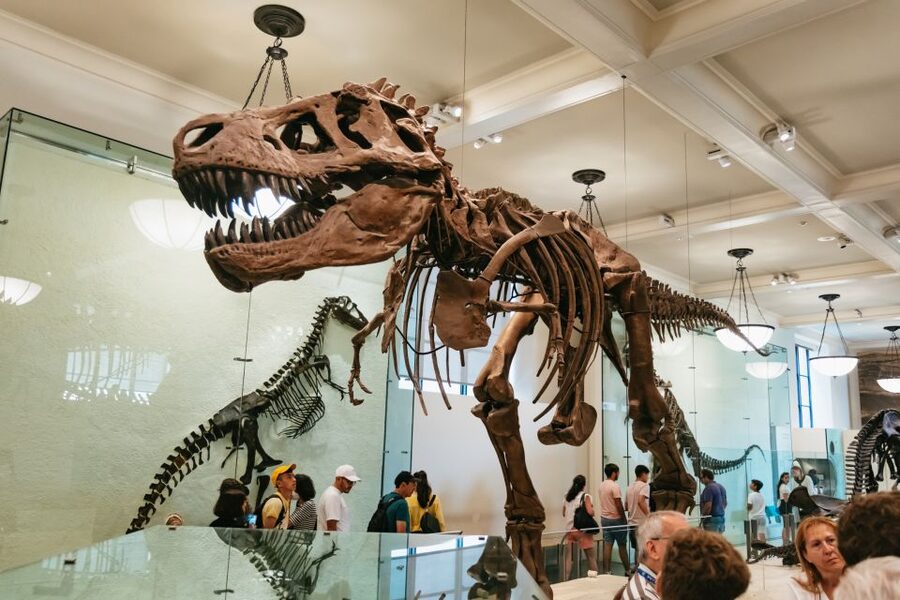
The American Museum of Natural History is one of those NYC stops that feels like a destination all by itself. You’re right by Central Park, so if you’re already walking around Manhattan’s west side, this museum slots neatly into a full-day plan. It also helps that the museum is built for “stay all day” energy. Even if you only give yourself a few hours, you’ll feel how much is here. Give yourself longer and it stops feeling like a checklist and starts feeling like wandering.
What makes AMNH work so well is variety. You’re not choosing between “science” or “dinosaurs” or “culture.” You’re standing in a huge museum where those ideas overlap: fossils sit next to geology, ocean life sits next to evolution, and global cultures show up through exhibits that are interactive and easy to access for kids and adults.
A few more New York City tours and experiences worth a look



Price and value: what $37 really buys you (and what it doesn’t)
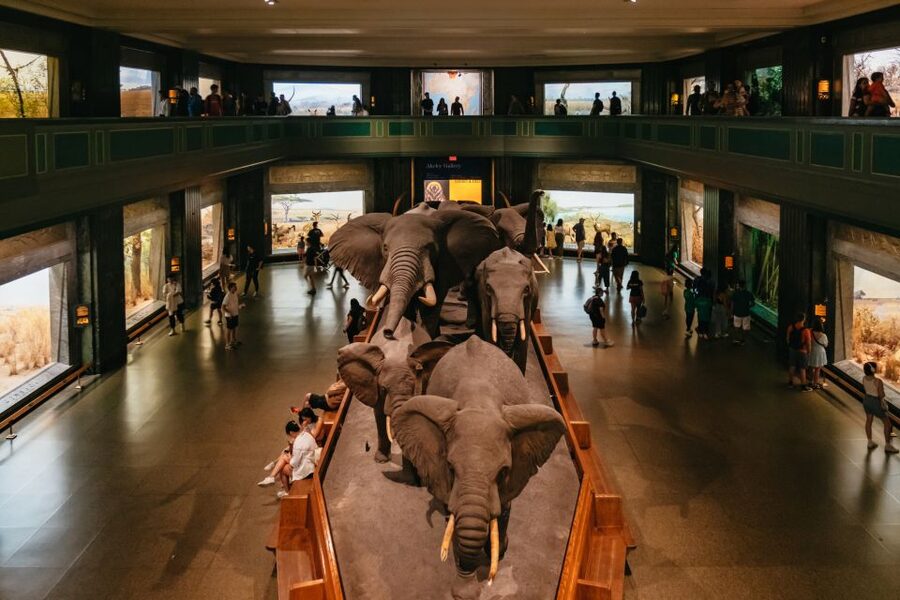
The ticket price listed is $37 per person for 1 day. In practice, the value comes from how the admission is structured.
General admission gives you:
- Access to the permanent exhibitions across 40+ museum halls
- Entry to the Rose Center for Earth and Space
- Entry to the Richard Gilder Center for Science, Education, and Innovation
- Wi-Fi onsite and access to the Explorer App
- Timed entry to special exhibitions only if you choose the option that includes them
What you should know up front: general entry does not automatically include the museum’s ticketed special exhibitions, the butterfly vivarium, the giant-screen film, and the specific planetarium space show listed as excluded for certain admission types. If those are high on your list, you’ll want to select the add-on option during booking so you don’t end up paying last-minute or missing your slot.
If you’re trying to decide whether it’s worth it, here’s the quick test I use: if you’re the type who loves large museums and wants to see multiple themes in one day, AMNH fits. If you only want one or two headline attractions, you might save money by choosing fewer add-ons—or time your visit so you can focus.
What’s included on your day: permanent halls, Rose Center, and Gilder Center
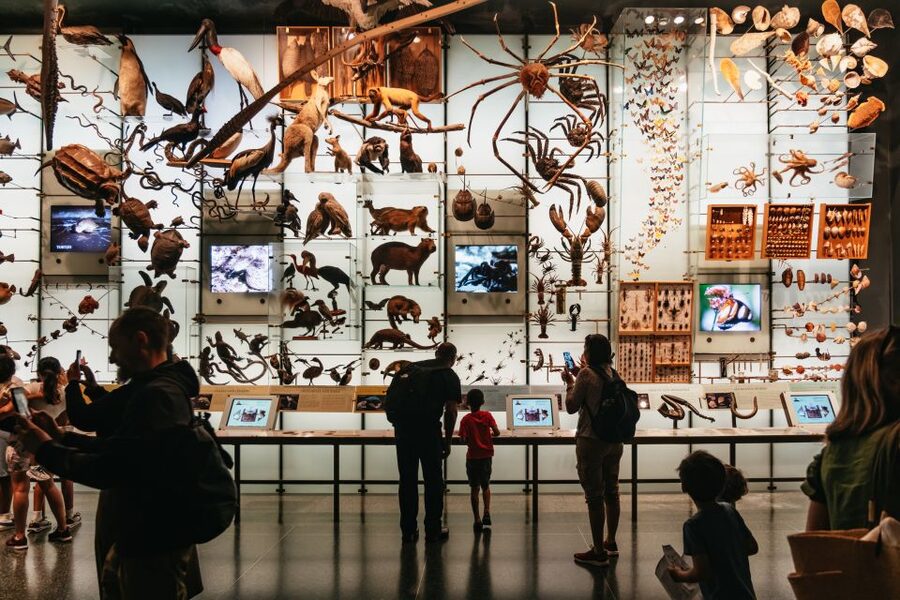
Think of your day as three anchors plus everything between them.
The permanent halls (your “choose-your-own-adventure” core)
You’ll have access to 40+ halls, which covers dinosaurs, diamonds, biodiversity, ocean life, and more. The museum is so big that you’ll feel it in your legs. But it’s also set up so that you can pick a direction and still end up seeing major content. When you stop for a show or a film (if you choose them), your “standby” plan is already built in: the next hallway is always something else to read, watch, or figure out.
A practical benefit: this is the kind of museum where even a partial visit can feel meaningful. One hall can be a deep experience without needing a guided tour. Still, if you want the best flow, you’ll do well using the app and a rough route.
Rose Center for Earth and Space (the “big sky” side)
The Rose Center is one of the museum’s signature areas. It’s included with general admission, which is a big deal if you’re thinking about the science side but don’t want to pay extra for every show. Expect space and Earth themes to take center stage, and expect the museum to keep shifting your perspective—from fossils and deep time to the living planet and beyond.
You can also read our reviews of more city tours in New York City

Richard Gilder Center (newer, modern, and made for families)
The Richard Gilder Center for Science, Education, and Innovation is the museum’s newer addition, and it changes the whole feel of the day. It’s designed around learning experiences that make sense for kids while still rewarding adults.
You’ll also see hall highlights tied to it:
- the planetarium experience
- the Hall of Biodiversity (journey through time)
- Milstein Hall of Ocean Life (large-animal encounters)
This matters because it gives your visit two modes: the classic museum halls where you roam at your pace, and the more interactive “learn and look closer” spaces where the science feels current.
Building your one-day route: start smart so you don’t miss the best stuff
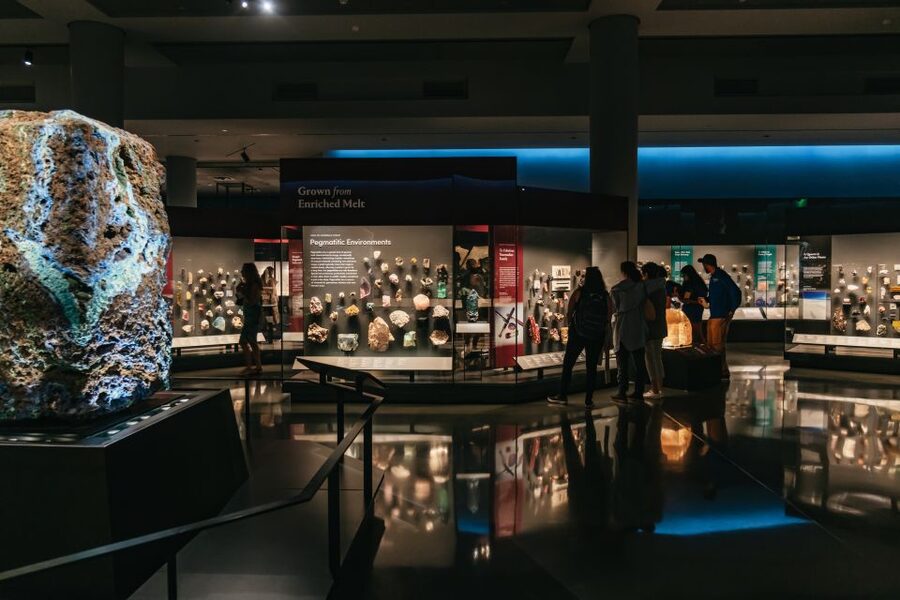
AMNH is not a sprint museum. It’s a “plan your energy” museum.
A strong strategy is to pick a starting point and accept that you won’t see every corner. One practical tip that really helps: if you’re on a tight schedule, start around the 4th floor and work your way down. That one move prevents the classic problem of zig-zagging upward and then realizing you’ve left your best content behind.
Here’s how I’d map a satisfying day without overloading yourself:
1) Begin with your “must-see” anchor: either dinosaurs or space/Earth, depending on your group’s vibe.
2) Follow the building’s logic: keep moving in one direction and let the content guide you.
3) Use the app for navigation breaks: quick stops for quizzes or behind-the-scenes facts keep you from wandering randomly.
4) Reserve time for ticketed shows only if they match your interests: they’re scheduled and can eat up your flexibility.
Also, plan for stamina. Even people who focus can spend half a day and still feel like they barely scratched the surface. A few hours can work if you’re strategic, but if you want to experience multiple major areas with time to read, budget closer to a full day.
The dinosaur hall hits harder than you expect

Even if you think you’ve seen dinosaur skeletons before, AMNH makes the case for why dinosaurs still fascinate us. The museum is known for the world’s largest dinosaur fossil collections, and that scale shows up fast once you’re inside.
The biggest moment is the Tyrannosaurus Rex skeleton. It’s iconic enough that you’ll recognize it immediately, and it’s also part of the museum’s pop-culture pull. The museum includes the Easter Island head that inspired characters in Night at the Museum, and that little connection can turn a “we’ll just look” visit into a “wait, we should read this” visit.
Practical takeaway: don’t rush this section. The dinosaur halls are where you’ll get that sense of deep time and change. If your group likes photos, you’ll find plenty of spots that work—just keep moving after the first look so you don’t lose the rest of the story to one photo.
The Gilder Center experience: planetarium, biodiversity, and ocean life
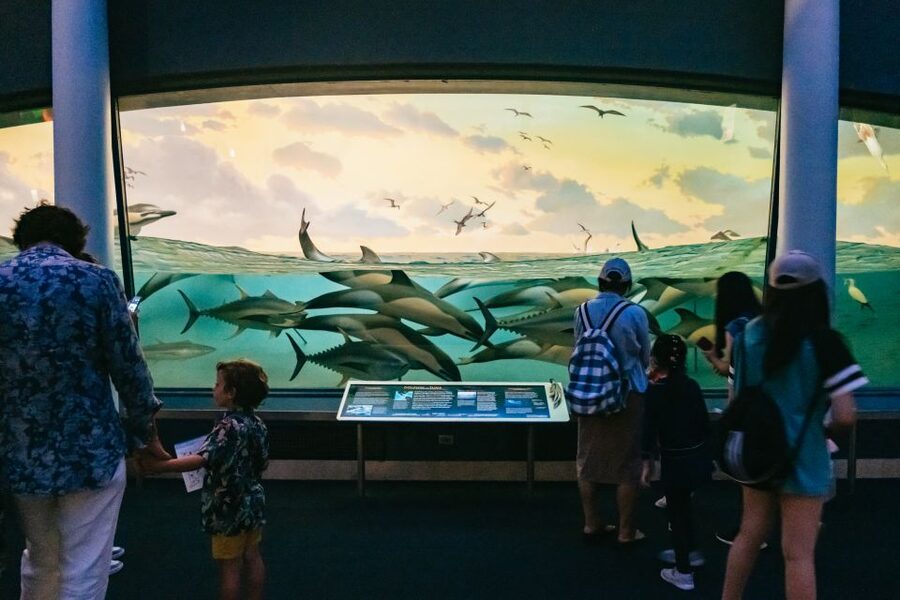
If you want a modern science highlight that feels different from the classic halls, the Gilder Center is where you’ll notice it.
Planetarium and space learning
Because the Rose Center and the science programming are central to the included areas, you can design your day around space and Earth without immediately adding cost. If you do add a ticketed space show, you’ll already be oriented, and the museum’s space themes will feel connected rather than random.
Hall of Biodiversity: time + living things
The Hall of Biodiversity is presented as a journey through time. This is one of those areas where kids understand the concept quickly, and adults can spend longer noticing the details in the displays and the story arc. It’s also a good “reset” after dinosaurs—same sense of time depth, but focused on living systems.
Milstein Hall of Ocean Life: face-to-face with scale
One thing I’d underline from the museum’s lineup is Milstein Hall of Ocean Life. It’s described as giving you face-to-face encounters with some of the world’s largest and most incredible creatures. Even without choosing extra ticketed shows, this hall is worth planning time for because it gives you emotional impact. You don’t just read about life—you see the scale.
Culture around the globe: where science meets people
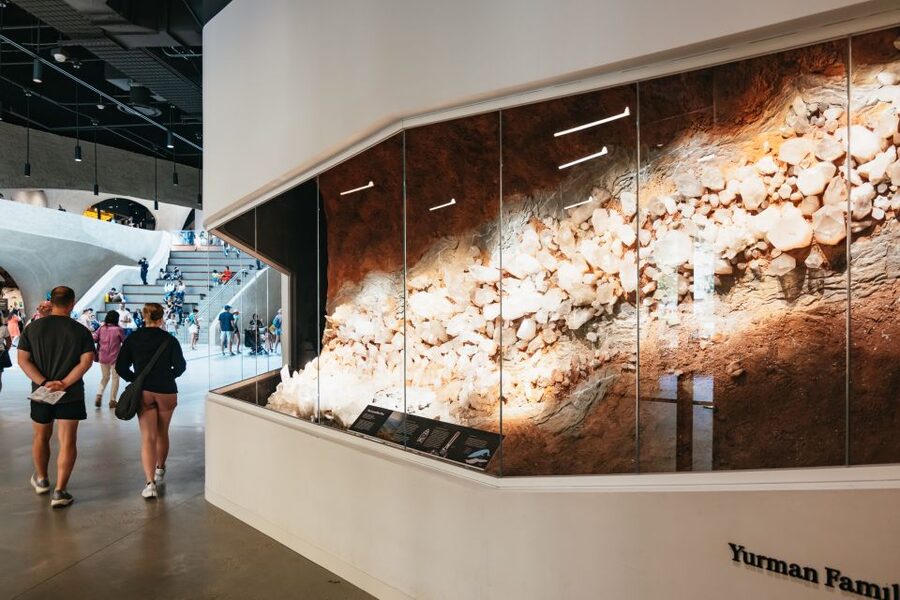
AMNH isn’t only about geology and animals. You’ll also find exhibits focused on cultures from around the world, including interactive elements that make it easier to connect with the material.
This part of the day is great when your group wants variety. After you’ve spent time with fossils or stars, culture-focused exhibits feel like a breath of fresh air. You’ll also get a more grounded view of why museums matter: they’re not only storage rooms for objects. They’re places to learn how humans understand the world and how knowledge is built.
Ticketed exhibitions: choose with intent, not impulse
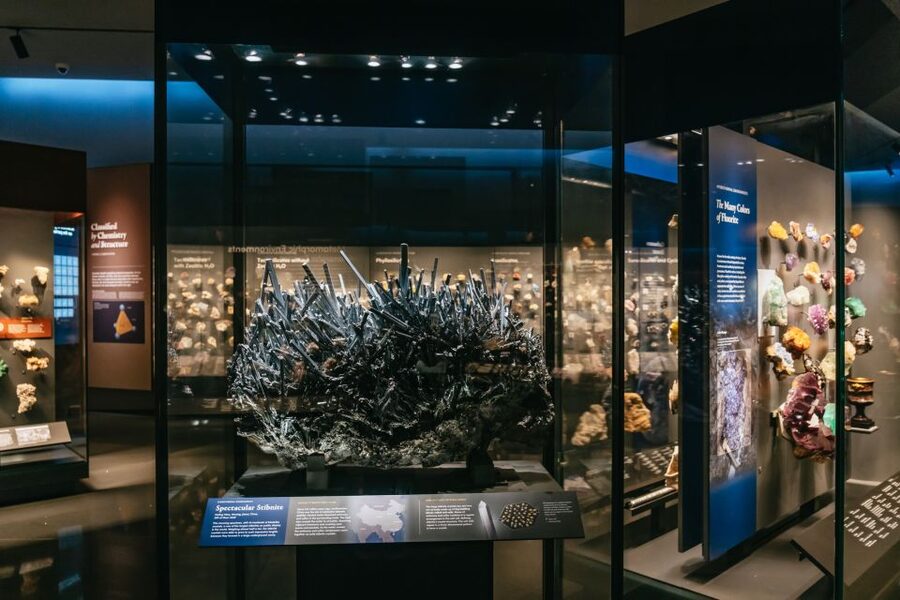
Ticketed exhibitions are where your “included” day can become a “wow” day. They also take planning because your entry is timed and the content is scheduled.
Here are the ticketed options listed, with what each one is best for:
Impact: The End of the Age of Dinosaurs
This is the before-and-after story of the asteroid collision about sixty-six million years ago and the explosion of life that followed. If your group loves the dinosaur storyline, this show can make the fossil halls feel more connected. It’s also a strong pick if you want a single major add-on that ties together cause and effect.
Invisible Worlds
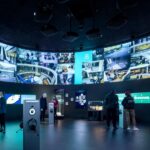
If you like “hidden scale” science, this goes from ocean depths to DNA strands in a 360-degree theater experience. It’s a good choice when kids or adults get bored with straight lectures and want the visuals to do the explaining.
Encounters in the Milky Way (narrated by Pedro Pascal)
This is a new space show about the cosmic movements shaping our galactic neighborhood, with narration by Pedro Pascal. If you’re looking for a show that feels current and accessible, this is the one to look at.
Life at the Limits: Nature’s Superheroes
This focuses on how extraordinary organisms survive in extreme conditions. It’s a great pick if your group loves survival stories—think “how do they do that” curiosity. It also helps connect biology to real-world challenges.
Giant-Screen Film in LeFrak Theater
The LeFrak Theater has a 40-foot-high, 66-foot-wide screen and a state-of-the-art digital sound system. It’s designed for major film viewing, and the theater is wheelchair accessible, with captioning and audio description devices available. If you want a clear break from walking and want something that feels like a full show, this is a solid add-on.
Davis Family Butterfly Vivarium
This year-round exhibit lets you mingle with up to 1,000 free-flying butterflies, and you might even have one land on you. If you’re traveling with younger kids, this can be a high-energy emotional win.
A key planning note
Not every exhibition is included in general entry. Also, the ticketed offerings may be offered with different options (including General Admission plus one vs plus all). If you’re trying to keep your day stress-free, pick one or two ticketed experiences that match your group’s interests and let the rest of the day be permanent-hall wandering.
Using the Explorer App and Wi-Fi to stay sane
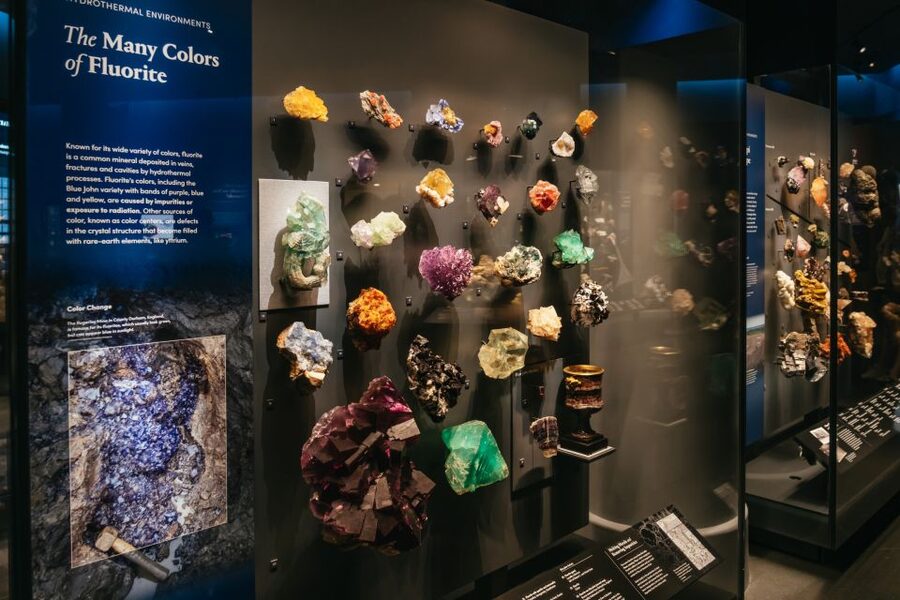
One of the easiest ways to make a museum day feel smooth is to use the museum’s tools.
AMNH provides onsite Wi-Fi and a free Explorer App for your smartphone. The app includes:
- turn-by-turn navigation
- behind-the-scenes stories about exhibits
- quizzes
- self-guided tours of popular collections
It’s also available in English, Spanish, French, and Portuguese, which helps if you’re traveling with mixed-language groups. I like that you’re not stuck with one rigid route. You can wander, then use the app to pull yourself back when you want a specific hall next.
If you hate getting lost, do two things:
- keep your phone charged (walking + photos adds up)
- have your access info ready so entry feels fast when you move between areas
Practical logistics: what to bring, what to avoid, and how to manage crowds
AMNH is big, and NYC crowds can change your day. A few practical rules make life easier.
Luggage and bags
Oversize luggage is not allowed, and luggage or large bags aren’t allowed either. Bring a day bag if you can. If you need storage, lockers are available on-site for an additional charge.
Lockers and where they fit in your plan
Using lockers can be a time-saver if you don’t want to carry extra stuff through permanent halls. If you’re doing ticketed exhibitions, storing bags early also prevents you from having to deal with them later.
Crowds and timing
If you’re visiting during busy seasons, expect more people and slower movement in popular areas. The museum has a timed-entry structure for certain ticketed exhibitions, and that helps. Still, it’s smart to build margin into your schedule and not plan your entire day down to the minute.
Who this day pass is best for
This AMNH experience is a great fit if:
- you want a full day of high-impact learning without hiring a guide
- your group includes different ages and interests (dinos, science, space, oceans, and culture are all covered)
- you like museums where you can read, watch, and wander at your own speed
If your group includes toddlers who can’t walk long distances, you might still enjoy it, but you’ll likely want to focus on fewer anchors and plan more breaks. For older kids and adults, it’s perfect for mixing big iconic moments with deeper museum halls.
Should you book this AMNH ticket?
If you want the best value for a one-day NYC museum plan, I’d book it—especially because general admission includes major anchors like the Rose Center and the Richard Gilder Center, plus access to 40+ permanent halls. That’s a lot of museum for one day, and it works whether you’re a dinosaur fan or more of a space-and-biology person.
Do your homework on the ticketed exhibitions if you have strong “must-see” preferences. If you’re excited about shows like Impact: The End of the Age of Dinosaurs, Invisible Worlds, the Milky Way program narrated by Pedro Pascal, the butterfly vivarium, or the giant-screen film, choose the option that includes timed entry. If you don’t, you can still have a fantastic day using the included halls and centers.
FAQ
How long is the American Museum of Natural History ticket valid?
The ticket is valid for 1 day.
What’s included with general admission?
General admission includes access to permanent exhibits across 40+ museum halls, the Rose Center for Earth and Space, and the Richard Gilder Center, plus Wi-Fi onsite.
Are ticketed exhibitions included in general admission?
No. General entry does not include ticketed exhibitions, including Invisible Worlds, the butterfly vivarium, the giant-screen film, and the Hayden Planetarium Space Show. Ticketed exhibitions depend on the option you select.
What ticketed exhibitions are available?
The listed ticketed options include Impact: The End of the Age of Dinosaurs, Invisible Worlds, Encounters in the Milky Way narrated by Pedro Pascal, Life at the Limits: Nature’s Superheroes, the Giant-Screen Film at LeFrak Theater, and the Davis Family Butterfly Vivarium.
Do ticketed exhibitions have timed entry?
Yes. Timed entry is included for 1 or all special exhibitions depending on which ticket type option you choose.
Is the museum wheelchair accessible?
Yes, the museum is wheelchair accessible.
Is Wi-Fi available and is there an app?
Yes. The museum offers Wi-Fi onsite and a free Explorer App with navigation, behind-the-scenes stories, quizzes, and self-guided tours.
Are lockers available?
Lockers are available on-site for an additional charge.