REVIEW · NEW YORK CITY
Museum of the City of New York Entry Ticket
Book on GetYourGuide →Operated by Museum of the City of New York, 103 & 5th Avenue · Bookable on GetYourGuide
City stories in one quiet Fifth Avenue stop. The Museum of the City of New York turns a neighborhood setting into a smart, human-scale way to understand how New York got built, argued over, and changed. I like the location too: it’s in a neo-Georgian landmark on Fifth Avenue, right by Central Park’s Conservatory Garden.
I especially love New York at Its Core, which stitches together innovation, energy, and struggle across generations of immigrants and builders. I also like that your ticket includes the short documentary Timescapes, a 30-minute film narrated by Stanley Tucci, so you get a fast “big picture” before you wander.
One possible drawback: the museum has clear rules—no flash photography and no tripods—so if you’re planning a lot of equipment-based shooting, you’ll need to adjust your expectations.
In This Review
- Key highlights worth your attention
- A neo-Georgian museum with the right kind of New York energy
- Your $23 ticket: what’s actually included (and why it’s good value)
- New York at Its Core: the permanent exhibition that gives you a map
- When this works best
- One thing to watch
- Activist New York: the emotional engine behind change
- Rotating exhibitions: music, dance, photography, and national turning points
- Timescapes (30 minutes): fast context with Stanley Tucci
- Chalsty’s Café and the Museum Shop: where you pace the day
- How to time your visit (so one day feels like two)
- Location strategy: Museum Mile, Central Park edge, and the 104th Street entrance
- Photo and equipment rules you should plan around
- Small group size: limited to 9 participants (and why that helps)
- Who this ticket is best for
- Should you book the Museum of the City of New York entry ticket?
Key highlights worth your attention

- New York at Its Core connects immigrants, politicians, builders, and everyday New Yorkers into one clear storyline
- Activist New York focuses on the passions and conflicts that pushed change across the country
- Timescapes is included and runs about 30 minutes, narrated by Stanley Tucci
- Rotating shows often touch music, dance, photography, and major turning points in U.S. history
- Your ticket also covers Chalsty’s Café and the Museum Shop, so you can pace your visit
A neo-Georgian museum with the right kind of New York energy
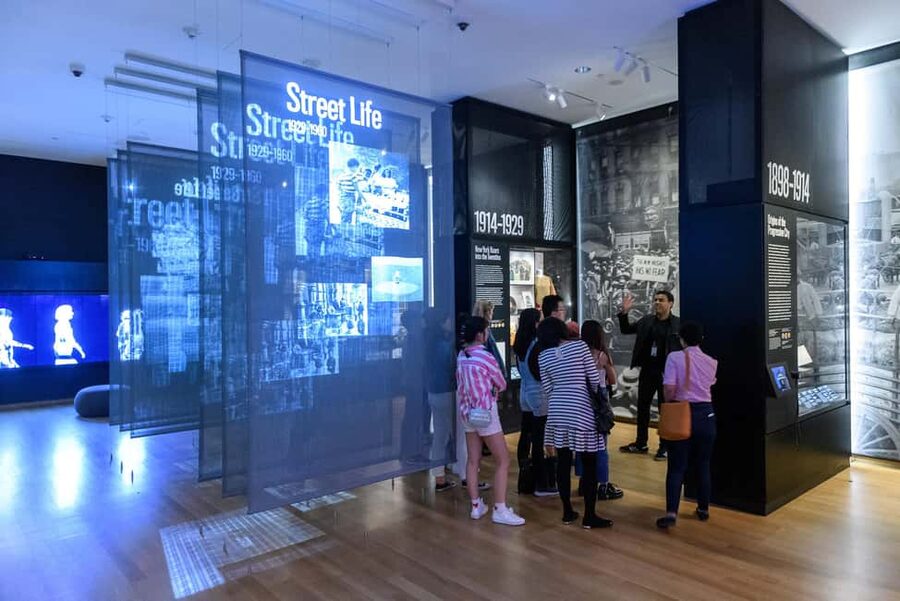
The Museum of the City of New York sits at 1220 5th Avenue, near 103rd Street. It’s housed in a landmark building that feels sturdy and classic, but the content inside is anything but static. You’re not just looking at old photos; you’re tracing how people made the city under pressure—economically, politically, and personally.
The setting helps your brain too. You’re on the Museum Mile, across from El Museo Del Barrio, and close to Central Park’s Conservatory Garden. That means you can do this as part of a larger Upper East Manhattan day without it feeling like a forced “museum trip only.”
A few more New York City tours and experiences worth a look


Your $23 ticket: what’s actually included (and why it’s good value)

At $23 per person, this ticket is a solid deal if you plan to use the full experience instead of treating it like a quick walk-through. You get access to permanent and temporary exhibitions, plus entry to Timescapes (the 30-minute documentary).
Here’s what makes the value better than average: you can choose how you want to experience New York. If you like big themes, you can follow the permanent galleries. If you prefer something more time-specific—art forms, social movements, turning points—you can lean into the rotating exhibits. And if you want a breather, the café and shop are built into the included visit.
Bonus practical stuff: the museum also supports planning with a digital guide on Bloomberg Connects (free arts and culture app). If you’re someone who likes to read smart context at your own pace, that’s a real help. Large print and high-contrast transcripts of exhibition texts are available online too, so you can prep or supplement your visit if needed.
New York at Its Core: the permanent exhibition that gives you a map
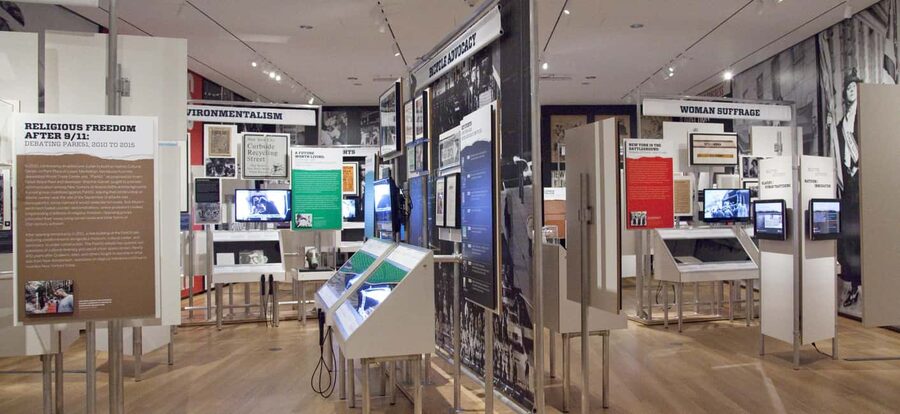
If you only have one day, start with New York at Its Core. This is the anchor exhibit that focuses on stories of innovation, energy, and struggle—across generations of immigrants, politicians, tycoons, dreamers, master builders, and ordinary New Yorkers.
What I like about this setup is that it gives you a framework. After you’ve seen how the museum connects these groups, the city’s many “eras” stop feeling like separate chapters. Instead, they start reading like one long conversation—about opportunity, power, labor, and survival.
Expect to move through different story angles rather than a straight line of dates. The exhibit is built to help you recognize patterns: how new arrivals changed neighborhoods, how economic ambition shaped skylines, and how conflict over rights and resources never stayed in one decade.
When this works best
This permanent show is ideal if you:
- want context for neighborhoods you’ll see later that day
- prefer exhibitions that explain cause-and-effect, not just facts
- like human stories tied to larger historical forces
One thing to watch
If you’re a “hit only what I’m obsessed with” visitor, you might feel the exhibit is broader than your exact interests. In that case, you may want to set a plan before you enter—pick two or three themes you want to track.
You can also read our reviews of more city tours in New York City



Activist New York: the emotional engine behind change
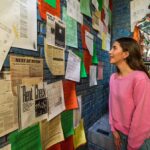
Then make your way to Activist New York, which centers on the passions and conflicts underlying the city’s history of agitation. The exhibit sets the stage for change in the country, which is a big deal for your understanding of New York beyond skyline and celebrity.
This is where the museum feels most alive. Instead of treating civic action like a single “movement moment,” it frames agitation as something people sustained—often at personal cost. If you’ve ever wondered why policy battles, protests, and organizing tactics look similar across generations, this is the kind of exhibit that helps you connect those dots.
It also pairs well with the rest of the museum. Once you’ve seen how different groups experienced struggle, you’re better prepared to read activism as a response—an attempt to reshape systems, not just make noise.
Rotating exhibitions: music, dance, photography, and national turning points
One of the smartest things about this museum is that it doesn’t lock you into one topic. Rotating exhibits come and go frequently, and they often explore the cultural side of New York—music, dance, photography—along with critical historical pivot points that affected the national landscape.
This matters because New York’s influence isn’t only political or economic. The city changes the country through culture, too. A show built around art forms can make larger history feel more immediate, because you’re experiencing it through creativity and community.
For your planning, treat the rotating exhibitions like the “choose-your-own-special.” If a topic sounds like your kind of New York—especially if you’re into visual storytelling like photography—spend more time there than you normally would at a museum.
Timescapes (30 minutes): fast context with Stanley Tucci
Included with your ticket, Timescapes is an award-winning short documentary that explores how New York grew from a settlement of a few hundred Europeans, Africans, and Native Americans into the metropolis you know today.
The film runs about 30 minutes, so it’s not a time-sink. I like using a documentary this length as a mental warm-up. After it, the museum’s exhibitions feel less like separate displays and more like chapters in the same story.
Narrated by Stanley Tucci, the tone tends to feel clear and accessible, which helps if you want context without heavy effort. Even if you’re not a documentary person, this one can help you get your bearings fast—especially for first-time visitors.
Chalsty’s Café and the Museum Shop: where you pace the day
Your ticket includes access to Chalsty’s Café and the Museum Shop, which is more useful than it sounds. A museum day in Midtown can turn into constant motion, and a real pause can help you process what you just saw.
If you take breaks strategically, you’ll get more out of the exhibits. I recommend using café time as a reset point: watch Timescapes or do a permanent gallery first, then take a snack break before you tackle the rotating shows.
The museum shop can also be a fun way to bring the themes home. Even if you don’t buy anything, browsing is useful if you want a souvenir that matches the museum’s real focus: city stories, not generic postcards.
How to time your visit (so one day feels like two)
Because your ticket is valid for one day, your biggest goal is flow. Here’s a simple approach that matches the museum’s strengths:
- Start with Timescapes or New York at Its Core to get your framework.
- Move to Activist New York once you already understand the city’s pressures.
- Finish with rotating exhibitions, since those are more variable and best enjoyed with fresh eyes.
If you’re doing this on a busy day, keep a light touch. You’ll get more satisfaction by choosing a few strong sections to focus on than by trying to see everything quickly.
Location strategy: Museum Mile, Central Park edge, and the 104th Street entrance
The museum sits on 5th Avenue between 103rd and 104th Street. If you’re arriving from Central Park’s side, you’ll feel like you’re stepping right out of the park world and into the city world with no transit hassle.
If you need the wheelchair and stroller-accessible entrance, it’s on the 104th Street side of the building. Manual wheelchairs are available free of charge, subject to availability, so it’s worth planning to arrive early enough to make that work smoothly.
Getting here is easiest if you treat the museum as part of a walking loop. Since it’s on the Museum Mile, you’re naturally near other major stops, and the area is set up for a day of culture.
Photo and equipment rules you should plan around
The museum doesn’t allow flash photography and it doesn’t allow tripods. That affects how you’ll photograph exhibits, especially if you’re used to taking low-light shots with flash or mounting gear.
A practical move: if photography matters to you, bring settings that don’t rely on flash and keep your hands free. And if you’re doing an actual shoot, plan to capture only a few moments—otherwise the restrictions can make the visit feel more annoying than enjoyable.
Small group size: limited to 9 participants (and why that helps)
This experience is set up as a small group, limited to 9 participants. Even though you’re working with a museum visit rather than a long walking tour, a smaller group usually helps the experience feel less crowded and gives you more breathing room in key areas.
If you prefer museums where you can look at labels and move at your own speed, this kind of structure tends to fit better than large groups.
Who this ticket is best for
I think this ticket works especially well for you if:
- you want a one-day museum that explains New York’s bigger story
- you’re interested in immigration, activism, and city-building
- you like a mix of culture (music, dance, photography) and history
- you want a documentary option that gives context quickly
It may not be the best fit if you’re looking for a purely visual “wow” museum experience only. This is more about understanding and theme—less about shock-and-awe and more about how people shaped the city.
Also, it’s worth noting that there can be changes in what’s on display day to day, since rotating exhibits shift over time. If you’re coming for one specific temporary show, verify what’s currently running before you commit your day.
Should you book the Museum of the City of New York entry ticket?
Yes, I’d book it if you want a meaningful, well-paced New York overview that doesn’t feel like homework. The permanent exhibition gives you real structure, Activist New York adds emotional weight, and Timescapes supplies the quick context you need.
I’d double-check your day’s status before you head over, just because some ticket situations can get messy when a venue has an unexpected closure. And since you can’t use tripods or flash, plan your photo expectations in advance.
If you want a museum stop that connects the city’s past to what you’ll see walking around today, this one earns its time.