REVIEW · MEXICO CITY
Museum of Anthropology: a look at Mexico’s past
Book on Viator →Operated by Recorridos y Guías Xochitec A.C. · Bookable on Viator
Pre-Spanish Mexico, told room by room. This guided look at the Museo Nacional de Antropología helps you understand the cultures and villages that lived in Mexico before the Spaniards, in English, over a focused 2–3 hour visit.
I love how the guide turns a massive museum into a clear storyline, the kind that makes the galleries feel like chapters instead of random rooms. I also love the audiobox setup when the group is 6 or more, because it keeps the explanations easy to catch without craning your neck.
One thing to consider: it’s built for a small group and it’s described as not available for children under 18. If you’re bringing younger kids, you’ll want to confirm the age rule before you book, and be ready for a moderate amount of walking.
In This Review
- Key things that make this tour worth your time
- National Museum of Anthropology in 2–3 hours: the best way to start
- Small group cap and English narration: how the experience feels
- Stop one at the museum: a guided run through pre-Hispanic Mexico
- The real star: how Héctor and Edith explain symbols and meaning
- What you’re actually learning (and why it sticks)
- Practical notes for a smooth visit at Chapultepec
- Is this the right tour for you? A simple booking decision
- FAQ
- How long is the Museum of Anthropology guided tour?
- Is the museum entry ticket included?
- What language is the tour offered in?
- Are audiobox headsets included?
- Where does the tour start and end?
- Is there free cancellation?
Key things that make this tour worth your time
- Emblematic rooms with a pre-Hispanic focus, so you don’t miss the big themes
- Small group cap (max 6), which usually means less waiting and more time for questions
- English-guided narration, designed to make symbolism and myth feel understandable
- Museo access ticket included, so you’re not juggling logistics mid-visit
- Audiobox audio included when group is 6+, a big help in large museum spaces
- Guides like Héctor and Edith are praised for tying objects to story and meaning
National Museum of Anthropology in 2–3 hours: the best way to start
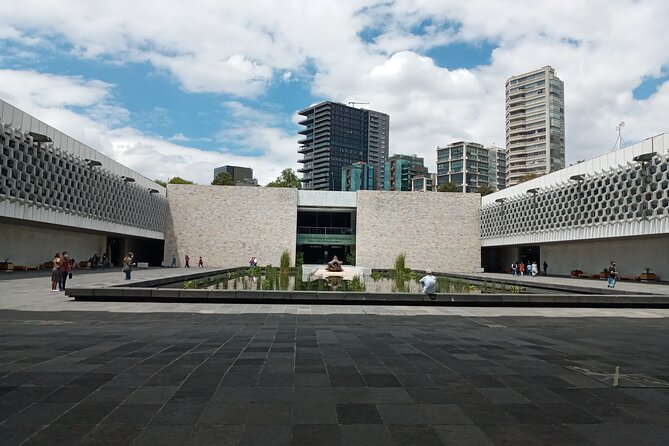
The Museo Nacional de Antropología is one of those museums that can swallow your entire day. It’s also one of those places where walking in alone can feel like trying to read a novel by flipping to random pages.
This guided format solves that. You get a clear focus on Mexico’s past before the Spaniards, with the guide steering you through the museum’s most emblematic rooms. Instead of treating the collection like a checklist, you’ll see how different cultures, beliefs, and everyday life connect over time.
Even better, the tour is short enough to fit into a real itinerary. That matters in Mexico City, where you’re constantly choosing between museums, neighborhoods, and meals. A guided start can also help you later, because once you know what certain objects and symbols are pointing to, you start recognizing patterns.
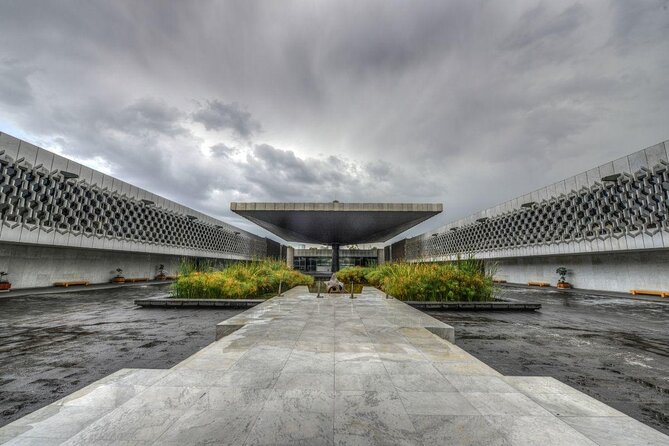
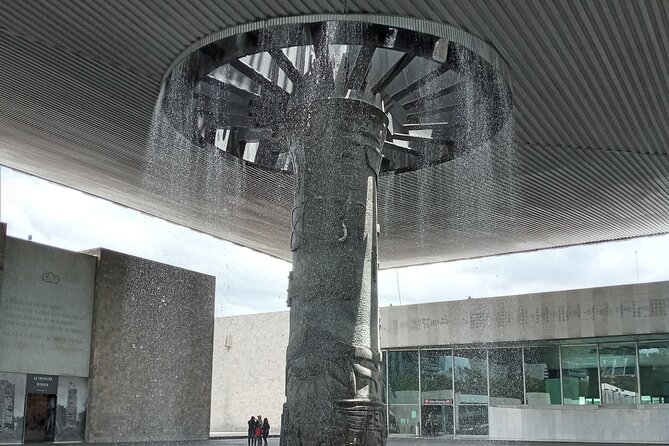
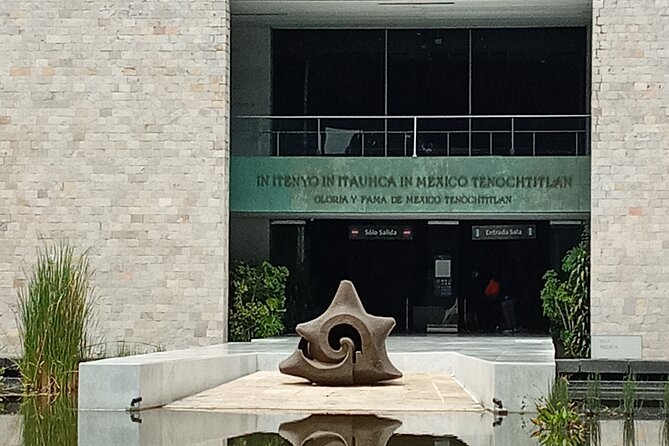
And yes, the museum has that inverted fountain people notice right away—an easy first mood-setter on a hot day while you’re finding your way before the galleries begin.
You can also read our reviews of more museum experiences in Mexico City

Small group cap and English narration: how the experience feels
This isn’t a busload tour. The group is limited to up to 6 people, and that shapes the whole vibe.
First, you’re more likely to get pacing that actually matches the time you have. A smaller group also tends to make it easier to pause, ask a question, and get a real answer without the guide racing to keep 40 people together.
Second, the tour is offered in English, which is a big deal here. Some museums have labels you can read on your own, but the meaning of myth, symbolism, and how artifacts connect to beliefs needs more than a quick translation. The best part is that the explanations are structured enough that even if you’re not a specialist, you can follow.
Audio also matters. For groups of 6 clients or more, the included audiobox equipment helps you hear the guide clearly inside. If you’ve ever tried to listen in a crowded museum while standing in the wrong spot, you already know why this inclusion is practical.
Finally, note the tour’s physical and age expectations. The description says moderate physical fitness is needed, and it’s listed as not available for children under 18. In real life, one review mentioned a younger participant, so age rules might be handled case-by-case—but don’t assume. If you’re traveling with minors, verify directly with the provider.
Stop one at the museum: a guided run through pre-Hispanic Mexico
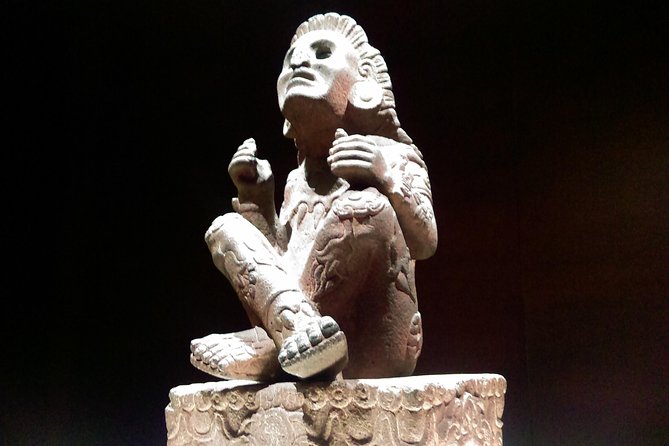
Your main stop is the Museo Nacional de Antropología itself. The tour’s core promise is a guided visit to the museum’s most emblematic rooms, with a clear goal: learning about the cultures and villages of Mexico before the arrival of the Spaniards.
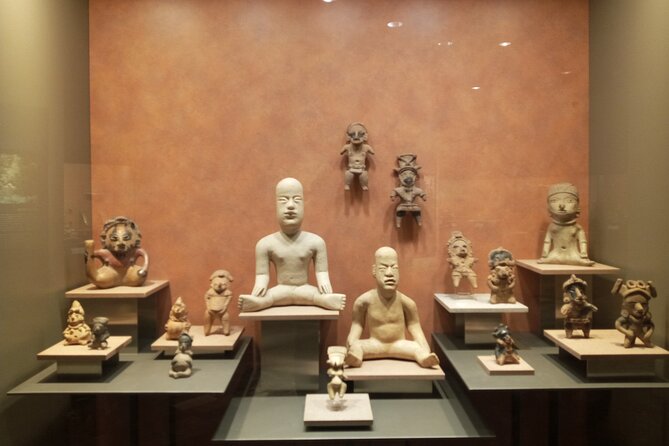
What makes this approach valuable is how it organizes the museum. Instead of asking you to figure out the timeline yourself, the guide provides the backbone: how different societies developed, what shaped their politics and daily life, and how belief systems show up in what people made and preserved.
From the way guides are described in the feedback, expect the tour to cover more than dates and names. People come away talking about:
- Religion and gods, including stories and legends
- Politics and conflict, not just art for art’s sake
- Geography and daily life, meaning where people lived and why it mattered
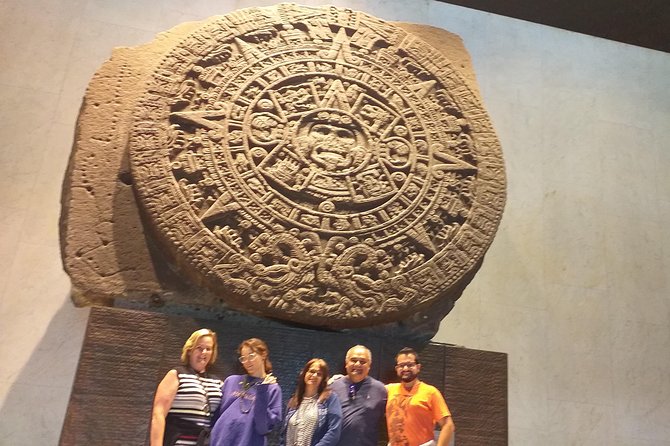
- Mythology and symbolism, so objects stop looking like random pieces of “old stuff”
You’ll also likely get help interpreting the museum’s narrative itself: why the museum is arranged the way it is, and how the pieces relate to the larger story of indigenous cultures.
A practical note: the tour runs about 3 hours at the museum (even though the overall tour summary says 2–3 hours). Plan your day as if it’s closer to three, with enough buffer afterward for a café stop or a short walk around Chapultepec.
The real star: how Héctor and Edith explain symbols and meaning
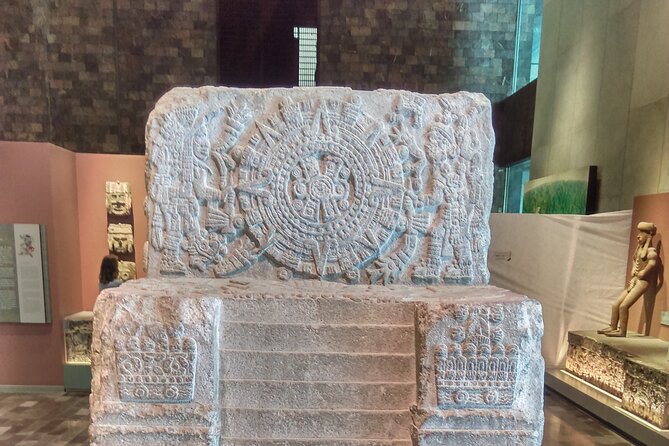
A good museum guide can do one of two things: they can rattle off facts, or they can give the collection a spine. The feedback here strongly points to the spine approach—guides who tie objects to story, and then help you connect that story to what you’ll see later.
Héctor is repeatedly praised for turning the museum into a memorable storyline. People highlight his attention to detail and his passion for the mysteries, mythology, and history behind artifacts. One of the most useful takeaways from that praise: he teaches symbols, not just descriptions. That’s why people describe later walks around Mexico City as suddenly more meaningful—once you understand what certain symbols mean, you start spotting related references beyond the museum walls.
Edith gets similarly strong mentions, with an emphasis on how she makes complex material feel clear. People describe her as wrapping displays in story and fact, and—importantly—making connections between pre-Colonial life and how religious practices show up today. If religion and myth are part of what pulls you into history, you’ll probably appreciate this style.
There’s also a practical comfort angle. At least one person specifically mentioned the guide taking time to go through artifacts without rushing, plus making sure there were opportunities to sit down while listening. That’s a small detail, but it can make the difference between enjoying a tour and counting minutes.
One balanced point to keep in mind: not every guide’s explanation will hit every age group equally. One comment suggested the narration worked better for an older teen than a younger child. Since the tour description lists an 18+ age limit, treat this as a signal to check age fit before you go.
What you’re actually learning (and why it sticks)
You’re paying for a shortcut through confusion. The museum contains a lot—so much that your brain starts turning the experience into a blur. A guided route helps you organize the information into themes.
Based on the pattern of feedback, the themes that tend to stick are:
- Chronology with context: you don’t just hear what came first, you learn what shaped it
- Symbols with explanation: the meaning behind visual motifs
- Belief systems: how gods, legends, and religious practice show up in art and everyday life
- Politics, conflict, and power: not just peaceful “culture,” but real historical tension
Here’s the key value for you: once you understand the themes, the museum becomes less overwhelming. You stop thinking, I need to see everything, and start thinking, I get what I’m looking at.
And if you’re the kind of person who likes to travel by asking questions—this tour is built for that. Multiple comments mention how guides answered questions well, and how the pacing allowed for real discussion rather than constant movement.


Practical notes for a smooth visit at Chapultepec
Let’s make your day easy.
Expect walking and standing. The tour uses a guided museum route and comes with a note about moderate physical fitness. Wear shoes you can stand in for a while, because the galleries are not designed for a slow shuffle.
Bring water or plan to buy it. Bottled water isn’t included. It’s a simple thing, but it matters in Mexico City, especially if you’re mixing museum time with sun and errands.
Use the audio gear if it’s provided. If your group triggers the audiobox inclusion (the description says it’s for 6 clients or more), use it. It makes the guided part feel smoother and helps you focus on what the guide points out.
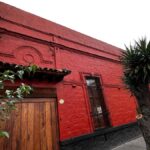
Plan your arrival at the meeting point. The meeting location is Av. P.º de la Reforma s/n, Polanco, Bosque de Chapultepec I Secc, Miguel Hidalgo, 11560 Ciudad de México. The tour ends back at the same meeting point, which is great for not having to re-orient after you finish.
Count on public transportation access. It’s listed as near public transit, which is helpful when you’re building a day that includes other neighborhoods.
Group size means faster flow, but still give yourself buffer time. Small groups don’t erase crowds in museums. If you arrive a few minutes late, it can still throw you off. One guide was described as gracious when someone was late, but don’t rely on that—arrive a little early.
Is this the right tour for you? A simple booking decision
Book this tour if you want a guided first-time approach to the Museo Nacional de Antropología and you’d like the museum to make sense quickly. It’s especially worth it if:
- You’re interested in Mexico before the Spaniards
- You want help understanding myth, symbols, and religion
- You like stories tied to objects, not just labels
- You prefer a small group format and clear structure
Skip it (or consider a different style) if:
- You want a full day to wander without a set route
- You need something specifically designed for younger children, given the tour description’s age restriction
- You’re expecting a private, totally custom route (this one is capped at 6)
If you’re on your first or second day in Mexico City and you want your museum time to feel organized and meaningful, this tour is a strong fit. With the included museum ticket, licensed guide, and support like audiobox equipment, you’re paying for clarity—not just access.
FAQ
How long is the Museum of Anthropology guided tour?
It lasts about 2 to 3 hours, and the museum visit portion is described as around 3 hours.
Is the museum entry ticket included?
Yes. Museum access ticket is included.
What language is the tour offered in?
The tour is offered in English.
Are audiobox headsets included?
Audiobox equipment is included for groups of 6 clients or more.
Where does the tour start and end?
It starts at Av. P.º de la Reforma s/n, Polanco, Bosque de Chapultepec I Secc, Miguel Hidalgo, 11560 Ciudad de México, CDMX, Mexico, and ends back at the meeting point.
Is there free cancellation?
Yes, you can cancel for a full refund if you cancel at least 24 hours in advance of the experience start time.