REVIEW · MEXICO CITY
Museo Nacional de Antropología – Small Groups
Book on Viator →Bookable on Viator
Time travel, minus the jet lag. This small-group visit to Museo Nacional de Antropología turns the museum’s size into a focused, English-guided story of Mesoamerica—right through the cultures that shaped Mexico before 1521.
I love the small group size (max 6). I also like how the tour targets six of the museum’s archaeology rooms, using standout objects from the Olmeca, Zapotec, Teotihuacan, and Mexica worlds to explain how society worked.
The trade-off is simple: the museum is huge, and this format fits about 3 hours, so you may want to come back for the rooms they don’t cover. Also, admission is separate.
In This Review
- Key highlights to know before you go
- A Fast, Human Way to See Museo Nacional de Antropología
- What You’ll Learn: From Olmeca Roots to Mexica Before 1521
- The Six Archaeology Rooms Route: Why It Works (and What It Leaves Out)
- Using Objects to Travel Through Time
- The Museum’s Design Project: Why the Building Matters
- Price and Logistics: What You’re Really Paying For
- Group Size, Pacing, and Comfort Tips for a 3-Hour Visit
- Who This Tour Suits Best
- Should You Book This Small-Group Anthropology Museum Tour?
- FAQ
- Is admission included in the tour price?
- How long is the tour?
- What language is the tour offered in?
- How many people are in the group?
- Where does the tour meet?
- Can I cancel for a full refund?
Key highlights to know before you go
- Max 6 travelers keeps the pace calm and makes questions easy to ask.
- English-guided route focuses your time instead of letting you wander for hours.
- Six archaeology rooms means you still get a true overview, not a tiny taste.
- Mesoamerica before 1521 is the big through-line, with Olmeca, Zapotec, Teotihuacan, and Mexica objects.
- A memorable detail: some famous gold, jade, and obsidian pieces were stolen in 1985 (December 25), and the story changes how you read the displays.
- You’ll learn not just about artifacts, but also about the project behind the museum’s design.
A Fast, Human Way to See Museo Nacional de Antropología
Museo Nacional de Antropología is one of those places that can feel overwhelming before you even start. The halls are big, the displays are dense, and if you go alone you’ll likely hit your favorite objects but miss the bigger connections.
This small-group tour fixes that problem with a simple idea: choose key rooms, explain what you’re looking at, and keep the pace manageable. With a maximum of 6 travelers, you’re not stuck in a shuffle line. You can ask questions, and the guide can adjust when you hit walls of information.
Another thing I appreciate is that this isn’t framed as a random highlights lap. The route is built around how Mesoamerica evolved over time, and it uses objects as your timeline. That means you leave with more than “I saw cool stuff.” You leave with a sense of how these cultures thought, ruled, and organized daily life.
And yes, three hours can be short. But here it works because the guide turns the museum into a guided path through the most representative periods—so you don’t waste time guessing what matters most.
You can also read our reviews of more tours and experiences in Mexico City.


What You’ll Learn: From Olmeca Roots to Mexica Before 1521
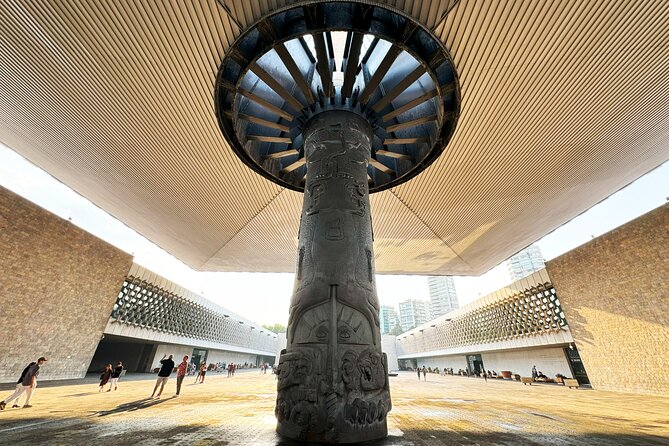
The tour’s main storyline is the same one you want when you’re short on time: how major Mesoamerican cultures lived and built complex societies before the fall of Mexico Tenochtitlan in August 1521.
You start with the project behind the museum itself, including the thinking that shaped how the National Anthropology Museum presents archaeology. That context matters. When you understand how the museum organizes cultures, you stop treating the building like a warehouse and start reading it like a guide.
Then you move through time using a set of cultures as your anchors:
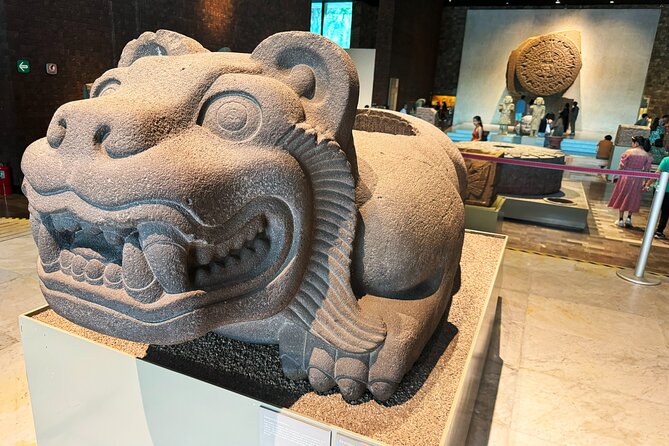
- Olmeca pieces to show early influence and symbolic power
- Zapotec examples that help explain culture and social structure in the Oaxaca region
- Teotihuacan objects that make you think about city life at scale
- Mexica materials that connect directly to the era right before 1521
It’s a smart approach for first-timers. Instead of trying to learn everything, you learn enough to recognize patterns. You also build vocabulary for later visits—like when you’re at pyramids or archaeological sites and want to understand what you’re looking at, not just where it is.
The Six Archaeology Rooms Route: Why It Works (and What It Leaves Out)
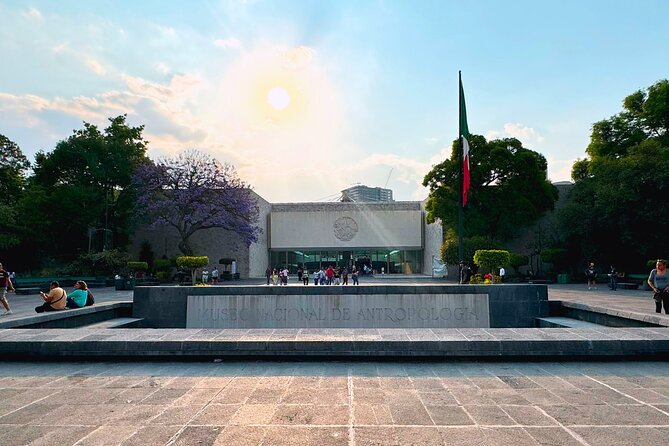
You’ll spend your time in six of the museum’s 11 archaeology rooms. That’s the core value of this experience: it squeezes a clear overview out of a place that otherwise demands a full day (or two).
Here’s what that means for you in real terms:
- You get a guided selection of rooms that represent major cultures and time periods.
- You’re not stuck trying to decide which rooms are worth your energy.
- You’re less likely to miss the story the museum is telling, because the guide points out what to look for and why it matters.
The potential downside is also clear: some rooms will be left out. If you love archaeology in a deep, textbook way, you might want to return later and go room-by-room at your own pace. But if your goal is to understand what makes the museum important and get ready for the rest of your Mexico City trip, this route hits the sweet spot.
Also, don’t expect a strict sprint. The tour has a moderate physical fitness requirement, and the group size stays small. One of the most practical strengths is flexibility: if you need a pause, guides have been able to work in seated breaks while still explaining the cultures you’re learning about. That can make a big difference in a museum where standing and walking add up fast.
Using Objects to Travel Through Time
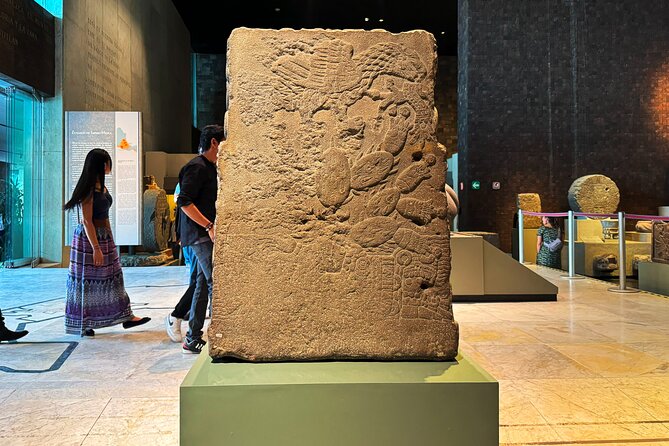
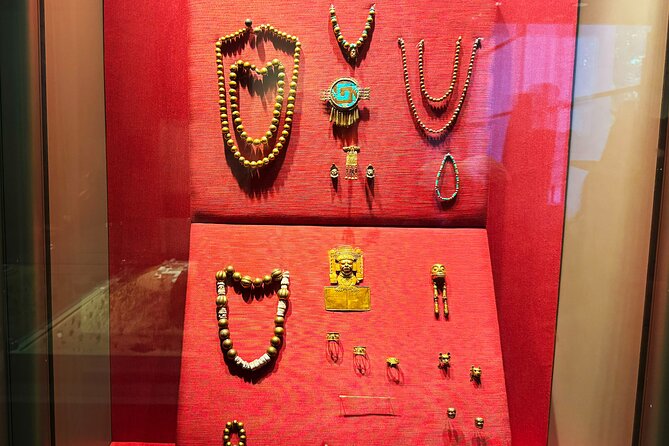
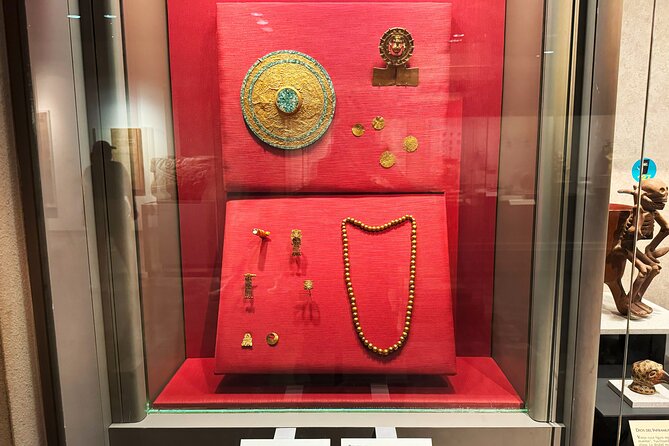
One of the best parts of this kind of tour is that it turns objects into stories you can follow. Instead of seeing artifacts as isolated masterpieces, you learn what categories they belong to, what symbols may mean, and how each culture expressed power and identity.
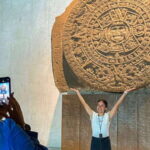
In this tour, items from Olmeca, Zapoteca, Teotihuacan, and Mexica cultures act like time portals. The guide uses them to explain complex societies without getting stuck in pure dates and names.
I like this method because it’s easier to remember. Your brain holds onto images and symbolism better than it holds onto timelines. Once you’ve been shown what to notice, you’ll often start spotting the same themes again when you walk back into the museum on your own.
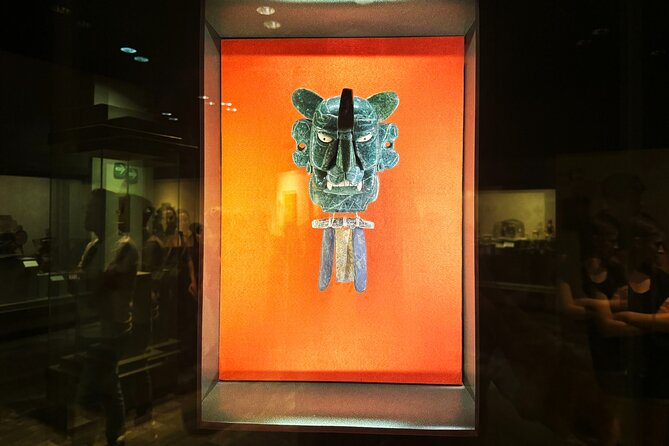
A very specific detail you’ll hear about involves stolen pieces: some objects made of gold, jade, and obsidian were stolen on December 25, 1985. Even if you don’t remember the exact date afterward, it sticks because it changes how you view the museum case. You’re not just looking at history; you’re looking at history that also had a modern chapter—security, loss, recovery, and the way museums protect cultural memory.
The Museum’s Design Project: Why the Building Matters
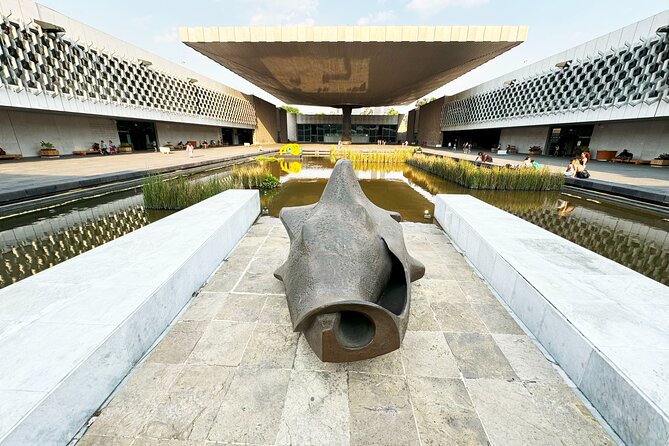
Most museum visits focus only on what’s inside the cases. This tour adds something extra: it explains the project behind the design of the National Anthropology Museum.
Why should you care? Because design affects how you understand the collection. When a museum is built with a clear structure and story in mind, it helps you connect cultures instead of treating everything as separate exhibits.
If you’ve ever felt lost in a big museum, you know that feeling comes from not understanding the logic. This tour helps you get that logic early. Then, even if you only have six rooms covered, you can mentally map where you are and where you should look next.


Price and Logistics: What You’re Really Paying For
At $83.63 per person, you’re paying for the guide service and a structured route through key rooms. The museum admission fee is not included. You’ll need to buy tickets at the museum’s official site for MX$210.00 per person—don’t rely on third-party sellers.
When I judge value in a museum like this, I ask: what would it cost me in time, confusion, and missed context if I didn’t have a guide?
Here, the math often works in your favor because:
- the route focuses six archaeology rooms in about 3 hours
- the guide connects artifacts to culture and time instead of leaving you to guess
- the group stays small, which improves pacing and attention
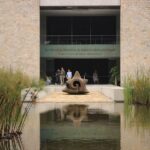
Logistics are also pretty straightforward. You meet at Museo Nacional de Antropología, Av. P.º de la Reforma s/n, Polanco, Bosque de Chapultepec I Secc, Miguel Hidalgo, 11560 Ciudad de México, CDMX, Mexico. It’s also near public transportation, which matters in Mexico City where getting around can be half the trip.
One small practical tip: the lobby can be busy, and it can be easy to miss your group if you’re waiting around without a clear plan. Bring your confirmation info, and keep an eye out for your guide before you wander off.
Group Size, Pacing, and Comfort Tips for a 3-Hour Visit
A maximum group size of 6 travelers sounds like a marketing line, but it changes the feel of the tour. You’re more likely to get real explanations at the objects you stop at, instead of hearing the same fast talk every time.
Pacing is also built for a museum setting. The tour is designed around your ability to walk and stand for part of the time, which is why it asks for moderate physical fitness. If you need to sit periodically, it can be workable—guides have been able to accommodate seated breaks and still explain the culture you’re seeing.
What I’d do to keep it comfortable:
- wear supportive shoes (museum floors plus lots of shifting lines is not the time for fragile footwear)
- plan for a concentrated 3 hours; you’re not doing laundry-day sightseeing after this
- if you’re sensitive to long standing, decide early where you’ll need breaks so it doesn’t turn into a scramble
And if you’re combining this with other Mexico City plans, I’d treat it as your archaeology orientation. It pairs especially well with visits to sites that have big visual shapes—once you understand how cultures expressed power and identity, you’ll read those sites differently.
Who This Tour Suits Best
This is a great match if you want:
- a first-time museum experience that actually teaches you something
- an English guide who explains how the displays fit together
- a calmer visit with small-group attention
- a route through major cultures linked to the era before 1521
It’s also a good choice if you’re building momentum for the rest of your trip. The tour’s focus on Olmeca, Zapotec, Teotihuacan, and Mexica cultures gives you a foundation you can carry into other stops, so your next day doesn’t start from zero.
If you already know a lot and want a deep, room-by-room archaeology weekend, you might feel limited by the fact that only six of 11 rooms get covered. But even then, the guided structure can help you decide what to prioritize on a second visit.
Should You Book This Small-Group Anthropology Museum Tour?
I’d book it if you care about context more than collecting random photos. This tour gives you a guided path through some of the museum’s most important archaeology rooms, ties the objects to cultures that shaped Mesoamerica, and helps you understand the museum’s design logic too.
Two cautions to keep in mind: it’s only about 3 hours, so you won’t see everything, and you’ll need to budget for admission tickets separately (MX$210). If those points fit your plan, this is one of the best ways to get real clarity fast in a museum that can otherwise swallow your day.
If you want your Mexico City day to feel like progress—not wandering—this small-group option is a smart call.
FAQ
Is admission included in the tour price?
No. Admission is not included. Tickets cost MX$210.00 per person and you should buy them at the museum’s official site.
How long is the tour?
The tour lasts about 3 hours.
What language is the tour offered in?
The tour is offered in English.
How many people are in the group?
The tour has a maximum of 6 travelers.
Where does the tour meet?
The meeting point is Museo Nacional de Antropología, Av. P.º de la Reforma s/n, Polanco, Bosque de Chapultepec I Secc, Miguel Hidalgo, 11560 Ciudad de México, CDMX, Mexico.
Can I cancel for a full refund?
Yes. You can cancel for a full refund up to 24 hours in advance of the experience start time.