REVIEW · MEXICO CITY
Mexico City: Anthropology Museum Guided Visit
Book on GetYourGuide →Operated by Amigo Tours LATAM · Bookable on GetYourGuide
A museum this big can swallow your day whole. This guided visit at Mexico City’s National Museum of Anthropology makes it feel manageable, with a highlight route and smart stops like the Stone of the Sun area.
I especially like the way the tour spotlights both the famous pieces and the small stuff that tells daily-life stories. You’ll spend time with displays of early tools and hunter-related objects, plus simple clay items tied to work and ritual.
One thing to weigh is the price: at $67 per person, you’re paying for the guide, the museum entry, and the ticket-line skip. If you’re the type who loves reading every label on your own, the cost may feel steep compared with just buying museum admission.
In This Review
- Key things I’d plan around
- Why the National Museum of Anthropology works best with a guide
- Meeting at the flagpole and how the 2.5 hours play out
- Entering the galleries: how your guide builds the timeline
- Archaeological objects from across Mexico: the big picture in plain language
- The small-object rooms: spear points and what early daily life meant
- Aztec masterpieces: the Stone of the Sun and the meaning behind power
- Originals vs replicas, and other details that make the tour feel real
- What to do with your free time inside the museum
- Price and logistics: is $67 good value here?
- Who this tour is best for
- Should you book it?
- FAQ
- How long is the guided museum visit?
- Where do we meet the guide?
- What’s included in the price?
- Does this tour skip the ticket line?
- What languages are available?
- Is food or drinks included?
- Is hotel pickup or drop-off included?
- Is there time to explore on my own?
Key things I’d plan around
- Meet at the flagpole (8:50 am) for a fast start
- A short, focused circuit through major galleries instead of wandering randomly
- Small-object rooms with items used by early hunters more than 10,000 years ago
- Everyday vs. ceremonial artifacts, including clay objects used in daily life and religious settings
- Guides who can translate meaning, with English available and a path through exhibits that are mostly Spanish-labeled
- Time to roam afterward, so you can return to what grabbed you
Why the National Museum of Anthropology works best with a guide
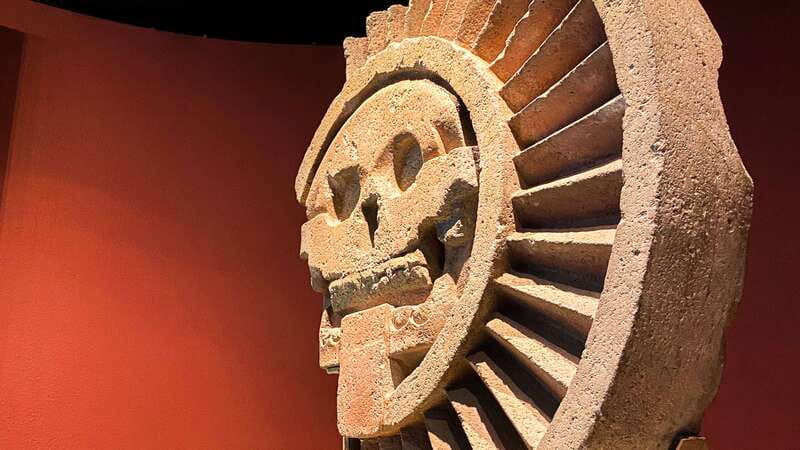
The National Museum of Anthropology is the kind of place where you either plan your path or you get lost. It’s the museum people use as a starting point for understanding Mexican indigenous history, and it draws around 2 million visitors a year, so it’s not exactly quiet.
Going with a guide matters here because the museum is organized as a museum of collections across time and space. You’re looking at objects excavated from archaeological sites across what is now Mexico—different regions, different cultures, different periods—and it can be hard to build a timeline when you’re walking room to room on your own.
A good guide turns the building into a story. Instead of treating each display like a separate fact, you start connecting the dots: how people lived, what they made, and how meaning was placed onto objects—whether for practical use, status, or ceremonies.
You can also read our reviews of more guided tours in Mexico City

Meeting at the flagpole and how the 2.5 hours play out
You meet your guide at the flagpole next to the main entrance at 8:50 am. Starting early is smart because the museum can get busy fast, and you’ll want time to find your first galleries without feeling rushed.
The tour is designed to be short—about 2.5 hours total—and that’s the core advantage. You get an efficient route through the most important exhibits, plus a bit of breathing room to look closer after the guided portion. There’s also a skip the ticket line feature, which is a real time-saver in a museum that gets that many visitors.
What’s included is simple: the guide and museum entrance. What isn’t included: food and drinks, plus hotel pickup/drop-off or transportation. So you’ll be planning your own timing for lunch afterward, and you should come ready to walk—this museum is large, and even a “short tour” can feel like you’ve covered a lot.
Entering the galleries: how your guide builds the timeline
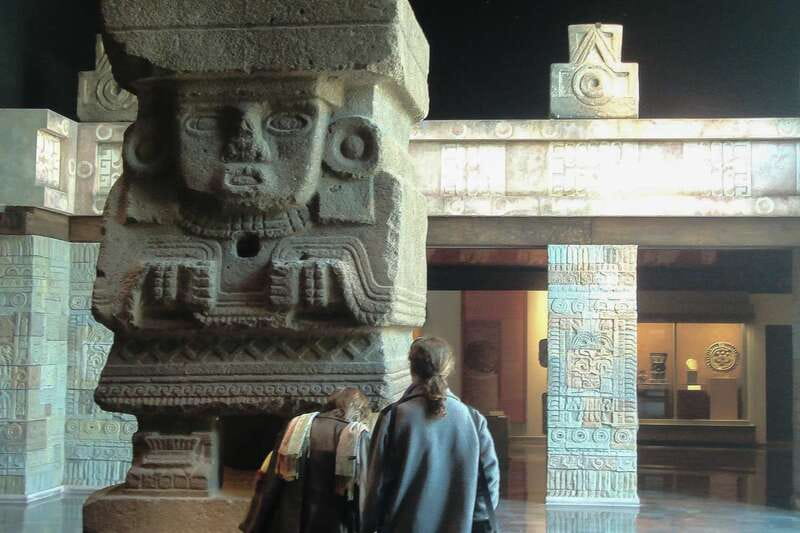
When you step inside, the museum’s scale hits you right away. Rooms spread out across pre-Columbian civilizations, and the exhibits are meant to show long-term cultural development rather than a single dynasty or city. That’s exactly why the guide’s job is so important.
On this tour, your guide explains what you’re seeing and why it matters. Expect explanations tied to the cultures that created the objects—often including Maya, Aztec, and Zapotec—and how historians have had to adjust thinking as new evidence and interpretations have come up over time.
A useful thing to watch for: the guide doesn’t just list names. The best guides in this tour’s orbit (people like Leonardo, Giovanna, Alan, Lili, Hector, and Roberto) are praised for weaving the individual objects into one big story. That approach helps your brain hold onto what you saw, instead of letting it blur together.
Archaeological objects from across Mexico: the big picture in plain language
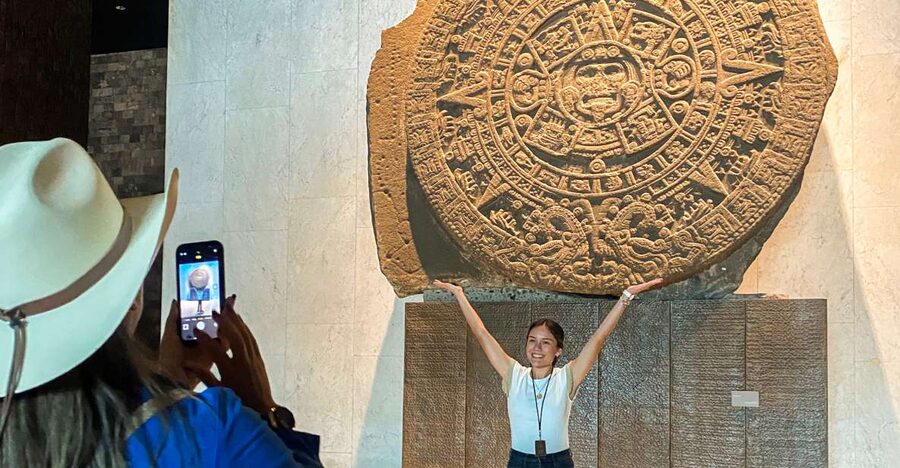
One of the tour’s most valuable moves is setting the museum up as a map of Mexico’s ancient territories. You’ll see objects excavated from archaeological sites across huge regions in modern-day Mexico, and the tour frames them as evidence of how different groups lived and worked.
This is where the museum feels less like a list of artifacts and more like proof. Objects don’t just look impressive behind glass; they show technology, trade, beliefs, and choices. Your guide helps connect those dots so you can understand why the museum is seen as a flagship institution for preserving indigenous heritage.
You’ll also learn what to look for beyond the headline piece. Guides typically point out relationships: how tools and materials can hint at daily life, how style can suggest cultural ties, and how certain materials appear again and again across periods.
The small-object rooms: spear points and what early daily life meant
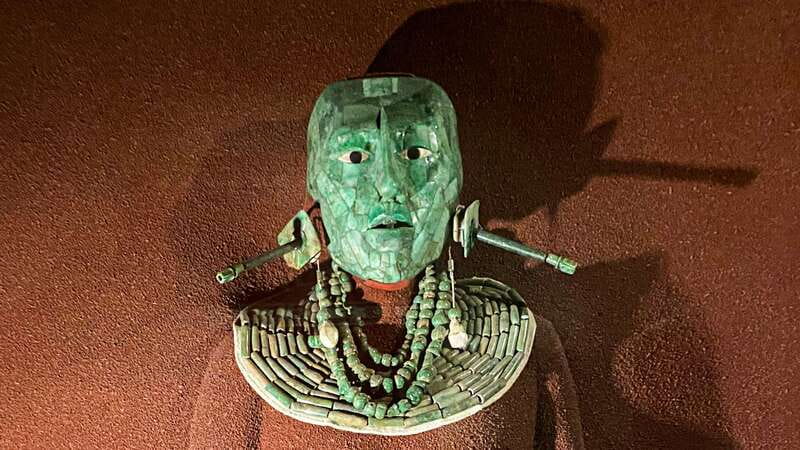
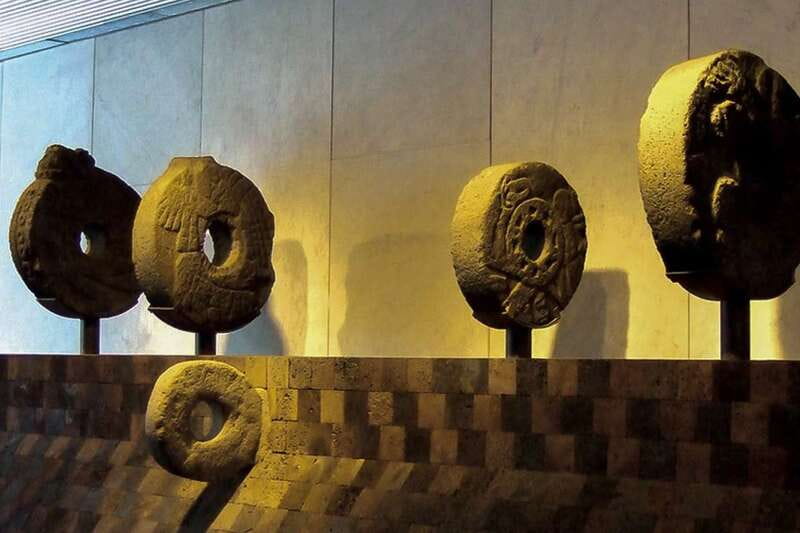
If you only look at big masterpieces, you miss a lot. I love that this tour includes rooms focused on small objects, including displays like spear points used by early hunters more than 10,000 years ago.
These galleries can feel surprisingly human. A small tool is still a life tool—something people made, repaired, and used. Seeing them up close (even behind glass) changes how you think about “ancient” history. It’s not only monuments and rulers; it’s practical work.
Your guide should also help you interpret other types of objects you may see in this section, including simple clay items used both:
- in daily life, and
- as symbolic pieces in religious ceremonies
That combination is powerful. It shows how blurred the line can be between survival and meaning.
You can also read our reviews of more city tours in Mexico City



Aztec masterpieces: the Stone of the Sun and the meaning behind power
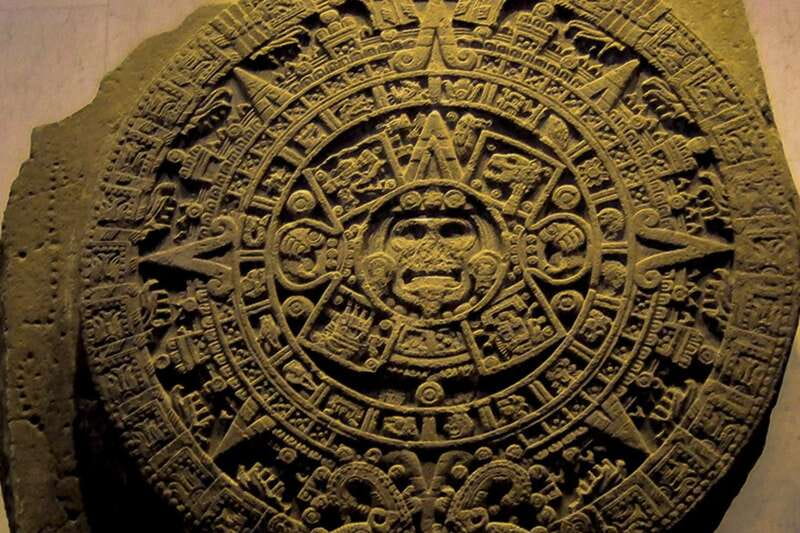
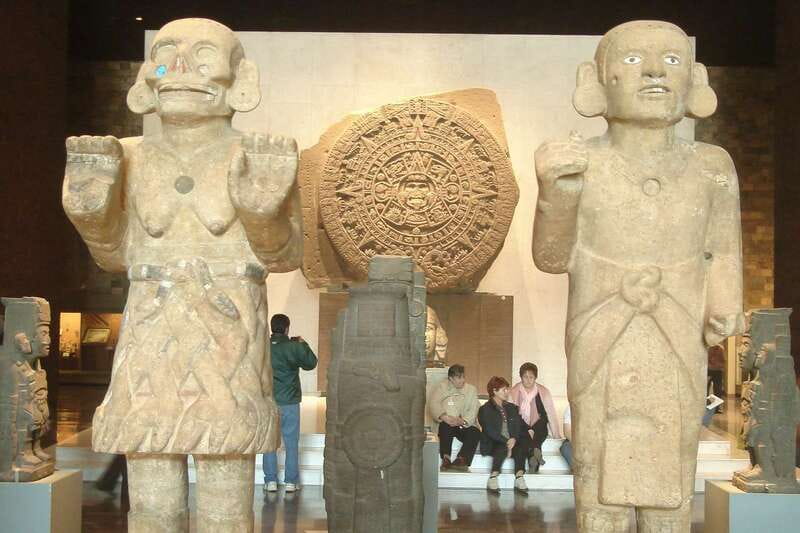
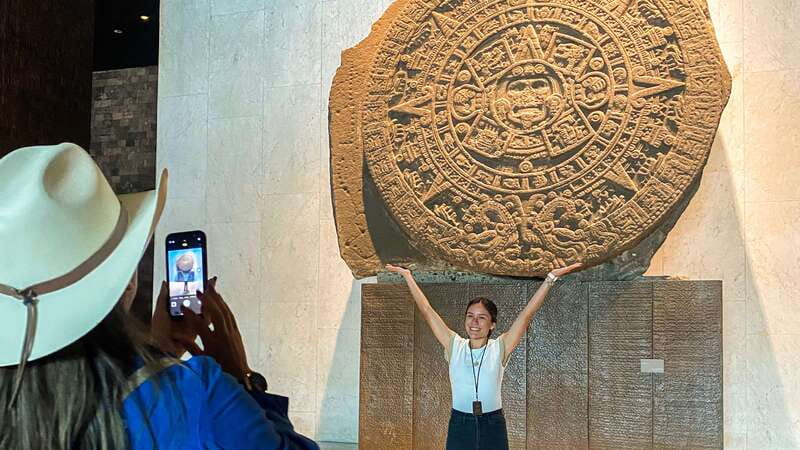
The museum has heavyweight stars, and the tour steers you toward the Stone of the Sun (Aztec calendar stone). This is one of those pieces people recognize by image even if they don’t know the details. A guide’s explanation is what turns it from an iconic photo into a cultural message.
During your stop, you’ll hear what the guide believes the stone communicates and how it fits into broader Mesoamerican ideas of time, ritual, and identity. The point isn’t just to know facts—it’s to understand why historians keep revisiting how these societies developed, especially when comparing major cultures like the Maya, Aztec, and Zapotec.
Also pay attention to how your guide talks about artifacts’ value. The museum isn’t only preserving objects; it’s preserving cultural thinking. That’s why a site like this can feel like a classroom and a memorial at the same time.
Originals vs replicas, and other details that make the tour feel real
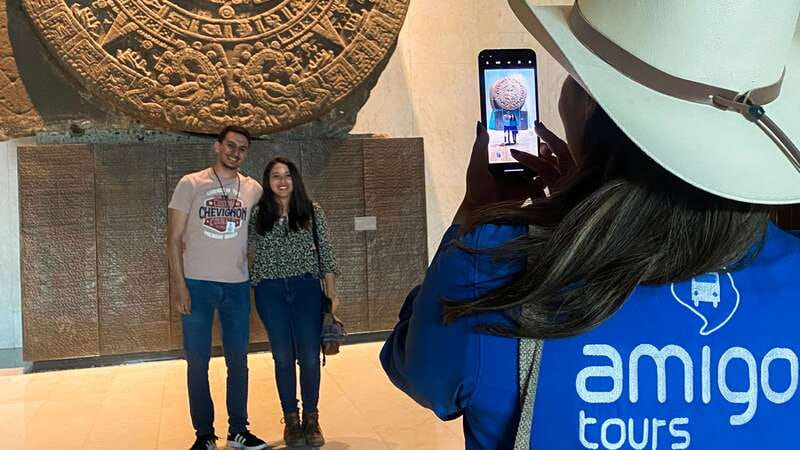
One reason I recommend guided museum time is that it helps you notice details your eye might skip. In this tour, guides often point out whether pieces are originals or replicas, which matters because you want to understand what’s authentic versus what’s included to help you visualize.
Some guides are also known for coming prepared with extra supports—like additional photos or reference material on a phone or folder—so if you’re trying to connect carvings or symbols to a story, you’re not left guessing.
Another thing you’ll likely get: a sense of pacing. The museum is huge, and even with a guide, it’s easy to burn energy too fast. Good guides keep the rhythm so you still feel fresh enough for the core galleries.
What to do with your free time inside the museum
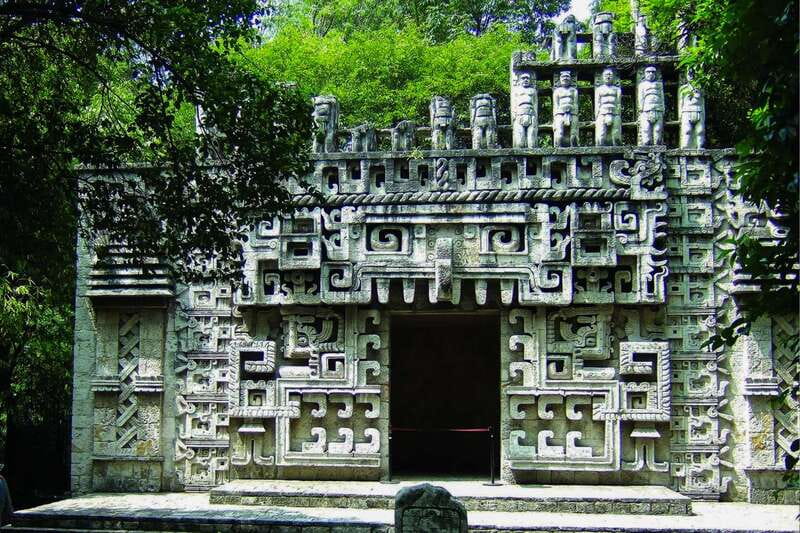
You do get time to explore on your own after the guided portion. That’s not just a nice bonus—it’s the part where your personal interests take over.
Use it like this:
- Revisit anything your guide highlighted but you wanted to see longer.
- Slow down around objects that match what you like most: tools, ritual items, architecture-related themes, or timelines.
- If the plaques are harder for you to read (English support can be limited), rely on the memory you built during the tour, then spend your “free” time on the pieces that felt most meaningful.
A practical note: some of the exhibit plaques can be in Spanish, and that can make unguided reading tough for English speakers. The guide helps you get the context first, so your later self-guided look isn’t just staring at text.
Price and logistics: is $67 good value here?
Let’s talk money in a grounded way. You pay $67 per person for:
- the guide,
- entrance to the museum, and
- a skip-the-ticket-line benefit.
One practical comparison point: museum admission is around 200 pesos, so your tour fee is paying mainly for the guide’s time and the selection of highlights, not just the ticket itself. If you’d spend time and energy figuring out what to see, or if the Spanish-only labels would slow you down, the guide can be worth it fast.
But if you’re a museum sprinter with strong Spanish and you love reading every label, you might prefer to go unguided and spend less. In that case, you’d lose the guided timeline and the “why this matters” explanations, but you’d keep more control over your route.
Also keep timing realistic. Most people describe the tour as hitting the main highlights well, but sometimes it can run longer when questions come up or the group wants extra time at key rooms. Build in a cushion for the rest of your day if you have plans.
Who this tour is best for
This works especially well if:
- you want a fast, meaningful route through a museum that’s too large to do well in one go,
- you care about understanding how people lived and what objects meant, not just staring at displays,
- you don’t want to spend the day planning where to start and how to move.
It’s also a smart first stop in your Mexico City trip if you’re heading toward archaeology sites outside the city later. One common pattern is that people leave feeling better prepared for next-day ruins like Teotihuacán.
If you’re traveling with limited time, or you want your museum day to actually connect to the rest of your trip, this guided option is a strong bet.
Should you book it?
Yes, I’d book this guided visit if you want your museum time to feel organized, interpretable, and not exhausting. The strongest reason is the story your guide builds—from small hunter tools and daily-life clay pieces to major Aztec highlights like the Stone of the Sun. That’s exactly the difference between seeing objects and understanding them.
I’d think twice if your budget is tight or if you plan to read Spanish plaques line-by-line and build your own timeline. In that case, you may enjoy going solo more than paying for a guide.
FAQ
How long is the guided museum visit?
The tour runs about 2.5 hours total.
Where do we meet the guide?
Meet at the flagpole next to the main entrance of the National Museum of Anthropology at 8:50 am.
What’s included in the price?
You get the live tour guide and entrance to the National Museum of Anthropology.
Does this tour skip the ticket line?
Yes, it includes a skip the ticket line benefit.
What languages are available?
Tours are offered in Spanish and English.
Is food or drinks included?
No. Food and drinks are not included.
Is hotel pickup or drop-off included?
No. Hotel pickup and drop-off (transportation) is not included.
Is there time to explore on my own?
Yes. After the guided tour portion, you’ll have some free time to explore the museum independently.