REVIEW · KRAKOW
Krakow: Schindler’s Factory Museum Small Group Guided Tour
Book on GetYourGuide →Operated by Krakow4you.pl · Bookable on GetYourGuide
Krakow turns heavy fast. This small-group tour of Schindler’s Factory Museum does two things especially well: it gives you a clear path through the museum and it connects the exhibits to what changed around Krakow from 1939 to 1945. I love how the story centers on Oskar Schindler and his effort to save over 1,200 people, not on generic talking points. One thing to consider: it’s a moving, serious subject, and you’ll do a fair amount of walking (including inside a museum on 3 levels).
I also really like the human teaching style. In English (and German), guides like Alicja Wrobel and Anna are praised for making the material feel understandable and personal, with answers that don’t stop just because the clock says so. One practical drawback: the tour is only about 90 minutes, so even a highly engaging guide can’t go as far as you might want if you start asking lots of questions early.
If you want a meaningful, well-paced way to see the museum and streets in one go, this is a solid choice. You’ll leave with a better sense of how ordinary life was reshaped under occupation—and why Schindler’s actions mattered so much.
In This Review
- Key things I think you’ll appreciate most
- Where the tour starts: the factory building and your first orientation
- The street walk: seeing Krakow’s shift from 1939 to 1945
- Inside Schindler’s Factory: what “three levels” means for your visit
- How the guide brings the story to life (and why it matters)
- Small-group dynamics: what it feels like in real time
- Price and value: what $52 buys you (and what it doesn’t)
- Who this tour suits best (and who might want something else)
- Quick practical tips that help you enjoy it
- Should you book the Schindler’s Factory small-group tour?
- FAQ
- How long is the Krakow Schindler’s Factory small-group tour?
- What’s included in the price?
- Where do I meet the guide?
- What languages is the tour offered in?
- How large is the group?
- Is the museum tour accessible for wheelchairs?
- What should I bring, and is anything not allowed?
Key things I think you’ll appreciate most
- A focused small group (max 14) that keeps the pace readable and the questions welcome
- Skip-the-line entry plus admission included, so you lose less time to logistics
- A street walk tied to 1939–1945 Krakow, not just a museum lecture
- Schindler’s Factory Museum exhibits across 3 levels, so you see more than one corner
- Guides who connect the story to real people, including references to Schindler’s List
Where the tour starts: the factory building and your first orientation
The experience begins at the historic administrative building of Oskar Schindler’s factory—now the museum. You meet your guide before entering the museum, and the key detail is spotting your person with a sign that says GoGuide – Schinlder’s Factory guided tour with your chosen starting time.
This first moment matters. If you’re new to the area, it helps you get your bearings fast and reduces that “where do I go?” stress. And since the tour includes museum admission and guidance, you can treat the start like the beginning of the narrative, not a separate chore.
Bring what you need for entry. The tour info is clear that you should have a passport or ID card, so don’t plan on swinging by the last minute without it.
You can also read our reviews of more guided tours in Krakow
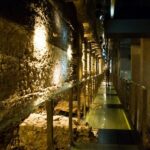
The street walk: seeing Krakow’s shift from 1939 to 1945
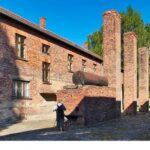
After the intro, you’re taken out into the streets of Krakow. The point isn’t just to look at buildings. It’s to follow how life changed as the city moved through the years of German occupation, with the atmosphere and daily routines shifting between 1939 and 1945.
This part works best if you let the guide do the connecting. You’re walking in the footsteps of Oskar Schindler, along with the people he helped and other city residents who experienced the occupation firsthand. That frame turns a simple walk into a timeline you can feel under your feet.
Here’s what makes this valuable for you: it stops the museum from feeling like an isolated room of information. Instead, you see how the events shaped the space around it. You also get a better sense of scale—how many lives were affected, not just the famous names.
One practical consideration: because the tour involves walking and the museum has multiple levels, you’ll want comfortable shoes and the willingness to keep moving for the full 1.5 hours.
Inside Schindler’s Factory: what “three levels” means for your visit
Next, you enter Schindler’s Factory Museum for the guided portion. The tour is designed around the museum’s exhibits spread across 3 levels, which is a big deal for your expectations.
Three levels means you should plan on:
- Stairs or level changes during the tour
- Turning your head up and down as the guide shifts between themes
- More content than a quick stop-and-snap kind of visit
The benefit is you see more of the museum rather than skimming the loudest rooms only. You also get a guided structure for understanding what you’re looking at, which is especially helpful when the subject matter is emotionally heavy.
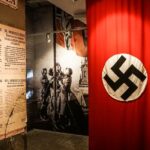
The museum visit is where you’ll learn about Schindler’s efforts and the stories of people living in Krakow during the war. The tour description also emphasizes the daily horror of occupation life and the systematic attempt to devalue people who were seen as different—whether for religion or other reasons. You get help putting names and experiences into context, not just absorbing facts.
How the guide brings the story to life (and why it matters)
The experience lives or dies on the guide’s ability to keep it clear and human. The tour is offered in English or German, and the reviews highlight that guides are strongly praised for storytelling that stays focused on meaning rather than bitterness.
Two names come up repeatedly: Alicja Wrobel and Anna. In at least one case, Alicja’s explanations were so engaging that the tour ran about 2.5 hours instead of the planned 1.5 hours. That tells you something important: when the guide is on their game, the material doesn’t feel like a rush-through.
You’ll also notice that some guides connect the narrative to broader public understanding. One standout point from the reviews is that a guide tied in the film Schindler’s List alongside the real people involved. Even if you’ve seen the movie, this approach can help you separate what’s dramatized from what the museum is documenting.
This is also where “small group” actually earns its keep. With a group no larger than 14, you’re less likely to feel like a face in a crowd. You get a better chance to hear the guide’s details clearly and to ask follow-up questions without the guide having to triage the whole room.
Small-group dynamics: what it feels like in real time
This tour is marketed as a small group experience, capped at 14 people. In practice, you might find it even smaller. One booking was reported as effectively just the two of the travelers with a guide, which instantly changes the feel from group tour to near-private conversation.
That matters because the subject is complex and personal. When the group is small, the guide can slow down for understanding. It’s easier to ask, easier to hear, and easier to track what you’re learning.
Also, this tour is designed to be walking-forward, not just standing and listening. The combination of street walk plus multi-level museum visit fills the 90 minutes. If you’re someone who gets restless in long indoor lectures, this format helps. If you’re someone who loves lingering, you might wish you had more time—but you can at least leave with a clear mental map and a sense of direction for any self-guided follow-up afterward.
You can also read our reviews of more museum experiences in Krakow



Price and value: what $52 buys you (and what it doesn’t)
At $52 per person for about 90 minutes, the value comes from combining several things in one package:
- Guided tour (live guide in English or German)
- Museum admission included
- Skip the ticket line
That combination saves time and avoids a common pain point in museum visits: you either pay for a ticket and figure out timing, or you pay for a guide and still have to wait. Here, you do both with less friction.
It’s also “worth it” if you care about interpretation. The museum is not just a set of objects. The point of this tour is to help you understand what you’re seeing—who it affected and why the actions taken mattered. Without a guide, you could still read signs, but you’d miss the structured storytelling and the guided connections between the streets and the exhibits.
What the price does not include: your own time later for deeper independent exploration. This tour is intentionally tight. Think of it as a strong guided foundation, not a substitute for spending hours at your own speed.
One more value note: the provider is Krakow4you.pl, and the tour format is built for small groups, which usually means better pacing and less scramble to hear the guide.
Who this tour suits best (and who might want something else)
You’ll probably love this if you:
- Want a structured, guided museum visit rather than wandering
- Like context that connects stories to the streets outside
- Prefer smaller groups for serious topics
- Want a clear introduction to Schindler’s efforts to save over 1,200 Jews
You might think twice if you:
- Hate walking or stairs. The museum involves 3 levels, and the overall experience is movement-heavy.
- Want a lighter, purely sightseeing experience. This tour focuses on occupation life, daily horror, and systematic dehumanization. It’s not meant to be casual.
The good news is that the tour is wheelchair accessible, so if mobility is a concern, this format can work better than many standard walking-heavy tours.
Quick practical tips that help you enjoy it
- Wear comfortable shoes. You’ll be walking and moving between levels.
- Bring your passport or ID card. It’s explicitly required.
- Don’t plan on bringing alcohol. Alcohol and drugs are not allowed.
- Expect the tone to be serious. The tour asks you to understand what happened to people in Krakow during the war.
- If you’re the type who asks questions, go ahead—but know the main framework is designed for 1.5 hours.
Should you book the Schindler’s Factory small-group tour?
If you want a meaningful, guided way to see Schindler’s Factory plus a street walk that explains how life changed from 1939 to 1945, book it. The small-group size, the included admission, and the skip-the-line setup are real practical wins, and the guide experience seems to make a noticeable difference—especially with guides like Alicja Wrobel and Anna, who are praised for clarity and staying power.
The only real reason to skip is if you’d rather do the museum at your own pace without a narrative thread, or if walking through a museum on 3 levels sounds like a hassle.
FAQ
How long is the Krakow Schindler’s Factory small-group tour?
The tour lasts 90 minutes.
What’s included in the price?
The price includes admission to the museum and a guided tour.
Where do I meet the guide?
Meet your guide before entering the museum, and look for a person holding a sign that says GoGuide – Schinlder’s Factory guided tour with the starting time you chose during booking.
What languages is the tour offered in?
The live tour guide speaks English and German.
How large is the group?
The tour runs in a small group of no more than 14 people.
Is the museum tour accessible for wheelchairs?
Yes, the tour is wheelchair accessible.
What should I bring, and is anything not allowed?
Bring a passport or ID card. Alcohol and drugs are not allowed.