REVIEW · KRAKOW
Krakow: Auschwitz-Birkenau Tour & Museum Expert Guide
Book on Viator →Operated by Discover Poland · Bookable on Viator
One early morning can change how you see Europe. This Auschwitz-Birkenau day trip from Krakow pairs licensed English-speaking guides (approved by the museum) with headsets so you don’t miss details, even on busy days. The day is heavy and built around timed access, which means you’ll also deal with early departures and site queues more than on a typical sightseeing tour.
What I like most is the structure: Auschwitz I for about 2 hours 30 minutes, then a short break before heading to Birkenau (Auschwitz II) for about 1 hour 30 minutes. I also appreciate the included round-trip air-conditioned transport from central Krakow and the focus on memorial moments, not just photos and facts.
The main drawback is practical: the pickup and exact departure time can shift because of Auschwitz-Birkenau policy, and the experience includes limited break time. If you hate very early starts, you’ll want to think carefully before booking.
In This Review
- Key highlights worth knowing
- From Krakow: the early start and transport reality
- Auschwitz I Museum: what you’ll see in 2.5 hours
- Birkenau in Brzezinka: the bigger camp with sharper shock
- The guide and the “approved” difference
- Timing, queues, and why you must stay flexible
- What to bring: ID, rain gear, shoes, and snacks
- Price and value: is $30.23 a good deal?
- Who this tour is best for (and who should skip)
- Should you book this Auschwitz-Birkenau tour?
- FAQ
- FAQ
- How long is the Auschwitz-Birkenau tour from Kraków?
- What does the price include?
- Is food or drinks included?
- Do I need an ID or passport?
- Will I visit both Auschwitz I and Birkenau?
- What if the departure time changes?
- Is this tour suitable for mobility issues?
Key highlights worth knowing
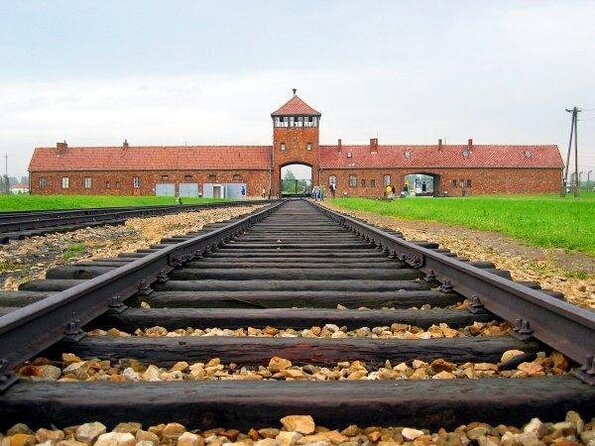
- Museum-approved local guide in English keeps the story clear and respectful
- Headsets included so your group doesn’t lose information during tight moments
- Timed access at Auschwitz I and Birkenau shapes your pace and how much you see
- Short breaks between sections (including a quick stop for coffee/exhibits) keep the flow moving
- Max 30 travelers helps the group stay manageable on the day’s walking
- You’ll visit both camps and the memorial spaces for quiet reflection, not only the exhibits
From Krakow: the early start and transport reality
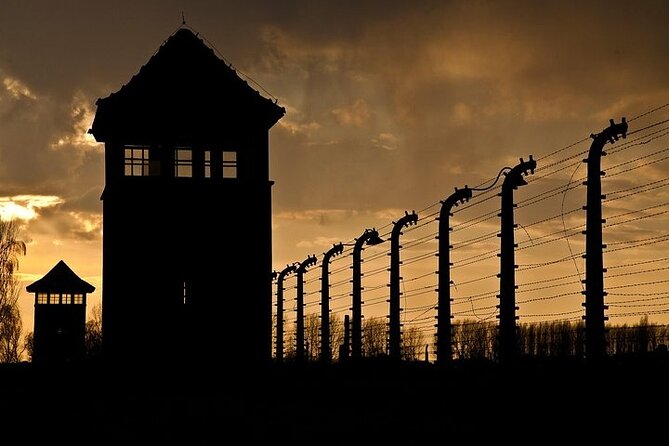
This tour runs as a full-day outing, usually around 7 to 8 hours, with round-trip transportation in an air-conditioned van or mini-bus. The meeting point is Pawia 18B in Kraków, and you return to that same area at the end.
Here’s the thing: the “exact” timing can be slippery. The departure time may change due to Auschwitz-Birkenau rules, and the operator encourages you to confirm the confirmed departure time the day before. On paper, you might see a normal morning pickup, but in real life, expect that day at the mercy of the site schedule.
Once you leave Kraków, you’re not just commuting. The leader is with you during the drive and helps you get oriented. When you reach Oswiecim, there’s usually a quick break to grab coffee or check out outdoor exhibits before you meet the museum guide.
That break matters because once the museum process begins, you won’t have long to wander. Plan your energy accordingly.
You can also read our reviews of more guided tours in Krakow

Auschwitz I Museum: what you’ll see in 2.5 hours
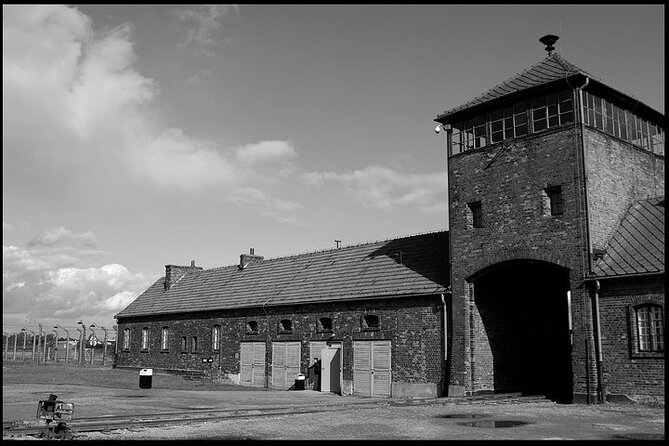
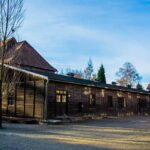
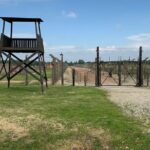
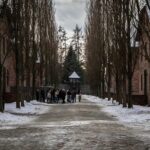
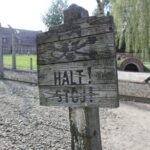
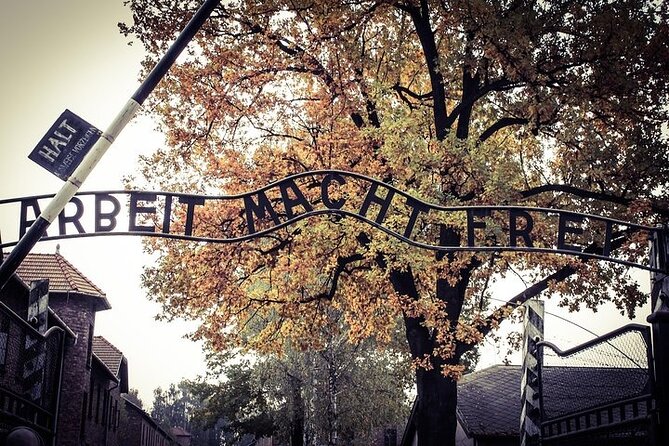
At Panstwowe Muzeum Auschwitz-Birkenau (Auschwitz I), you’re guided through the camp remains with an emphasis on system and human impact. You’ll move through barracks, watchtowers, and the famous Arbeit Macht Frei gate area, with the guide explaining how oppression was organized.
This is not a “scan the room” stop. The value is in the guided pacing: you’re seeing objects and documents tied to real lives, including personal belongings, photographs, and archival materials. Those details are what turn the site from general knowledge into something personal and impossible to forget.
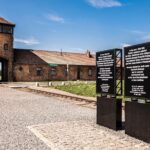
The visit also includes memorial time—paying respects at memorials and monuments for Holocaust victims, plus a quiet moment for reflection. That reflective component is why I consider this stop the emotional anchor of the day.
Practical note: expect walking and standing. On hot days, it can feel long even if the time on-site is “only” around two and a half hours. Comfortable shoes are not optional.
Birkenau in Brzezinka: the bigger camp with sharper shock
After the first part, you get a short break (up to 15 minutes) and then head to Birkenau (Auschwitz II). The drive between the two is very short—listed as about 3 minutes away—but the day still feels like it resets emotionally.
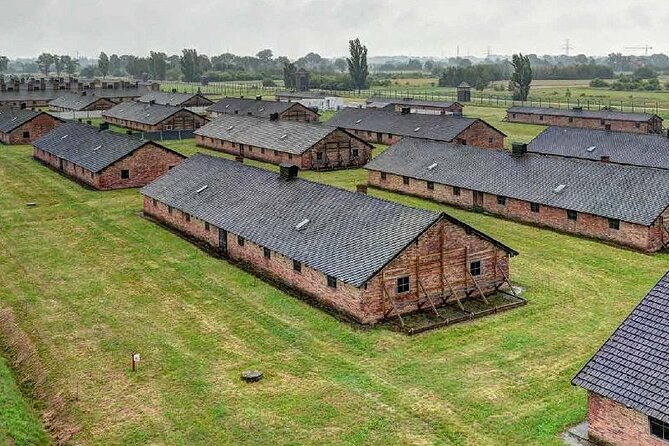
This section is about the scale and intent of the second camp. The guide lectures in Brzezinka (Birkenau), explaining how it was built in 1941 on orders attributed to Heinrich Himmler and how it was designed for mass persecution, including the idea of making Europe free of Jews. You’ll be told about living conditions and the brutal selection process, plus pseudo-scientific medical experiments carried out by prominent Nazi doctors, including Josef Mengele.
Birkenau also includes the ending you need: the narrative reaches the liberation on January 27, 1945, connected to the 60th Army of the First Ukrainian Front. By the time you finish, the feeling is clear: the genocide must never happen again.
One caution: Birkenau can be both physically and emotionally demanding. Even with a guide and a set duration (about 1 hour 30 minutes here), you’ll cover open ground, and you may feel the lack of time. If you’re expecting a leisurely visit, adjust your expectations now.
The guide and the “approved” difference
This is where the tour earns its “expert” label. You’re led by an officially approved local guide—specifically described as licensed and English-speaking—and that approval matters. It usually means you’re not stuck with someone reading museum placards in a hurry.
You also get headsets, which is a huge deal in places like Auschwitz. If your group is large or the guides are speaking over foot traffic, headsets keep the meaning intact.
In the real world, guide quality can swing the experience. Names like John, Norbert, and Paulina show up in positive accounts as examples of leaders who are friendly, have strong English, and share clear detail. What I take from that: when you get a good guide, you don’t just learn what happened—you understand how the system worked and why the memorials are arranged the way they are.
If you want the day to feel coherent instead of fragmented, prioritize a tour that has a real guide and working audio. This one includes both.
Timing, queues, and why you must stay flexible
Auschwitz is popular, and the tour acknowledges it directly: there can be a queue at the entrance, and you should be patient. This is one of those places where the site’s flow controls your schedule more than your operator does.
You should also accept that time changes happen. The departure time can shift due to Auschwitz-Birkenau policy, and the tour may run with slightly different timing than what you imagine when you book.
So how do you make this work for you?
- Build in buffer time for your entire day in Kraków. Don’t schedule anything tight after the tour.
- Plan your arrival in Kraków with “sleep and breakfast” ready, because the pickup can be very early.
- Bring what you need for waiting, because you might spend time in line before the day gets moving.
There’s also a built-in structure of short breaks. Breaks are listed as no longer than 10 minutes, plus a longer 20-minute break at the end for a bookstore, groceries, or simply regrouping.
Food isn’t included, and that affects your comfort in line and walking time. More on that next.
You can also read our reviews of more museum experiences in Krakow



What to bring: ID, rain gear, shoes, and snacks
This is one of the more practical tours to prep for.
You should bring ID or a passport, because security at the entrance may ask for it. If you show up without the right document, your day can stall right when you most want it to start.
Weather matters here. The tour encourages you to bring umbrellas or raincoats in bad conditions. Even if it’s not raining, you’re outside for parts of the day.
Wear walking shoes. The day includes significant walking, and on hot days you’ll want to protect yourself from sun and dehydration. Some people reported feeling hungry and dehydrated late in the day when breaks and food weren’t enough for their needs, so I strongly recommend bringing your own snacks and a refillable water bottle.
Food and drinks are not included, so you’ll want:
- small snacks you can eat quickly
- water you can manage over hours
- something easy to grab during the short breaks
Your goal is simple: show up physically ready so your focus stays on the experience itself.
Price and value: is $30.23 a good deal?
At $30.23 per person, this tour is priced low for what you get: round-trip transport from Kraków, a licensed English-speaking guide, headsets, and entry details. Auschwitz I admission is included (about 2 hours 30 minutes worth of museum time), while Birkenau admission is listed as free for the portion of the day you attend.
That combination can be a real value, especially compared with the cost of sorting transport, tickets, and guided access on your own. In places with strict schedules, the “value” often comes from removing decision-making stress.
But there’s a trade-off. When tours are priced well, they can also be tightly scheduled, with early pickups and less flexibility. The day can feel rushed if the site queues move slowly or if the group logistics aren’t smooth on that specific day.
My advice is to treat the tour as a strong value if you’re prepared for the day’s realities: early start, waiting, walking, and no included meals.
Who this tour is best for (and who should skip)
This experience works best if you:
- want an English-guided visit with headsets
- prefer a structured day that includes both Auschwitz I and Birkenau
- can handle walking and outdoor sections
- are ready for an emotional day and respectful behavior expectations
It’s not recommended for people with serious health or mobility restrictions. Even if the duration sounds manageable, the physical movement and standing are part of the experience.
It can also be a good fit if you’re traveling in a group and want to learn from a guide rather than trying to piece the day together yourself.
If you’re the type who needs a lot of meal breaks, this may frustrate you since food and drinks aren’t included and break times are short.
Should you book this Auschwitz-Birkenau tour?
I’d book it if you want a guided day that covers both camps with a proper museum-approved English guide, includes transport and audio, and you can handle an early, scheduled day.
I’d hesitate if:
- you’re sensitive to extreme early departures and schedule changes
- you’re planning a packed itinerary around tight timing in Kraków
- you need frequent long breaks, food included, or easy mobility
One smart move: confirm the exact departure time the day before, and pack for waiting and walking. If you do that, the price and the guided structure can feel like excellent value—and the experience stays focused on what matters.
FAQ
FAQ
How long is the Auschwitz-Birkenau tour from Kraków?
The tour is typically around 7 to 8 hours total.
What does the price include?
The tour includes a licensed English-speaking local guide, round-trip transport from and to Kraków in an air-conditioned vehicle, entry fees (with Auschwitz I admission included), and headsets so you can hear the guide clearly.
Is food or drinks included?
No. Food and drinks are not included, so you’ll want to plan snacks and water on your own.
Do I need an ID or passport?
Yes. Bring ID or your passport, since entrance security may ask for it.
Will I visit both Auschwitz I and Birkenau?
Yes. You visit Auschwitz I first (about 2 hours 30 minutes) and then Birkenau (Auschwitz II) (about 1 hour 30 minutes).
What if the departure time changes?
Departure time may change due to Auschwitz-Birkenau policy. The operator recommends contacting you the day before to confirm the exact departure time.
Is this tour suitable for mobility issues?
It’s not recommended for people with serious health or mobility restrictions.