REVIEW · MADRID
Madrid: Museo de la Luz Entry Ticket
Book on GetYourGuide →Operated by Museo de la Luz · Bookable on GetYourGuide
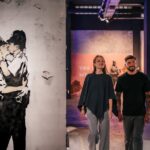
Light turns into art in Madrid. I love the fast 20-minute format that fits into any day, and I love the colored light play that feels more like an art lab than a lecture. One heads-up: the museum is small, so if you want a long sit-down museum experience, this may feel short.
For $17, you get an entry ticket plus interactive exhibits built around light as the main medium. Expect installations, sculptures, and projections that use color and shadow to communicate mood and ideas.
The other thing I like is the human touch. Staff are welcoming and helpful, and they’ll coach you on poses and picture-taking, including moments that can get you seriously photogenic angles.
In This Review
- Key highlights
- Museo de la Luz in Madrid: Light Art That Fits Your Day
- Price and Timing: How the 20-Minute Entry Window Really Matters
- What You’ll See: Projections, Laser Moments, and Light-Based Installations
- Interactive Light Games: The Part That Feels Like Play
- Photo-First, but Not Photo-Only: Getting Great Shots Without Stress
- The Art and Science Angle: Why Light as a Medium Feels Different
- Who Should Go: Solo, Couples, and Families in Madrid
- Price Value Check: Is $17 Worth It?
- Accessibility and Comfort: Easy Indoor Planning
- Final Decision: Should You Book the Museo de la Luz Entry Ticket?
- FAQ
- How much does the Museo de la Luz entry ticket cost?
- How long is the ticket valid for?
- What is included with the entry ticket?
- Is Museo de la Luz wheelchair accessible?
- Can I get a refund if my plans change?
- Can I reserve the ticket and pay later?
- What time should I arrive for my entry slot?
- What happens if I arrive late?
- Is the museum suitable for children?
Key highlights
- Projections and laser effects that make the room feel like part of the artwork
- Colored light games you can play with instead of just watching
- A hands-on setup (including a hoist/lift-style element) that adds movement and fun
- Photo support from staff, especially for best angles and poses
- A quick, indoor reset when Madrid’s heat or crowds are draining your energy
Museo de la Luz in Madrid: Light Art That Fits Your Day
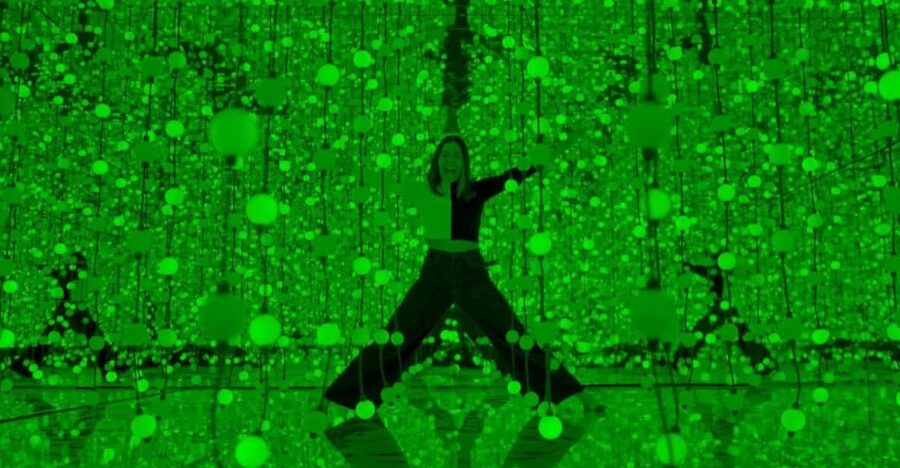
Museo de la Luz is exactly what it sounds like: a museum where light is the art tool. Not “light as a theme.” Light as the material. You’ll see how beams, projections, reflection, and color can become emotional and conceptual, not just decorative.
The big practical win is the time. Your ticket is valid for 20 minutes, so you can slot it in between bigger sights without feeling like you gave up half a day. That’s great if you plan tightly, travel with kids, or just want something indoor that doesn’t require stamina.
Also, this isn’t an art museum where you have to be “in the mood” for serious interpretation to enjoy it. You get to experiment. You walk through spaces where light behaves differently, and that’s naturally engaging even if you’re not chasing deep art theory.
A few more Madrid tours and experiences worth a look


Price and Timing: How the 20-Minute Entry Window Really Matters
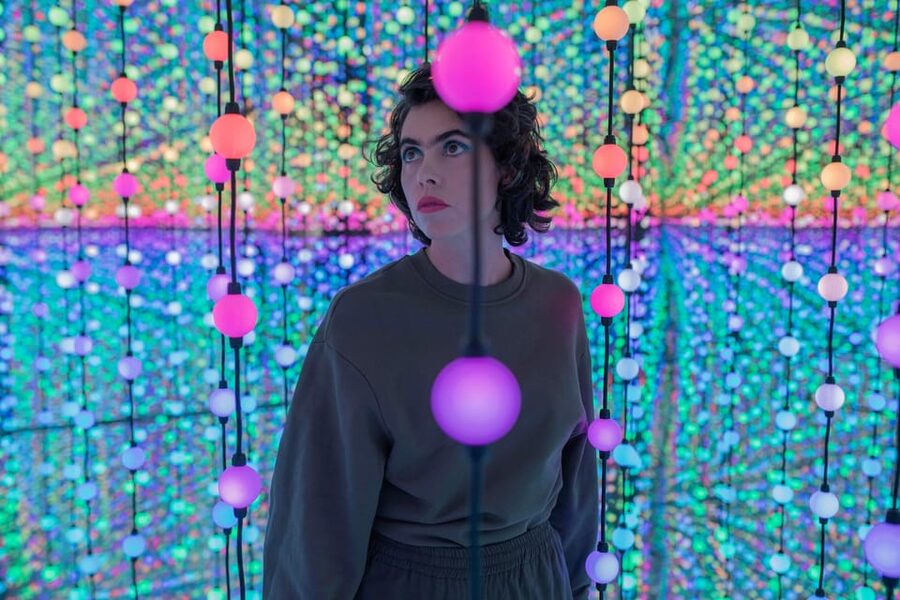
The ticket price is listed at $17 per person. For this kind of experience, I think the value comes from two things: it’s built around interaction and photo-ready moments, and it’s short enough that you’re not paying for time you’d rather spend elsewhere in Madrid.
That said, the duration is not vague. Your entry is valid 20 minutes, and the museum asks you to arrive five minutes before your scheduled time or at the entry time. If you show up late, entry is not guaranteed if you arrive more than 20 minutes after your scheduled slot.
So treat this like a timed gallery show, not a casual drop-in. If you’re the type who likes wandering to the minute, set an alert and keep a buffer.
One more detail that affects planning: children must be accompanied by an adult at all times. If you’re traveling with a family, that keeps the experience simple and supervised, but it also means you’ll want to stay close as you move from one light setup to the next.
What You’ll See: Projections, Laser Moments, and Light-Based Installations
Inside, you’re looking at a mix of formats that all share one goal: make you notice light differently.
You can expect:
- Installations and sculptures where shape and material make color and brightness “do the talking”
- Projections that change the room as you move through it
- Laser and light effects that create crisp, playful visuals
- Interactive spaces where you can try how light responds to your actions or your position
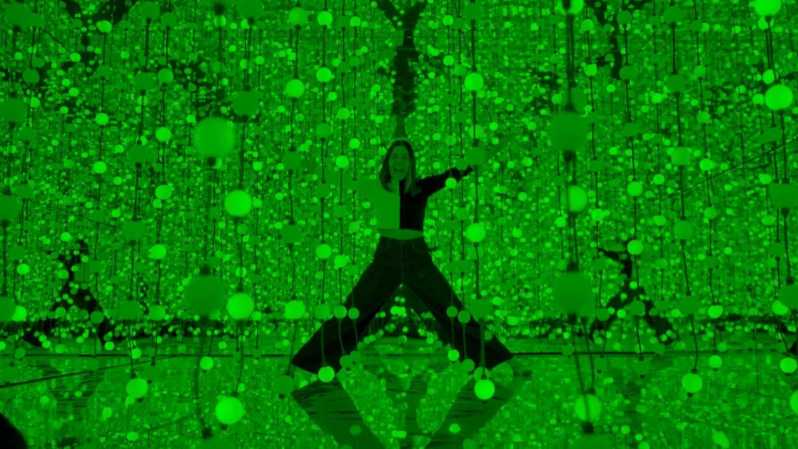
A highlight here is that the museum doesn’t just show you “what light can do.” It builds environments where light becomes something you can participate in. That’s why this works so well for people who like taking photos, but also for people who just want a fun, creative break.
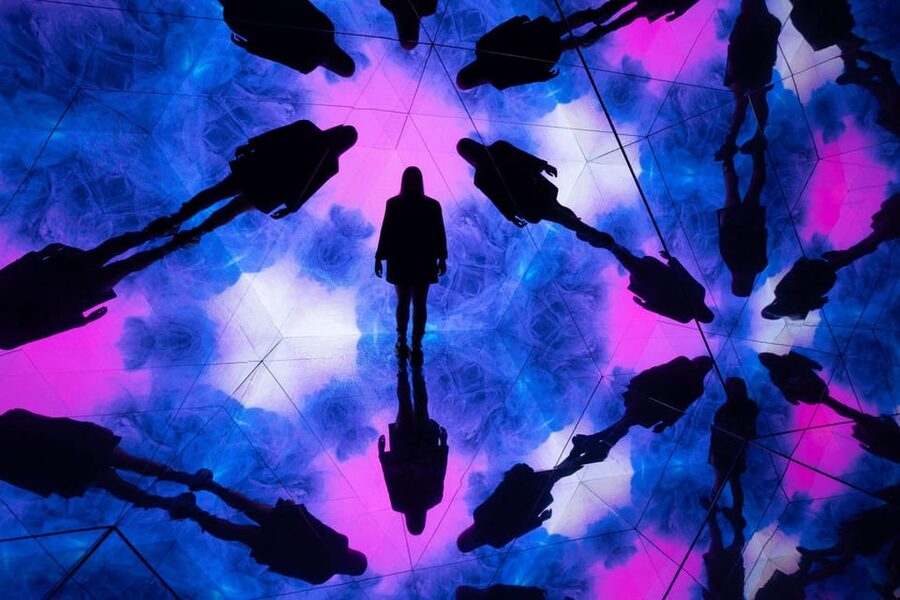
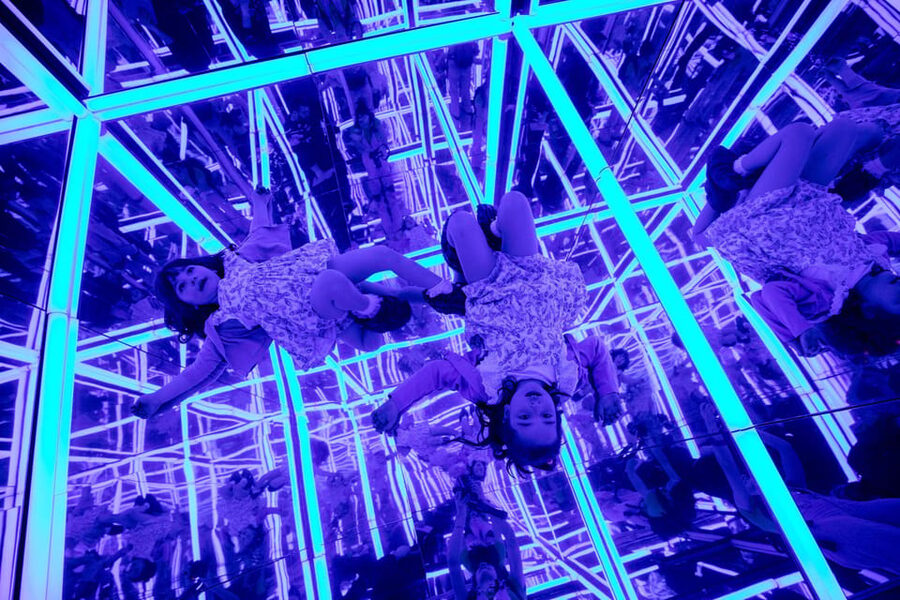
One review specifically calls out the laser and a colorful light in the mirror room. Even without getting too technical about the design, that combination is a good clue: reflective surfaces plus controlled color can turn a simple pose into a dramatic shot.
And yes, there’s also mention of a hoist/lift-style feature. I’d think of it as one more “technology moment” that adds movement and makes the space feel alive. If you like the idea of being part of a staged light experience, this is a plus.
Interactive Light Games: The Part That Feels Like Play
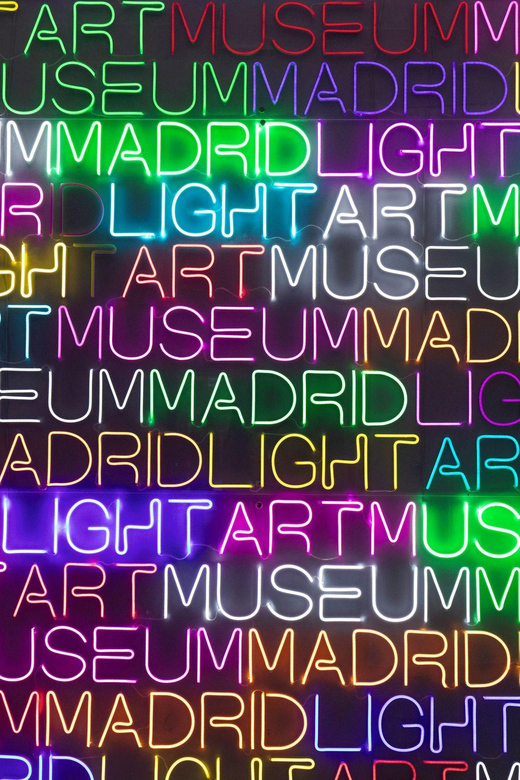
The best way I can describe the museum’s tone is this: it behaves like an art playground with rules (timed entry), but with lots of freedom inside.
The museum includes interactive exhibits, including colored light games. You’re not just staring at a screen. You’re moving, positioning, and responding to what the light is doing around you. That’s a big difference from passive sightseeing.
It also explains why people often walk out with a memory that’s not only “I saw art,” but “I played with light and it changed my photos.” Light is invisible until it’s controlled, and here you see control in action.
Even better, these interactions tend to be beginner-friendly. You don’t need special knowledge. You just need curiosity and a willingness to try one more position even if the first one doesn’t look perfect.
Photo-First, but Not Photo-Only: Getting Great Shots Without Stress
Let’s be honest: a lot of the appeal is photographic. The museum is extremely photo-friendly, and the setup is designed for angles, reflections, and colored effects that look good quickly.
What I like is that the staff help with the practical stuff:
- They welcome you warmly and give an intro
- They offer pose recommendations
- They can help take pictures so you’re not stuck in the “selfie scramble” the whole time
If you want a smooth photo session, here’s what I’d do:
- Start with one “safe” pose early. Get a baseline shot while the light effect is clean.
- Then move through and repeat the same pose in different setups. That’s the easiest way to compare how color and projection change your results.
- Save your best attempts for later, after you’ve seen how the rooms react to your movement.
The mirror-based setup is a good example of why this approach works. Reflection multiplies your choices, but it also makes it easy to get a great image fast if you already know what you want your body position to do.
One more note from real-world experience at places like this: if you bring a friend, plan to trade off camera duty. If you’re solo, leaning into staff assistance can be a lifesaver—especially when there’s an exact angle that makes the light effect click.




The Art and Science Angle: Why Light as a Medium Feels Different
You’re not just getting entertainment. The museum is built to help you understand light as artistic expression and to show the evolution of light and its impact on art.
That’s valuable because light-based art sits at a crossroads:
- It’s visual like painting and sculpture
- It’s technical like modern media
- It’s emotional because color, brightness, and shadow shape perception
So even if you came for pictures, you’ll still get something that sticks: an awareness of how meaning can be created by something as “ordinary” as a beam of light.
Also, the fact that there are temporary exhibitions and special events means the museum can change over time. If you’re visiting Madrid and want one “new” thing that isn’t tied to a single masterpiece, this is the type of place that can keep your trip from feeling repetitive.
Who Should Go: Solo, Couples, and Families in Madrid
This is one of those activities that works across different travel styles.
Solo travelers often enjoy it because it’s quick, indoors, and easy to manage. You’re not waiting on a group schedule for a guided tour. You can pace yourself and focus on the light effects that catch your eye.
Couples like it because it produces “together” photos that aren’t the usual street shots. The colored rooms and projection effects give your images a sense of place that normal tourist photos don’t.
Families can do it easily since it’s short. Just remember the adult rule for kids: children must be accompanied by an adult at all times. If you’re traveling with younger kids, it’s also smart to keep expectations realistic: the goal is fun and exploration, not a long museum lesson.
If you’re older (or just not feeling museum-foot fatigue), the time window is a plus too. It’s a contained experience, not a marathon.
Price Value Check: Is $17 Worth It?
For $17, the value depends on what you want out of your day.
It’s a strong value if:
- You like interactive experiences
- You’re excited about projections, laser effects, and colored light rooms
- You want a quick indoor activity that delivers photo-worthy results
- You appreciate staff that help you get good shots without making it awkward
It’s less of a value if:
- You want hours of galleries and a deep walk-through
- You dislike short museums
- You’re the type who likes paying for “time spent,” not “time well used”
One caution I’d take seriously: there’s feedback that the museum can feel quite small. That doesn’t mean it isn’t worth it. It means you should decide in advance that you want a quick, concentrated experience, not a long cultural sit-down.
If you treat it like a timed show for light and color, $17 starts to feel very reasonable.
Accessibility and Comfort: Easy Indoor Planning
Good news if you need it: the museum is wheelchair accessible.
Since the experience is indoors and short, it’s also a good option when Madrid weather or walking fatigue has you thinking, what else can I do that doesn’t drain me? You can fit it in, enjoy it, and still have energy for evening plans.
Final Decision: Should You Book the Museo de la Luz Entry Ticket?
I’d book it if you want a short, creative break that turns into real memories and photos. It’s one of those Madrid activities that feels modern without being complicated. The combination of interactive exhibits, projection effects, and staff help with poses makes it feel welcoming even if you’re solo.
Don’t book it if your idea of a great museum day is: lots of rooms, long reading time, and slow pacing. The experience is designed to be brief, and you’ll feel that.
FAQ
How much does the Museo de la Luz entry ticket cost?
The entry ticket is listed at $17 per person.
How long is the ticket valid for?
The ticket is valid for a 20-minute entry window. Check starting times for the schedule.
What is included with the entry ticket?
Your ticket includes entry to Museo de la Luz and interactive exhibits.
Is Museo de la Luz wheelchair accessible?
Yes, it is wheelchair accessible.
Can I get a refund if my plans change?
Yes. There is free cancellation up to 24 hours in advance for a full refund.
Can I reserve the ticket and pay later?
Yes. There’s a reserve now & pay later option, so you can book your spot without paying today.
What time should I arrive for my entry slot?
Please arrive five minutes before your scheduled entry time or exactly at your entry time.
What happens if I arrive late?
Entry is not guaranteed if you arrive more than 20 minutes after your scheduled time.
Is the museum suitable for children?
Children must be accompanied by an adult at all times during the visit.