REVIEW · MADRID
Madrid: Reina Sofía Museum Entrance Ticket
Book on GetYourGuide →Operated by GetYourGuide Tours & Tickets GmbH · Bookable on GetYourGuide
Guernica can anchor your whole day. A Reina Sofía entrance ticket is the easiest way to hit the museum’s centerpiece—Picasso’s Guernica—and still have time left to explore the bigger contemporary collection. I like that the experience is self-paced, so you can slow down where it hits and move on when it doesn’t.
One reason I’m a fan is the scale: you get access to more than 21,000 works in the main building, so even if you only catch a fraction, you still walk away with a lot. That’s also a good sign for repeat visits, or for pairing it with another Madrid art stop later.
The main catch is that the museum can feel hard to navigate, and some floors may be lighter or closed depending on the day. So if you want certainty on every single gallery, plan to be flexible with your route.
In This Review
- Key highlights to look for
- Reina Sofía’s real superpower: world-famous art plus a huge modern-art universe
- Price and ticket value: what your $14 actually buys you
- Where to go: Nouvel courtyard entry at Ronda de Atocha nº2
- The self-guided visit: how to plan your route inside the museum
- Start with the highlights, not the whole building
- Expect navigation to require patience
- Use the audio guide if you want the art to talk back
- Picasso’s Guernica: how to see it in a way that sticks
- A practical viewing trick: protect your personal space
- Why this matters for your whole day
- Salvador Dalí at the Reina Sofía: surreal canvases that feel like puzzles
- How to enjoy Dalí without overthinking
- Miró’s primary colors: a mood shift you’ll feel right away
- Beyond the big names: 20th-century Spanish artists and why the context helps
- Temporary exhibitions: plan around the hourly schedule
- Timing your visit: opening hours, free-entry windows, and crowd reality
- My crowd advice
- Museum rules that affect your comfort: bags, food, and what you can bring
- Accessibility and family-friendly reality
- Who should book this Reina Sofía entrance ticket?
- Should you book? My straight answer
- FAQ
- How long is the Reina Sofía ticket valid?
- Does the ticket include an audio guide?
- Are temporary exhibitions included in this ticket?
- What are the museum opening and closure days?
- Is the museum free at certain times?
- Are food, pets, and large bags allowed?
Key highlights to look for
- Picasso’s Guernica: the work everyone comes for, and it’s intense in person
- More than 21,000 works: enough to reward a slow, curious visit
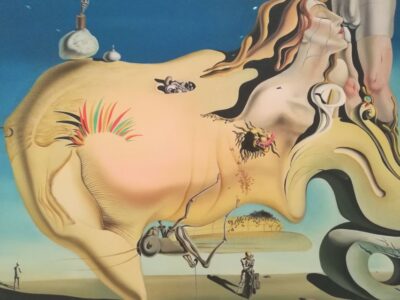
- Salvador Dalí: around 20 canvases, including El gran masturbador
- Joan Miró: bright primary-color energy that shifts the mood fast
- 20th-century Spanish artists: the context helps everything make more sense
Reina Sofía’s real superpower: world-famous art plus a huge modern-art universe
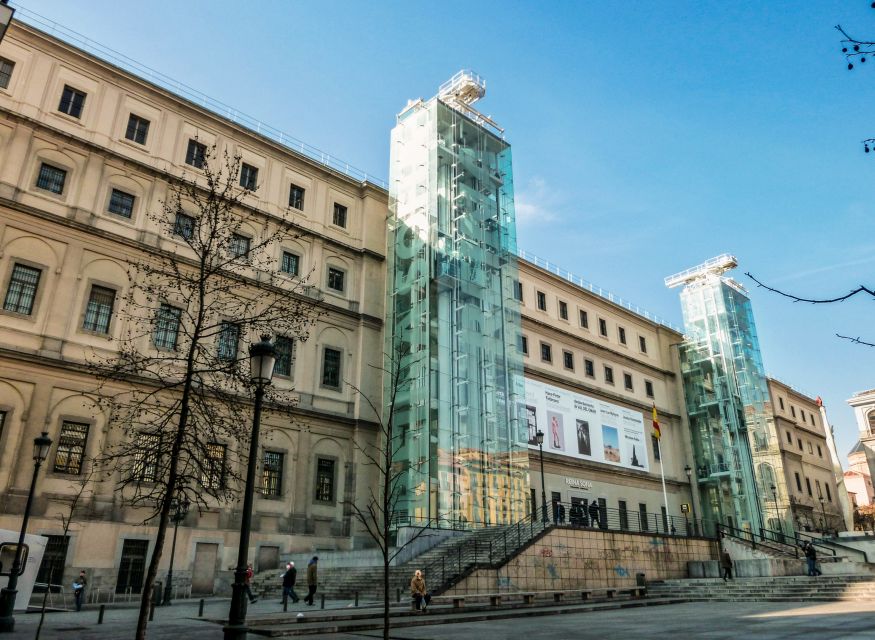
The Centro de Arte Reina Sofía is Madrid’s heavyweight for 20th-century and contemporary art, and it’s not subtle about it. If Guernica is the headline, the rest of the collection is the supporting story—Cubism, Surrealism, Spanish modernism, and the visual language that grew out of it.
What makes this museum work for your visit is that it’s not only about one iconic painting. You’re stepping into a full ecosystem of ideas: artists reacting to history, experimenting with style, and building new ways to show emotion. That means your day can be tightly focused (just do the highlights) or more exploratory (follow themes across rooms).
And because this is a ticketed, timed-entry experience, you can usually spend your energy on art instead of waiting. The museum can draw big lines, especially when foot traffic picks up, so any help skipping the worst of that matters.
A few more Madrid tours and experiences worth a look

Price and ticket value: what your $14 actually buys you
Your price is listed at $14 per person, and that includes:
- Entrance ticket to the Reina Sofía Museum
- Booking and handling fee
What it does not include:
- Audio guide (available in the museum for €4.50)
- A tour guide inside the museum
- Temporary exhibitions that require an hourly schedule
In practical terms, this ticket is good value if you care about two things:
1) Guaranteed entry during your chosen time window
2) Enough flexibility to move through at your own pace
If you were already planning to see Guernica and then add Dalí and Miró, the ticket feels fair. If you only want one painting and you’re the type who would be fine wandering in at the last minute, you might compare options using the museum’s free hours. But for most people, saving time at the entrance is worth it.
Where to go: Nouvel courtyard entry at Ronda de Atocha nº2
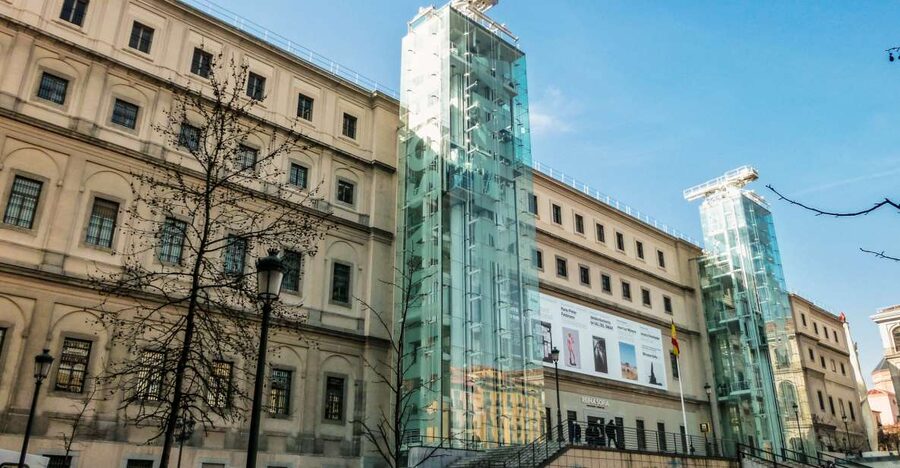
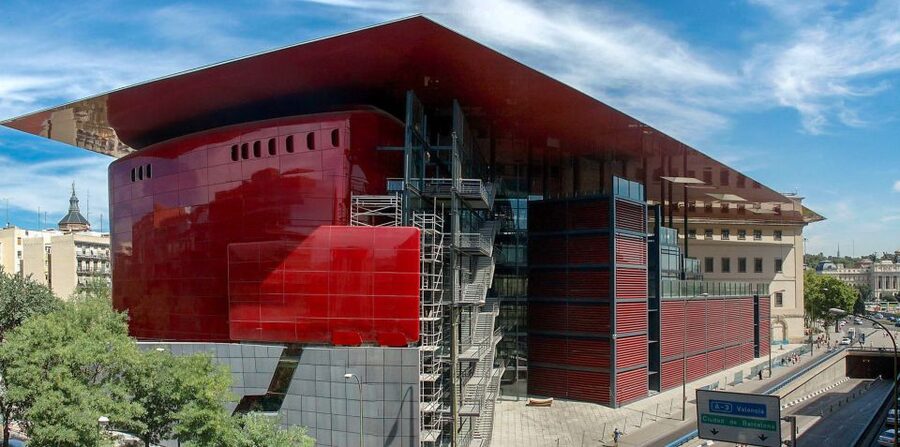
The meeting point is simple: find access through the Nouvel courtyard at Ronda de Atocha nº2. This is useful because the Reina Sofía area can be busy, and you’ll lose less time if you’re confident about the entrance you’re using.
I’d treat this like a museum-meetup. Go in with your start time in mind, then use the first few minutes to get your bearings. Once you’re inside, the museum is large enough that an early “orientation lap” saves you later stress.
The self-guided visit: how to plan your route inside the museum
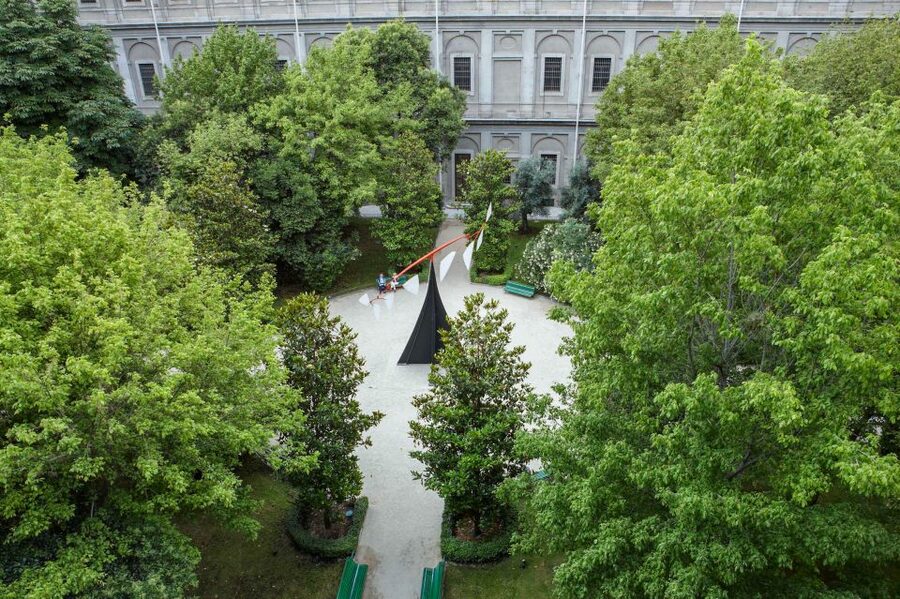
This is not a guided tour with a script. Your best move is to set a loose plan before you enter, then adjust based on what’s open and what grabs you.
Here’s the approach I recommend for a first visit:
Start with the highlights, not the whole building
Even with a full-day ticket, the museum is big. A lot of people try to see everything and end up rushing. Instead:
- Identify your must-sees: Guernica, Dalí pieces, and Miró works
- Then add a second layer based on what you enjoy (Surrealism? Spanish modernism? political art?)
You can also read our reviews of more museum experiences in Madrid



Expect navigation to require patience
Some visitors note the museum can be confusing to navigate. That lines up with the museum’s size and floor plan. When I’m facing a maze-like layout, I do two things:
- Follow the most direct way to the big rooms first
- If signage feels unclear, slow down and re-check rather than forcing a wrong turn
Also note: depending on the day, you might find some floors with limited exhibits. That doesn’t make the visit useless—it just means your best energy goes into the areas with major works and active displays.
Use the audio guide if you want the art to talk back
You can purchase an audio guide in the museum for €4.50. If you’re the kind of person who wants more context—why a work looks the way it does, what historical pressure shaped it—this is a smart add-on.
Even if you don’t listen to every track, the audio guide can help you build connections faster. And because the collection is dense, anything that reduces confusion is time well spent.
Picasso’s Guernica: how to see it in a way that sticks
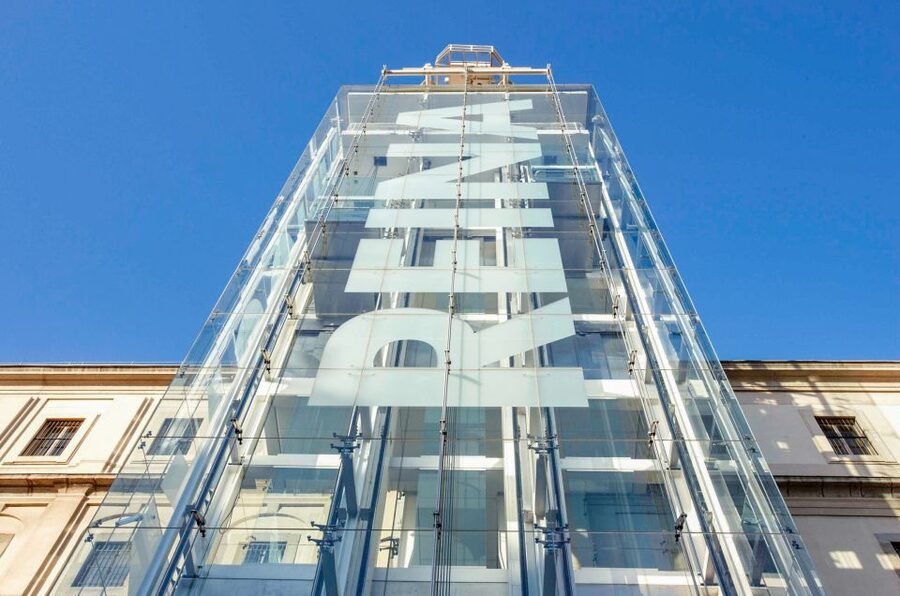
Let’s be honest: most people come for Guernica. And yes, it lives up to the reputation.
In person, Guernica lands with force. It’s not just a famous image—it’s a visual argument. Color, distortion, and composition work together to hit you emotionally before you fully interpret it.
A practical viewing trick: protect your personal space
This painting tends to attract a lot of photo-seeking. If you want to actually see it, not just record it, keep your time there intentional:
- Give yourself a few minutes without rushing
- Step aside briefly if the view becomes blocked
- Then come back for a second look
That second look is where the details start to matter.
Why this matters for your whole day
Seeing Guernica early changes how you experience the rest of the museum. After it, the other modern works don’t feel random. You start recognizing the same themes—reaction to turmoil, the refusal to paint reality the usual way, and the drive to express what words can’t.
Salvador Dalí at the Reina Sofía: surreal canvases that feel like puzzles
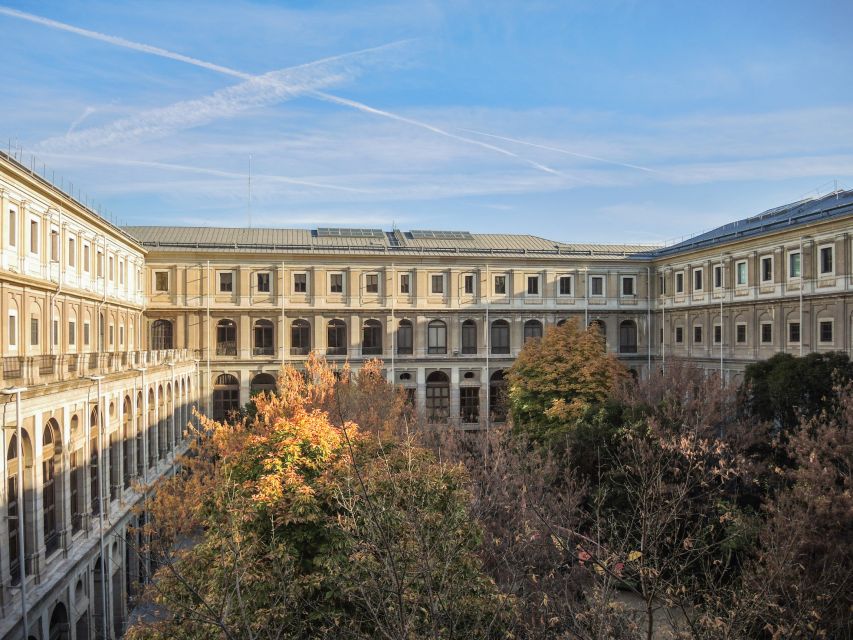
Dalí is a major draw here. The museum has around 20 canvases by Salvador Dalí, including El gran masturbador.
Dalí can be fun in a slightly unnerving way. His work often feels like a dream you can’t fully interpret, but you can feel it making a point. In a museum of many art languages, Dalí stands out because he pushes symbol and strangeness hard.
How to enjoy Dalí without overthinking
You don’t need to decode everything to get value from it. If you feel stuck:
- Look at composition first (how shapes move across the canvas)
- Then notice recurring ideas (symbols, body references, strange juxtapositions)
- Finally, read just enough context to anchor your impressions
If you try to crack every detail instantly, the work becomes frustrating. If you treat it like a slow conversation, it becomes memorable.
Miró’s primary colors: a mood shift you’ll feel right away
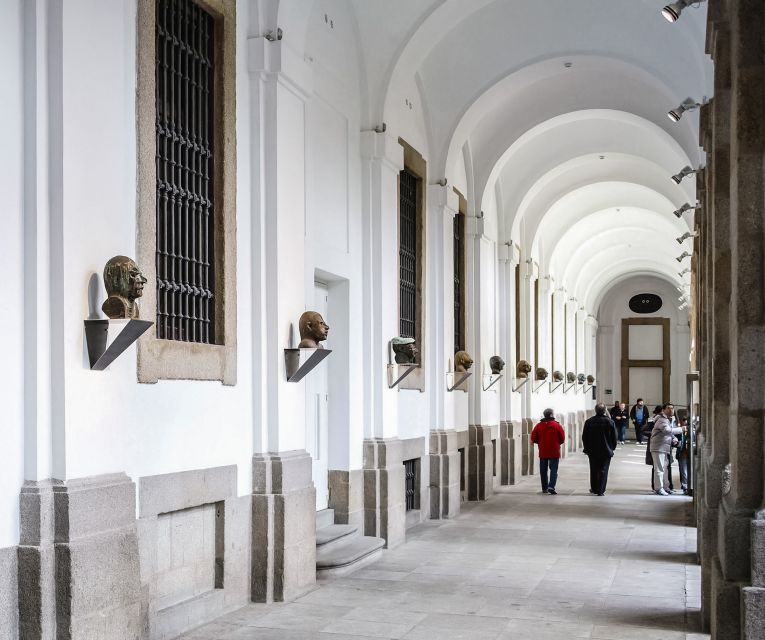
Joan Miró’s works are described as bright and strongly defined by primary colors. Even if you don’t know his biography, his style has a way of resetting the emotional temperature of your visit.
Miró can feel playful, but it’s not random. It has structure—symbols, lines, and forms that create a rhythm. After Guernica and Dalí’s surreal tension, Miró can feel like the museum exhaling.
That’s why I like this trio of highlights: it keeps your day from turning into one long emotional strain. You’re moving across different artistic strategies for making meaning.
Beyond the big names: 20th-century Spanish artists and why the context helps
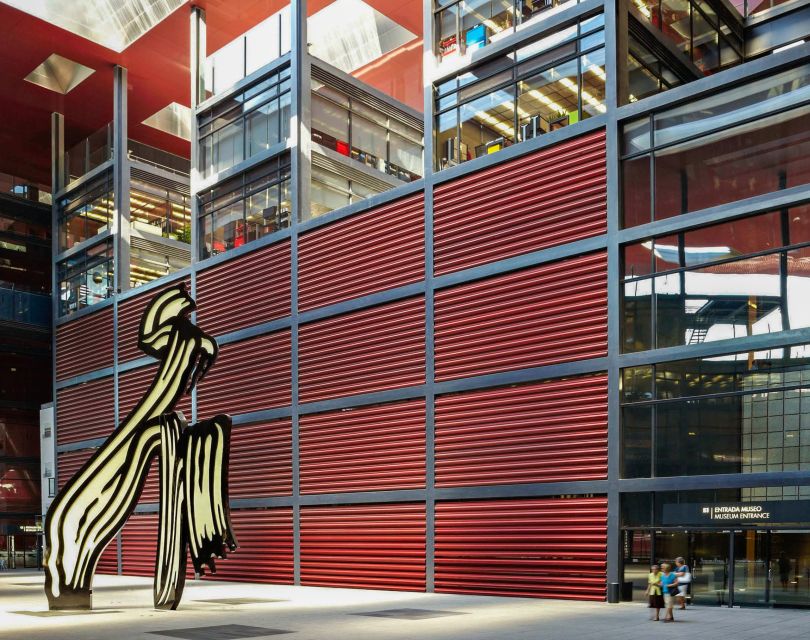
A huge benefit of this museum is what it does around the famous names. There’s coverage of 20th-century Spanish artists, and that context can make the collection feel less like separate masterpieces and more like a single conversation.
Once you’ve seen how different artists respond to similar social and cultural forces, you start spotting connections:
- Political pressure showing up as distorted form
- Surreal thinking turning fear and desire into images
- New ways to show perspective and reality
Even if you only catch parts of the collection, you’ll likely leave with a clearer sense of where Spanish modern art was headed during that century.
Temporary exhibitions: plan around the hourly schedule
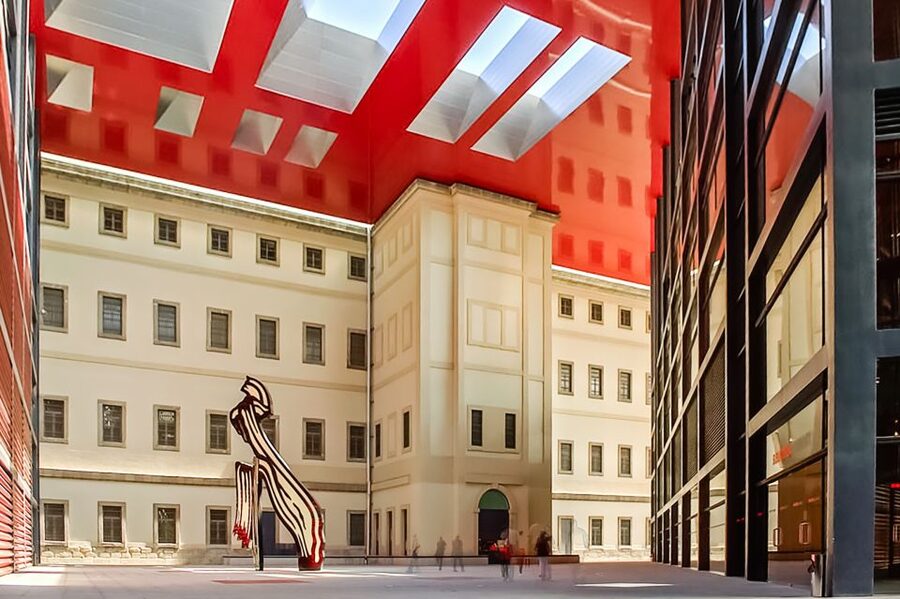
Temporary exhibitions may require an hourly schedule, and they’re not included in the ticket’s basic value the same way the main building is.
So if you want these, build your day around them rather than assuming you can wander into everything. The museum’s own signage and staff instructions matter here, because schedules can be specific.
If you’re short on time, prioritize the main collection first. Temporary exhibits are bonus weight, not your foundation.
Timing your visit: opening hours, free-entry windows, and crowd reality
Your ticket is valid for 1 day, and you’ll be choosing a starting time based on availability.
Here are the key timing notes for planning:
- The museum is closed on 1 and 6 January, 1 and 15 May, 9 November, and 24, 25, and 31 December
- It’s free for all:
- Monday to Saturday: 7 PM–9 PM
- Sundays and public holidays: 12:30 PM–2:30 PM
- Opening times:
- Mondays 10 AM–9 PM
- Wednesdays to Saturdays 10 AM–9 PM
- Sundays 10 AM–2:30 PM
- It’s closed every Tuesday and sometimes closed on Sundays
My crowd advice
Even with tickets, peak visitor flow happens. You’ll generally get the smoothest experience by arriving earlier in the day rather than aiming for the late-morning rush. Once noon hits, the museum can feel louder and slower as groups cluster.
If you’re trying to maximize Guernica and the big artists, aim for earlier entry and keep your plan flexible for breaks.
Museum rules that affect your comfort: bags, food, and what you can bring
This is where small logistics can make or break your experience.
Not allowed:
- Pets
- Food and drinks
- Luggage or large bags
- Sharp objects (knives, scissors, tools, etc.)
Bags:
- Permitted backpacks and bags have recommended dimensions of 40x30x10 cm
Umbrellas:
- Only closed folding umbrellas are allowed
Other:
- Assistance dogs are allowed, including emotional support dogs if properly justified
If you travel with more than a small bag, rethink what you carry. The museum is manageable, but these rules push you toward light packing, which makes moving through crowds easier too.
Accessibility and family-friendly reality
The museum is wheelchair accessible.
For kids, the guidance is clear: children should stay under adult supervision at all times. If you’re visiting with a child, pick a route that doesn’t require constant transitions through dense rooms. Otherwise, the scale can overwhelm.
Who should book this Reina Sofía entrance ticket?
Book this if:
- You want a fast, dependable entry so you can focus on art
- Guernica and the big modern artists—Dalí and Miró—are your priorities
- You like self-guided museums where you control pace and repeat what you love
Skip it (or reconsider) if:
- You only care about one small portion and you’re flexible about timing
- You prefer a fully guided flow with an inside-the-museum guide (this ticket doesn’t include that)
This also fits well as a “serious art day” inside Madrid, especially if you pair it with another neighborhood activity afterward. The museum’s collection is strong enough to be a full destination.
Should you book? My straight answer
Yes—if you want Guernica plus Dalí and Miró, this ticket is a smart use of money because it buys you time and confidence. The museum’s size means wasted waiting hurts your day, and a booked entry helps you start exploring sooner.
I’d book it especially if you’re visiting during higher-demand hours or you’re on a tight schedule. Just go in expecting a large, sometimes confusing building, and plan your route around the works that matter most to you. Add the €4.50 audio guide if you want extra context, and don’t try to force every floor into one visit. You’ll enjoy it more—and you’ll remember more.
FAQ
How long is the Reina Sofía ticket valid?
It’s valid for 1 day. Starting times depend on availability, so check the schedule when you choose your entry.
Does the ticket include an audio guide?
No. The audio guide can be purchased inside the museum for €4.50.
Are temporary exhibitions included in this ticket?
No. Temporary exhibitions may require an hourly schedule, and they are not included like the main collection access.
What are the museum opening and closure days?
The museum is closed on 1 and 6 January, 1 and 15 May, 9 November, and 24, 25, and 31 December, and it is closed every Tuesday. Opening hours listed are Mondays 10 AM–9 PM, Wednesdays to Saturdays 10 AM–9 PM, and Sundays 10 AM–2:30 PM.
Is the museum free at certain times?
Yes. It’s free for all Monday to Saturday: 7 PM–9 PM, and Sundays and public holidays: 12:30 PM–2:30 PM.
Are food, pets, and large bags allowed?
No pets, and no food or drink. Luggage or large bags aren’t allowed; permitted bags have recommended dimensions of 40x30x10 cm. Closed folding umbrellas are allowed.