REVIEW · TEREZIN
Terezin: Guided Tour of the Concentration Camp and Museum
Book on GetYourGuide →Operated by Prague Sightseeing Tours s.r.o. · Bookable on GetYourGuide
This bus trip ends with hard truth. In Terezín, a live guide links the Ghetto Museum and the concentration camp grounds into one guided story you can’t shake off quickly.
I especially liked the way the tour starts with the Ghetto Museum and then moves outward, step by step. I also liked that the experience is led by an English-speaking guide who can answer questions, and I’ve heard guides like Eva do that clearly and professionally.
One thing to consider: the tour can feel rushed if timing slips. I’ve also seen notes about guides being hard to hear without a microphone, which matters when you’re trying to take in details in a moving group.
In This Review
- Key things you’ll remember about this Terezín tour
- Why Terezín feels different from a typical museum day
- Meeting at Náměstí Republiky and the one-hour coach ride
- Terezín Memorial and the Ghetto Museum (1.5 hours): setting the scene
- The concentration camp area tour (1.5 hours): seeing the system, not just the story
- Crematorium and the Jewish cemetery: what to do with silence
- The 30 minutes of free time: small window, big impact
- Price and value: is $57 a fair deal?
- Who this tour suits (and who should rethink it)
- Tips to make the day go smoothly (so you can actually absorb it)
- Should you book the Terezín guided tour?
- FAQ
- Where does the tour start?
- How long is the tour?
- What language is the tour guide?
- What stops are included during the tour?
- What is included in the ticket price?
- How much does it cost?
- Is the tour suitable for wheelchair users?
- Can I get a refund if I cancel?
Key things you’ll remember about this Terezín tour
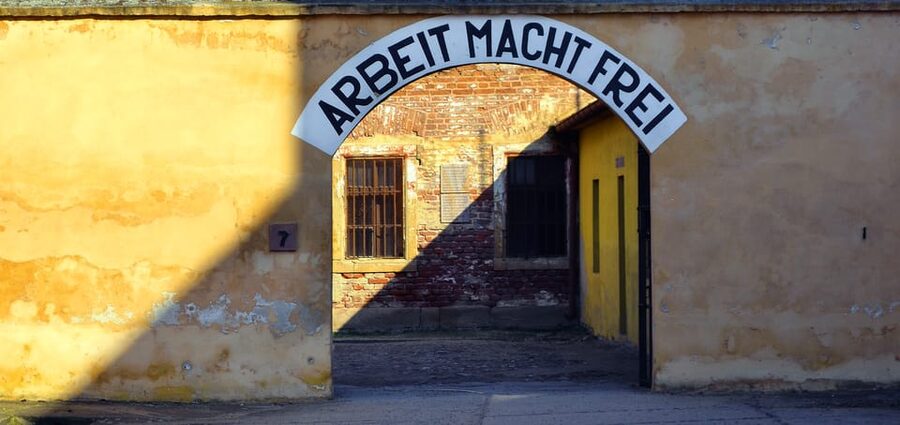
- Guided, English live narration that connects sites into one coherent account
- Ghetto Museum first, so you understand the setting before you enter the camp area
- Crematorium and Jewish cemetery stops that force a slower, more reflective pace
- A set schedule with one main free window, so you should plan your needs around it
- Strong guide moments including Q&A—names like Eva show up for a reason
Why Terezín feels different from a typical museum day
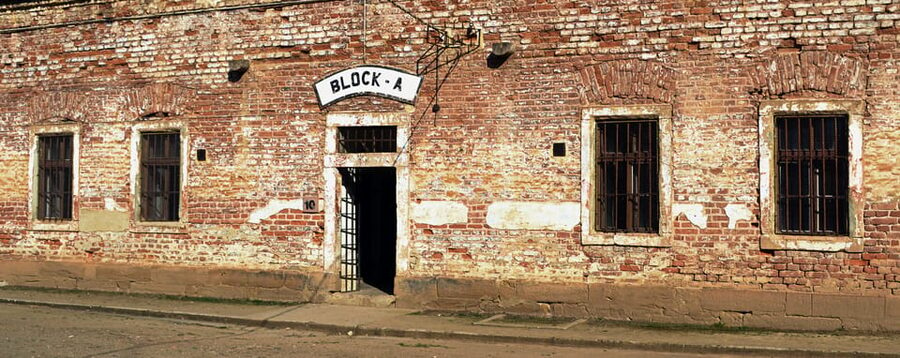
Terezín isn’t a place you treat like sightseeing. Even with a guided format and timed stops, it comes across as a working lesson in how systems of persecution can be built with paperwork, boundaries, and routine. That’s why the structure of this tour matters: it doesn’t just drop you at a few buildings. You’re shown an area of the camp and you hear authentic recollections from inmates, which gives the facts a human shape.
This tour is also long enough to matter. At 6 hours total, you get a guided look at the memorial and camp area, plus a short slice of unstructured time. For a subject this heavy, that balance is useful: you don’t feel like you’re being rushed from one plaque to the next, but you also don’t drag it out until your attention goes numb.
The other reason it stands apart is that it’s not only about the museum galleries. The highlights explicitly include the crematorium and Jewish cemetery, which pull you out of the “display case” mindset and into places where the tragedy was carried out.
Meeting at Náměstí Republiky and the one-hour coach ride
The tour starts at Náměstí Republiky 1037/3, and the meeting point is a yellow kiosk opposite the municipal building. If you show up late, you’ll pay for it—this isn’t the kind of tour where the guide can wait around. So I’d treat the meeting point like a boarding gate: get there early, then settle in.
Then you’re on a coach for about 1 hour each way. That matters more than you might think. A long transit window gives you a mental “cooldown” before you step into a dark site, and it also affects timing. If traffic runs late, the itinerary can compress, and that’s when the tour can feel less spacious than it’s meant to be.
One practical plus: the bus driver being patient can help older travelers. I’ve seen feedback praising a driver named Daniel for staying calm and considerate with less mobile guests. That’s not a small thing when you’re leaving for a serious day and not everyone travels at the same pace.
Terezín Memorial and the Ghetto Museum (1.5 hours): setting the scene
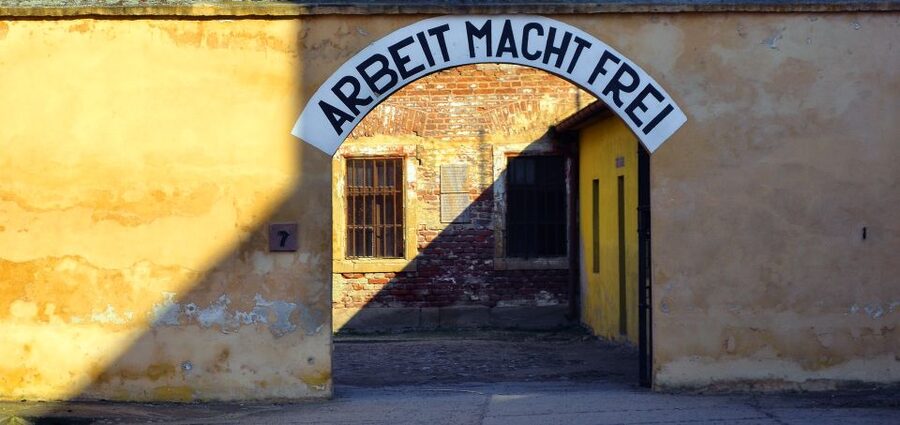
Your first stop is the Terezín Memorial – Ghetto Museum, with a guided tour plus walking time for about 1.5 hours. This is where the day gets its framing. You learn how the ghetto functioned, what life looked like under Nazi control, and how the memory of the place has been organized into a museum setting.
I like this starting point because it gives you context before you go “deeper” into the camp area. When you arrive at the concentration camp grounds without the ghetto background, everything can feel like separate pieces. With the museum first, you get a sequence: confinement and control, then the wider camp reality.
The other value of this stop is that it’s explicitly guided. You’re not left alone to interpret everything. Even if some sections feel dense or emotionally hard, the guide can pace the information and point out what matters most.
The concentration camp area tour (1.5 hours): seeing the system, not just the story
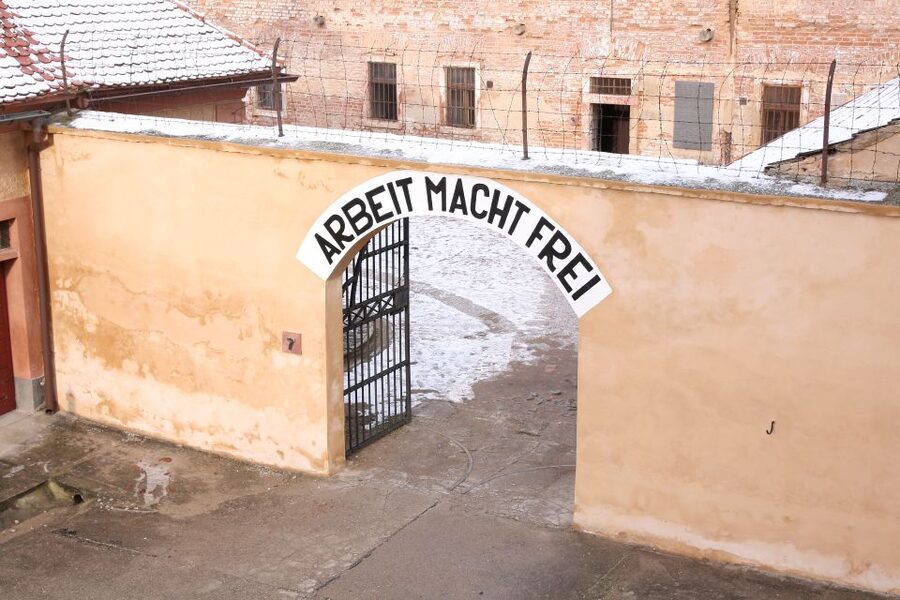
After the museum, you move into Terezín concentration camp grounds for another 1.5 hours of guided viewing. This portion is where the “it happened here” feeling becomes more immediate.
On tours like this, the biggest difference between a forgettable visit and a memorable one comes down to how clearly the guide communicates. Good guidance helps you connect what you’re seeing to what it meant—how the camp space was used, what restrictions meant on the ground, and why certain locations carry such weight in memory work.
I’ve also seen notes that hearing quality can be a problem when there’s no microphone. If your group has trouble catching words, the tour’s emotional and educational value drops quickly. You can still see the places, but the guided interpretation is what makes the experience cohere.
If timing is ideal, the 1.5-hour window gives you enough time to absorb what’s in front of you. If timing slips, this is the part most likely to feel like it’s being pushed.
Crematorium and the Jewish cemetery: what to do with silence
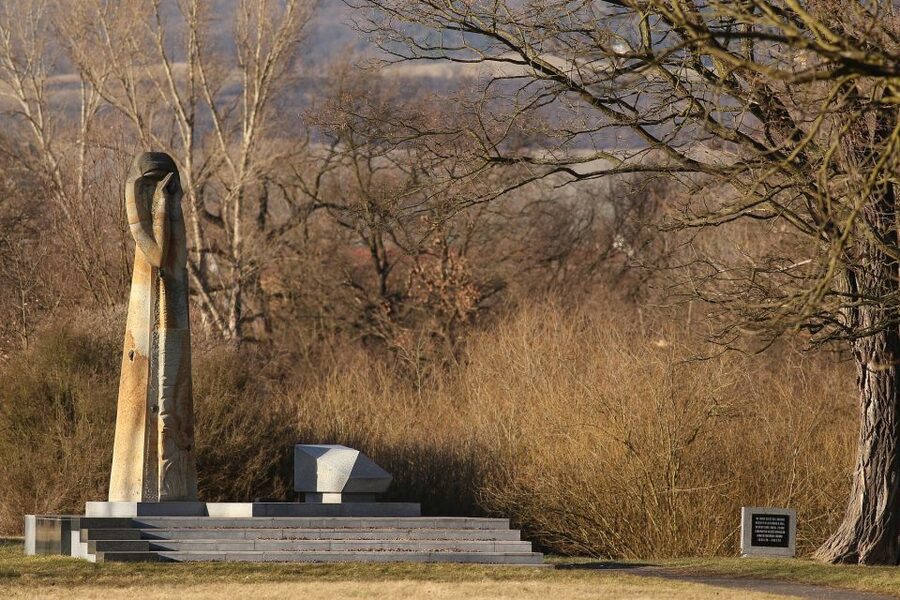
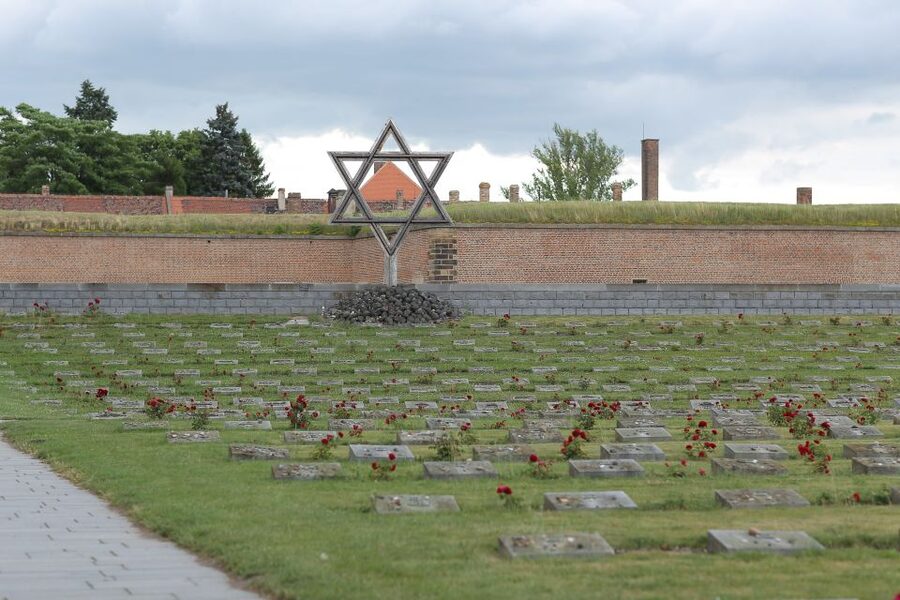
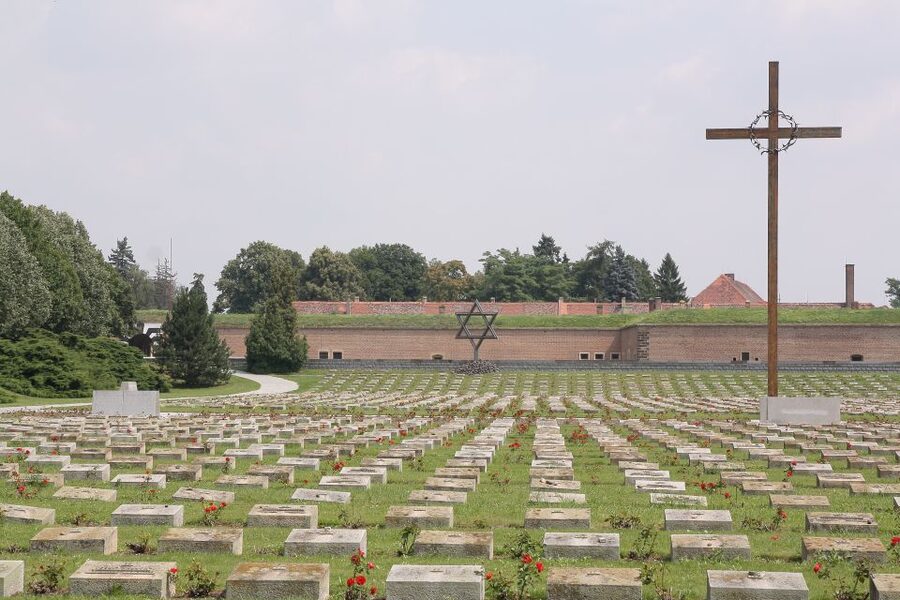
The tour highlights include both the crematorium and the Jewish cemetery, which tells you something about the visit style. You’re not just covering museum objects. You’re taken to places tied to the final stages of Nazi persecution and execution.
This is also where I’d expect your attention to slow down, even if the day has a schedule. These locations tend to work best when you let them land. Don’t treat it like a checklist. If you need to step back for a minute, do it—this day is designed to keep you facing the reality, not sprinting through it.
Even when a guide explains what happened, the physical environment often does the emotional heavy lifting. That’s why the guided format is still useful here: you get factual structure, but the sites still refuse to become “just another stop.”
The 30 minutes of free time: small window, big impact
Between the guided segments and the return bus, you have 30 minutes of free time. That window is your chance to catch your breath, use facilities if needed, and decompress before the coach.
This is also where you’ll want to be realistic. In feedback, I’ve seen comments about the tour feeling tight for things like food, drink, or even restroom breaks. Even though the schedule includes a free-time slot, it’s not a long buffer. So I’d treat that 30 minutes as meaningful, not optional.
If you’re the type who needs time to process, you’ll likely use that half hour well. If you’re relying on the guide to keep everything perfectly synchronized, also watch the time cues carefully—when groups are moving fast, people can get left behind.
Price and value: is $57 a fair deal?
At $57 per person for a 6-hour guided day (including entrances to the Getto and Museum), the price is in the range you’d expect for a serious, scheduled coach trip with an English guide.
Where the value comes from isn’t just the ticket access. It’s the live interpretation. On a topic like this, a guided explanation changes what you get out of the visit. You’re paying for someone to connect sites into a coherent account, not for a self-guided walk through plaques.
Also consider what’s included: you get admissions tied to the ghetto and museum areas, and you have the itinerary built in with guided segments. That lowers the planning burden for you, especially if you’re doing Terezín from a main city meeting point.
And if timing is your worry, there are operational realities. Some experiences can lose quality when delays happen. If traffic or late arrivals cut the buffer, the educational pacing can suffer. That doesn’t make the trip “not worth it,” but it does mean you should plan to be early and present.
Who this tour suits (and who should rethink it)
This tour fits best if you:
- Want an English live guide instead of a self-guided visit
- Prefer a structured day with museum first, then camp grounds
- Are comfortable with a heavy topic and want authentic recollections alongside the site work
It’s less suitable if you:
- Need wheelchair access. This tour is listed as not suitable for wheelchair users.
- Want lots of personal wandering time. The format is guided with one main free-time window.
- Are highly sensitive to audio issues. If you struggle to hear a guide without a microphone, you may feel the gap more strongly—especially if the group has to move quickly.
Tips to make the day go smoothly (so you can actually absorb it)
Here’s what I’d do to get the best version of this tour:
- Arrive at the yellow kiosk meeting point early, even if you think you’ll have time. Late starts can create rushed segments.
- Stay aware during transitions between stops. If the group moves on quickly, you don’t want to be the last person looking around.
- If you know you’ll need the restroom, use your best chance during the 30 minutes of free time rather than assuming there will be extra gaps.
- If you can’t hear the guide clearly, position yourself where you can. In settings like this, intelligibility is everything.
There’s nothing wrong with asking the guide to repeat a key point if you miss it. In tours led by guides like Eva, Q&A and clarification have been a strength, not an afterthought.
Should you book the Terezín guided tour?
If you’re visiting the Czech Republic and you want a serious, site-connected experience with an English-speaking guide, this is a strong booking choice. It hits the core areas you came for—Ghetto Museum, the camp grounds, plus stops that include the crematorium and Jewish cemetery—in a single scheduled 6-hour day.
Book it if you can handle the emotional weight and you appreciate guided context. Skip it or think twice if you rely on wheelchair access, dislike tightly timed tours, or know you may have trouble hearing spoken guidance without audio support.
If you decide to go, go early, stay with the group, and use the short free window wisely. Then let the place do what it does best: make history feel immediate, not distant.
FAQ
Where does the tour start?
The tour starts at Náměstí Republiky 1037/3. The meeting point is a yellow kiosk opposite the municipal building.
How long is the tour?
The tour lasts 6 hours total.
What language is the tour guide?
The live tour guide speaks English.
What stops are included during the tour?
You’ll visit the Terezín Memorial – Ghetto Museum and the Terezín concentration camp area. The experience highlights also include the crematorium and the Jewish cemetery.
What is included in the ticket price?
Entrance to the Getto and Museum areas is included.
How much does it cost?
The price is $57 per person.
Is the tour suitable for wheelchair users?
No. The activity is not suitable for wheelchair users.
Can I get a refund if I cancel?
Yes. You can cancel up to 24 hours in advance for a full refund.