REVIEW · ATHENS
National Archeological Museum Private Tour with Admission
Book on GetYourGuide →Operated by WARMPENGUIN · Bookable on GetYourGuide
The artifacts feel alive with the right guide. On this private, state-accredited tour, you’ll see the Death Mask of Agamemnon and the Antikythera mechanism with context you can actually use. You’re not stuck reading labels in a quiet rush—you get the story, told in a way that sticks.
At $199 per person for 2 hours, the only real drawback is the price. It makes the most sense when you want a focused, guided highlights plan and you value privacy over browsing at your own pace.
In This Review
- Key highlights I’d plan around
- Why this 2-hour private museum tour is built for real attention
- Meeting at the museum entrance (and getting oriented fast)
- The main rooms: how the guide turns famous artifacts into a story
- Agamemnon’s death mask and the power of royal myth
- Mycenaean gold treasures and what they say about status
- The Cup of Nestor and why objects can feel personal
- The Ring of Theseus: myth with a physical handle
- Sculpture you can’t fake: Aphrodite and Poseidon
- Antikythera Mechanism: the room where technology feels ancient
- Hearing the guide clearly: whisper systems and private comfort
- The museum building, inner garden, and the good break factor
- Price and value: is $199 per person fair?
- What you can do with this tour, after you leave
- Who this private tour suits best
- Should you book this private museum tour?
- FAQ
- Where do we meet the guide?
- How long is the tour?
- Is admission included?
- Can I skip the ticket line?
- What languages are available for the live guide?
- Is the tour wheelchair accessible?
- Are pets allowed?
Key highlights I’d plan around

- A state-accredited licensed archaeological expert guides the whole experience
- Skip-the-line entry so you spend time inside, not waiting outside
- Private pacing with narration adjusted to your group’s interests
- Whisper communication system for groups of 6 or more, so you can hear clearly
- World-famous objects in plain language, from myth to hands-on history
Why this 2-hour private museum tour is built for real attention
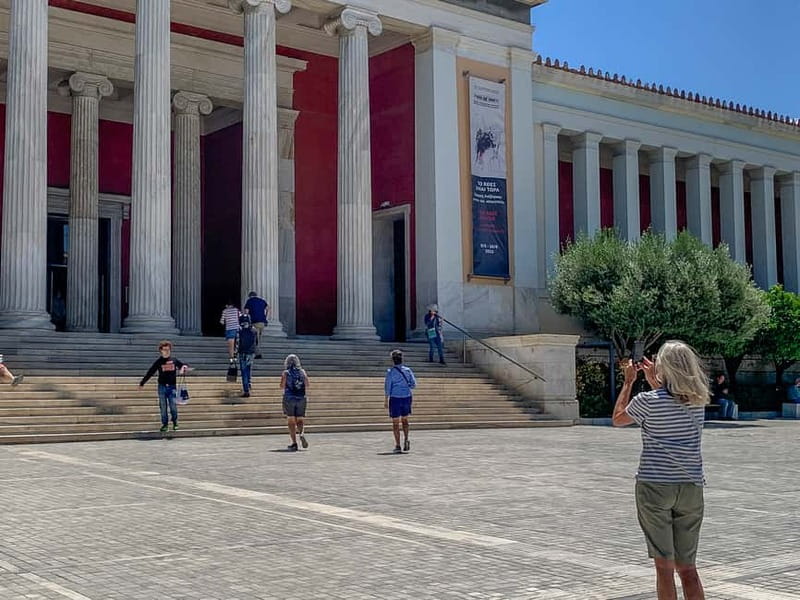
The National Archaeological Museum can swallow a whole day if you let it. This tour is different. It’s designed as a tight, guided highlights route that helps you understand what you’re looking at without turning it into homework.
The big value here is that you’re paying for translation of meaning, not just movement through rooms. You’ll hear how these artifacts connect to Greek myth, daily life, and the way ancient people thought. That’s what changes a museum visit from seeing objects to actually understanding them.
And since it’s private, your guide can steer the commentary. If your group cares more about mythology than dates, or you want sculpture first and tech later, the tour can flex.
You can also read our reviews of more private tours in Athens



Meeting at the museum entrance (and getting oriented fast)

You meet your guide at the main entrance. The guide holds a sign with your name, which is a small thing, but it saves time when you’re in a crowd and trying to find the right person.
Right away, you’re set up to learn. Instead of starting with a wall of labels, you begin with a guided narrative that gives you a framework. That matters because the museum is huge, and the brain needs a map—especially if you’re the type who likes to look, then ask questions.
English, German, or Italian live guiding is available, depending on your booking. This is also a helpful detail if you want the discussion to flow naturally, without you having to work around translations.
The main rooms: how the guide turns famous artifacts into a story
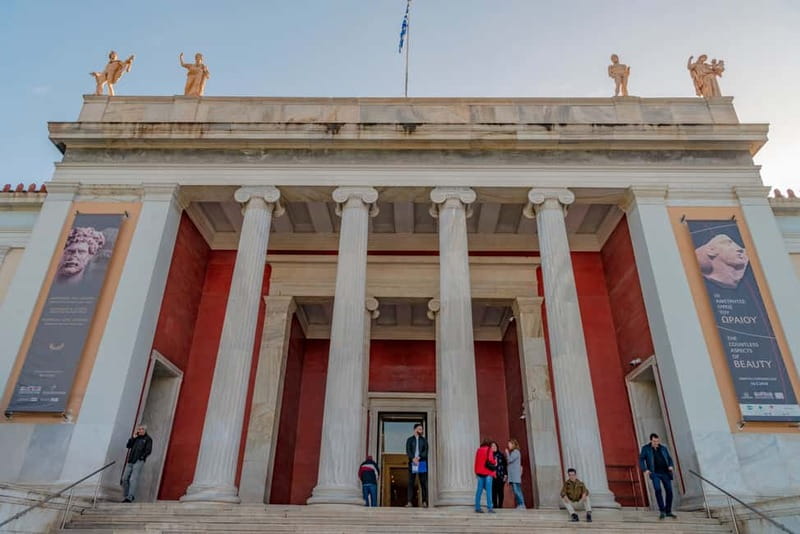
This tour is built around some of the most recognizable pieces in the museum, but what makes it worth the money is the how—how you hear them explained.
You’ll cover both myth and history. You’ll also move through major highlights with commentary for all ages, so families don’t feel like they’re trudging through adult-only lecture mode. The guide keeps the pacing right for the group you bring.
Here’s how the key moments tend to land:
Agamemnon’s death mask and the power of royal myth
One of the most dramatic artifacts you’ll see is the Death Mask of Agamemnon. Even if you’ve only encountered it through art books, you still get a “wait, that’s real?” moment when it’s in front of you.
The guide’s job isn’t just to tell you what it is. It’s to explain why something tied to myth ends up treated like a historical treasure. When you understand that mix—legend shaping identity, objects shaping memory—the artifact becomes more than a spooky face on display.
If you like stories, you’ll probably love this part. If you don’t care about myth, the guide can pivot toward what the artifact represents culturally and why it matters in the museum’s bigger narrative.
Mycenaean gold treasures and what they say about status
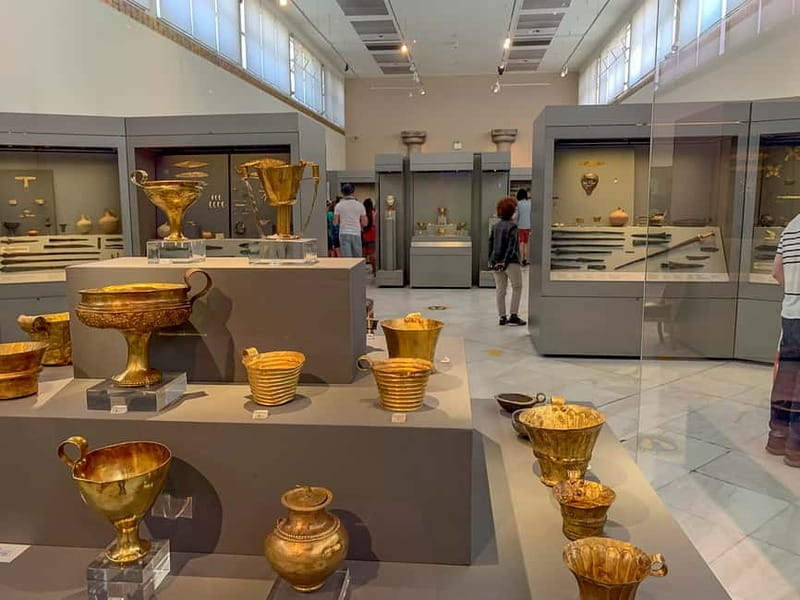
You’ll also be shown the Mycenaean Gold Hord (listed this way in the tour materials), which ties into the museum’s deeper Bronze Age stories. Gold in this context isn’t just pretty metal. It points to power, ritual, and how societies broadcast importance.
This is where a guide is genuinely useful, because it’s easy to look at gold and think, Nice craftsmanship. A good explanation pushes you to ask better questions: Who made it? Who used it? What did it mean to the people who handled objects like these?
That’s also where the tour’s private nature helps. If your group is into the social meaning of artifacts, you can stay on that thread.
You can also read our reviews of more museum experiences in Athens




The Cup of Nestor and why objects can feel personal
The Cup of Nestor is the kind of artifact that sounds almost mythical before you even see it. The guide helps connect why it’s named, what it’s associated with, and why museums care about object-specific links to stories.
This is often a favorite stop for people who want more than “ancient Greece was old.” You start to see how myth can behave like a cultural fingerprint—showing up in names, objects, and the way later generations interpreted the past.
The Ring of Theseus: myth with a physical handle
Another highlight is the Ring of Theseus. Like the Cup, it gives you a way to talk about legend in a concrete, visual way. Instead of treating myth as vague storytelling, you see how it lives on through objects people collected, studied, and displayed.
This is a smart move for first-timers. If you’re new to the museum, the guide uses pieces like this to pull you into the museum’s rhythm: story, object, meaning, then back out to a bigger theme.
Sculpture you can’t fake: Aphrodite and Poseidon
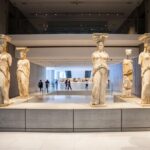
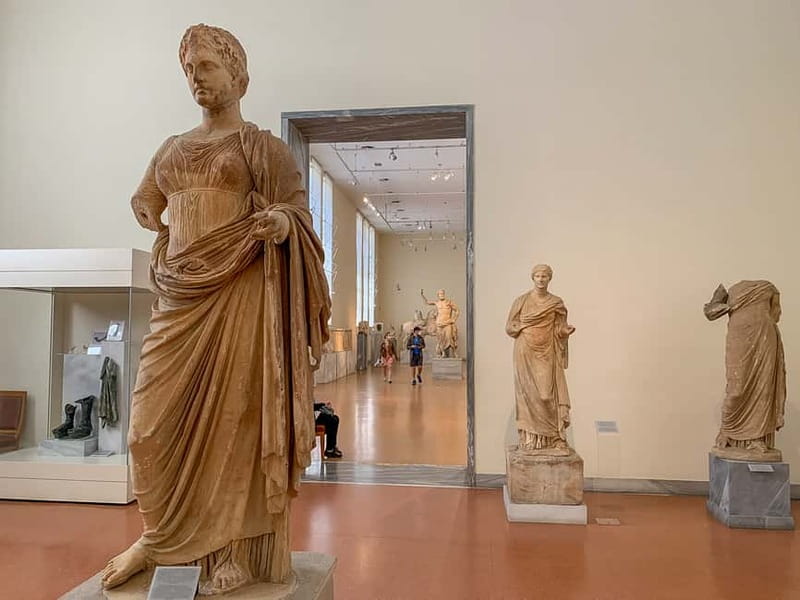
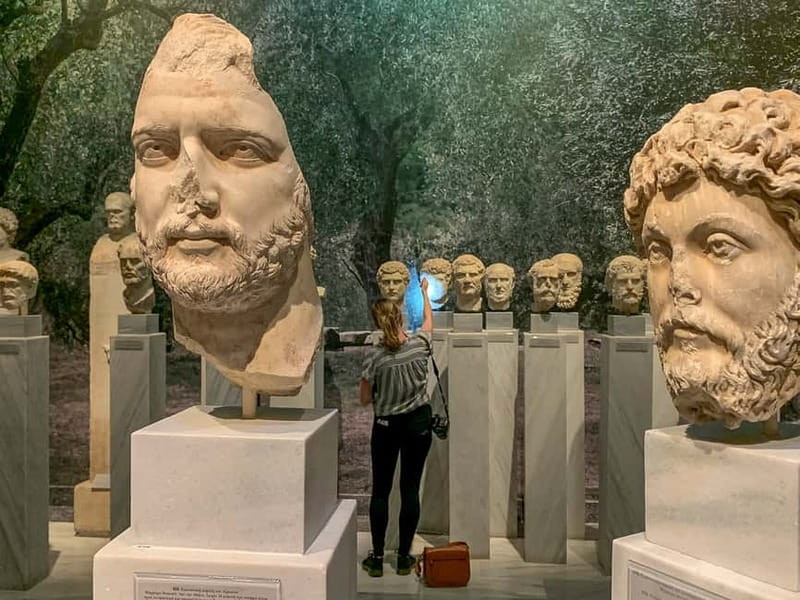
You’ll also see major works of sculpture, including statues of Aphrodite and Poseidon. Sculpture in a museum can be hit-or-miss if you don’t know what to look for. A guide helps you notice the details that make the figures work—pose, style, and how the artwork communicates ideals.
This is also one of the tour’s strongest parts for people who think museums are boring. If you show up expecting dry history, sculpture often changes the tone fast, because it’s direct and visual.
Antikythera Mechanism: the room where technology feels ancient
If you’ve heard of one artifact before booking, it’s often the Antikythera mechanism. This tour emphasizes it as the roughly 2000-year old device, and that’s key. It reminds you that ancient Greece wasn’t only philosophers and marble statues.
The guide’s explanation helps you understand why this object belongs in the same museum conversation as masks, gold, cups, rings, and gods. You get a clearer sense of how science, craftsmanship, and curiosity show up in the archaeological record.
For practical travelers: this is the moment that makes the tour feel worth it even if you’re not a hardcore museum person. You’ll see something that feels like a bridge between eras—then you’ll learn how the museum frames that bridge.
Hearing the guide clearly: whisper systems and private comfort
For groups of 6 or more, the tour includes a whisper communication system. That matters more than you might expect. Museum galleries can be echo-y, and crowds can steal your attention. With the receiver, you can actually follow the explanation without repeatedly hunting for the guide’s voice.
Even on a private group tour, this kind of system improves the experience. It turns your time into listening time, not guess-and-interpret time.
And since the tour is private, the guide can slow down when your group needs it and speed up when you want to move. You’re not trapped with a generic pace.
The museum building, inner garden, and the good break factor

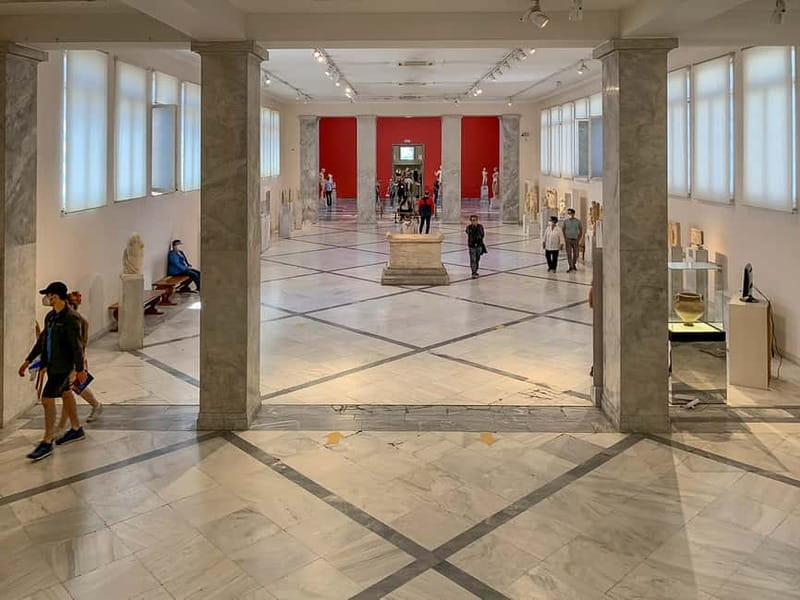
The museum is housed in a neoclassical building that has been recently renovated. That helps the experience feel comfortable and easier to navigate, especially if you’re visiting in warm or busy conditions.
One of the nicest touches is that exhibit chambers open out onto a leafy inner garden. You’ll find mosaics and other artifacts around the garden area, plus a relaxing café nearby. That’s not just for decoration—it gives you a breather so the visit doesn’t feel like nonstop rooms and walls.
If your group includes kids or anyone who gets museum fatigue, this is a real advantage. You can pause, reset, and then go back to the next artifact without losing the thread.
Price and value: is $199 per person fair?
Let’s be honest: $199 per person is not a casual add-on. You’re paying for a licensed, professional archaeological expert guide, admission tickets, and a structured route through major highlights in about 2 hours.
So when does it feel like good value?
- When you want the meaning behind famous artifacts, not just a list of names
- When you’re visiting with family or mixed interests and want the guide to adapt
- When you’d otherwise skip a museum because you don’t know where to start
- When you prefer private pacing instead of joining a large group
What you’re not getting is unlimited time. Two hours is enough for a strong highlights plan, but it won’t replace a slow, full-day self-guided visit. If you’re the type who likes to linger for 15–20 minutes per gallery, you may feel a little “next room already?” as you move.
For most visitors, though, that shorter format is the point. You leave with understanding, not just photos.
What you can do with this tour, after you leave
The best museum tours change how you read the next museum label you see. After a guided highlights session like this, you’re more likely to notice themes—how myth and material culture overlap, how craftsmanship signals power, and how technological objects fit into the broader ancient story.
It also helps with pacing during the rest of your Athens days. Instead of feeling lost in a massive building, you’ll recognize the types of objects you’re seeing—so even casual wandering feels informed.
Who this private tour suits best
This is a great fit if you:
- Want a high-impact museum visit in a short time
- Enjoy myth and history together (not one or the other)
- Prefer hearing stories rather than spending the visit decoding labels
- Want a guide who can adjust commentary to your group’s interests
- Have accessibility needs, since the tour is wheelchair accessible
It may be less ideal if you:
- Want to spend hours at one or two rooms
- Are okay with self-guided browsing only
- Are traveling with pets, since pets are not allowed
Should you book this private museum tour?
I’d book it if your goal is to leave the National Archaeological Museum feeling like you truly understood what you saw—especially if you’re not sure you’ll enjoy museums on your own. The guide-driven explanations around the most famous pieces make the museum make sense fast, and the private format keeps it comfortable.
Skip it (or consider a different approach) if you’re aiming for slow, independent wandering. In that case, you might prefer extra time on your own, so you can stop whenever something catches your eye.
If you want one focused win in Athens, this is a strong choice: famous artifacts, a professional guide, and a route that respects your time.
FAQ
Where do we meet the guide?
You meet your guide at the main entrance of the National Archaeological Museum. The guide has a sign with your name.
How long is the tour?
The tour lasts 2 hours.
Is admission included?
Yes. Admission tickets are included in the tour.
Can I skip the ticket line?
Yes, you skip the ticket line.
What languages are available for the live guide?
The live guide is available in English, German, and Italian.
Is the tour wheelchair accessible?
Yes, the tour is wheelchair accessible.
Are pets allowed?
No, pets are not allowed.