REVIEW · BARCELONA
Barcelona: Picasso Museum Guided Tour
Book on GetYourGuide →Operated by Julia Travel Gray Line Spain · Bookable on GetYourGuide
Art can change when you see it with context. This guided visit to Barcelona’s Picasso Museum goes beyond labels. It also uses skip-the-queue entry, so you spend less time waiting and more time looking.
I really like the setting: the museum grew into a small city of rooms across five palaces, including the old Palau Aguilar. And I love how the guide links Picasso’s life to what you’re seeing, especially across his major periods.
One thing to consider: the tour is short (about 1.5 to 2 hours), so the pace can feel tight. If you’re hoping for long, slow reading of every detail, you’ll want to plan extra time after the guided part.
In This Review
- Key highlights you’ll actually care about
- Picasso Museum Guided Tour: More Than Just a Ticket
- Fossar de les Moreres meeting point and the short walk in
- Inside Palau Aguilar and five palaces built for centuries
- The museum’s real focus: Picasso’s evolution through five periods
- What the guide adds (and why it’s usually the best part)
- Radio system: small tech, big comfort
- Moving at the right speed: what to do during the guided hours
- After the tour ends: stay longer and go your way
- Price and value: is $42 a fair deal?
- Who should book this Picasso Museum tour?
- Quick practical tips to make the most of it
- Should you book it?
- FAQ
- How long is the Picasso Museum guided tour?
- Where do I meet for the tour?
- Is museum admission included in the price?
- Do I get a guide and audio system?
- What language is the tour guide?
- How large is the group?
- Can I stay in the museum after the guided portion?
- Is the tour suitable for young children?
- What should I bring?
Key highlights you’ll actually care about
- Skip-the-queue access gets you into the museum faster so the clock doesn’t eat your art time.
- Five palaces, one visit: you move through spaces originally built in the 13th and 14th centuries.
- Picasso’s full career arc: youth to death, plus his Barcelona years (1895–1904).
- Five core artistic periods explained with clear, human stories behind the shifts.
- Radio system on the tour helps you hear the guide even as you walk and turn corners.
- You can stay after the tour and linger at your own pace when the guided timing ends.
Picasso Museum Guided Tour: More Than Just a Ticket
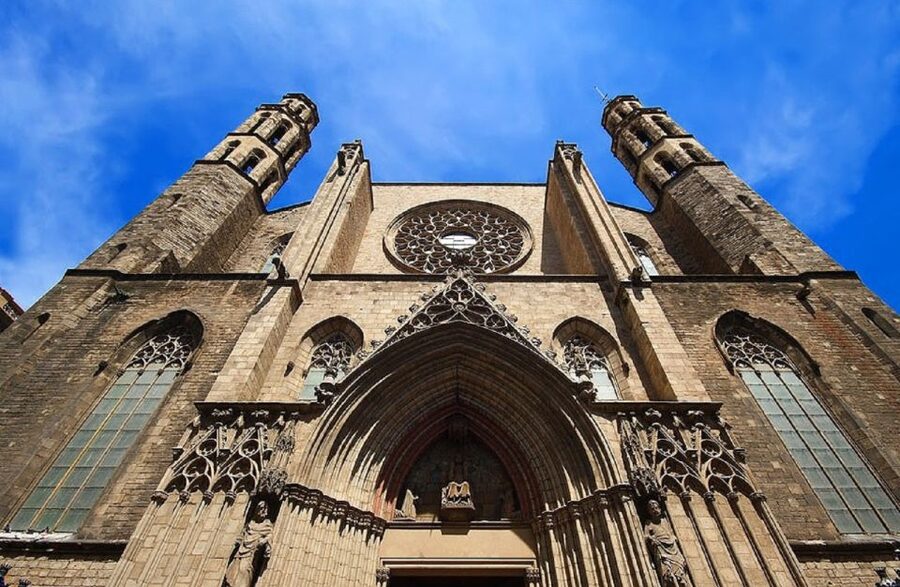
Barcelona has plenty of art stops, but this one has a specific magic: the museum exists because Picasso was alive while it was being made. That alone changes how you look. Instead of a distant posthumous story, you get a sense of a creative life unfolding in real time.
For you, the value is the pairing: guided structure + time to self-explore. The guide helps you make sense of the big jumps in style, while the museum lets you follow your own interests once you’re oriented.
The tour runs about 1.5 to 2 hours. That’s short enough to fit into a busy day, but long enough to cover the key ideas behind Picasso’s evolution.
You can also read our reviews of more guided tours in Barcelona

Fossar de les Moreres meeting point and the short walk in
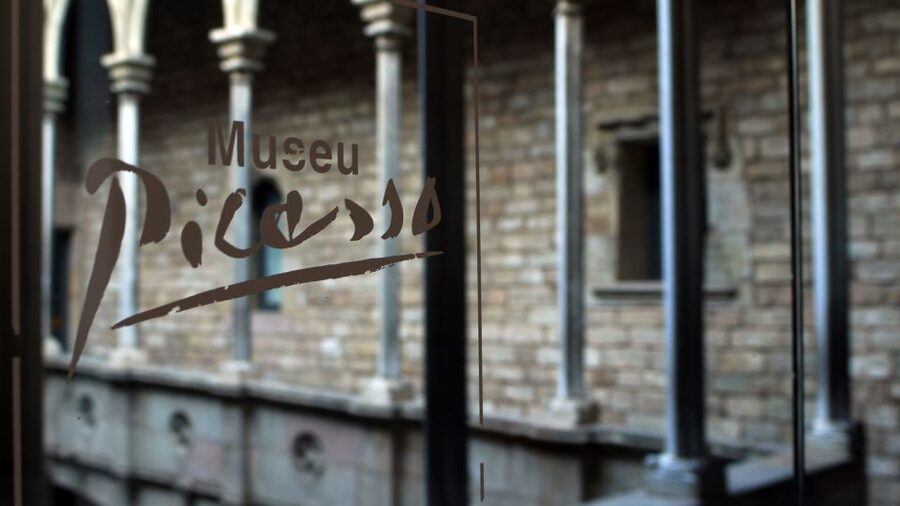
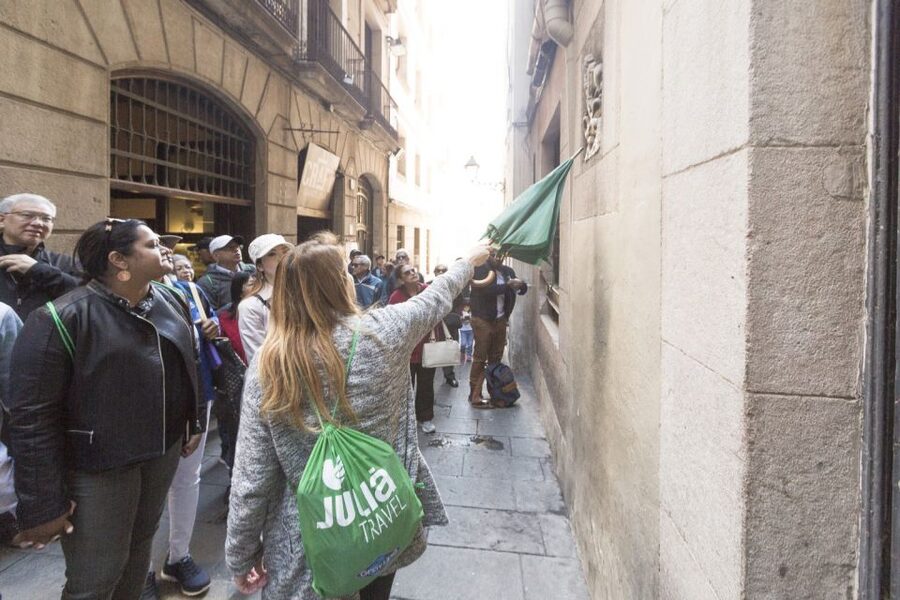
You meet at Fossar de les Moreres, then head to the museum on foot. This matters more than it sounds. That walk helps you get oriented in the Gothic Quarter area before you step into a building that feels like a time capsule.
One practical note: the meeting point can vary depending on the option booked. So I’d treat the confirmation details as the source of truth and arrive a few minutes early. If you’re even slightly late, you can miss the group’s start and radio briefing.
Comfortable shoes help. You’ll be moving through the museum’s palace-style layout, and you’ll want your feet to be on your side.
Inside Palau Aguilar and five palaces built for centuries
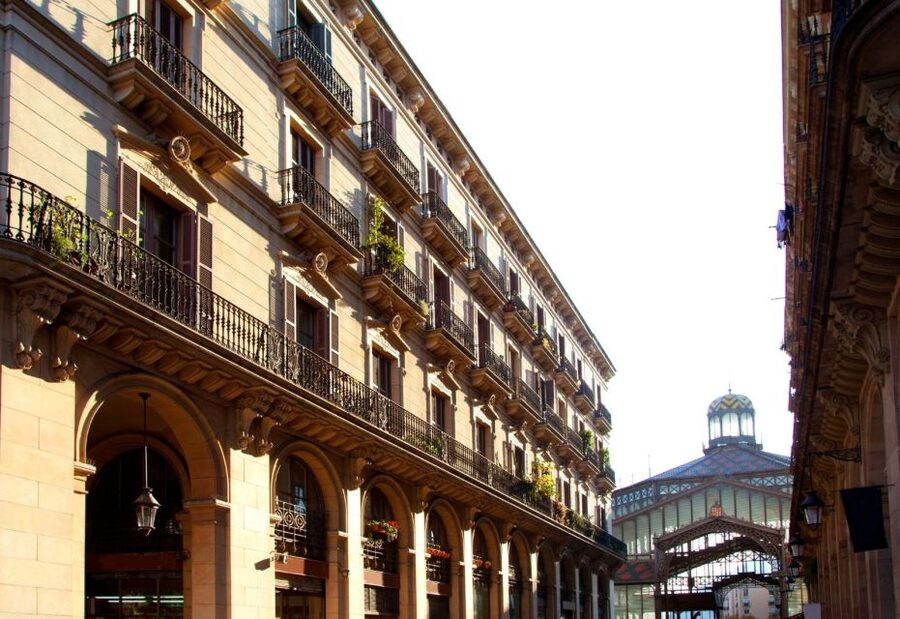
The Picasso Museum didn’t start as a single modern gallery box. It began in the Palau Aguilar, then expanded over time. Today, it’s spread across five palaces built between the 13th and 14th centuries.
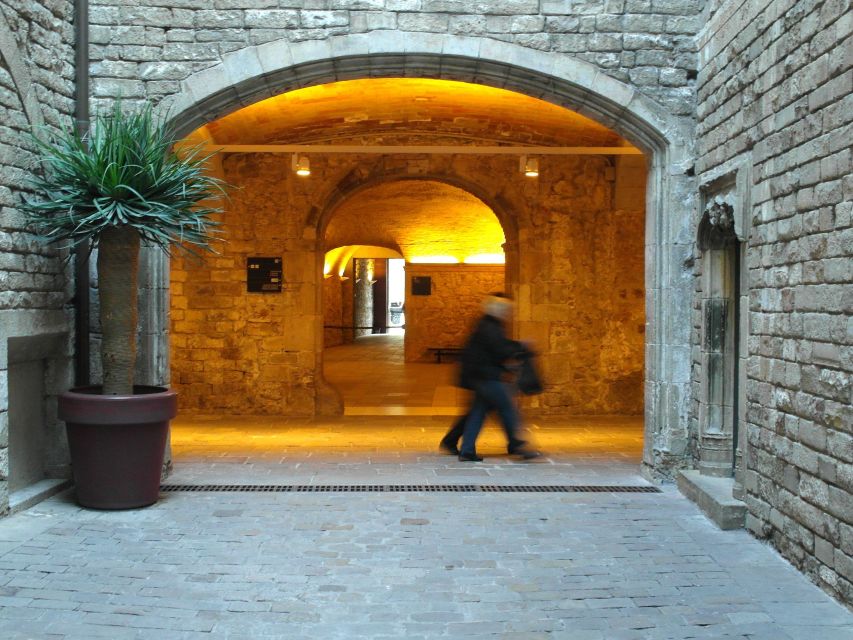
That setup affects how the art feels. You’re not just walking past paintings; you’re walking through old rooms with their own rhythms—turns, levels, and shifts in light. Picasso’s work often plays with tension and change, and the building quietly matches that theme.
As you move between spaces, your guide typically keeps the narrative flowing: early life, then the Barcelona years, then the broad stylistic changes that took him across Europe and into the 20th century’s art conversations.
The museum’s real focus: Picasso’s evolution through five periods
Here’s what the guide work is designed to do: explain the why behind the what. Picasso famously changed styles, and if you only look at individual works, it can feel confusing. With the tour framing, the style shifts start to read like chapters.
The tour covers five major periods that map across his lifetime:
- Blue period
- Pink period
- Cubist period
- Neoclassical period
- Surrealist period
You’ll also get a clear sense of his timeline, from youth through his death. The Barcelona slice is especially important: Picasso’s time in the city between 1895 and 1904 is part of the story, not just a footnote.
I like that the guide doesn’t treat Picasso as one fixed icon. You get the sense of a working artist responding to ideas, people, and creative challenges—then pushing those reactions into new visual language.
What the guide adds (and why it’s usually the best part)
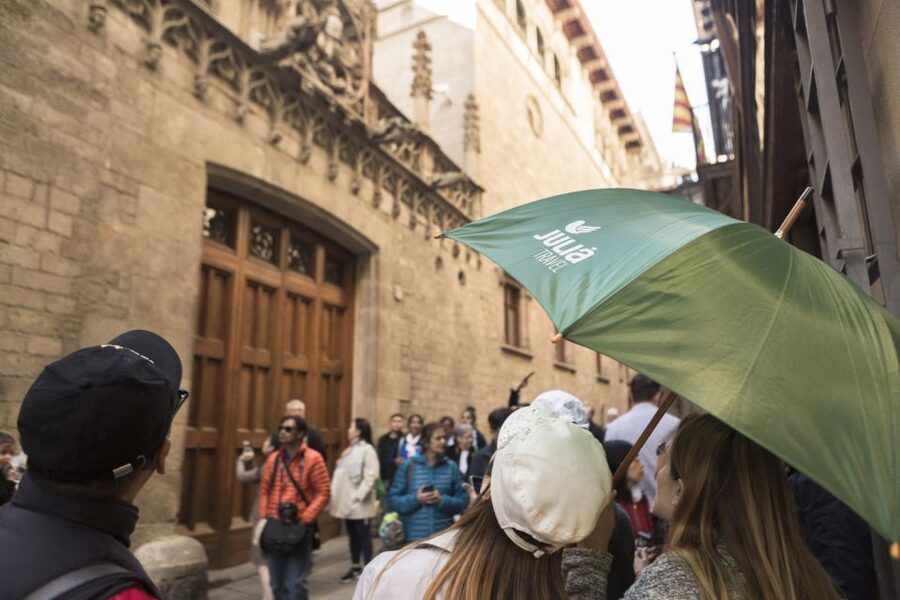
This is where many people end up feeling the tour was worth it. The guide’s job isn’t just to point at famous paintings. It’s to connect the pieces so Picasso feels like a person with decisions, not a museum poster.
From past experiences with this style of tour, English guides can bring extra life through stories and side details. Names you might see include Oliver Vilar Roça, Marta, Marina, Raul, Rod, and Isabelle. Different guides, different voices, same goal: help you understand Picasso’s evolution without getting lost in art-school terms.
A big plus is pacing. When the guide moves at a comfortable speed, you see more than the must-see works—you catch the logic connecting them. A short pace can be a double-edged sword though; one downside that can pop up is a guide who has to switch to another schedule, which may make the museum feel a bit rushed.
You can also read our reviews of more museum experiences in Barcelona



Radio system: small tech, big comfort
You get a radio system included. That’s not flashy, but it helps. In a museum with moving groups and echoes off stone walls, hearing the guide clearly keeps you focused on the art.
It also lets you ask questions without yelling. Even if you’re not the type to speak up, good audio means you can follow the thread while you glance between rooms.
If you’ve ever struggled with hearing guides in busy rooms, this inclusion is one of those quiet quality signals.
Moving at the right speed: what to do during the guided hours
The tour is built for coverage and clarity, not museum solitude. So during the 1.5 to 2 hours, treat it like a guided map.
Here’s a useful way to play it:
- Watch for the guide’s explanation of the period shift.
- Take in the overall feeling of the room, not only the centerpieces.
- Snap a few notes in your phone if something clicks, so you can find it again later.
You’re likely to see a lot, and that can tempt you to rush your own looking. Instead, try to slow down for the works that the guide highlights as turning points. Those are the pieces that make later works easier to interpret.
After the tour ends: stay longer and go your way
One smart option built into the experience: after the guided portion, you can stay inside as long as you like. That’s a big deal in an art museum.
Use that time for your preferred pace:
- If you like Picasso’s experimentation, revisit the rooms tied to the periods that grabbed you.
- If you want to see more than the guide covered, wander and compare the same theme across different years.
- If you’re more into the story of Barcelona, spend extra time around the years tied to his life in the city.
The guided tour gives you the map. The extra time lets you choose the route.
Price and value: is $42 a fair deal?
At $42 per person for a 1.5 to 2 hour guided visit, this isn’t a bargain ticket. But it also isn’t just museum entry. You’re paying for:
- Skip-the-queue access
- A live English guide
- Museum admission
- A radio system
For value, think about your time and your learning style. If you’d otherwise enter with no plan and struggle to connect Picasso’s changes, the guide time can pay for itself fast. You spend the money, then you save effort later trying to piece together the story.
If you’re the type who loves reading wall texts alone and you already know Picasso’s periods cold, you might feel the guided part is less essential. In that case, you could consider whether a self-guided visit would match your style better.
But for most people, especially first-timers to Barcelona, the structure is what makes the price feel reasonable.
Who should book this Picasso Museum tour?
This tour fits best if you:
- Want a clear explanation of Picasso’s blue, pink, cubist, neoclassical, and surrealist phases.
- Appreciate walking into a historic space and learning what you’re seeing.
- Like guided context, then independent time after.
It may not be ideal if you:
- Need a super-slow pace to read every detail.
- Travel with children under 3, since it’s not recommended for kids under that age.
- Have trouble with finding meeting points; arriving early helps.
If you’re visiting Barcelona for a short stay, the time window (about 2 hours) is a practical match.
Quick practical tips to make the most of it
Bring passport or ID card and comfortable shoes. The tour involves walking and museum movement through palaces that weren’t designed like modern flat corridors.
Also, plan your day so you’re not forced to sprint afterward. If you schedule your next stop immediately after the tour, you’ll likely feel rushed, and you’ll miss the benefit of staying longer when you click with a particular room or period.
Finally, consider what you want from Picasso before you arrive. Do you want the story of the man? The timeline of styles? Or the feeling of seeing a big body of work in one concentrated place? The guide can lean toward what you’re paying attention to.
Should you book it?
If your goal is to understand Picasso with less guesswork, I think this is a good booking. You’re getting skip-the-line entry, a guided explanation of major periods, and the chance to stay longer on your own once you’ve built a mental map.
I’d especially recommend it if you’re curious about Picasso’s Barcelona years and you want the museum to feel like a coherent story instead of disconnected rooms of masterpieces.
If you dislike guided pacing or you’re traveling at a pace where finding the meeting point and starting on time will be stressful, you might be happier with a self-guided visit. But for most art-minded visitors, this guided format is a strong way to get more meaning from the hours you spend inside.
FAQ
How long is the Picasso Museum guided tour?
The duration is typically 1.5 to 2 hours. Exact starting times depend on availability.
Where do I meet for the tour?
The meeting point is Fossar de les Moreres. The meeting point may vary depending on the option booked.
Is museum admission included in the price?
Yes. Admission to the Picasso Museum is included.
Do I get a guide and audio system?
Yes. The tour includes a live guide and a radio system.
What language is the tour guide?
The tour is offered in English.
How large is the group?
There is a maximum of 20 travelers per guide.
Can I stay in the museum after the guided portion?
Yes. After the tour, you can stay inside the museum for as long as you like.
Is the tour suitable for young children?
It’s not recommended for children under 3 years old.
What should I bring?
Bring your passport or ID card and wear comfortable shoes.