REVIEW · BARCELONA
Barcelona Card: 25+ Museums and Free Public Transportation
Book on GetYourGuide →Operated by Turisme de Barcelona · Bookable on GetYourGuide
Barcelona rewards the plan you can move with. This card turns your days into a pick-and-choose museum crawl, backed by unlimited public transit. I love that you get free entry to major art and culture hits like Picasso and MOCO, plus multiple skip-the-line museums that help you keep momentum.
The big catch is simple: you need to use the card for it to pay off, because the pass only starts when you first use it and the included museum list is specific (not every famous Gaudí stop is listed among the free entries here).
In This Review
- Key points to know before you go
- Why the Barcelona Card feels like a smart shortcut
- Price and value: when this card truly pays for itself
- 72, 96, or 120 hours: how the timing really works
- Getting around fast: metro, tram, buses, FGC, and Renfe zone 1
- Museum strategy: pick themes so the free entries feel intentional
- Picasso, Miró, MOCO, MACBA, and the contemporary hits
- Old Barcelona in layers: MNAC, Tàpies, El Born, and MUHBA sites
- Science and nature days: CosmoCaixa and Museu Blau
- Montjuïc and views: castle, botanical garden, and ethnology stops
- Night-and-day planning: a realistic 3-4 day self-guided itinerary
- Day 1: Eixample and contemporary warm-up
- Day 2: Gothic-style history and MUHBA stops
- Day 3: Big museum day, with skip-the-line saved for the busiest hour
- Day 4 (optional): science or Montjuïc, depending on your mood
- Discounts that matter: Casa Milà, Casa Batlló, and flamenco planning
- Skip-the-line benefits: how to use them without wasting time
- The small details that can trip you up
- Who this card fits best
- Should you book the Barcelona Card?
- FAQ
- How much does the Barcelona Card cost?
- What duration options are available?
- When does the card become valid?
- What public transportation can I use with the card?
- Is the Aerobus shuttle included?
- Which museums and attractions are included for free?
- Are there discounts for additional attractions?
- Where do I exchange my voucher for the card?
- Is the card wheelchair accessible, and are there child rules?
Key points to know before you go
- Break-even usually happens quickly if you plan 4+ museums and ride the metro most days
- Unlimited metro, tram, and day bus coverage keeps you from thinking about tickets all day
- Skip-the-line entries at several top museums save real time
- You get a map and a multi-language guidebook to make self-guided planning easier
- Aerobus and night buses are not included, so you’ll still make a small payment sometimes
- The card runs by hours from first use, which affects how you schedule your last day
Why the Barcelona Card feels like a smart shortcut
Barcelona can eat time. The city packs in art, history, and neighborhoods so fast that paying for separate tickets starts to feel like a tax on your curiosity. The Barcelona Card is built to remove that friction: you pay once, then you can keep saying yes to museums and transit without rethinking the budget every morning.
At $69 per person for a 3–4 day option, the math is less about perfection and more about consistency. If you’re the type to hop between areas instead of staying in one neighborhood all day, the unlimited transport helps you move efficiently. Add in free entry to a long list of museums—28 are named among the most emblematic—and the value tends to show up earlier than you expect.
You can also read our reviews of more museum experiences in Barcelona


Price and value: when this card truly pays for itself
This card advertises savings up to 77% compared to regular admission prices. You don’t need to hit every free site to make that believable. In practice, the value story is usually strongest for people doing two things at once: riding transit daily and visiting a handful of major museums.
One thing I like is the mix. You get art giants and contemporary favorites (Picasso, Miró, Banksy, MOCO, MACBA), plus science and nature (CosmoCaixa, Museu Blau). If your trip changes midstream—because you find a better café, or the light at Montjuïc is perfect—you’re not locked into one paid ticket schedule.
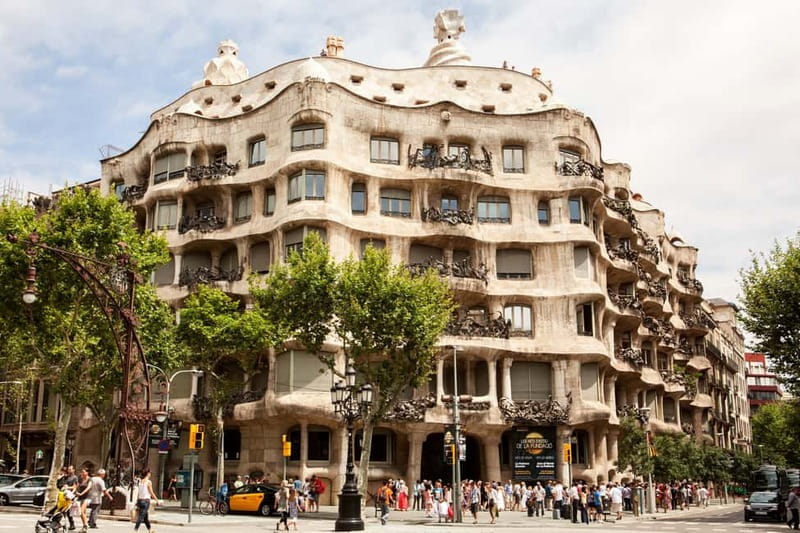
Also, it’s not only free entries. The card includes up to 50% off admission to additional attractions and activities, including Gaudí’s Casa Milà and Casa Batlló, plus flamenco shows, excursions, and tours.
72, 96, or 120 hours: how the timing really works
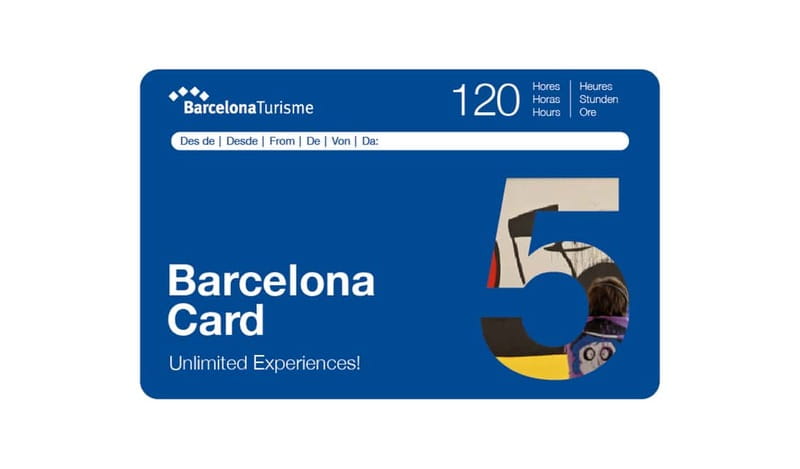
This card is valid for set time blocks—72 hours, 96 hours, or 120 hours—depending on whether you choose 3, 4, or 5 days. The clock starts from the hour you use the card for the first time, not the day you buy it. That detail matters if you arrive late and redeem the voucher late, or if your first ride happens the next day.
Here’s how I’d plan it:
- If you can, redeem and use it soon after arrival so you don’t lose hours.
- Treat the last day as real time, not a leftover. Museums still close, and transit still runs on schedules.
Getting around fast: metro, tram, buses, FGC, and Renfe zone 1
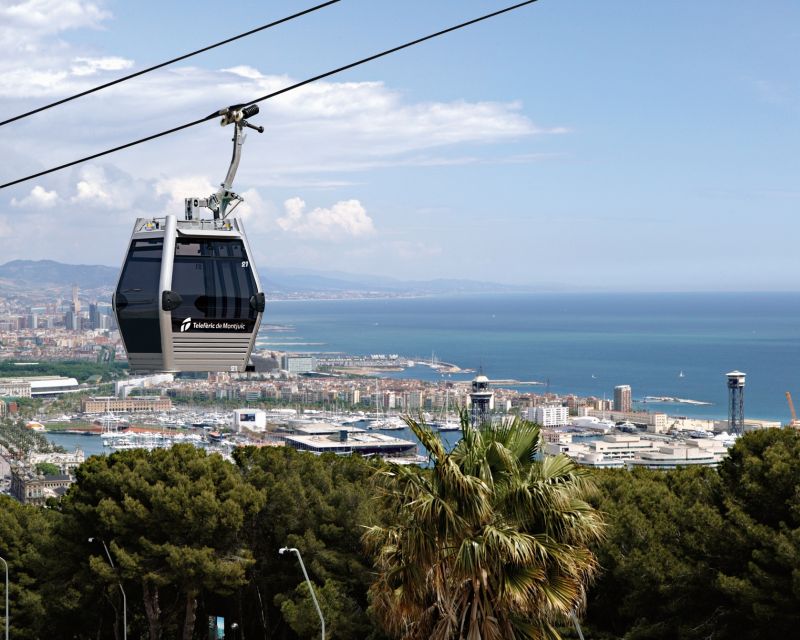
The main reason people rave about this card is transportation. You can use it on the metro, tramway TMB day buses, FGC railway urban lines, and Renfe Rodalies train zone 1. That’s a big coverage area for a city where neighborhoods feel connected by light-rail and frequent metro lines.
A practical tip: don’t assume you can only use one mode. Barcelona works best when you combine metro for speed and buses/trams for the scenic hops. One review noted that the system can provide live updates when you use Google Maps for directions, which is handy when you’re trying to catch the next tram without standing around guessing.
Two items to watch:
- The Aerobus shuttle service is not included.
- Night buses are not included.
So yes, you can move around all day, but you may still need a paid option for specific airport shuttles or late-night routes.
Museum strategy: pick themes so the free entries feel intentional
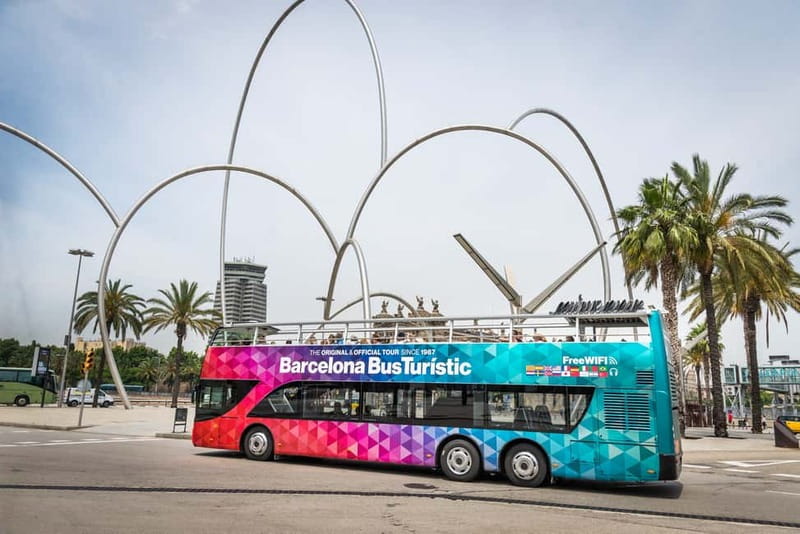
The card gives you a list, but your job is to turn that list into a route. I suggest you choose a theme per day so the museums don’t feel scattered.
A good approach:
- One day for classic art and iconic museums
- One day for contemporary art and street-level culture
- One day for history, archaeology, and neighborhoods
- Add a science or Montjuïc day if you want a slower pace
And because several entries are marked as skip-the-ticket-line, you should place those on your busiest days. It keeps your plan from collapsing if you hit a long queue at one place.




Picasso, Miró, MOCO, MACBA, and the contemporary hits
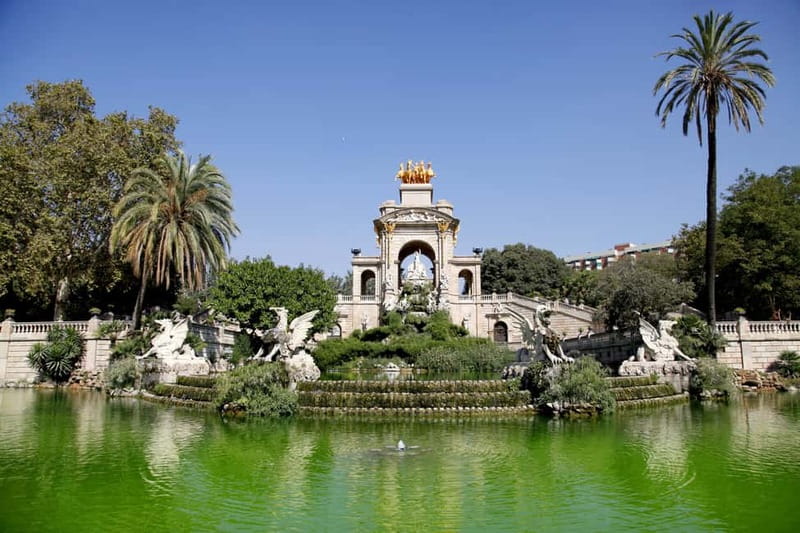
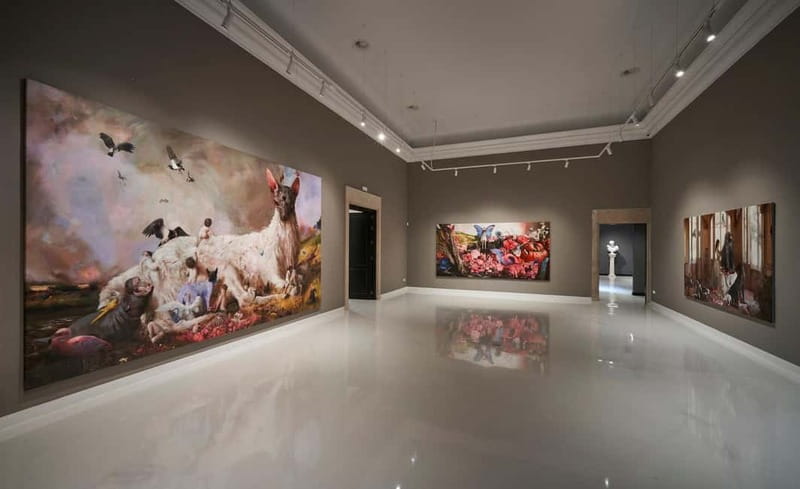
If your Barcelona memory will be art-forward, this is a strong cluster. The card includes:
- Picasso Museum
- MOCO Museum
- Barcelona Museum of Contemporary Art (MACBA) with skip the ticket line
- Design Museum of Barcelona
- Banksy Museum
- Joan Miró Foundation
What makes this mix work is variety. Picasso and Miró anchor the conversation in major Catalan and Spanish art lines, while MOCO, MACBA, and Banksy lean into the modern street-meets-gallery energy. Design also gives you a break from pure painting, which is helpful when you want the museum day to feel lighter.
A simple timing plan:
- Start earlier for the big-name museums.
- Slot MOCO or Banksy after lunch when you want something more playful.
- Use MACBA’s skip-the-line benefit on a day you suspect you’ll hit crowds.
Old Barcelona in layers: MNAC, Tàpies, El Born, and MUHBA sites
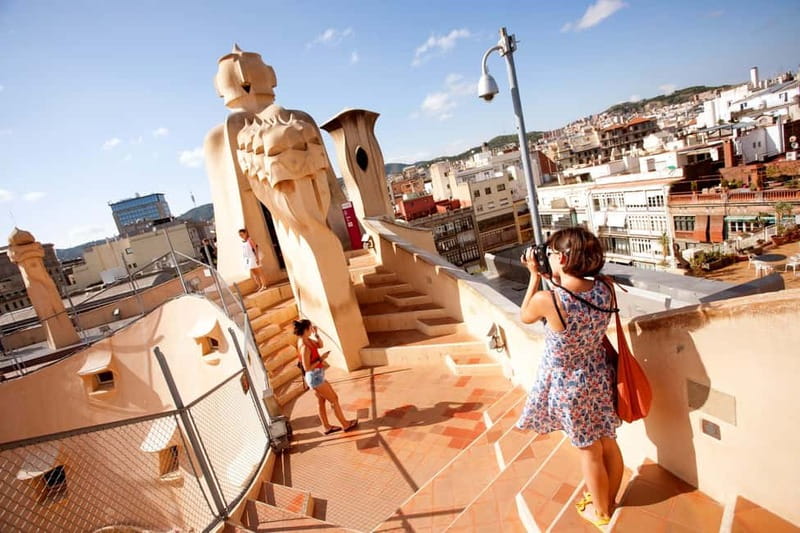
Barcelona doesn’t just show art. It shows how people lived. This is where the museum list turns into a history walk.
Your card includes:
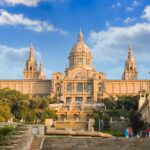
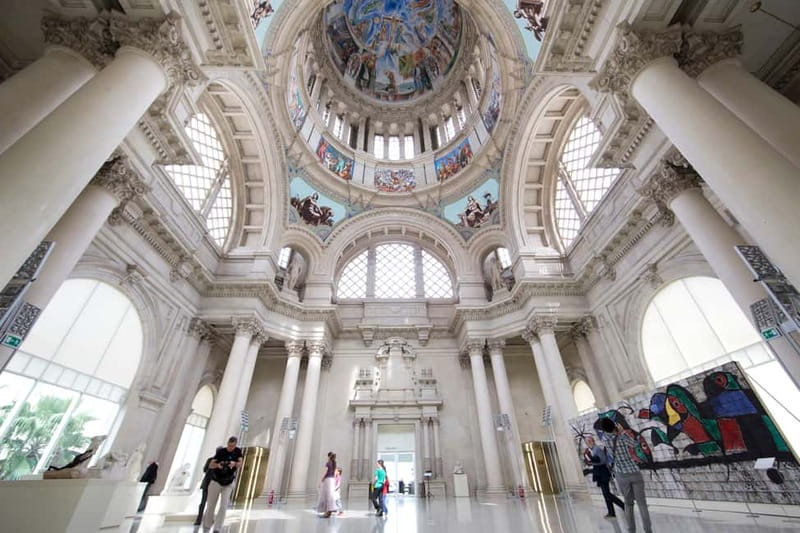
- National Art Museum of Catalonia (MNAC) with skip the ticket line
- Antoni Tàpies Foundation with skip the ticket line
- Center of Contemporary Culture of Barcelona (CCCB) with skip the ticket line
- El Born Cultural and Memorial Center
- CaixaForum
- Museum of the History of Barcelona (MUHBA) with multiple free sites:
- Refugi 307 (air-raid shelter)
- Via Sepulcral Romana (Roman funeral way)
- El Call (Jewish district)
- Plaça del Rei
I like this set because it lets you build meaning quickly. You can go from art galleries (MNAC and Tàpies) into cultural context (CCCB, CaixaForum), then shift into the under-your-feet realism of MUHBA’s sites. The air-raid shelter stop (Refugi 307) is one of those experiences that makes the city’s layers feel close, not abstract.
Drawback to consider: MUHBA includes several distinct locations. If you try to do all of them in one day, you might end up museum-tired. Pick two and let the rest wait.
Science and nature days: CosmoCaixa and Museu Blau
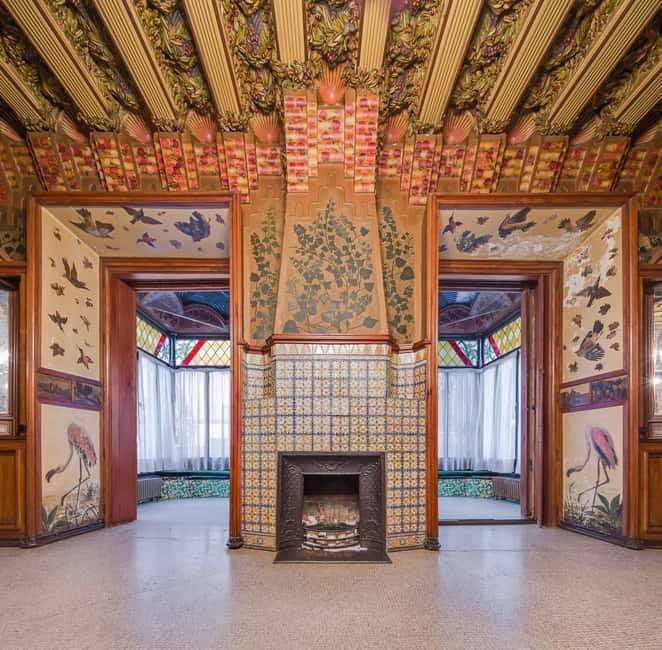
If you travel with kids, or you just like your museums a bit more hands-on, the card has excellent science coverage:
- CosmoCaixa Science Museum
- Museum of Natural Sciences of Barcelona (Museu Blau)
These are great “reset days.” After art-heavy mornings, science museums give your brain a different kind of exercise. Also, they’re usually easier to plan because you don’t have to align everything around the same curatorial theme.
Plan for this reality: science museums can take longer than you think because you’ll want to slow down and test your curiosity.
Montjuïc and views: castle, botanical garden, and ethnology stops
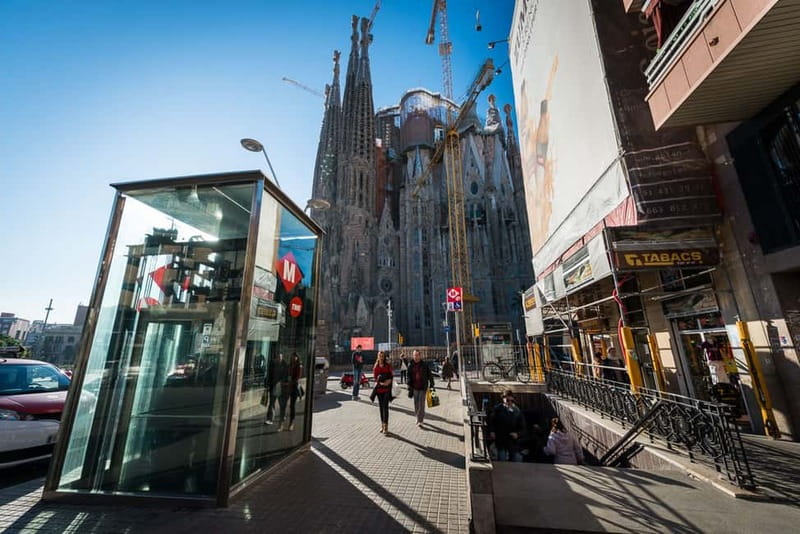
Montjuïc is one of the best places to spend a few hours without rushing. This card includes:
- Montjuïc Castle
- Botanical Garden of Barcelona
- Ethnology museums:
- Ethnological Museum of Barcelona (Parc de Montjuïc)
- Ethnological Museum of Barcelona (Montcada)
Montjuïc is also a natural fit for a half-day museum + views plan. Castle time gives you the landscape payoff. Botanical time gives you a softer pace before you head back into the city.
If you’re using the card across multiple days, I’d keep Montjuïc on a day when you’re okay with a slower start. Transit and walking there can take extra time, and the view is the point.
Night-and-day planning: a realistic 3-4 day self-guided itinerary
This card doesn’t come with a single fixed route, so I’m going to give you a practical structure you can copy.
Day 1: Eixample and contemporary warm-up
Start with a modern art anchor like MOCO Museum, then build around it with Design Museum of Barcelona or CaixaForum. If you have energy, finish with MACBA (skip-the-line entry helps keep the day moving).
Even if your plan changes, this day works because you’re in the art-and-design zone first. You’ll also be close to easy transit corridors for the next day.
Day 2: Gothic-style history and MUHBA stops
Focus on the MUHBA locations: pick two of these and commit.
- Refugi 307 for the air-raid shelter story
- El Call for the Jewish district context
- Plaça del Rei for the historical square
- Via Sepulcral Romana if you want Roman archaeology
Then add one culture stop nearby like El Born Cultural and Memorial Center. This keeps your history day from turning into a scavenger hunt.
Day 3: Big museum day, with skip-the-line saved for the busiest hour
Hit MNAC (skip the ticket line) and Antoni Tàpies Foundation (skip the ticket line). If you feel museum-heavy fatigue coming on, replace one with CCCB.
This day is your payoff day. You’re using the card on the places that save the most time at the door.
Day 4 (optional): science or Montjuïc, depending on your mood
If you want something different, choose CosmoCaixa or Museu Blau. If you want city views and slower walking, go to Montjuïc Castle and add the botanical garden.
If you only have a 3-day card, merge Day 4 into one “lite” afternoon and keep Day 3 as your museum-heavy day.
Discounts that matter: Casa Milà, Casa Batlló, and flamenco planning
The free museum list is impressive, but the discount side is where you can fine-tune your dream Barcelona. The card offers up to 50% off admissions to attractions including Gaudí’s Casa Milà and Casa Batlló. It also covers discounts for flamenco shows, and for excursions and tours.
My advice: use discounts to cover the things you know you want, but don’t overstuff your schedule with paid add-ons on top of already-free museums. If you do, you risk turning a relaxed museum day into a calendar workout.
Skip-the-line benefits: how to use them without wasting time
Several attractions on the included list are marked as skip-the-ticket-line entries, including:
- MNAC
- Antoni Tàpies Foundation
- MACBA
- Musical Museum of Barcelona (skip-the-ticket-line)
- Chocolate Museum (skip-the-ticket-line)
- Olympic and Sports Museum Joan Antonio Samaranch (skip-the-ticket-line)
- Egyptian Museum of Barcelona is listed among included museums, and other museums like CCCB are also noted as skip-the-ticket-line
So how do you use this well?
- Put your skip-the-line stops where you’d otherwise risk losing time.
- If the line at a non-skip museum is short, don’t force the skip entry to become a second-best plan.
The small details that can trip you up
This card is straightforward, but I’d flag these common friction points.
Aerobus is not included. You can still use metro and TMB day buses, but if your route depends on the Aerobus specifically, you’ll pay extra.
Your card activates on first use. If you wait to tap it until later, your hours run out sooner than you expect. Plan your first ride.
Not every famous Gaudí site is listed for free entry here. The card clearly includes free museum entries and offers discounts for some Gaudí houses like Casa Milà and Casa Batlló. For the big headline sites not on the free list, you’ll likely rely on discounted options elsewhere or buy separate tickets.
Olympic and Sports Museum audio guide is not included. If you care about audio guidance there, plan on that cost separately.
Who this card fits best
This card is a great match if you:
- Want to visit multiple museums in a short time
- Plan to use public transit daily instead of taxis
- Like self-guided roaming with a clear list of free options
- Enjoy art plus history plus science (not just one lane)
It may feel less useful if you:
- Plan to stick to one neighborhood most days
- Prefer taxis for everything
- Only want one or two museums and you’re not into building a full route
Should you book the Barcelona Card?
If you’re taking a 3 to 4 day Barcelona trip and you expect to ride metro and buses several times, I think this is one of the easiest value choices in town. The combination of free entry to major museums and unlimited transit is what makes it work, not the fine print.
Book it if you want your schedule to stay flexible and your museum plans to stay affordable. Skip it if you’re aiming for a super light museum day or you already have a transit plan that costs less than the pass.
If you do book it, use this mindset: pick a theme for each day, lean on the skip-the-line museums when you expect crowds, and let the transit network connect your ideas. That’s when the Barcelona Card stops feeling like a pass and starts feeling like freedom.
FAQ
How much does the Barcelona Card cost?
The Barcelona Card is listed at $69 per person for a 3–4 day option.
What duration options are available?
You can choose a card valid for 3, 4, or 5 days.
When does the card become valid?
Your Barcelona Card becomes valid from the hour you use it for the first time, in 72-hour, 96-hour, or 120-hour periods depending on the card length you choose.
What public transportation can I use with the card?
You can use the card on the metro, tramway TMB day buses, FGC urban railway lines, and Renfe Rodalies train zone 1.
Is the Aerobus shuttle included?
No. The Aerobus shuttle bus service is not included.
Which museums and attractions are included for free?
It includes free admission to many museums and attractions, including Picasso Museum, MOCO Museum, MNAC (skip the ticket line), MACBA (skip the ticket line), CosmoCaixa, Museu Blau (Museum of Natural Sciences of Barcelona), Montjuïc Castle, Joan Miró Foundation, Banksy Museum, and multiple MUHBA sites such as Refugi 307.
Are there discounts for additional attractions?
Yes. The card offers discounts of up to 50% for additional attractions and activities, including Casa Milà and Casa Batlló, flamenco shows, excursions, and tours.
Where do I exchange my voucher for the card?
You can exchange your voucher at several tourist information offices, including Barcelona Airport Terminal 1, Barcelona Airport Terminal 2, Plaça de Catalunya Nord, Barcelona Airport Metro Terminal 1, Cabina Sagrada Família, and Plaça de Catalunya Main Office.
Is the card wheelchair accessible, and are there child rules?
The card is wheelchair accessible. Children under 4 don’t need a Barcelona Card to travel on public transportation or enter the attraction with a discount.