REVIEW · SAN FRANCISCO
SF: San Francisco Museum of Modern Art (SFMOMA) Entry Ticket
Book on GetYourGuide →Operated by SFMOMA · Bookable on GetYourGuide
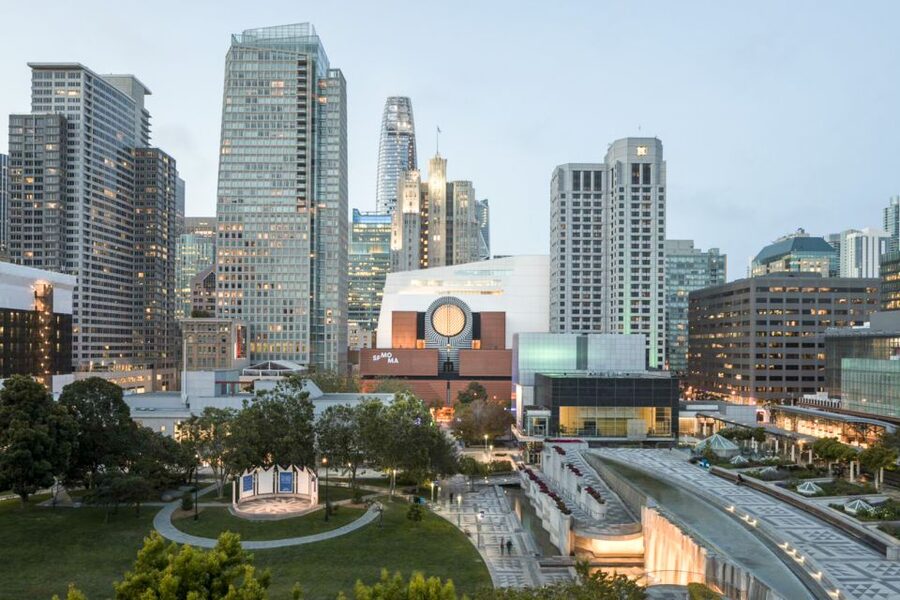
Big modern art in San Francisco. The expanded SFMOMA building spreads work across 7 floors and 170,000 square feet, with an entire level devoted to photography. I love the way you can hop from major paintings to media art, then step out onto art-filled terraces—yet I also think the galleries can feel a little disordered if you don’t set a simple route first.
For the price—$15 for a full day—this ticket is a strong value if you want a lot of variety without committing to a guided tour. You’ll see more than 33,000 modern and contemporary artworks, including headline names like Warhol and Pollock, plus artists such as Alexander Calder, Frida Kahlo, and Julie Mehretu. One watch-out: special exhibits may cost extra if you add them at the desk, so decide what you’re prioritizing before you head deeper into the museum.
In This Review
- Key highlights at a glance
- Entering at Third Street or Howard Street
- Terraces, sculptural stairs, and Roman steps for real breaks
- The photography floor: your fastest path to satisfying depth
- Painting and sculpture: Warhol, Pollock, and art across careers
- Neon installations, short videos, and modern art that moves
- A practical loop to avoid the disordered feeling
- Cafe 5, In Situ, and Sightglass Coffee Bar plus the Museum Store
- Price and value: how $15 makes sense for a full art day
- Should you book this SFMOMA entry ticket?
- FAQ
- Where do I enter SFMOMA with this ticket?
- How long is the ticket valid?
- How much does the SFMOMA entry ticket cost?
- What’s included with the ticket?
- Can I add special exhibits after booking?
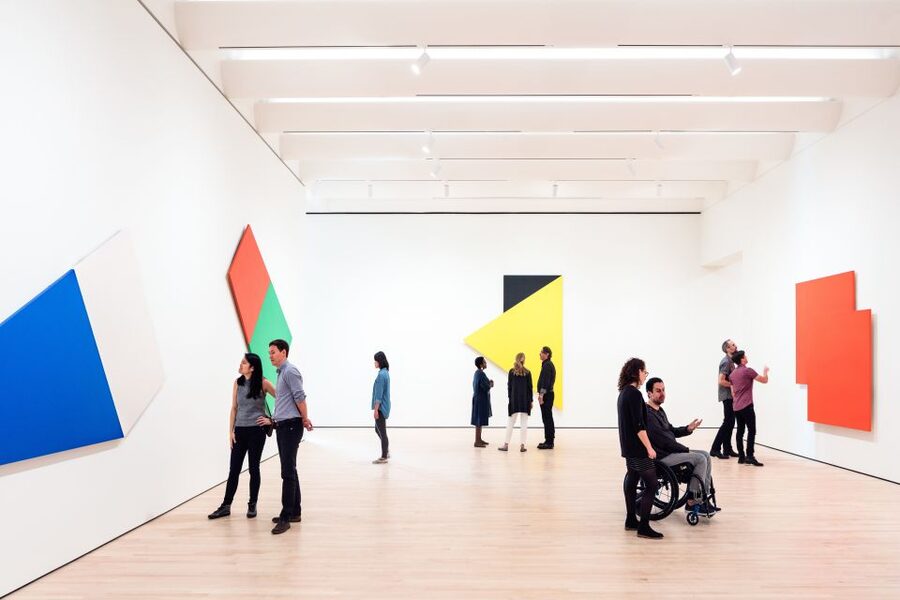
- Is SFMOMA wheelchair accessible?
Key highlights at a glance
- 170,000 square feet and 7 floors: a lot of ground to cover, so a plan helps
- A full photography floor: great if you want one clean focus level
- Iconic modern works: Warhol lithographs and Pollock splatters among what you’ll find
- 6 art-filled terraces plus Roman steps: breaks from galleries without leaving the art world
- Neon installations and short videos: modern art that moves, not just hangs
- Real-world fuel stops: Cafe 5, In Situ, and Sightglass Coffee Bar plus a useful museum shop
Entering at Third Street or Howard Street
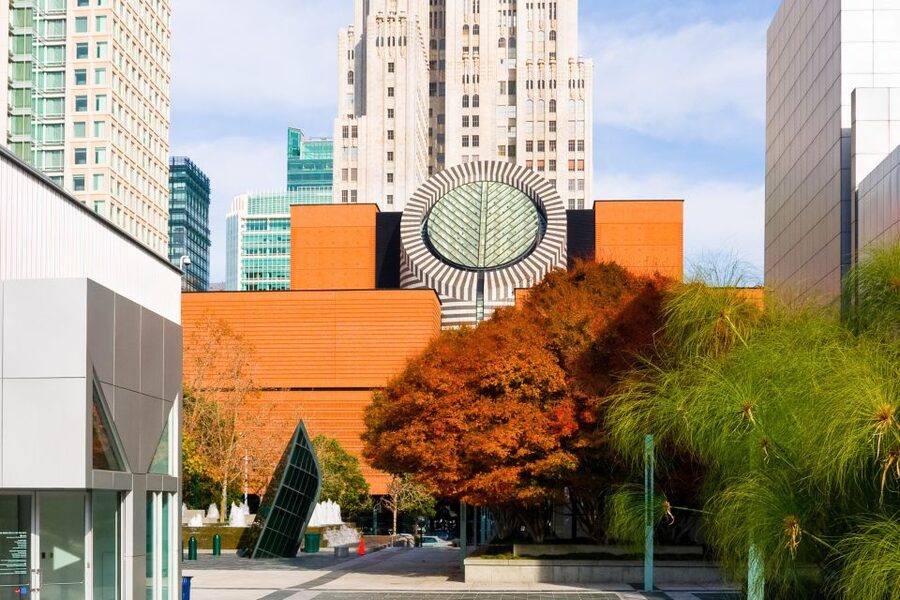
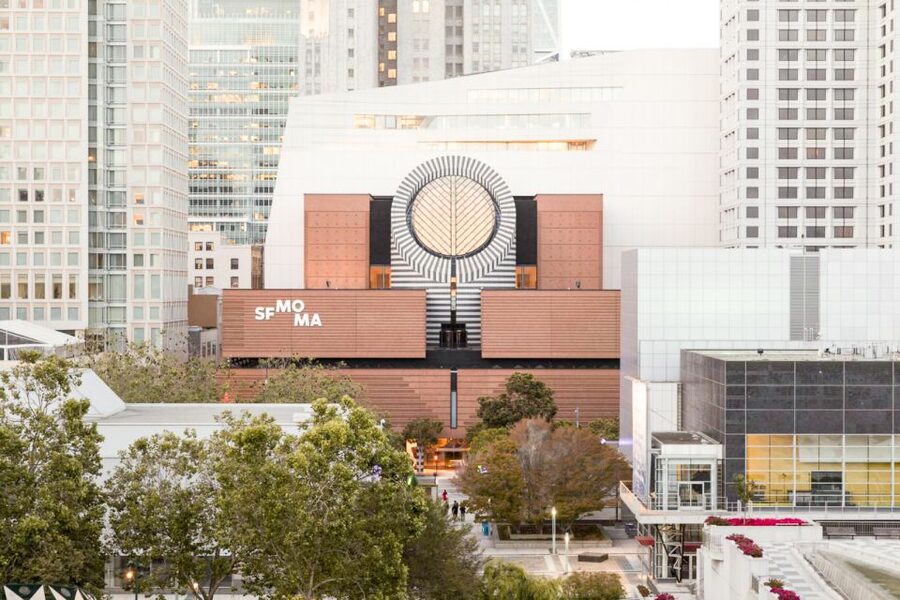
SFMOMA is easy to reach, and the biggest practical tip is to know where you’re entering. You can go in on Third Street or use the newer entrance on Howard Street. If you’re aiming for a smooth start, pick one entrance and stick with it when you arrive, so you’re not wandering when you’re supposed to be looking at art.
Bring a passport or ID card with you. That’s a simple thing, but it prevents a slow moment at the start of your day.
This is an entry ticket meant for a 1-day visit, so you’ll want to treat it like a flexible pass. Check availability for starting times when you book, then give yourself enough hours to actually see multiple collections—SFMOMA is not the kind of museum where one quick loop feels satisfying.
If you’re biking, note that there’s limited bicycle parking on-site. That’s not a deal-breaker, but it can influence whether you plan to ride or drive/walk that day.
Finally, remember that some special exhibits can be added at the ticket desk for a nominal fee. That means your day can stay flexible, but you should decide what “must-see” means for you once you’re inside.
A few more San Francisco tours and experiences worth a look


Terraces, sculptural stairs, and Roman steps for real breaks

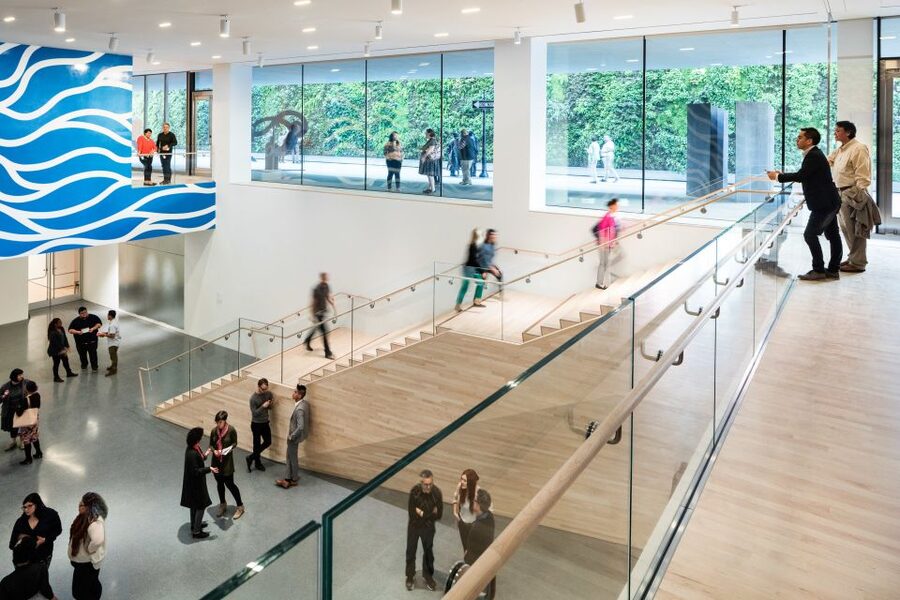
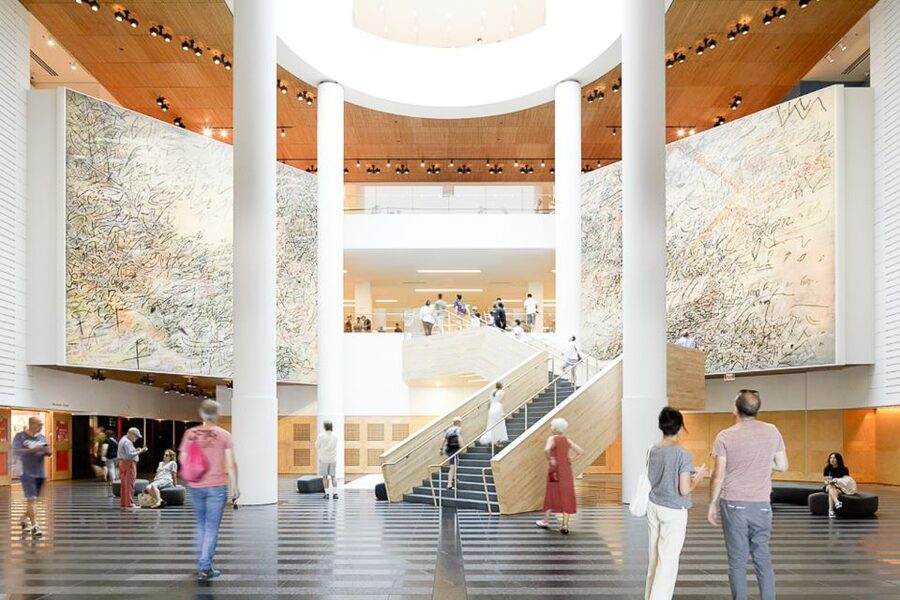
One reason SFMOMA feels different from a lot of museums is that it gives you built-in pause points. You’ll have access to 6 art-filled terraces, plus a sculptural staircase and Roman steps that are designed for people to gather and move through the space.
I like this setup because you don’t have to choose between seeing art and taking a breather. When you step onto a terrace, you get a change of pace while still staying in the museum’s orbit. It’s the kind of spot where you can reset your eyes before you go back to close-looking.
The sculptural staircase and Roman steps also matter, even if you’re not a “sit and watch” person. These areas create natural meeting points, photo opportunities, and visual wayfinding. In a museum that spans lots of galleries, those shared spaces help you keep your bearings.
Potential drawback: because SFMOMA is spread out across many levels and zones, these public spaces can also make it easier to drift off your intended route. If you’ve heard the place can feel a bit disordered, this is often why. You’ll spend an extra minute here and there—so decide early whether you want to hit photography first, or start with paintings and sculpture.
The photography floor: your fastest path to satisfying depth
SFMOMA has an entire floor dedicated to photography, and I’d treat that as a cornerstone of your visit. Instead of bouncing randomly between mediums, you get one clear “focus level,” which makes the day feel more organized. If you love images—portraits, documentary vibes, experimental photography—you’ll probably appreciate having a full floor to yourself.
Why it’s valuable: photography changes how you read the rest of the museum. After looking at photographs closely, paintings and sculpture often start to feel more grounded in composition and storytelling. It’s also a nice way to break up the heavier gallery moments of painting and sculpture.
What to watch for as you move through: photography in a modern art museum is rarely just about “pretty pictures.” You’re likely to see works that push technique, framing, and meaning. Take your time with one or two sections before you race to the next room. Even a 10-minute slowdown can make the collection stick.
A practical consideration: a full floor can still be a lot, and if you jump through at high speed, you’ll miss the internal flow that makes photography floors work well. If you want to avoid the disordered feeling, set a small target for this level—like “I’ll pick three works that really catch me,” then move on.
If you’re planning a day that’s part art, part break, this floor gives you structure. It’s also a good place to go when your energy is highest, since photography reward comes from attention.
Painting and sculpture: Warhol, Pollock, and art across careers
SFMOMA’s strength is that it doesn’t just show a few famous pieces. It holds a major collection of modern and contemporary work—more than 33,000 artworks—and you’ll find holdings that span artists across their careers, especially in painting and sculpture.
If you want “big names” on the wall, keep an eye out for works such as Warhol lithographs and Jackson Pollock splatters. Even if you’ve seen reproductions before, seeing them in person changes the experience. Scale, texture, and the physical presence of the work are the kinds of details you can’t get from a screen.
You’ll also run into artists like Alexander Calder, Frida Kahlo, and Julie Mehretu. That matters because these artists each bring a different kind of visual language—so your day becomes a sequence of approaches, not one repeated style. I like museums that let you compare how different artists build meaning using very different methods.
How to navigate without getting overloaded: painting and sculpture areas can pull you in different directions. If you try to see everything, you’ll end up spending time “passing through” instead of looking. I recommend choosing a small set of anchors—maybe one Calder-like moment, one Kahlo-style thread, and then a Pollock or Warhol piece—and let those anchors guide what you notice next.
Possible drawback: with so many works and so many levels, it’s easy to lose time if you stop for too long in one section. If you’re short on time, don’t plan on finishing the whole collection. Plan on tasting it, then returning later only if something genuinely hooks you.
Neon installations, short videos, and modern art that moves
SFMOMA doesn’t treat “modern art” as only paintings and sculptures. The exhibits include neon installations and short videos, which shift the pace of your visit. This is where your eyes start reading time and motion instead of just shape and color.
I find media art rooms helpful because they reset your focus. After a stretch of still works, neon and video art can feel like a change in volume—more immediate, more rhythmic, and often more playful. And since the museum also runs film and performance-style programs, it’s worth checking what’s showing during your visit so you can plug your ticket day into the museum’s current energy.
How to make this part work for you: don’t assume every video needs the full runtime on your first pass. If something grabs you fast, stay. If it doesn’t, move on and let the gallery keep its pace. This keeps the day from turning into “one long watch session” that steals time from the rest of the collection.
You may also find interactive displays around the museum. That’s another reason pacing matters. Interactive moments can be fun, but they can also slow you down because you end up reading labels, trying something, then recalibrating where you are in the building.
If you’re someone who loves modern art that uses technology, this section is likely to be a highlight. If you prefer traditional art, neon and video may feel like a change in register—but even then, it’s a good reminder that modern art has many formats.
A practical loop to avoid the disordered feeling
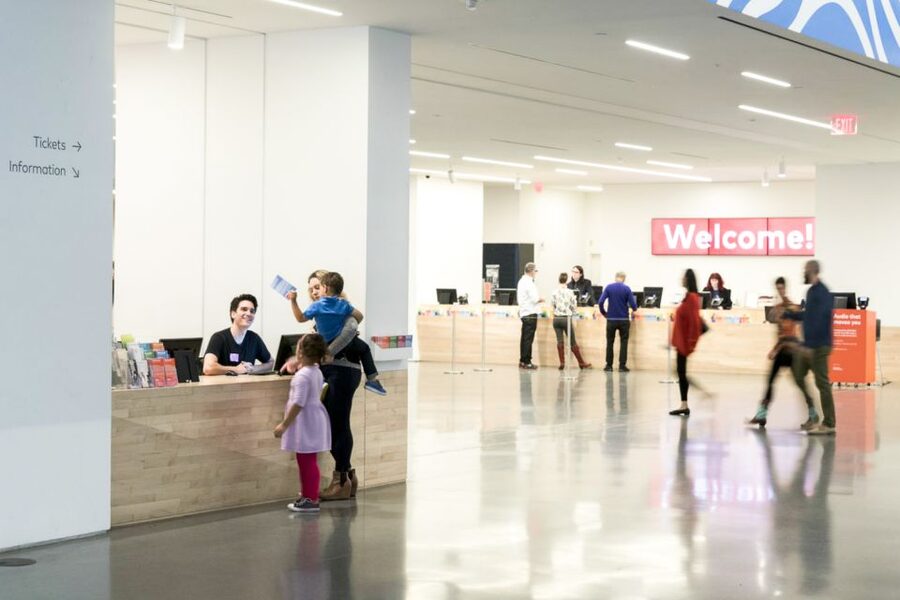
SFMOMA is big enough that a “walk anywhere” strategy can feel confusing. The most reliable fix is a simple loop, so you always know what you’re aiming for next.
Here’s a route that makes sense for most people:
1) Start with terraces and orientation
Use the terraces and major public spaces (including the sculptural staircase and Roman steps) to orient yourself. You’ll get your bearings fast, and you’ll also get a natural break from indoor rooms.
2) Hit the photography floor next
Since photography is on its own full level, it acts like a backbone for the day. If you start here while your attention is fresh, you’ll enjoy the depth more than if you tack it on at the end.
3) Move into painting and sculpture with anchors
Pick a few artists or works as your anchors, like Warhol lithographs or Pollock pieces. Then let the surrounding works support your understanding instead of trying to see everything.
4) Finish with neon and short videos
Media art tends to feel best when you’re ready for a shift. If you leave this for last, you’ll end your visit with energy rather than fatigue.
5) Add special exhibits at the desk if they matter to you
If you find something you genuinely want, entry to special exhibits can be added at the ticket desk for a nominal fee. Treat this like a bonus, not a requirement, so you don’t derail your plan.
Dining fits nicely into this loop too. If you plan a meal too early, you may lose momentum. If you wait too late, you’ll be hungry when you want to stay in the galleries. A mid-day break is often the sweet spot.
The key idea: your day will feel smoother if you reduce decision fatigue. Know what you’ll do next, and you’ll spend more time looking and less time figuring out where you are.
Cafe 5, In Situ, and Sightglass Coffee Bar plus the Museum Store

A museum day goes better when you can stop for food without it feeling like a detour. SFMOMA gives you multiple options: Cafe 5, In Situ, and the Sightglass Coffee Bar. If you want something quick, Sightglass Coffee Bar can work as a reset. If you want a proper sit-down meal, the other two dining spots help you recharge before you go back upstairs.
I also like that you can plan these breaks around how your eyes feel. If you notice you’re skimming signs too fast, that’s your cue to eat, walk the terraces, and come back.
After you’ve spent the day looking at art, the museum store is worth time too—especially if you like taking something home that still feels connected to the collections. You’ll find art books, home accessories, jewelry, toys, and more. Even if you don’t plan to buy, it’s a good place to slow down and browse.
One practical note: the museum store works best as a late-day stop. If you shop too early, you might feel rushed and make impulse buys you don’t love.
If you’re traveling, these items can also be a smart way to bring home something small that reminds you of what you saw.
Price and value: how $15 makes sense for a full art day
Let’s talk value like a real-world decision, not a theory. This is a $15 per person entry ticket for a 1-day visit, and it gives access to a massive, newly expanded space—170,000 square feet.
That value only works if you use your time well. If you walk in for 45 minutes and leave, you’ll feel like you paid for the idea of SFMOMA instead of the experience. But if you plan to see multiple collections across several levels, $15 can feel surprisingly fair for what you get: tens of thousands of works, plus photography, sculpture, paintings, neon, and short videos.
Special exhibits are a wild card. You can add them at the ticket desk for a nominal fee, but that means your true cost depends on your interests. If a special exhibit is a must for you, that’s great. If not, you can keep spending under control by focusing on the core galleries.
I’d also frame value by your tolerance for modern variety. SFMOMA is not one theme. It’s modern and contemporary across many mediums, including interactive displays and media art. If you like variety, you’re in the right place. If you hate decision-making, you’ll want that simple route so the day doesn’t feel chaotic.
Should you book this SFMOMA entry ticket?
If you want a high-quantity, modern-art day without buying into a more structured experience, I’d book. The ticket gives you access to a huge expanded museum, a full photography level, major artists and works, and multiple places to eat and decompress.
I would hesitate only if you’re visiting with very limited time and you mainly care about one tiny slice of the museum. In that case, you might still enjoy SFMOMA, but the ticket value depends on whether you can actually spend time seeing more than just the highlights.
Overall, for $15, this is one of those “spend the day and leave glad you did” museum plans—especially if you’re the kind of person who likes to follow your curiosity, take breaks, and then return to look harder.
FAQ
Where do I enter SFMOMA with this ticket?
You can enter on Third Street or use the new entrance on Howard Street.
How long is the ticket valid?
The ticket is valid for 1 day. Availability and starting times may vary, so check when you book.
How much does the SFMOMA entry ticket cost?
The price listed is $15 per person.
What’s included with the ticket?
The ticket includes entry to the San Francisco Museum of Modern Art.
Can I add special exhibits after booking?
Yes. Entry to special exhibits can be added at the ticket desk for a nominal fee.
Is SFMOMA wheelchair accessible?
Yes. The venue is wheelchair accessible.