REVIEW · NORFOLK
A Day Full of Fun at Virginia Living Museum
Book on Viator →Operated by Virginia Living Museum · Bookable on Viator
Dinosaurs and live animals in one stop. At the Virginia Living Museum in Newport News, you get a natural history walk with indoor and outdoor habitats. My favorite part is the elevated boardwalk, where you can spot coastal birds, bald eagles, beavers, bobcats, river otters, and red wolves in naturalized settings.
The Dinosaur Discovery Trail keeps kids busy with 16 life-like dinosaurs, an interactive paleo camp, dig pits, and dinosaur plus ice age fossils, plus role play at the Wild and Well Clinic. One thing to plan around: food options can be limited, and the café has been reported closed on some visits, so having snacks helps.
I also like the no-drama entry method. With a mobile ticket, you can line up for guaranteed entry and skip the usual ticket-counter delay, which is a big win when you’re chasing kids or waiting on family schedules. You’ll want comfortable shoes and a moderate fitness level, since you’re mixing indoor exhibits with outdoor trails.
In This Review
- Key Highlights at a Glance
- Entering the Virginia Living Museum on J. Clyde Morris Blvd
- Animal Habitats You Can Watch at Eye Level
- The Dinosaur Discovery Trail: 16 Life-Like Dinosaurs Plus Fossils
- Hands-On Science at the Wild and Well Clinic
- Indoor Exhibits: Where the Day Stays Interesting
- Time Planning: A 2–6 Hour Family-Friendly Schedule
- Food, Museum Store, and the One Thing to Watch Closely
- Extra Fees: What’s Included vs. What Costs More
- Getting the Most Out of Your Visit (Without Turning It Into a Project)
- Should You Book Virginia Living Museum Tickets?
- FAQ
- Where is the Virginia Living Museum?
- What are the opening hours?
- How long should I plan to visit?
- Is admission included?
- What costs extra besides admission?
- Is the planetarium included in the ticket?
- Can children visit?
- What should I expect in terms of walking and physical effort?
- What’s the main benefit of using the mobile ticket?
- Is free cancellation available?
Key Highlights at a Glance
- Guaranteed entry when you show up with your mobile ticket
- Elevated boardwalk viewing of animals in naturalized habitats
- Dinosaur Discovery Trail with 16 life-like dinosaurs plus fossils
- Interactive paleo camp and dig pits that make learning hands-on
- Wild and Well Clinic role play that turns science into play
- Plan for food timing since the café isn’t always a sure bet
Entering the Virginia Living Museum on J. Clyde Morris Blvd
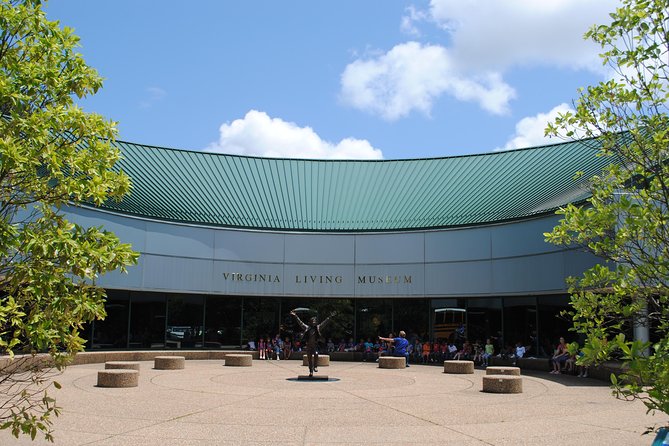
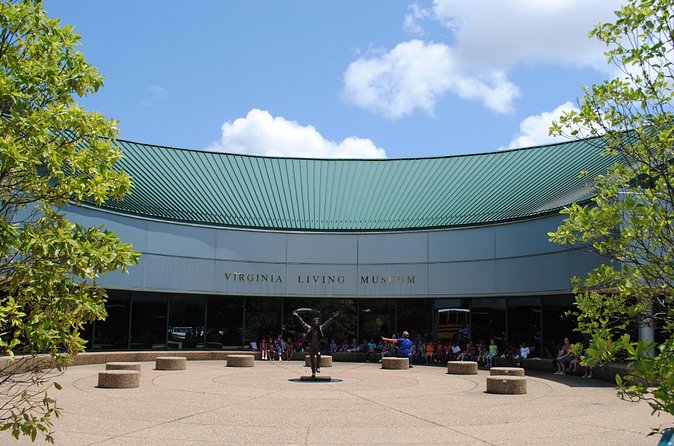
Virginia Living Museum is in Newport News, in the Norfolk area orbit, at 524 J. Clyde Morris Blvd. Hours are 9:00 AM to 5:00 PM daily, with outdoor areas open until 4:30 PM. If you want the full experience—animals, boardwalk views, and the Dinosaur Discovery Trail—arriving earlier in the day gives you breathing room.
The museum is designed for families, so the vibe is active without being chaotic. You’ll be walking between indoor exhibits and outdoor areas, and it’s easy to shift plans as kids get interested in one thing or another. That matters, because the best visits feel like you’re following curiosity, not rushing a checklist.
You’ll also want to have your phone ready. The experience uses a mobile ticket and is built around avoiding waiting at the ticket counter. Before you leave home, make sure your barcode is easy to access and your screen is charged. That small step helps you avoid the kind of entry problems that can turn a good day into a frustrating one.
Animal Habitats You Can Watch at Eye Level
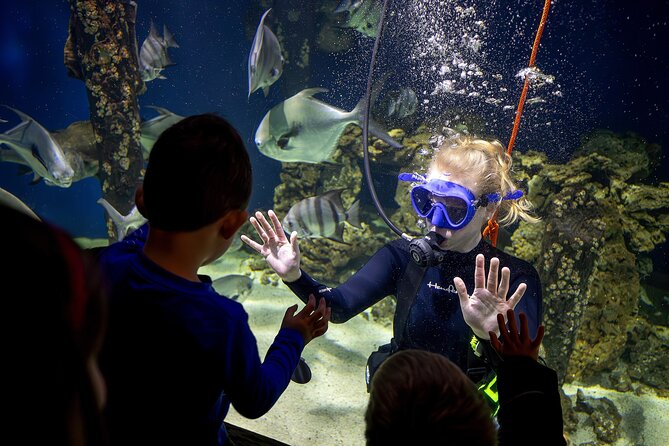
One of the smartest reasons to come here is how the animal exhibits are set up for real viewing time. This isn’t just a quick look-through. You’re walking through indoor and outdoor live animal exhibits that are meant to feel like natural habitats.
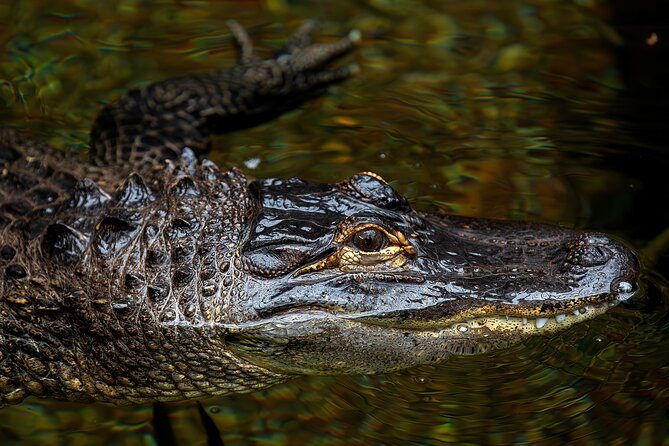
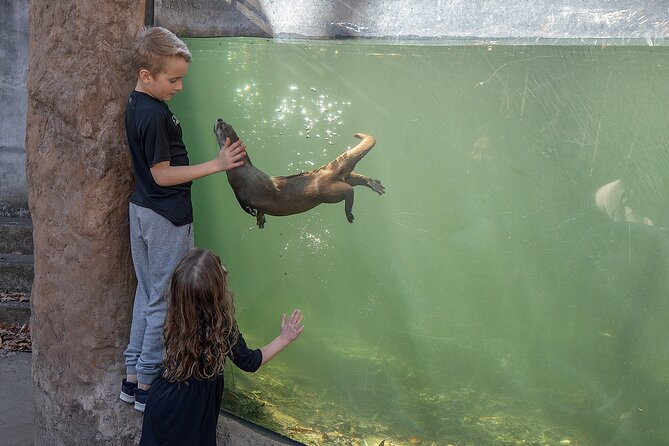
The standout is the elevated boardwalk. From there, you can look for coastal birds and big standouts like bald eagles, plus animals such as beavers, bobcat, river otters, and red wolves. Seeing these animals from a designed viewing point makes the whole museum feel more relaxed, especially with kids who need short attention bursts.
Here’s what I like about this format: you can slow down without feeling like you’re falling behind. If a child is focused on one animal, you’re not forced to sprint to the next room. You can stop, look, then move on. It’s a good match for families who don’t want a rigid schedule.
Rainy-day logic: because there are indoor exhibits as well as outdoor viewing, the museum can still work when weather isn’t cooperating. You might need to adjust which areas you prioritize, but you’re not stuck waiting indoors with nothing to do.
The Dinosaur Discovery Trail: 16 Life-Like Dinosaurs Plus Fossils
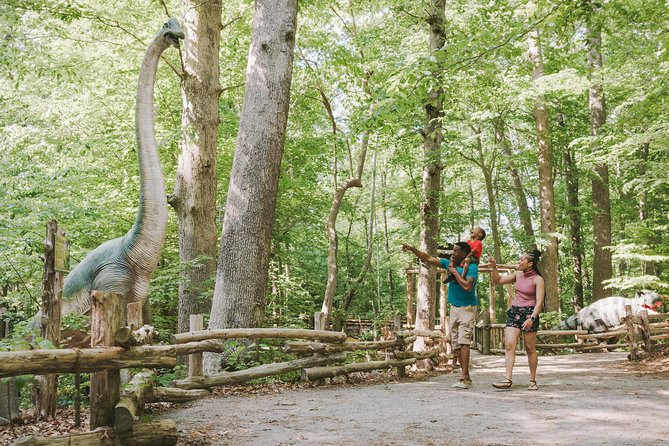
If your group includes dinosaur fans, you’ll feel it immediately. The outdoor Dinosaur Discovery Trail is built around hands-on learning, not just statues in a line.
You get 16 life-like dinosaurs, plus an interactive paleo camp and dig pits where kids can participate in a more tactile, playful version of what paleontologists do. There are also dinosaur and ice age fossils, which is a great way to broaden the theme beyond dinosaurs alone.
This is also where you’ll likely spend the most time. Kids usually want to revisit details, and parents tend to like that the exhibits are structured for engagement. It’s not just entertainment; it’s education that doesn’t feel like a classroom.
Practical tip: if you’re visiting with little ones, wear shoes you’re okay getting a little dirty and bring layers. Outdoor areas are open until 4:30 PM, so you’ll want to start the trail early enough that nobody feels rushed at the end.
Hands-On Science at the Wild and Well Clinic
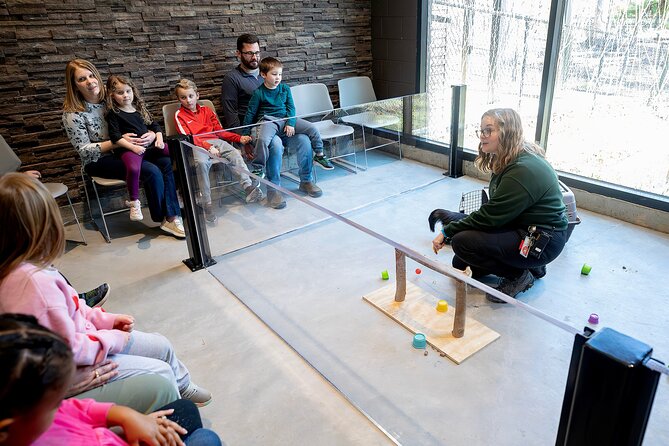
Between the animal viewing and the dinosaur trail, the museum adds another layer: science play. A key stop is the Wild and Well Clinic, where kids can do role play connected to the animal theme.
Role play sounds simple, but it’s a smart technique for young learners. It gives kids a script for understanding how animals live, how people care for them, and how “science” can be part of everyday curiosity. It also works well if your child gets restless from walking—role play breaks up the day in a way that doesn’t derail momentum.
The museum’s exhibits are also designed to reinforce national science standards, so it’s not educational in a vague way. It’s aimed at teaching concepts kids can carry home without you having to explain everything in the car afterward.
Indoor Exhibits: Where the Day Stays Interesting
The museum blends indoor and outdoor experiences, and that balance is worth your attention. The indoor areas keep things moving when weather changes or when your group needs a break from sun, heat, or wind.
Inside, you’ll find natural history tour elements plus live animal exhibits and hands-on activities. Even if you’re mainly there for dinosaurs, the indoor side helps break up the day so it feels varied rather than repetitive.
If you’re planning a visit, I’d think about flow like this: start with a chunk of indoor exhibits so everyone warms up, then go out for the boardwalk and dinosaur trail while you still have energy. That approach tends to work well for families, because you’re not trying to do the hardest walking when kids are already tired.
Time Planning: A 2–6 Hour Family-Friendly Schedule

The experience runs about 2 to 6 hours, and that range is realistic because the museum has multiple “tracks” you can follow depending on your group.
If you’re aiming for a shorter visit, focus on:
- the elevated boardwalk animal viewing
- the Dinosaur Discovery Trail highlights
If you want a slower, more relaxed day, you’ll naturally add more time for hands-on activities and repeated viewing. Reviews from families also point to around 3–4 hours being a sweet spot for many visitors, especially with toddlers and preschoolers.
One more scheduling point matters: indoor/outdoor timing. Since outdoor areas close at 4:30 PM, you’ll want the dinosaur trail and the outdoor boardwalk done earlier if you want full access. It’s an easy way to avoid the letdown of arriving late to the best walking.
Food, Museum Store, and the One Thing to Watch Closely

On paper, you have options. There’s Saté Café with breakfast, lunch, and snack items, plus outdoor seating in a patio area. There’s also a museum store onsite.
But here’s the practical caution: food can become a problem if your visit timing doesn’t line up well. One family noted there was no food vendor at the time they went, and another mentioned the café being closed. That doesn’t mean it’s always like that, but it does mean you should plan like it might be.
What I recommend:
- If you have young kids, bring snacks you can access easily.
- Plan lunch as a flexible part of the day, not a guaranteed anchor.
- If the café is operating, take advantage—don’t wait until everyone is cranky.
If you can do one small prep, pack a backup. It’s the best way to protect your mood and your schedule.
Extra Fees: What’s Included vs. What Costs More
Your ticket includes admission to the Virginia Living Museum. That’s the core value: you’re paying for entry to the animal exhibits and the dinosaur trail area.
Some options cost extra:
- Behind-the-scenes tours (additional fee)
- Planetarium shows (additional fee)
- A photo booth (additional fee)
If you want to control spending, treat these like optional upgrades. The main exhibits are already strong for families, and the hands-on dinosaur and animal areas don’t require add-ons to feel worthwhile.
Getting the Most Out of Your Visit (Without Turning It Into a Project)
This is one of those museums where success depends on pacing, not speed.
Start by letting your group pick what to focus on first. Many families hit the dinosaurs early because that theme draws kids fast. Others prefer animal viewing first because the boardwalk gives a calmer introduction to the day. Either way works as long as you don’t try to do everything in one tired sprint.
For the best experience:
- Wear comfortable shoes and plan for walking on outdoor paths.
- Bring layers even in warm months; outdoor weather can change your comfort level.
- Keep a flexible schedule around the 4:30 PM outdoor cutoff.
- If you’re using a mobile ticket, have it ready before you get to the entrance so you can get in fast.
Also, the museum advises moderate physical fitness. That means the day is doable for many people, but it’s not built for long periods of sitting. If someone in your group is limited on walking, consider planning more frequent breaks.
Kids should be accompanied by an adult. That’s not just a rule; it’s part of how the museum is set up, since much of the fun is hands-on and role play oriented.
Should You Book Virginia Living Museum Tickets?
If your goal is a family day with real animal viewing and a dinosaur-focused outdoor trail, I’d say yes. The elevated boardwalk animal exhibits give you more than a quick glance, and the Dinosaur Discovery Trail turns learning into play with dig pits and fossil themes. It’s the kind of outing that works for kids who want to run a little, look closely, and touch the experience through interactive elements.
Book if:
- you’re traveling with kids or dinosaur fans
- you want both indoor and outdoor options
- you like a self-paced museum day with enough structure to keep children interested
Hold off or plan differently if:
- you’re counting on the café being open at a specific time
- your group has very limited mobility, since the day mixes indoor and outdoor walking
- you prefer highly scheduled, guided activities only (this is more about entry plus exploring)
If you do book, I’d pair it with a simple strategy: arrive earlier, keep snacks on hand as backup, and prioritize the boardwalk and dinosaur trail before the outdoor areas close at 4:30 PM. That combo turns a good day into an easy one.
FAQ
Where is the Virginia Living Museum?
The museum is located at 524 J. Clyde Morris Blvd, Newport News, in the Norfolk area.
What are the opening hours?
The museum is open 9:00 AM to 5:00 PM daily. Outdoor areas open until 4:30 PM.
How long should I plan to visit?
The experience is listed as 2 to 6 hours (approx.).
Is admission included?
Yes. Your ticket includes admission to the Virginia Living Museum.
What costs extra besides admission?
Behind-the-scenes tours are available for an additional fee, and planetarium shows also cost extra. There’s also a photo booth for an additional fee.
Is the planetarium included in the ticket?
No. Planetarium shows are available onsite for additional fees.
Can children visit?
Yes, but children must be accompanied by an adult.
What should I expect in terms of walking and physical effort?
The experience calls for a moderate physical fitness level, since you’ll be moving through indoor exhibits and outdoor trails.
What’s the main benefit of using the mobile ticket?
You can use it for guaranteed entry and to help you avoid waiting in line at the ticket counter.
Is free cancellation available?
Yes. You can cancel up to 24 hours in advance for a full refund.