REVIEW · ATHENS
Athens: Acropolis, Parthenon & Acropolis Museum Guided Tour
Book on GetYourGuide →Operated by Athenian Tours · Bookable on GetYourGuide
Skip the line, then trade stares for stories. I love the skip-the-line tickets and a licensed guide who turns the Acropolis into lived drama, from Dionysus to the Parthenon. You also get the New Acropolis Museum right after, so the artifacts and the skyline start making sense as one story.
The main drawback is walking and heat. Expect steep climbs and uneven ground on the hill, plus crowds, so this isn’t a great match if you have mobility limits or heart problems.
In This Review
- Key moments that matter on this tour
- How the Acropolis day flows (and where time really goes)
- The Acropolis hill stops that make you look harder
- Theater of Dionysus: drama where drama began
- Odeon of Herodes Atticus: an elegant reminder of sound and scale
- Sanctuary of Asclepius: the healing god in the same sacred space
- Propylea of Nike and the Erechtheion: meaning in the details
- Parthenon: the symbol you came for, now with context
- A short break before the museum (the smart way to reset)
- Inside the New Acropolis Museum: light, glass floors, and big artifacts
- Separate entrance to start faster
- Ground floor: daily life you can actually picture
- First floor: the Caryatids and where they belong
- Under glass: excavations visible as you walk
- Top floor: Parthenon frieze and a Parthenon recreation
- Guide quality: why names like Sotos, Jason, Chrysa, and Giota matter
- Tickets and the skip-the-line reality at each site
- Price and value around $40 per person
- What to bring and what to avoid on the hill and in the museum
- Who should book this Acropolis and Museum tour
- Should you book it?
- FAQ
- How long is the Acropolis, Parthenon, and Museum guided tour?
- Is there skip-the-line access to the Acropolis and the Acropolis Museum?
- What language is the tour in?
- Does the price include hotel pickup or food?
- Is the tour suitable for wheelchair users or people with mobility impairments?
- What should I bring to the tour?
Key moments that matter on this tour
- Skip-the-line help at both sites: you can avoid ticket-office queues when that option is selected.
- Theater of Dionysus first: learn how drama began here, then connect it to the myths around the hill.
- Multiple Acropolis landmarks, not just the Parthenon: you’ll also see the Odeon of Herodes Atticus and the sanctuary of Asclepius.
- Museum natural light and glass-floor archaeology: original pieces and excavations are shown in context.
- Caryatids and the Parthenon frieze: you’ll see major sculptures where they were meant to be studied.
- Disposable earphones when needed: helpful for groups over 8, though audio can still be affected in peak crowding.
How the Acropolis day flows (and where time really goes)
This tour is built around one simple idea: if you understand what you’re looking at on the hill, the museum becomes much more meaningful. That’s why the flow goes from Acropolis hill to the New Acropolis Museum during the same outing, typically about 3 to 4 hours depending on pacing and weather.
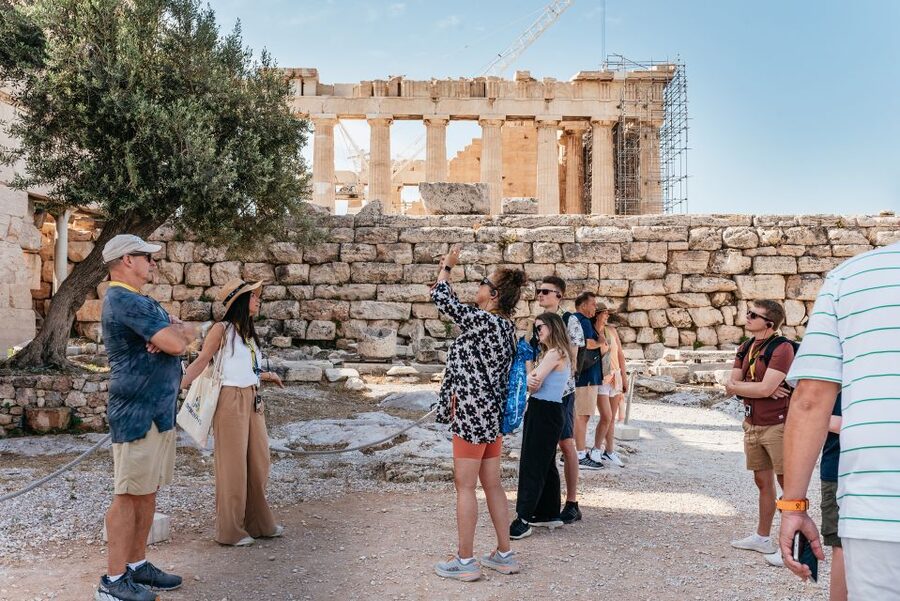
You meet at a location that can vary by the option booked, and then you head out on foot. The tour is guided in English, and it’s led by a licensed tour guide and field expert. If your group size is on the larger side, you may get disposable earphones (for groups of more than 8), which helps you hear clearly even when you’re standing in busy areas.
One practical note: the tour operator says they may change the order of stops to avoid discomfort. That’s worth knowing because the Acropolis can feel like a constant uphill shuffle. If the order changes, don’t stress. The key monuments still get covered.
You can also read our reviews of more guided tours in Athens


The Acropolis hill stops that make you look harder
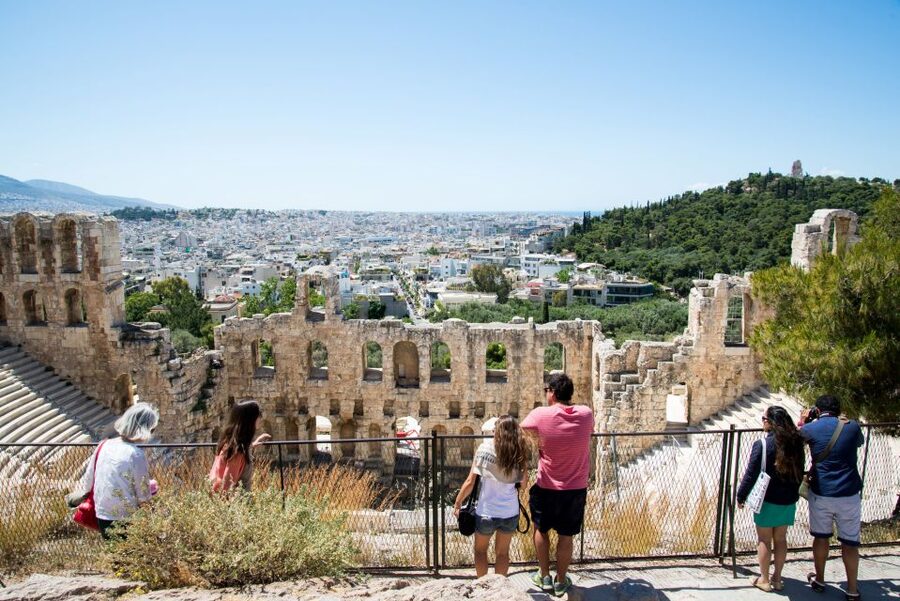
The Acropolis is famous for one view, but it’s really about layers: religion, politics, performance, and healing all stacked on the same rock. Your guide is there to connect those layers so you don’t just see ruins—you understand why each one mattered.
Theater of Dionysus: drama where drama began
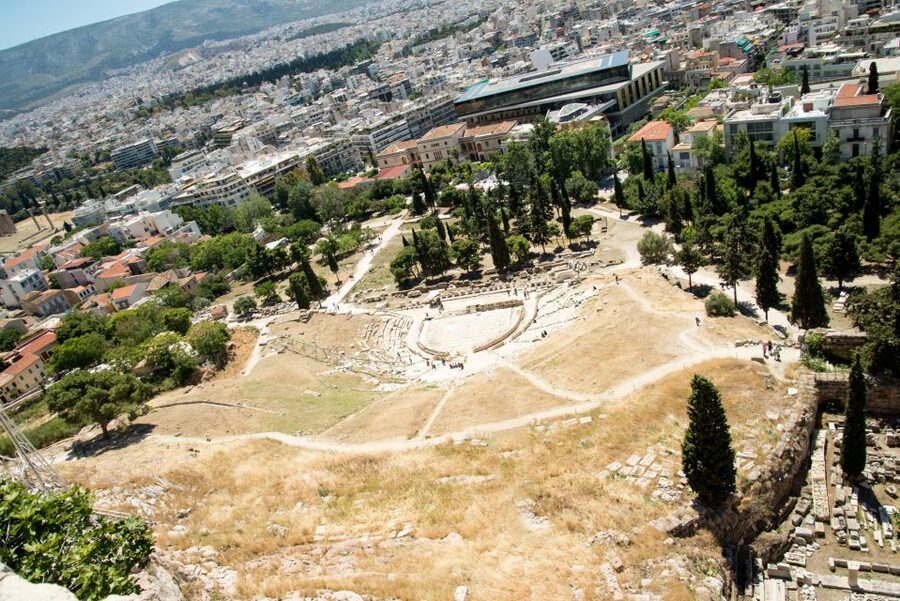
You start (or early on) with the Theater of Dionysus, the place where famous ancient tragedies and dramas were first performed. This stop is powerful because it flips the usual Acropolis script. Instead of thinking only temples and kings, you start thinking about stories, civic identity, and what people watched together.
When a guide is good, you’ll notice something: the theater isn’t just a stone bowl. It’s a social machine. You get the sense of why the Greeks cared about performance so much—and why that matters when you move from theater to temples.
Odeon of Herodes Atticus: an elegant reminder of sound and scale
Next comes the Odeon of Herodes Atticus. Even if you only catch parts of it between crowd flows, it’s a reminder that Greek culture wasn’t all monuments and stonework. There was music, performance, and public life—organized at serious architectural scale.
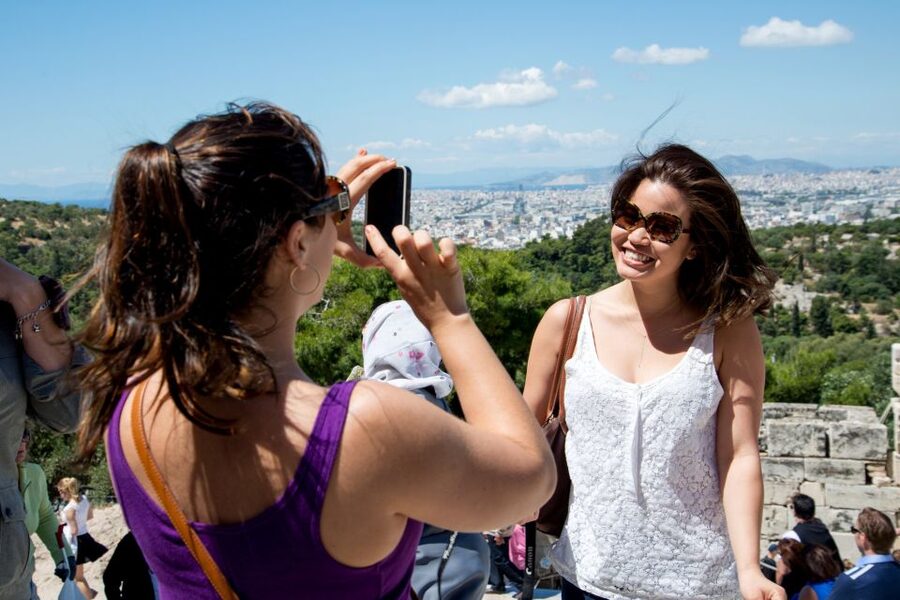
This is a good moment for photos, but manage expectations. The Acropolis gets busy fast, and standing spots can change. I’d treat pictures as a bonus, not the mission.
Sanctuary of Asclepius: the healing god in the same sacred space
You’ll also pass by the sanctuary of Asclepius, the healing god. This is where the hill starts to feel less like a single big “museum” and more like a working sacred district. You’re looking at a place where people went to heal, not just worship or brag.
If you’re the type who likes context—why people showed up and what they believed—this stop helps the whole day click.
You can also read our reviews of more museum experiences in Athens


Propylea of Nike and the Erechtheion: meaning in the details
As you climb toward the top zone, you visit the Propylea Temple of Nike and the Erechtheion Temple. The Erechtheion is one of those sites where the more you look, the more you notice, because it’s full of distinct design choices that signal importance.
This portion is also where the ground gets more uneven. Wear the shoes you’d trust on a long, careful hike, because you’ll be stepping around crowds and rocks.
Parthenon: the symbol you came for, now with context
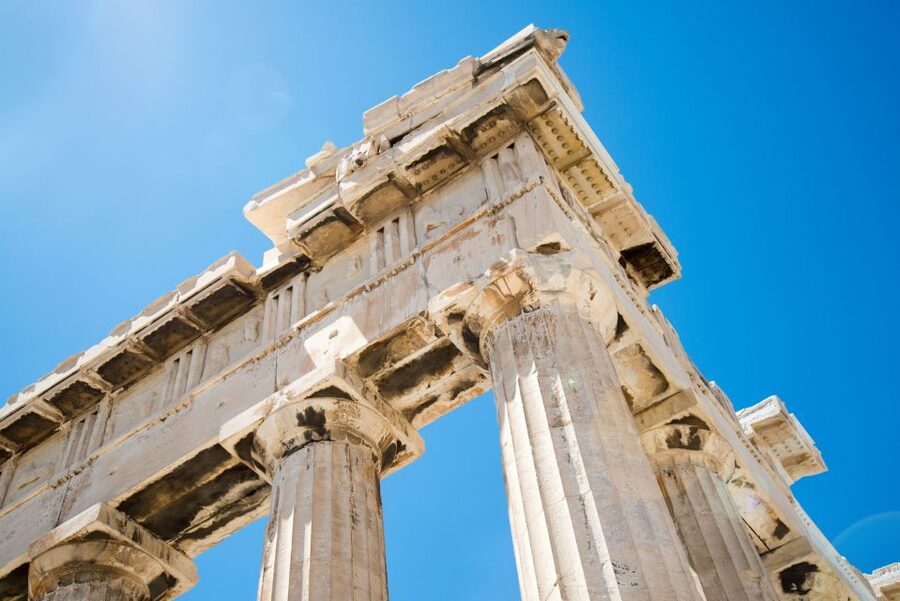
And yes, you reach the Parthenon, the emblem people associate with democracy and Western civilization. The guide’s job here is to put the monument into its 5th-century frame and explain what it represented during the Golden Age of Pericles.
The value is not just knowing the facts. It’s learning how the Parthenon fit into the broader Acropolis world—performance spaces, healing sanctuaries, civic symbolism, and religious ritual all living side by side.
A short break before the museum (the smart way to reset)
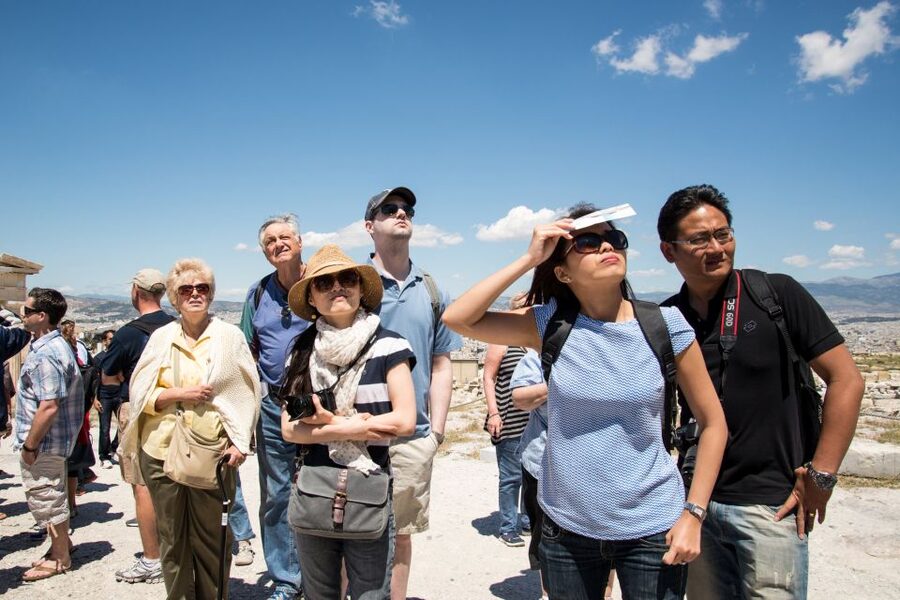
At some point before heading to the New Acropolis Museum, the tour includes a short break. You can use the bathroom, which is more important here than it sounds. The Acropolis can be draining—sun, stairs, and lingering time in crowds add up.
The tour pacing gives you time for your own quick stops as well. Some groups use that pause to grab a coffee or just cool down. Even if you don’t, that break helps you arrive at the museum ready to look instead of just surviving.
Inside the New Acropolis Museum: light, glass floors, and big artifacts
The New Acropolis Museum is a major reason this tour is worth doing in one go. It’s ranked among the top museums in the world, and the layout is designed so the Acropolis story doesn’t feel like a random list of objects.
Separate entrance to start faster
One logistics win: the tour includes entry through a separate entrance to the Acropolis Museum. That helps you get inside without the normal bottlenecks.
Ground floor: daily life you can actually picture
On the ground floor, the museum uses immersive glimpses into daily life. This matters because it gives you a human scale. After seeing ruins, you get a sense of what real people did around these sacred places.
If your brain is tired from walking, this is where things lighten up. It’s the part of the museum that helps you rest your feet while still learning.
First floor: the Caryatids and where they belong
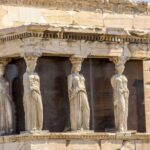
On the first floor, you’ll see original Caryatids—five are here, while the sixth is in the British Museum. That detail is more than trivia. It helps you understand how museums can split up one unified artistic system.
This is also a great section to pause and look slowly, because sculpture reading works best when you’re not rushing. If your guide keeps things moving, give yourself permission to slow down once the guide points you toward what to notice.
Under glass: excavations visible as you walk
The museum also shows excavations under glass floors and walkways. This makes the archaeological process tangible. You’re not just seeing finished restorations; you’re seeing the ground-level traces that research uncovered.
In a good museum, this is where the stories feel real. Here, the building helps you understand that archaeology is a method, not just a reveal.
Top floor: Parthenon frieze and a Parthenon recreation
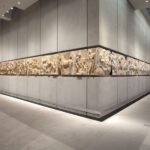
The top floor is the showstopper: you’ll see the Parthenon frieze and a recreation of the Parthenon, plus a breathtaking view back toward the Acropolis. It’s one of those rare places where the museum view and the real hill align in your mind.
If you’ve been staring at ruins, this is where your brain finally maps the fragments into a bigger whole.
Guide quality: why names like Sotos, Jason, Chrysa, and Giota matter
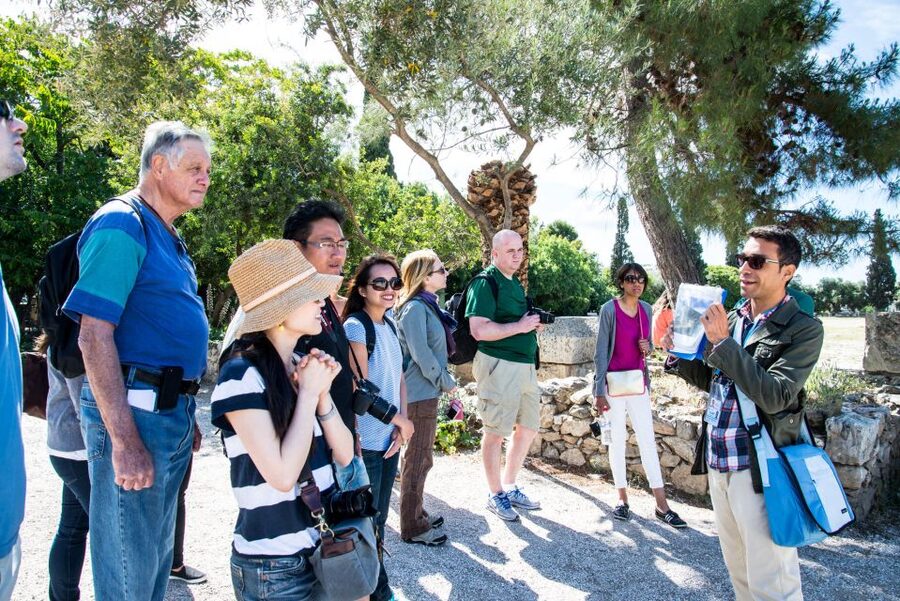
The tour is only as good as the person guiding you, and this one is built around licensed interpretation and storytelling. In English, you should expect clear explanations, helpful pacing, and enough room to look around.
From past groups I’ve noted, guides such as Sotos, Jason, Chrysa, Giota, Ioannis, and Julia have been singled out for being engaging and for making the monuments feel alive. The common thread is not just facts. It’s tone—guides who can explain history without drowning you in it.
If your group is large, be aware that the audio quality may be affected at crowded moments by other groups’ equipment. The earphones help, but in peak crunch times no system is perfect. It’s smart to stay positioned where you can see and hear your guide best.
Tickets and the skip-the-line reality at each site
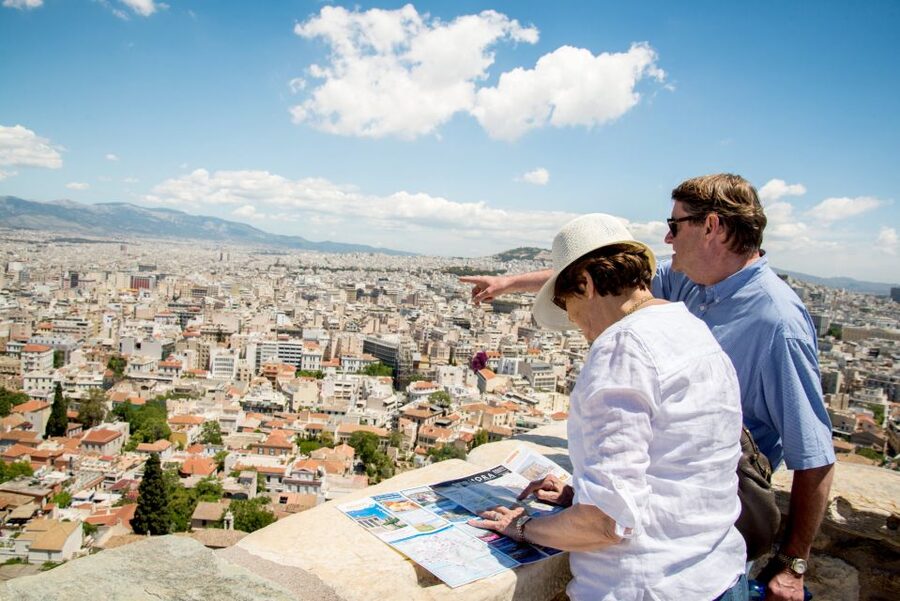
This is where the details matter.
When you choose the option with tickets, you get skip-the-line ticket support for both the Acropolis and the Acropolis Museum. The idea is that you avoid the longest ticket-office queues.
But there’s a key clarification: there is no skip-the-line separate entrance to the Acropolis. So you’re still entering through the normal visitor flow at the site. What you’re skipping is the ticket office line, not the whole gate process.
At the museum, it’s different. You do get separate entrance access, which can make a real difference once you’re walking with a group and you’d rather get inside than wait.
Price and value around $40 per person
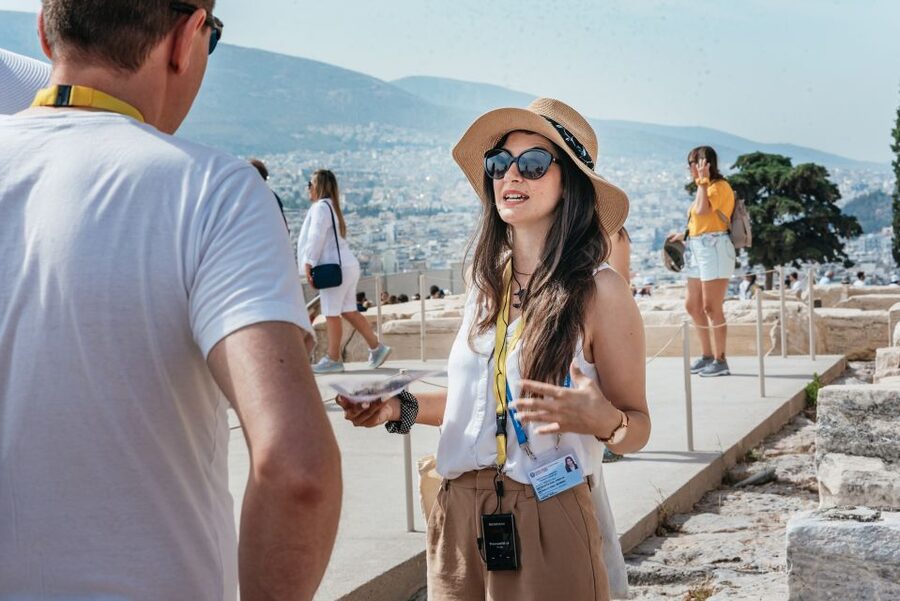
At about $40 per person, the price is easiest to judge by what’s actually included.
You’re paying for:
- a licensed guide (the main value driver here)
- Acropolis and museum tickets if that option is selected
- skip-the-line help at the ticket offices
- disposable earphones for larger groups
- museum separate entrance
If you’ve ever tried to do the Acropolis and museum with no help, you already know what the hidden cost is: time and context. Time disappears in queues, and context disappears when you don’t know what you’re looking at. This tour stacks those two problems into one guided, ticketed plan.
One practical caution: the tour lasts 3 to 4 hours, and that includes walking and transitions. If your goal is only a quick photo run, you might feel it’s longer than you want. If your goal is understanding and a smoother museum follow-up, the value feels right.
What to bring and what to avoid on the hill and in the museum
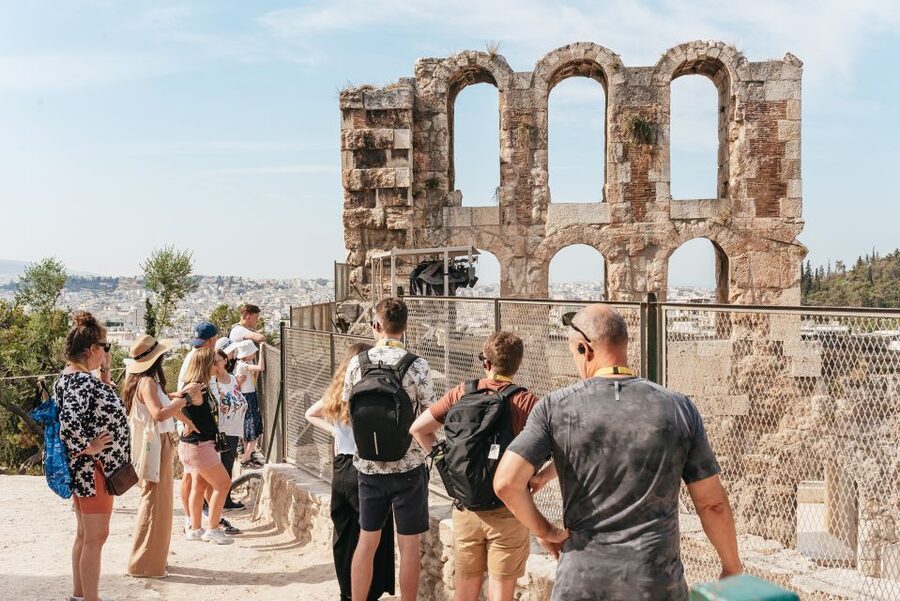
You’ll be happier if you show up prepared, because the day is outdoors plus indoor walking.
Bring:
- comfortable shoes
- hat
- water
- comfortable clothes
Don’t bring:
- pets
- baby strollers
- luggage or large bags
Also keep in mind: the tour operator notes that using the elevator at Acropolis Hill isn’t included. And the tour isn’t suitable for wheelchair users or people with certain medical concerns.
Who should book this Acropolis and Museum tour
This tour is a strong fit if you:
- want the Acropolis and New Acropolis Museum in one outing
- like learning through storytelling and clear guidance
- value skip-the-line help so you can spend more time looking
- can handle a few hours of walking and uneven ground
It’s not a good match if you:
- are traveling with children under 6
- use a wheelchair or need mobility accommodations
- have heart problems
- rely on elevators at the hill (since elevator use isn’t included)
On the other edge—if you’re fit but cautious—you might still make it, based on experiences where older couples managed. Still, I’d plan as if it will be tough. Bring good shoes and take it slow when your guide builds in photo and personal time.
Should you book it?
I’d book this tour if you want your Acropolis day to feel guided, not random. The combo of Parthenon plus the New Acropolis Museum is the whole payoff. You’ll understand the hill more after you see how the museum displays originals, glass-covered excavations, and the Parthenon frieze.
Skip the tour only if you prefer total freedom over structure, or if walking on the hill is likely to be a problem for you. Otherwise, this is one of those Athens experiences where the guide’s storytelling turns famous stone into something you can actually picture.
FAQ
How long is the Acropolis, Parthenon, and Museum guided tour?
The tour runs about 2 to 4 hours, and it typically lasts 3 to 4 hours depending on the group’s pace and weather conditions.
Is there skip-the-line access to the Acropolis and the Acropolis Museum?
If you choose the option with tickets, you get skip-the-line ticket office help for both the Acropolis and the Acropolis Museum. The Acropolis has no separate skip-the-line entrance, but the museum does.
What language is the tour in?
The tour is offered in English.
Does the price include hotel pickup or food?
No. Hotel pickup/drop-off and food and drinks are not included.
Is the tour suitable for wheelchair users or people with mobility impairments?
No. It is not suitable for wheelchair users, and it’s also not suitable for people with mobility impairments.
What should I bring to the tour?
Bring comfortable shoes, a hat, water, and comfortable clothes. Avoid bringing pets, baby strollers, and luggage or large bags.