
REVIEW · DENVER
Denver: Molly Brown House Museum Self-Guided Tour & Entry
Book on GetYourGuide →Operated by Historic Denver · Bookable on GetYourGuide
A Titanic tale lives in plain wood and wallpaper. This self-guided visit to the Molly Brown House Museum makes Denver’s story feel personal, paced by you, and supported by audio and room notes.
I love the downloadable tour format: written prompts plus audio and images so you don’t need a group to figure out what you’re seeing. I also like how the museum ties Molly Tobin Brown’s larger-than-life moments—especially her Titanic connection—to the mining boom that helped fund the Browns’ comfortable life and her later public work.
One consideration: the house involves climbing several staircases, and when crowds overlap, navigating rooms can feel tight. It’s still totally doable, just plan for slower movement if mobility is an issue.
In This Review
- Key things I’d watch for before you go
- What You’re Paying $15 For: A 1-Hour Self-Guided Story
- Entering The House: Timing, What to Bring, and Where to Start
- Main-Floor Rooms: Historic Denver Details You Can Actually Read
- The Molly Brown Story: Titanic, Fundraising, and Real Activism
- The Mining Money Angle: Why This Home Looks the Way It Does
- Stairs, Floors, and the Third-Floor Tea Room Twist
- Getting Help Without a Tour Guide: Staff, Questions, and App Support
- Opening Hours That Actually Matter for Planning
- Who This Self-Guided Tour Suits Best
- The Bottom Line: Should You Book It?
- FAQ
- How long is the Molly Brown House Museum self-guided visit?
- What does the ticket include?
- Do I need a tour guide?
- What should I bring?
- What items aren’t allowed?
- Is the museum wheelchair accessible?
- What are the opening days and hours?
- Is the Titanic heroine exhibit included?
Key things I’d watch for before you go
- Titanic heroine content is built into your tour during the April 1–September 25 window
- Room-by-room audio plus labels help you understand the house without a guide
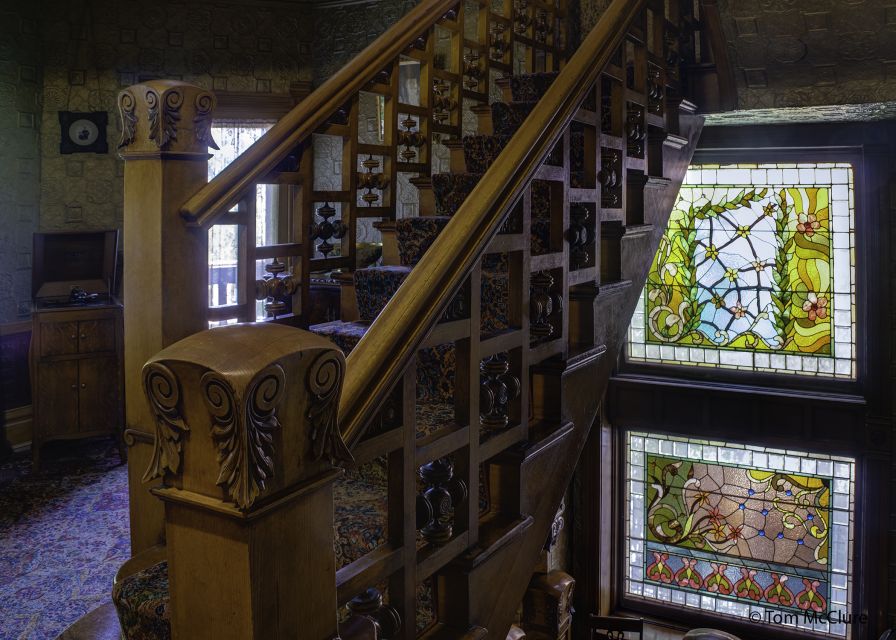
- The building itself does the talking with restored details like woodwork and stained glass
- Real-life activism focus puts Molly’s fundraising and philanthropy in context
- Staff are on hand for questions, even on a self-guided visit
What You’re Paying $15 For: A 1-Hour Self-Guided Story
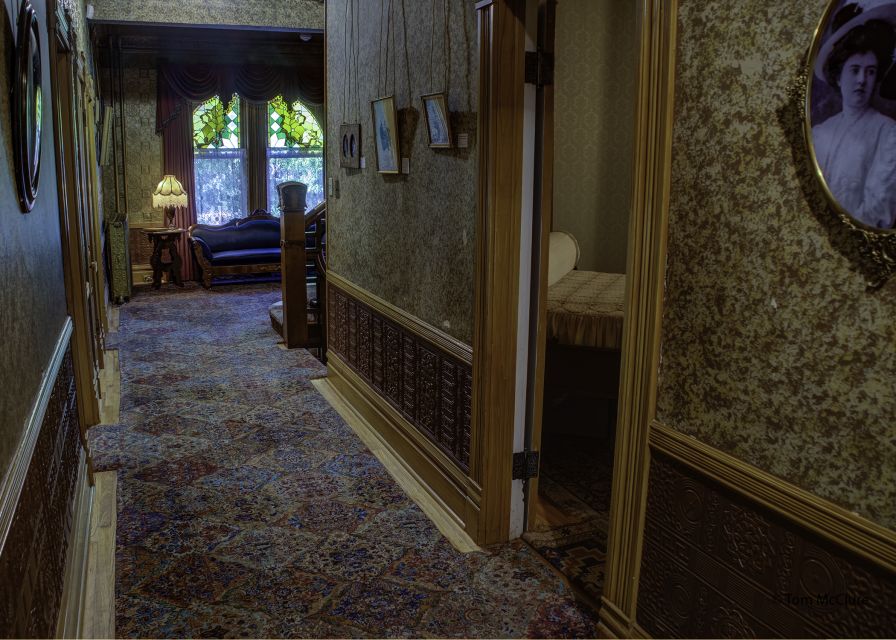
At $15 per person for about one hour, this isn’t a “big museum” stop. It’s a focused visit: you’re paying for entry to a preserved home and for interpretation that walks you through the story in a way that doesn’t require booking a separate guide.
The museum is smart about how it earns that value. You’re not just looking at rooms—you’re given tools to connect what you see (architecture, furnishings, artifacts) to who Molly was and why her life mattered. If you want Denver history that you can finish in a single clean time block, this fits.
And because it’s self-guided, you’re in charge of your attention span. Want the Titanic thread first? You can follow it. Want to start with the people and the home first? That works too.
Entering The House: Timing, What to Bring, and Where to Start

You’ll want to arrive 10–15 minutes early for your scheduled entry time. That early window matters because you’re stepping into a timed entry flow, and you’ll move faster if you’re not scrambling for the download, headphones, or the first room orientation.
Bring water and headphones. The self-guided tour includes audio, so headphones aren’t optional unless you enjoy missing parts of the story. Also plan for a “light load” visit: no food and drinks, and no luggage or large bags.
A small but useful point: the house is wheelchair accessible, and the on-site team will help you participate. If you’re coming with accessibility needs, it’s worth going in with realistic expectations about stairs being involved for some routes, even if the overall experience can be made comfortable.
Main-Floor Rooms: Historic Denver Details You Can Actually Read
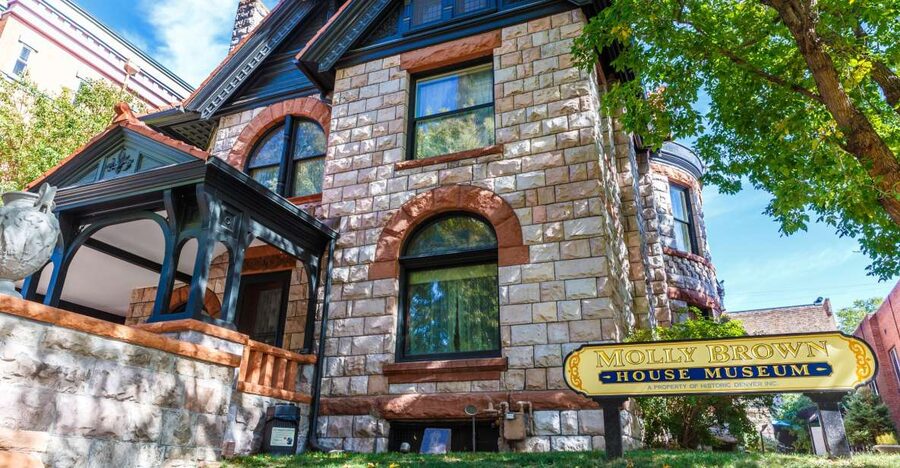
The Molly Brown House works because the building is doing real work. You’ll see late-1800s architecture and home details that feel more like a living place than a staged set, especially when the museum has it meticulously maintained.
Look closely at the craftsmanship. Multiple visitors highlight the woodwork and stained glass windows, which is exactly what you want from a house museum. These aren’t just pretty surfaces; they help you understand the Browns’ world and why Molly’s later work stood out so much.
In your first stretch, don’t rush. Treat this like walking through a well-labeled chapter book. The self-guided materials help you connect rooms to story beats, and taking an unhurried pace is the difference between reading facts and getting the “I get it now” feeling.
The Molly Brown Story: Titanic, Fundraising, and Real Activism
Molly Brown is often reduced to a headline. Here, the museum pushes you past that shortcut. The tour focuses on Margaret Tobin Brown—her life before and after the Titanic, and especially her drive in public life.
You’ll hear about her fundraising skills and her intense concern for people in need. That part matters because it shows why she wasn’t just “in the right place at the right time.” It’s about what she did afterward—how she used influence, energy, and persistence for others.
A recurring theme in the experience is myth-busting. The museum interpretation leans into who she truly was as a person, not just how popular culture paints her. If you’ve only seen her through the usual movies or nicknames, plan for a noticeable shift in perspective.
During the April 1–September 25 period, you’ll also see a special Titanic-focused presentation included in your ticket. That makes the self-guided tour feel timely, like there’s an extra layer of interpretation worth your attention.
The Mining Money Angle: Why This Home Looks the Way It Does
This is where the museum helps you understand the “why” behind the Brown family’s circumstances. The Browns’ wealth is tied to the mining history that helped make their fortune, and the tour uses that context to explain how a life like Molly’s could take shape.
When you connect wealth to industry like this, the story stops being abstract. You start thinking about timing, opportunity, and how industrial money can reshape a city’s social and charitable landscape.
If you’re the type who loves causes and consequences, this portion is a good match. It gives you a straightforward bridge between Denver’s growth, the mining era, and Molly’s later community involvement.
Stairs, Floors, and the Third-Floor Tea Room Twist
Here’s the practical reality: the house involves several staircases. Even if you’re comfortable on stairs, moving between floors slows you down—so budget your hour accordingly. A quick “power walk” can make the story feel choppy, and the museum is at its best when you can stay with each room for a minute.
Pay attention to what’s on each level. One visitor noted that the third floor is used as a meeting-room space rather than being set up as the original servant’s quarters. That means your experience of that floor may feel different than you might expect from a classic “life of the household” layout.
On that same third level, the museum sometimes hosts tea events, which can sell out. You don’t need to chase that for this self-guided entry, but it’s useful context: the space is active and programmed, not frozen in one moment.
As for special rooms like the ball room, access can vary depending on what’s open during your visit. If that’s a must-see for you, glance at what the museum has available once you arrive and follow the tour path based on current room access.
Getting Help Without a Tour Guide: Staff, Questions, and App Support
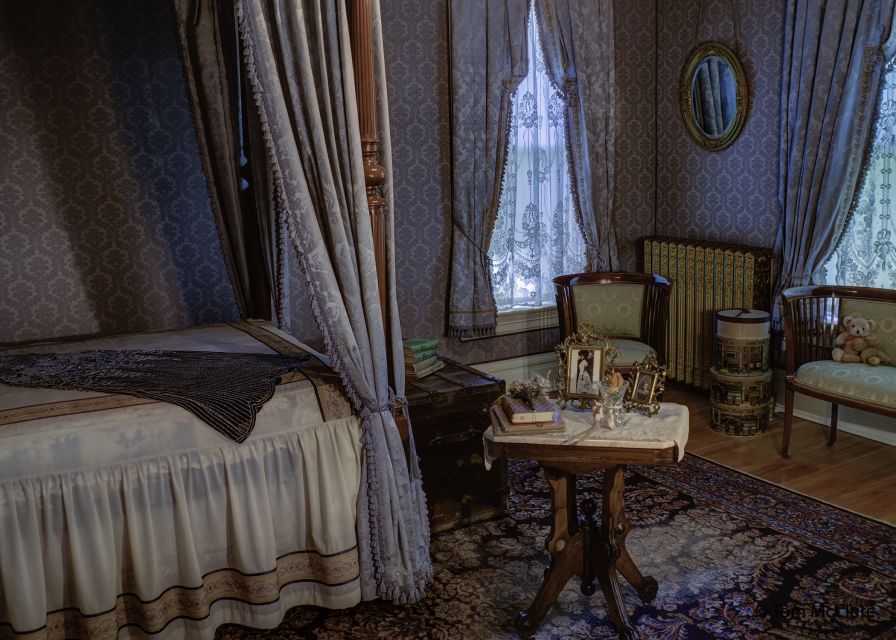
Even though it’s self-guided, you’re not walking in alone. The experience is designed so you have interpretation through the downloadable tour—and when you want a human answer, staff are available on site.
Some visitors also mention specific helpful staff members by name, like Maya and Alisa, who were friendly and offered answers while visitors moved room to room. That matters because a self-guided tour can be frustrating if you hit a question with no one to ask. Here, you have backup without losing your independent pace.
You’ll also see interpretation placed around the house—labels, artifact notes, and supporting media. Even if you don’t use every part of the download, those materials still help you keep your bearings and understand what you’re looking at as you go.
One nice bonus: staff can be surprisingly multilingual. At least one visitor was pleasantly surprised by greetings and conversation in languages like German, plus other European languages among team members. That’s not something you should count on every time, but it’s a sign the museum staff care about welcoming people.
Opening Hours That Actually Matter for Planning
This place isn’t open every day, so I’d check your calendar before you build the rest of your Denver day.
General opening times are Thursday through Sunday, 10 AM to 4 PM. In June, hours run Wednesday through Sunday, 10 AM to 4 PM. In July, hours run Tuesday through Sunday, 10 AM to 4 PM.
If you’re visiting Denver with a tight schedule, this is a strong mid-day activity. A one-hour self-guided visit means you can fit it between other plans without scrambling all day.
Parking is another detail to plan around. There are several options nearby, but you’ll want extra time because curb space and slowdowns happen in real cities.
Who This Self-Guided Tour Suits Best
This works best if you want history that’s direct and grounded in a real home. You don’t need a background in Titanic trivia or mining economics to enjoy it—your best guide is the tour’s audio and room notes.
I’d especially recommend it if:
- You like women’s empowerment stories tied to real action, not just slogans
- You want a house museum where the details help you understand the people
- You have limited time in Denver and want something that finishes cleanly in about an hour
It might feel less ideal if you strongly prefer a full guided lecture. A couple visitors noted they would have learned more if every tour included a guide. In other words: you’ll get a lot from the interpretation, but if you crave a back-and-forth conversation, you may find the self-guided format leaves questions only partially answered.
The Bottom Line: Should You Book It?
Book this if you want an hour in a restored historic home with a story that connects Titanic-era fame, Denver’s mining world, and Molly Brown’s post-Titanic activism. The self-guided tools do the heavy lifting, and the on-site staff presence helps you when you want clarification.
I’d pass or consider an alternative if you know you hate stairs, or if a self-guided format frustrates you. This museum gives you structure, but it’s still on you to slow down, read, listen, and move room to room.
If you’re booking a Denver day and want a meaningful stop that feels authentic without hijacking your schedule, this is a strong choice—especially during the April 1–September 25 Titanic-focused exhibit window, when your ticket includes that extra layer.
FAQ
How long is the Molly Brown House Museum self-guided visit?
It’s listed as about 1 hour, depending on your pace and how much time you spend reading and listening.
What does the ticket include?
Your ticket includes entry plus a downloadable self-guided tour with written text, audio, and images.
Do I need a tour guide?
No. This is a self-guided experience, and the tour provides the content through the downloadable guide. English-speaking staff are on hand for questions.
What should I bring?
Bring water and headphones, since the self-guided tour includes audio.
What items aren’t allowed?
Food and drinks aren’t allowed, and you can’t bring luggage or large bags.
Is the museum wheelchair accessible?
Yes. The experience is listed as wheelchair accessible.
What are the opening days and hours?
General hours are Thursday–Sunday, 10 AM–4 PM. Summer hours expand in June and July as listed on the activity page.
Is the Titanic heroine exhibit included?
Yes. A Titanic-themed exhibit is shown in the museum and included with your ticket during the April 1–September 25 period.