REVIEW · COLOGNE
Cologne: Ticket for the German Sport & Olympia Museum
Book on GetYourGuide →Operated by Deutsches Sport & Olympia Museum · Bookable on GetYourGuide
Sports history you can actually use. The German Sport & Olympia Museum in Cologne turns sport into an active day out, not a quiet gallery. I like the hands-on stations and the roof playgrounds, because you’re watching sport and doing sport in the same visit.
You’ll be based in a striking old customs hall from 1896, right beside the Rhine. Expect a full sweep of sport, from ancient Greece to modern times, with big interactive moments like the ZDF goal wall and a chance to bike in a wind tunnel. The museum covers about 2,700 square meters and uses around 2,000 objects plus lots of activity points to keep the energy up.
One consideration: this is a ticketed, self-paced experience, and there’s no guided tour included. If you want a tightly told storyline from start to finish, plan on reading the signs and shaping your own route.
In This Review
- Key things to know before you go
- Entering the 1896 customs hall on the Rhine
- How the museum frames sport: more than wins and trophies
- The hands-on core: goal wall, wind tunnel, and active stations
- Try the ZDF goal wall
- Bike in the wind tunnel
- Use the free rental sports equipment
- Roof playgrounds and Cologne views: where the day turns playful
- A smart way to plan a self-paced 1-day visit
- Price and value: is $12 a bargain or just a ticket?
- Who this museum fits best in Cologne
- FAQ
- FAQ
- Is a guided tour included with the ticket?
- How long is the ticket valid?
- What’s included with the museum entry?
- Are the museum activities suitable for children?
- What languages are supported?
- Is the museum wheelchair accessible?
- Can I get a reduced adult ticket through the online platform?
- Should you book this Cologne Sport & Olympia Museum ticket?
Key things to know before you go
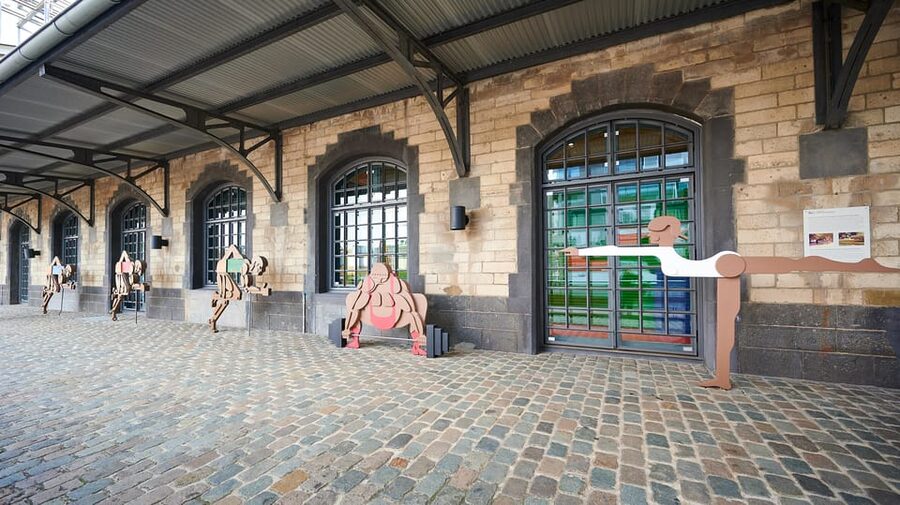
- ZDF goal wall: try your shot like a studio-style challenge
- Wind tunnel biking: feel how effort changes with air resistance
- Roofs with play areas: two high roof playgrounds plus great views
- Free sports equipment rental: you can borrow balls and gear for the active zones
- 2,000+ objects on sport’s journey: from ancient Greece to today in one place
- Small-group setup (up to 10): easier than a huge crowd, especially for families
Entering the 1896 customs hall on the Rhine
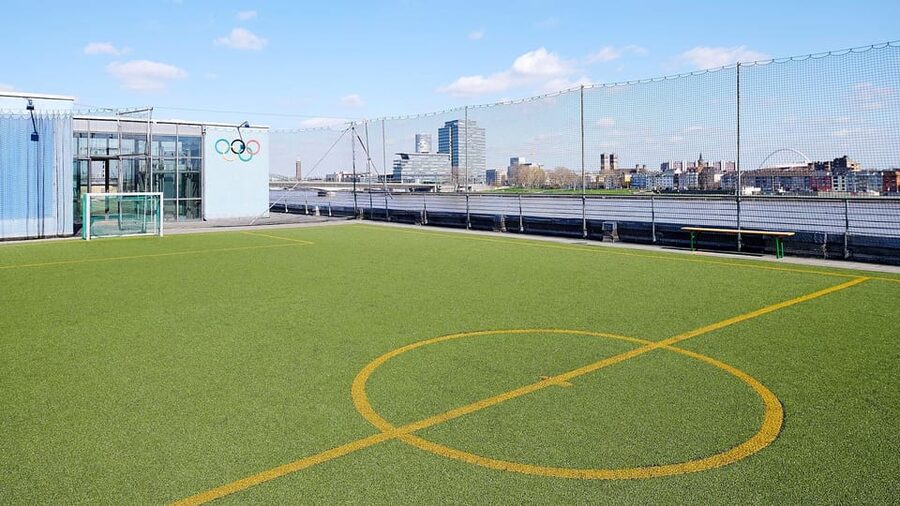
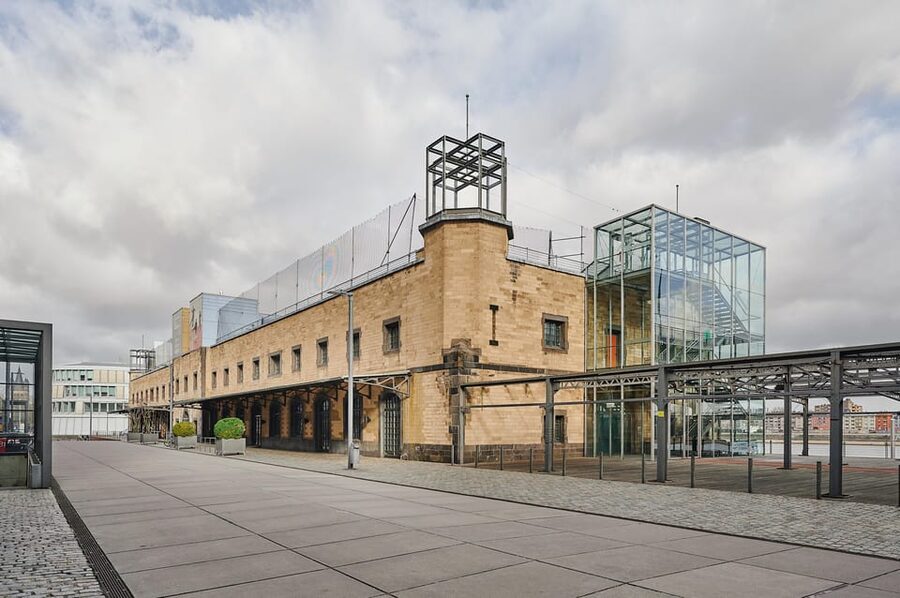
The German Sport & Olympia Museum sits right along the Rhine, in a classic old customs building dating back to 1896. That matters more than you’d think. You’re not in a white-box museum. You’re in a real historic space that already feels like a place where people arrive, trade, travel, and try things out.
Inside, the museum is laid out over about 2,700 square meters. So you get variety without feeling like you need a whole second day. And because it’s so close to the river, you’ll often feel like the visit has fresh air built into it, especially when you reach the higher areas and roof views.
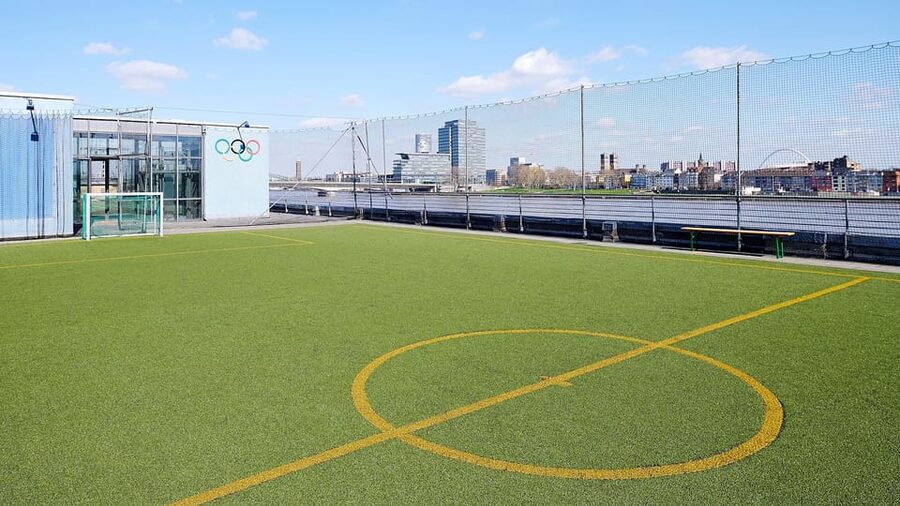
The roof is a big part of the appeal. The museum has two major roof playgrounds, described as among the highest and most beautiful play areas in the city. In practice, that means the fun shifts from indoors to a broader, sky-and-river kind of experience, which is exactly what helps kids (and grown-ups) reset between exhibit stops.
A few more Cologne tours and experiences worth a look

How the museum frames sport: more than wins and trophies
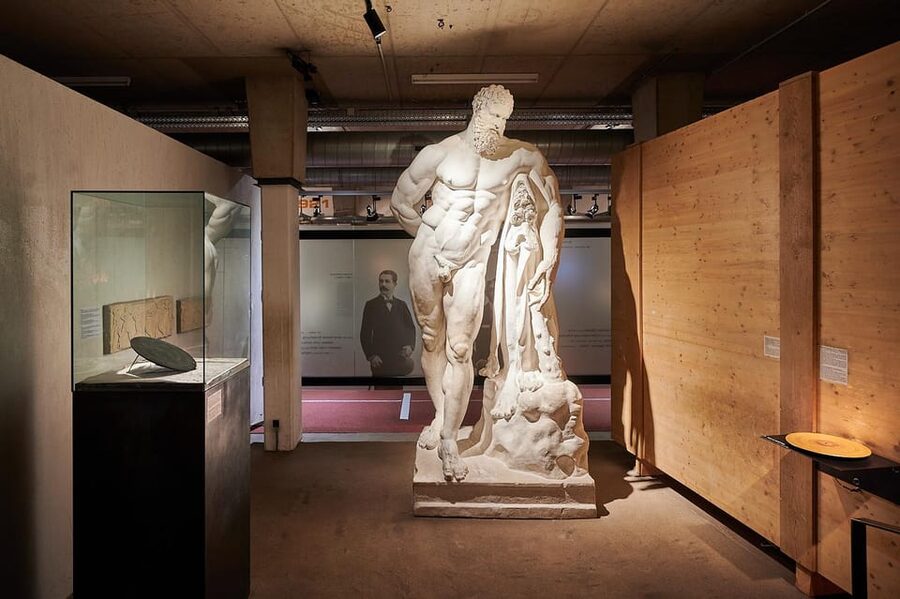
This museum doesn’t treat sport like a simple highlight reel. It presents sport as something social and political too, with winners and losers, plus the risks and side effects that come with competition. You’ll see sport’s story stretch from ancient Greece to the present day, which gives you a sense of where modern fandom, training, and even debate come from.
A big part of the value is the sheer amount of material. Around 2,000 selected objects and installations help show the many faces of sport, and you get a sense of how sport moves through culture over time. That’s helpful if you’re visiting with kids who need short, punchy moments. It’s also useful if you’re an adult who wants context, not just entertainment.
The museum is also built like an adventure museum for multiple ages. That means it’s not just about standing still and reading. You’ll find activity stations that invite you to experience the pleasure and challenge of exercise in a hands-on way. In other words, the museum tries to solve the classic problem: how do you keep a sport museum interesting after the novelty fades?
The hands-on core: goal wall, wind tunnel, and active stations
If you only care about one thing, make it the active zones. The museum includes interactive stations where you can test skills, move your body, and see sport from the inside rather than just the outside.
Try the ZDF goal wall
One of the standout interactive moments is the original goal wall from the ZDF studio. You’re not just looking at a prop or reading about it. You’re using it. That’s a smart museum choice, because a goal wall is basically sport language in physical form: target, timing, effort, and results.
Tip for families: keep it simple. Let the kids try a few rounds, then rotate. The point isn’t scoring a perfect match. The point is giving everyone a turn to feel what it’s like.
Bike in the wind tunnel
Another highlight is the chance to bike in a wind tunnel. This one is for people who like cause-and-effect. When you cycle into airflow, you learn quickly that effort isn’t just effort. It’s also physics. You’ll probably notice how your pace and breathing feel different once the air is working with you, not just around you.
It’s also a great adult-kid bridge. Kids enjoy the challenge. Adults often enjoy the science angle without needing technical explanations. You walk away understanding something practical: sport isn’t only talent. It’s conditions too.
Use the free rental sports equipment
A big practical win: the ticket includes free rental of sports equipment for dedicated activity areas. The museum lists examples like footballs and basketballs, and those are exactly the types of items families expect to be able to borrow easily.
This helps you travel lighter. You don’t need to pack balls or special gear. It also helps the museum feel more like a “do it here” place, not a “look at it there” place.
Possible drawback to keep in mind: interactive areas can get busy when more people are playing at once. If basketball space feels tight while a lot of kids are using the soccer area, plan for flexibility. Use what’s available first, then come back later for another try.
Roof playgrounds and Cologne views: where the day turns playful
The rooftop play areas are a major reason the museum works so well for families. After you’ve spent time learning through exhibits, you need a release valve. The roof playgrounds act like that.
You’ll have two rooftop play areas, described as the highest and most beautiful play options in the city. That elevation changes the feel immediately. You get a wider view, more space to move, and a break from the indoor crowd density that can build up on museum floors.
What I like about this design: it doesn’t treat play as a side activity. It places play at the end of the storyline—like a reward, but also like a continuation of what sport actually is. People don’t just watch sports. They imitate, train, and compete.
Practical tip: treat the roof like any active outdoor zone. Keep an eye on kids’ footwear and pacing. If you’re visiting with multiple age groups, agree on meeting points before you head up, because roof play can pull people in different directions.
A smart way to plan a self-paced 1-day visit
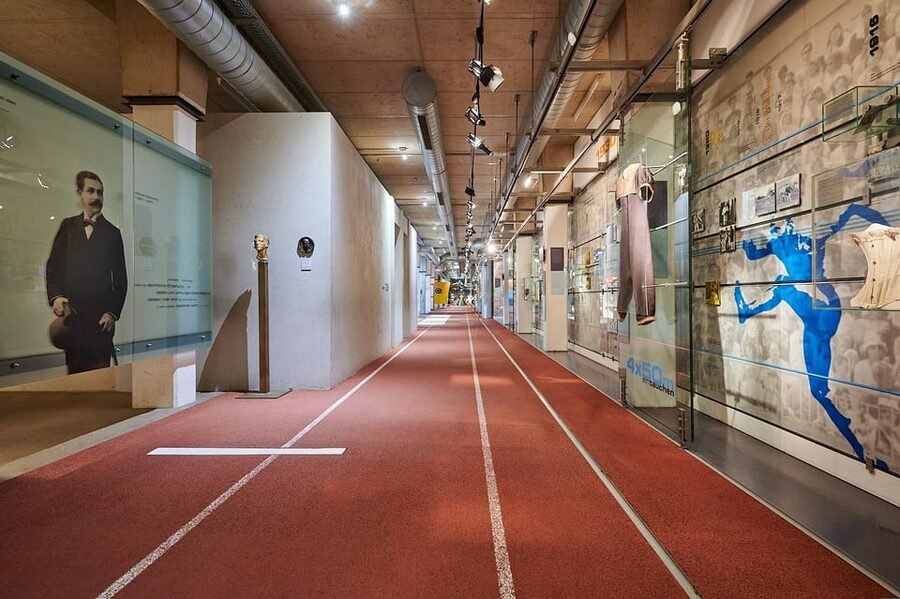
There’s no guided tour included with this ticket, so your experience depends on how you steer it. The good news is the museum structure supports short attention spans. Activity stations punctuate the exhibits, and you can build a day from your interests.
Here’s a route you can copy without overthinking it:
Start with movement in mind. Go toward the entry hall and active zones first so you get the “I can do this” feeling early. Then fit in a few exhibit stops in between the interactive moments, so you don’t wear out before the highlights.
Next, prioritize the big ticket interactions: the ZDF goal wall and the wind tunnel. These are the moments most people remember, and you don’t want to leave them until the end only to feel rushed.
After that, work your way through the sport-history exhibits at a pace that fits your group. If you’re with kids, pick sections that connect to what they just tried. If you’re visiting as an adult, let the story of sport’s evolution guide your choices: training, technology, public culture, and the social stakes of competition.
Finish at the roof playgrounds. Save the active, view-heavy fun for when everyone has enough energy left to enjoy it. It’s also a natural way to end on a high note, rather than closing the day still walking around exhibits.
One more practical note: languages are German and English, and the host or greeter is also listed for those languages. If you want help finding the next activity station, ask. In small-group settings (up to 10 people), you’ll usually have an easier time getting quick guidance than in a giant crowd.
Price and value: is $12 a bargain or just a ticket?
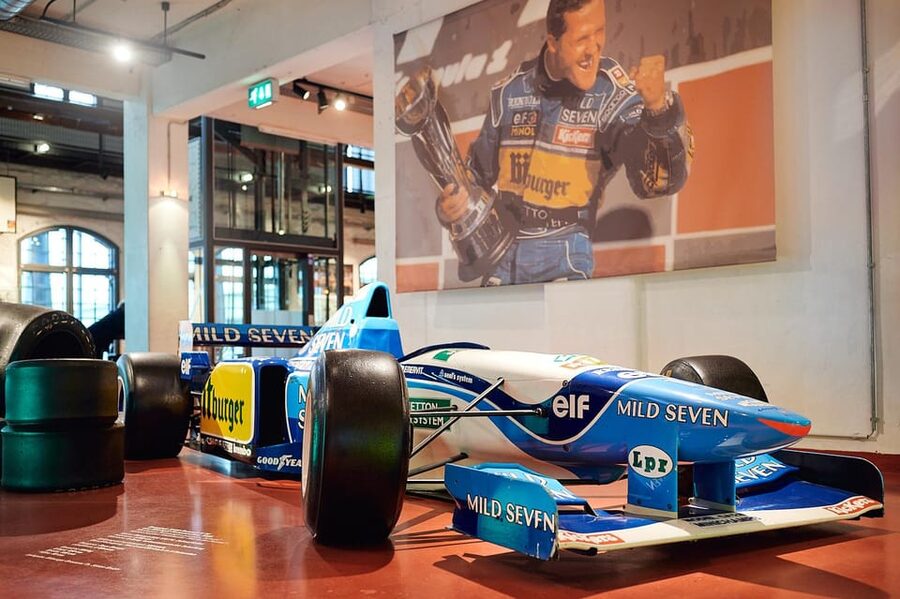
At about $12 per person, the value depends on what you want from a day out. This isn’t priced like a “quick stop” attraction. You’re buying access to a big space of about 2,700 square meters, with around 2,000 objects and plenty of interactive installations plus free equipment rental for the activity areas.
The included equipment is a hidden value driver. If you’ve ever been to places where you must bring your own sports gear (or pay extra once you’re inside), you’ll appreciate how this museum handles it. Being able to borrow items like balls makes the hands-on parts actually usable.
The self-guided format also affects value. Since there’s no guided tour included, you’re paying for access and experience rather than paying for a docent-led narration. For independent visitors, that can be a plus. For people who want someone to interpret everything for them, it’s the main reason you should plan extra time for reading signs.
Family ticket info is worth knowing too. Family tickets are only sold on-site, and a family option for two adults and two children costs 25 €. If your group matches that structure, it can be a strong deal. If you need a reduced adult price category, note the platform doesn’t offer reduced adult ticket options there; the data specifies that people with disabilities and holders of KölnPass should show legitimacy at the entrance.
Who this museum fits best in Cologne
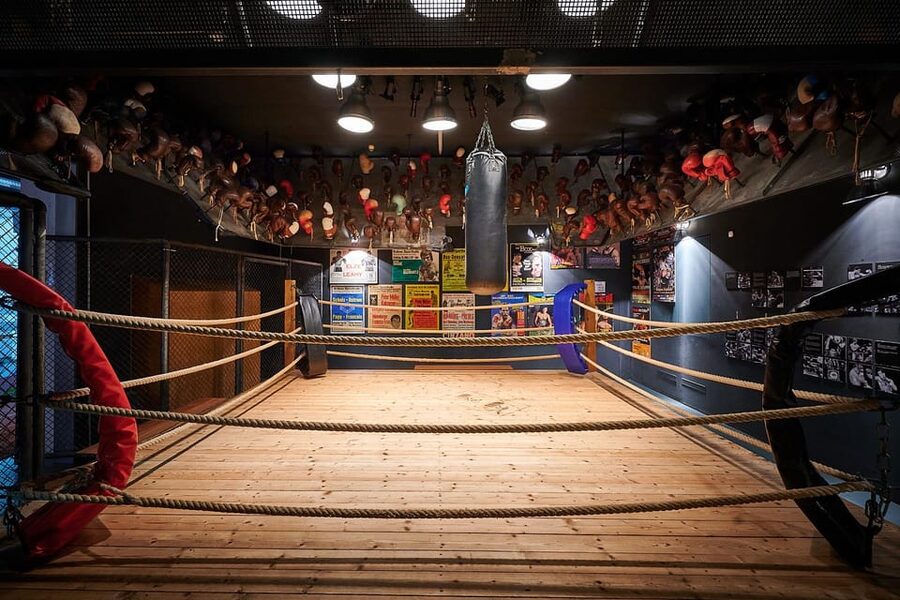
This ticket is ideal for families and mixed-age groups. The museum is designed as an adventure museum where movement is part of the concept, and that’s why kids usually find it more fun than a standard museum day.
Sports fans also get good value. Even if you don’t play a single sport seriously, the exhibits connect sport to society, risks, and real-world stakes. That angle keeps it from turning into a static wall of trophies.
It also fits solo visitors who like interactive learning. The museum includes many activity points, so you’re not stuck with only one type of engagement. Want a quick workout moment? You can find it. Want more narrative context? The museum’s object story supports that too.
If you’re a group planner, the small-group setup (limited to 10 participants) can make the experience feel calmer. It’s easier to keep track of kids, swap turns at stations, and avoid the chaos that can come with larger admissions.
FAQ
FAQ
Is a guided tour included with the ticket?
No. The ticket includes entry to the German Sport & Olympia Museum, but guided tour services are not included.
How long is the ticket valid?
The ticket is valid for 1 day.
What’s included with the museum entry?
Your ticket includes access to the German Sport & Olympia Museum and free rental of sports equipment for the dedicated activity areas (for example, balls for play in areas like the roof or entry hall).
Are the museum activities suitable for children?
Yes. The museum is designed as an adventure museum for families, and it includes activity stations plus roof playgrounds where children can play.
What languages are supported?
German and English are listed.
Is the museum wheelchair accessible?
Yes, wheelchair accessibility is included.
Can I get a reduced adult ticket through the online platform?
The data states that reduced adult price tickets are not available through the platform. It notes that people with disabilities and holders of KölnPass can show legitimacy at the entrance, and it suggests choosing Student with ID if you can show it.
Should you book this Cologne Sport & Olympia Museum ticket?
Book it if you want a sport museum that doesn’t stay on the sidelines. The combination of a Rhine-side historic setting, a long view of sport from ancient times to today, and hands-on highlights like the ZDF goal wall and wind tunnel biking makes it a strong day out for families and active visitors. At around $12 with free sports equipment rental, it’s also one of the better ways to turn a ticket into real movement.
Skip it only if you want a fully guided, narrative-led tour. Since there’s no guided tour included, you’ll enjoy this more if you’re comfortable exploring at your own pace and reading signs to connect the exhibits to the interactive parts.