REVIEW · COLOGNE
Cologne: Chocolate Museum Entrance Ticket
Book on GetYourGuide →Operated by Schokoladenmuseum Köln GmbH · Bookable on GetYourGuide
Chocolate has a whole museum here.
In Schokoladenmuseum Köln, I like the mix of deep cocoa history and real production watching, plus the constant smell of chocolate hanging in the air. You also get to enjoy the 3-meter-high chocolate fountain with tasting encouraged. One catch: the skip-the-line part can be more of a fast entry at the scan/ticket counter than a total zero-wait guarantee, especially on busier days.
Plan for a self-guided experience with plenty to read and enough samples that you may not need dessert later. Typical time runs about 1 to 1.5 hours, though you can easily stretch it closer to 2.5 if you linger over the displays and machines.
In This Review
- Key points before you go
- Entering Schokoladenmuseum Köln: the scan-and-go mindset
- The main story: 5,000 years of cocoa and chocolate
- Tropical house and cocoa facts: where the story starts to smell real
- Baroque porcelain and industrial machines: the museum’s smart contrast
- Inside the glass chocolate factory: watching production in motion
- Atelier + fountain tasting: the sweet finish that’s actually part of the route
- Cafe break in Cologne: plan for dessert after your chocolate education
- Shopping smart: the museum shop is a souvenir factory
- Timing tips for a 1-day visit that feels relaxed
- Is $19 good value for the Cologne Chocolate Museum ticket?
- Who this ticket is best for
- My take: should you book this ticket?
- FAQ
- How long does the Schokoladenmuseum Köln visit take?
- Is a guided tour included with the ticket?
- Where do I go when I arrive?
- Can I really skip the ticket line?
- What happens with the chocolate fountain?
- Is the museum wheelchair accessible?
- Are there age rules for children?
- When is the last entry and when do production areas close?
- Is the ticket refundable?
Key points before you go
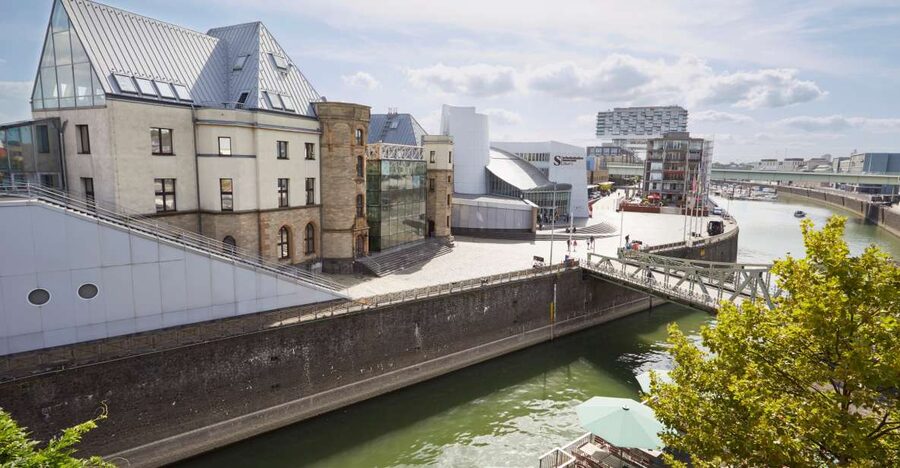
- 5,000 years of chocolate culture in a story told through both artifacts and how-chocolate-gets-made facts
- Glass factory viewing plus an atelier feel, so you see industrial production and small-batch handling
- Tasting is part of the route, including repeated chocolate samples and the big fountain
- Cocoa history you can touch: cocoa-focused info, pre-Columbian Central American context, and even a real cocoa tree in the mix
- A practical cafe stop inside for coffee, cake, and richer chocolate options once you’ve worked your way through
- Watch the closing timing: last entry is 1 hour before closing, and production facilities shut about 30 minutes earlier
Entering Schokoladenmuseum Köln: the scan-and-go mindset
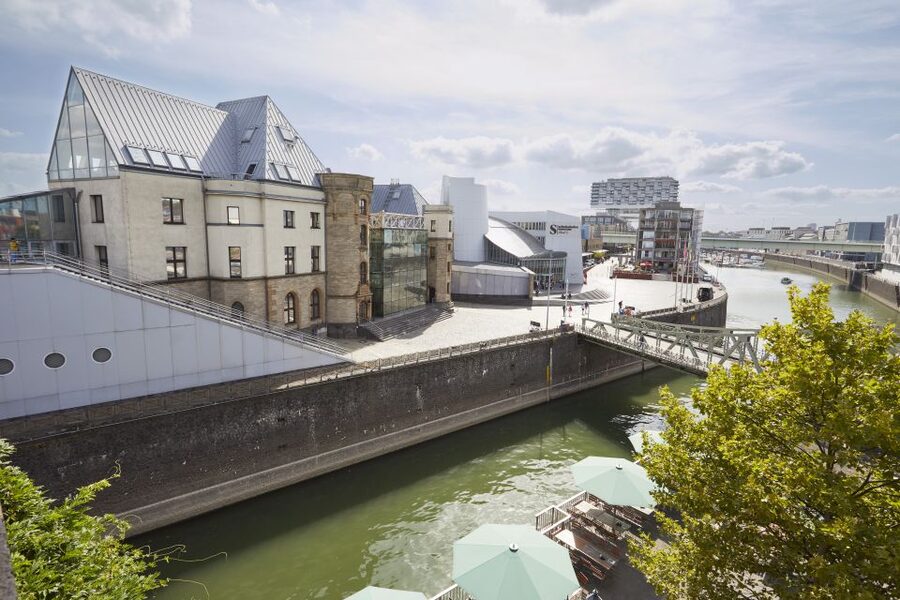
This is an easy-ticket museum day. Go straight to the museum entrance and scan your mobile ticket. There’s no big meeting ritual, no waiting for a guide to escort you into the building.
That said, I’d treat this as a “go early if you can” plan. Even with skip-the-line wording, on peak days you can still run into some waiting at the start—mainly around the entrance flow and ticket counter area. Your best move is arriving close to opening, then you can take your time instead of speed-reading the exhibit labels before the crowd swells.
Also note a small practical thing: sometimes the meeting-point note looks like it’s outside on maps. At the museum, it’s straightforward once you’re there—aim for the actual entrance and you’ll be fine.
The main story: 5,000 years of cocoa and chocolate
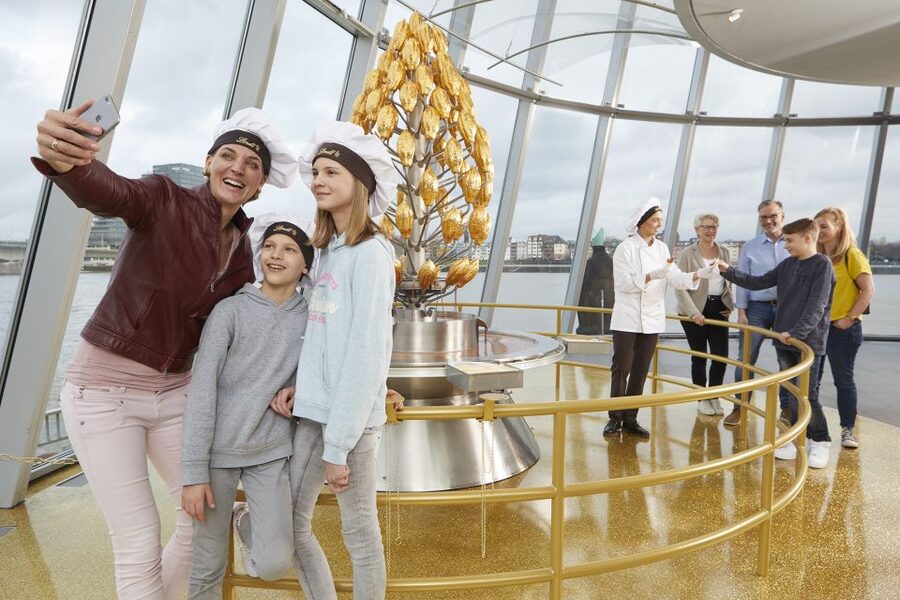
The museum experience is built like a timeline, but it’s not just dates in a line. You move through cocoa and chocolate culture across centuries, starting with early Central American roots and then tracking chocolate’s later global journey.
What I like here is that you get context without it feeling like homework. You’ll see materials and explanations tied to trade and cultural use, not just how a factory turns ingredients into bars. If you like food history, this place gives you the “why” behind chocolate, not only the “how.”
Expect to spend most of your visit walking, reading, and stopping at the points where the museum switches from history to production. Reviews commonly place the walkthrough around 1 to 1.5 hours, but if you pause for each section, it can creep past 2 hours without you noticing.
Tropical house and cocoa facts: where the story starts to smell real
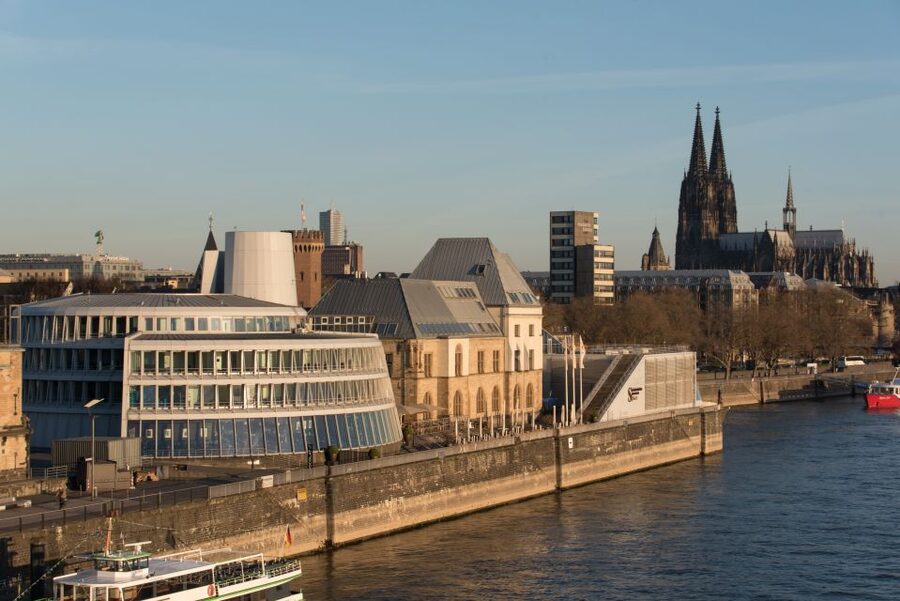
Early on, you’re greeted by a walk-in tropical house feel. It’s not just a gimmick. You get cocoa-related natural history information, and it helps chocolate go from an idea to something physical.
You may also see a real cocoa tree element and cocoa-focused displays in this area. The aroma of cocoa tends to make the whole museum feel “alive,” and it’s one of those details you remember later when you’re back in Cologne eating something that isn’t chocolate-themed.
If you’re traveling with kids, this part usually works well because it’s visually active and not just text. If you’re traveling as adults, it’s still a good warm-up before the more technical factory sections.
Baroque porcelain and industrial machines: the museum’s smart contrast
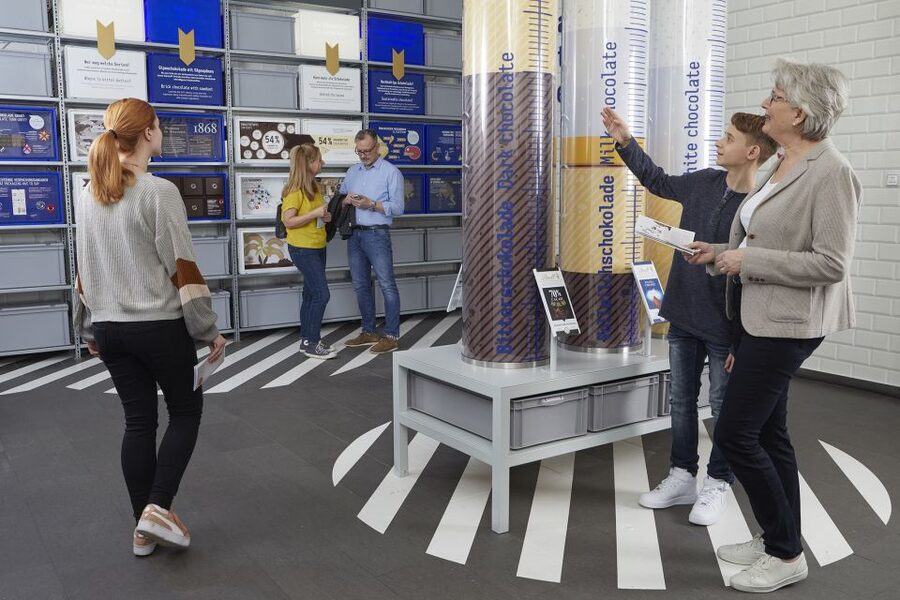
One reason this museum keeps attention is the contrast. After the cocoa story, you get older collections—specifically an important Baroque porcelain and silver collection—alongside information tied to chocolate’s industrial era.
Then come the machines. You’ll see old equipment connected to industrialisation, and later, you’ll move into the glass factory view where modern production is on display. This “then and now” layout is one of the strongest ways the museum teaches you. You can watch the leap from craftsmanship and objects made for display, to large-scale processing and production lines.
One practical heads-up: if your feet get tired, plan brief breaks. The museum is spread enough that you may want water on hand, especially if you’re visiting on a warm day. There’s a cafe inside, but you’ll appreciate cooling down once you reach the later sections.
Inside the glass chocolate factory: watching production in motion
This is a big draw. The museum has a glass chocolate factory, a space where you can see chocolate production steps happening in real time.
From the information you’ll read, you can connect the dots between cocoa raw material and the finished product. You’ll also see how mass production differs from hand work, which matters because a chocolate museum shouldn’t only show finished candy. Here, you’re meant to understand the process.
A common highlight is simply watching the machines operate. The whole setup makes the industrial side feel less abstract, like you’re standing close to the real work rather than behind a glass panel with no movement.
Atelier + fountain tasting: the sweet finish that’s actually part of the route
Near the production sections, the experience shifts again into a more hands-on feel through an atelier area. You’ll see how products can be made both industrially and individually by hand.
Then you get to the star moment: a 3-meter-high chocolate fountain where about 200 kg of chocolate is kept bubbling for tasting. This isn’t a “look, but don’t touch” situation. Tasting is explicitly encouraged, and the museum keeps it as a built-in stop, not something you have to hunt down.
If you’re worried about finishing with too much chocolate, don’t. You’ll likely already have had multiple samples along the way (many visitors report around six pieces of chocolate tasting during the museum route). The museum does a good job spreading the tasting out so you’re not slammed all at once.
One more consideration: chocolate variety might not mean you’ll get to try every possible flavor. Some people want more samples, so keep your expectations realistic. Think of it as frequent tastes, not unlimited freebies.
Cafe break in Cologne: plan for dessert after your chocolate education
After you’ve walked through the exhibits, the cafe is a logical reset. It’s inside, so you don’t lose time heading anywhere else.
In practice, this is where I’d spend money if you’re going to spend money at all. Reviews highlight that the cafe feels reasonably priced and that it offers real chocolate comfort-food options, not just coffee and a sad pastry. People talk about things like fondue-style chocolate treats and cake that’s a clear upgrade from a quick snack.
It’s also a good time to recover from any “museum reading fatigue.” You can sit, cool down, and let your brain digest what you just learned about cocoa and production.
If you’re traveling with teenagers or kids, the cafe often becomes the bonding point. You can let them pick something sweet after they’ve done the serious-looking factory viewing.
Shopping smart: the museum shop is a souvenir factory
There’s a shop at the end, and it’s exactly what you’d expect: lots of chocolate options for gifts and take-home treats. The nice part is that shopping here feels connected to what you learned inside.
The slightly annoying part is price comparison. One review notes that chocolates in the Lindt shop can look more expensive than at home. That doesn’t mean it’s overpriced, but it does mean you should compare if you’re price-sensitive. If you’re buying for gifts anyway, consider whether you want to splurge on a few standout items instead of filling a bag.
If you’re short on time, shop last. Going earlier can make you hungry and slow you down before you reach the production viewing and fountain.
Timing tips for a 1-day visit that feels relaxed
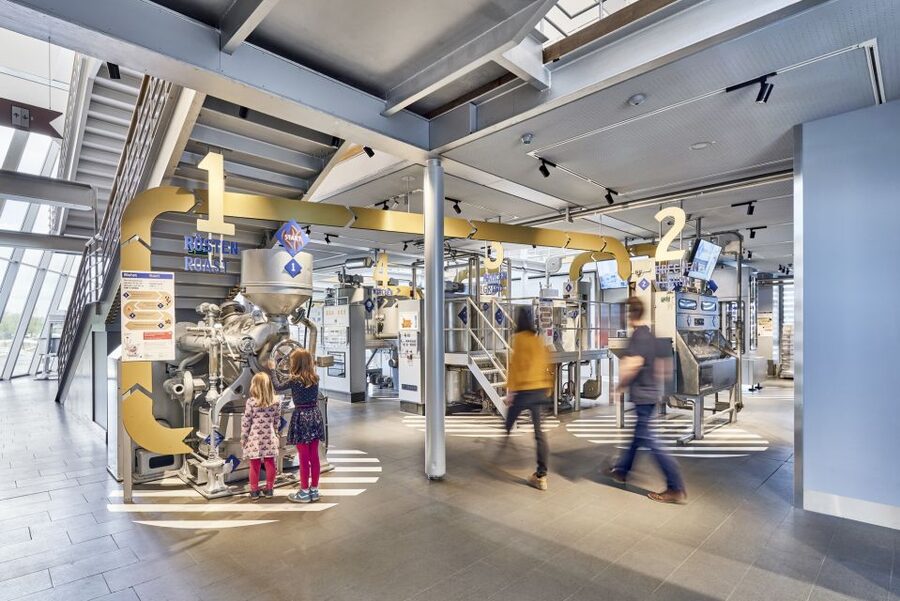
You only need one day, but you do need a little planning. Typical walkthrough time is about 1 to 1.5 hours, yet it can stretch to 2+ hours if you read a lot, stop at the machines repeatedly, or linger near the tasting points.
Here’s a simple rhythm that works:
- Start with the cocoa and history sections so you understand the “why”
- Move to the factory viewing once the story is set in your mind
- Finish with tasting and the fountain, then go to the cafe and shop
Also keep closing timing in mind. Last entry is one hour before closing, and the production facilities close about 30 minutes before the museum closing time. If you show up late, you might still walk the history exhibits but miss some of the factory action. That’s the part people usually want most.
If you can, go early. One review specifically suggests visiting around opening time helps avoid the bigger rush that can arrive after.
Is $19 good value for the Cologne Chocolate Museum ticket?
For $19 per person, you’re getting an entrance ticket plus an information booklet. You’re not getting a formal guided tour included with the ticket, and you’ll do most of this on your own at your pace.
So why does it feel like good value? Because you’re not just buying “a room full of chocolate.” You’re paying for:
- a guided-by-exhibits route through 5,000 years of cocoa/chocolate culture
- live viewing of production steps in a glass factory
- frequent tasting moments and a major fountain stop
- a cafe inside, so you can turn it into a full outing rather than a quick stop
If you love food history or you want a fun, rainy-day (or hot-day) plan, this ticket tends to pay off. If you only want a quick chocolate fix and hate reading, you might feel it’s too much museum for the time.
A quick family fit note: children under 12 must be accompanied by a paying adult. That’s easy to plan around, but it does matter if you’re hoping to send kids off with another group.
Who this ticket is best for
This is one of those Cologne experiences that works across age levels.
I’d book it if you:
- like chocolate but also enjoy how food is made
- want an activity that doesn’t depend on weather
- travel as a family and need something that keeps attention
- enjoy museums that mix history with real-world production
I wouldn’t make it your only plan if you’re allergic to sugar and don’t want to deal with any tasting. Also, if you need a lot of restroom availability, plan for limited capacity. One review called out that toilets can be limited.
My take: should you book this ticket?
Yes, book it if you want a high-value, one-stop Cologne attraction that teaches you something while keeping the experience playful. At $19, you’re paying for a full route with factory viewing and repeated chocolate tasting, plus the option to extend the day with the cafe and shop.
If you’re the type who rushes through museums, go early anyway and focus on the production sections. If you’re the type who reads everything, give yourself extra time so the history and machines land properly.
FAQ
How long does the Schokoladenmuseum Köln visit take?
Most people go through in about 1 to 1.5 hours, but you can easily spend longer if you pause to read and watch the machines. Plan for a couple of hours if you want a slower pace.
Is a guided tour included with the ticket?
No. The ticket includes museum entry and an information booklet, but it does not include a guided tour.
Where do I go when I arrive?
Go directly to the entrance of the museum and scan your mobile ticket.
Can I really skip the ticket line?
The ticket is described as a way to skip the ticket line, but in practice you may still encounter some waiting around the entrance flow or ticket counter on busier days. Scanning at the entrance still helps.
What happens with the chocolate fountain?
The museum includes a 3-meter-high chocolate fountain that keeps chocolate bubbling for tasting. Tasting is encouraged as part of the experience.
Is the museum wheelchair accessible?
Yes, it is wheelchair accessible.
Are there age rules for children?
Yes. Children under 12 must be accompanied by a paying adult.
When is the last entry and when do production areas close?
Last entry is one hour before closing. The production facilities close about 30 minutes before the museum closing time.
Is the ticket refundable?
Yes. There is free cancellation up to 24 hours in advance for a full refund.