REVIEW · LONDON
London: Household Cavalry Museum Entry Ticket
Book on GetYourGuide →Operated by Household Cavalry Museum · Bookable on GetYourGuide
Horses and history sit side by side. I love the glazed-stall view into the 18th-century stable work, and the rare artifacts tied to troopers’ firsthand training stories. One drawback: it’s a compact, self-paced visit, so don’t expect a long, guided day.
This museum lives inside the Horse Guards complex in central Whitehall, right where the Household Cavalry still operates. You’ll spend your time moving between museum galleries and peering through that big glass partition into the original stables—an easy way to see what’s ceremonial and what’s genuinely work.
In This Review
- Key highlights I think you’ll care about
- Entering the Horse Guards in Whitehall (and what that means)
- The glazed partition to the 18th-century stables
- Museum galleries: rare objects plus trooper training stories
- House Guards history and the Household Division’s role
- How long you’ll need (and why 60 minutes is a real sweet spot)
- Price and value: around $14 for a compact, high-impact visit
- What to watch out for (so you don’t get disappointed)
- Is it worth it for kids, families, and first-timers?
- Who should book this Household Cavalry Museum ticket
- Should you book the Household Cavalry Museum ticket?
- FAQ
- What is included with the Household Cavalry Museum ticket?
- Where do I meet for this experience?
- How much time should I allow?
- Is there a specific time slot for entry?
- Is a tour guide included?
- Is the museum wheelchair accessible?
- Are pets allowed?
- What will I see during the visit?
- Who are the Household Cavalry’s senior regiments mentioned here?
- What is the cancellation policy?
Key highlights I think you’ll care about
- 18th-century stables you can actually see, not just read about
- A living rhythm of the Household Cavalry, with troopers and horses on site
- Personal trooper accounts that explain training as something demanding and real
- Interactive displays that help the building’s story click into place
- Rare objects presented in a way that feels like more than a quick museum stop
Entering the Horse Guards in Whitehall (and what that means)
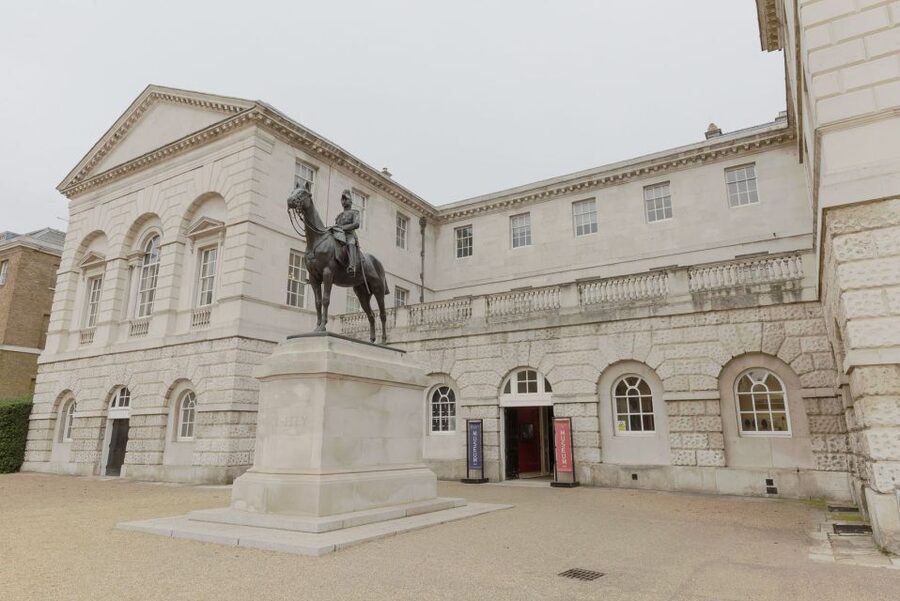
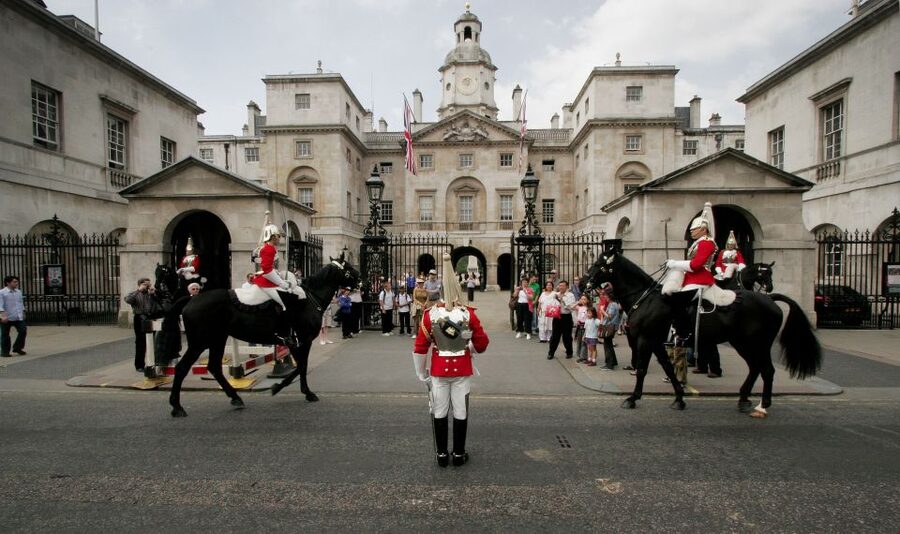
You’re not visiting some separate building that happens to look historic. The Household Cavalry Museum is set inside the Horse Guards at Whitehall, and the site still functions as the headquarters for the Household Division. That matters because the museum isn’t floating in the past. It’s built around ongoing duty, where horses, routine, and tradition still overlap.
The museum is also anchored by a building that dates back to 1750. When you’re standing in that setting, you start to understand why people romanticize military heritage here—because the walls are part of the story, not just decoration.
In practical terms, you should plan to keep things simple: meet directly at the Household Cavalry Museum and expect a visit that works best when you give it your full attention for about an hour.
A few more London tours and experiences worth a look



The glazed partition to the 18th-century stables
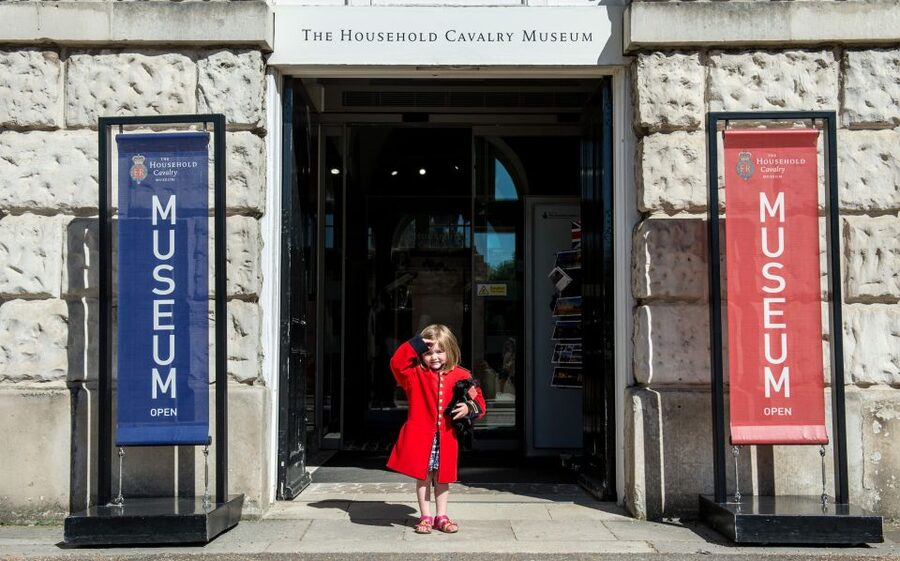
This is the moment that makes the ticket feel special. Through a large glazed partition, you can look into the original 18th-century stables to see working troopers and horses. It’s one thing to see horses in photos. It’s another to watch them as living animals tied to daily routines.
I like that the stables view isn’t treated as a side attraction. It’s a core feature, which means your visit is shaped around observing activity in a real working environment. If you’re a horse person, you’ll likely spend extra time here, because it’s the closest thing to a behind-the-scenes look that still feels respectful of the operation.
Also, because you’re seeing the stables from inside the museum, you can do this without committing to a long outside walk or hunting for viewpoints. It’s built for people who want the look and the context in the same stop.
Museum galleries: rare objects plus trooper training stories
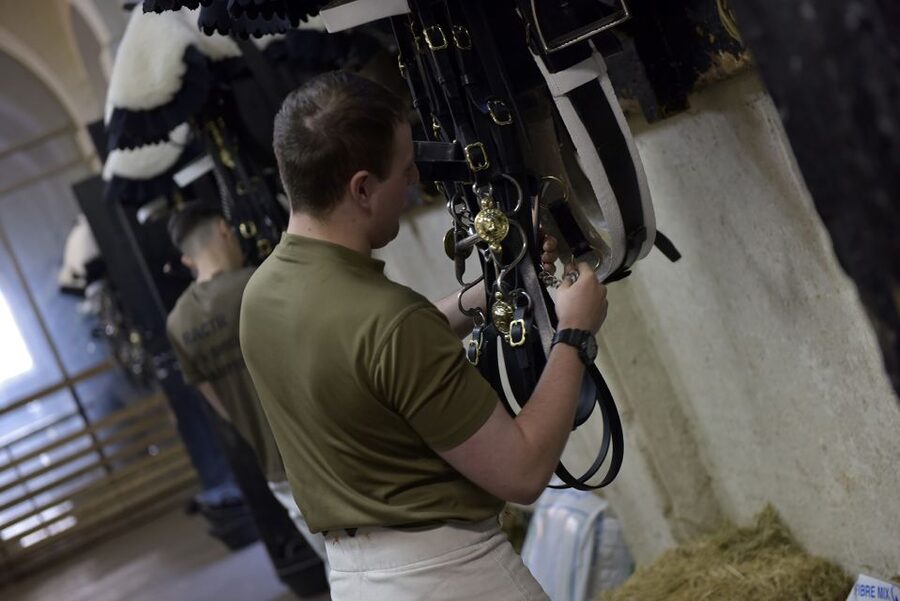
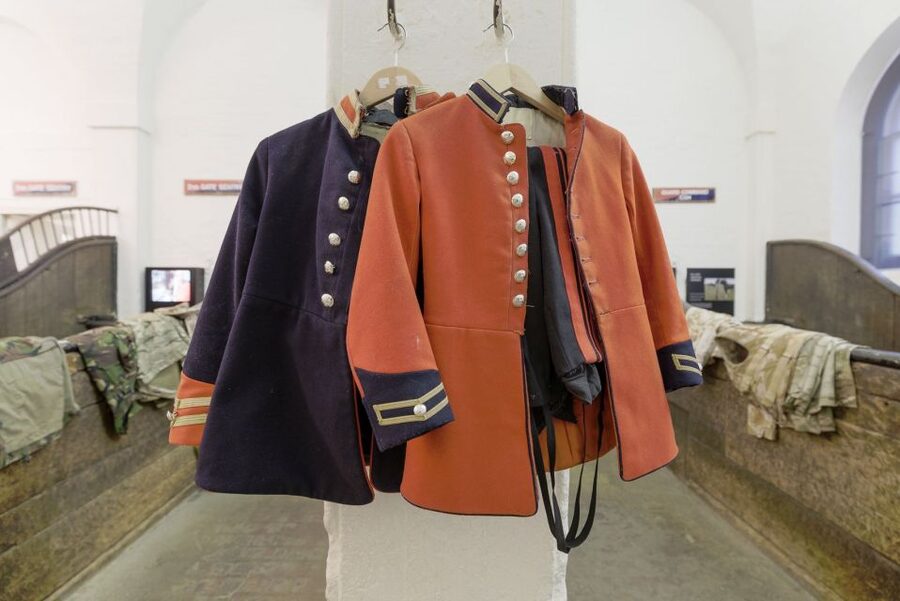
Once you step into the museum galleries, the focus shifts from what’s outside the glass to what the artifacts and displays explain. You’ll see historic objects—many of them described as rare and, for some items, presented on public display for the first time. That gives the collection a sense of freshness, even if you’ve visited other military-themed museums before.
What I find most useful here is the way the museum connects objects to people. The exhibits include personal accounts of troopers and explain their training in a detailed, demanding way. Instead of making the Household Cavalry sound like pure pageantry, the story keeps returning to discipline, preparation, and the effort required to do the job well.
You’ll also run into interactive displays designed to help you follow the building’s story and the units’ role over time. If you learn best by clicking through information and moving at your own pace, this setup works.
House Guards history and the Household Division’s role
This museum isn’t just about horses. It’s also about the institution behind them: the Household Division and its senior regiments.
You’ll learn about the House Guards and the British Army more broadly, then zoom in on the two senior regiments of the Household Division: the Life Guards and the Blues and Royals. That distinction is important because it gives your visit structure. You’re not just looking at “the cavalry.” You’re seeing how different parts of the Household Cavalry fit into the wider system of British Army tradition.
The museum also ties the site to a long timeline, saying the Household Cavalry has performed the Queen’s Life Guard for over 350 years. Even if you’re not a deep expert on royal ceremonial duty, that kind of time anchor helps you place what you’re seeing in context.
And since the Horse Guards building is still the headquarters of the Household Division, the museum’s historical storytelling lands differently. The past isn’t presented as an isolated exhibit case; it’s part of a living institution with a continuing function.
How long you’ll need (and why 60 minutes is a real sweet spot)
The guidance is to allow at least 60 minutes for your visit, and that’s a good target for most people. A full hour gives you time to do the essentials: museum galleries, interactive displays, and the stables viewpoint through the glazed partition.
Here’s the key: this is not a giant museum campus. It’s a focused visit. So if you’re someone who tends to get pulled into side rooms, pause to read every label, and watch the stables for longer stretches, plan closer to 75 minutes.
If you’re short on time, you can still do well by following a simple order:
- Start with the stables view so the working horses and troopers set the tone.
- Then move through galleries while the training stories make sense in your head.
- Finish with the objects and regimental details when you want to solidify what you learned.
You can also read our reviews of more museum experiences in London



Price and value: around $14 for a compact, high-impact visit
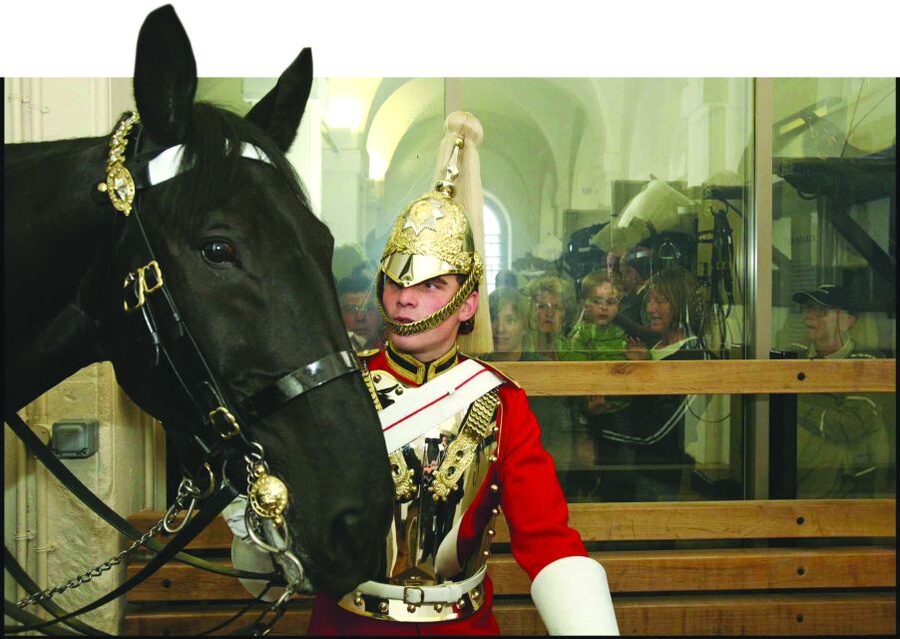
At about $14 per person, the price is easy to justify if you’re drawn to British military history or you want a tangible connection to living equestrian tradition. You’re paying for access to a specific, limited-exposure experience: seeing the stables through that partition and getting trooper-focused storytelling inside the Horse Guards complex.
The value sweet spot depends on your expectations:
- If you want a quick, high-quality museum stop with a clear centerpiece, it’s good value.
- If you’re expecting a large, multi-building museum day filled with hours of wandering, you may feel the visit is too short.
One review-lone drawback shows up in the form of size: some people have felt it’s too small for what they expected. That doesn’t mean it’s not worthwhile. It just means you should match your timing and curiosity to a compact format.
What to watch out for (so you don’t get disappointed)
A few practical points can affect your experience:
First, this visit is self-paced and doesn’t include a tour guide with the ticket. The museum uses displays and personal accounts, but you shouldn’t plan on someone walking you through everything.
Second, there isn’t an audio guide mentioned as part of the experience. If you’re the type who relies on audio headsets to keep track of details, you’ll want to be comfortable reading and listening to what’s presented in the galleries.
Third, plan to visit expecting a small museum footprint. That can be a positive—if you like focused stops with minimal time wasted. It can feel limiting if your ideal museum day is sprawling and slow.
Is it worth it for kids, families, and first-timers?
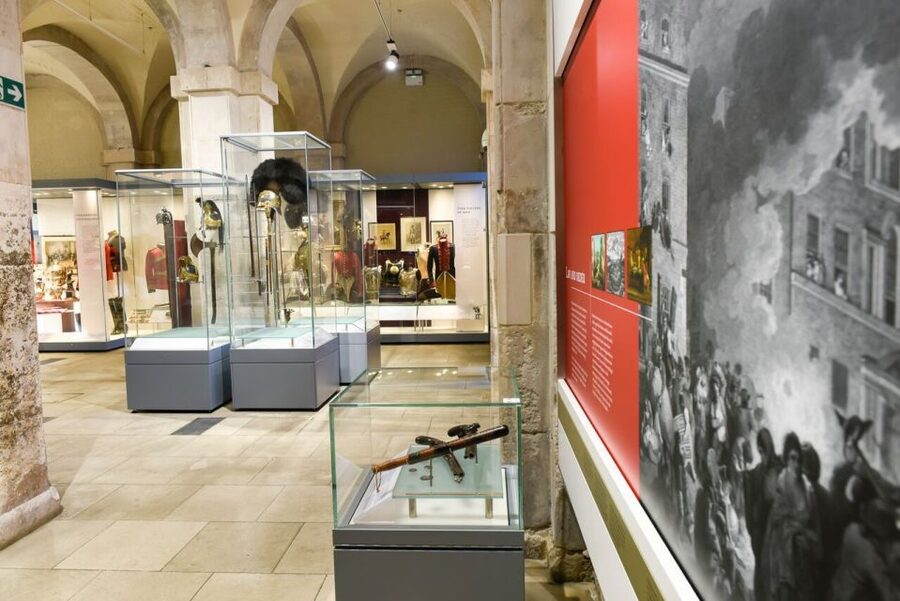
It’s a solid pick for families and kids who like animals and hands-on explanation. The stables view does a lot of heavy lifting visually, and the interactive displays give you a reason to stay engaged.
If your kids are the type who lose interest in long text labels, the balance here is helpful: horses and action come first visually, while training stories provide the context without requiring an extended academic lecture.
For older kids and teens, the trooper training angle tends to land well because it frames the Household Cavalry as skilled work, not just uniformed spectacle.
Who should book this Household Cavalry Museum ticket
You should book if you want:
- A central London museum stop with a very specific centerpiece: the working stables view
- British military history that’s explained through people and training, not only battles and dates
- A high-value experience that fits into a busy sightseeing day
- Something kid-friendly that still feels authentic
You might skip or reconsider if you:
- Need a long, multi-hour guided tour structure
- Are expecting a big museum sprawling across multiple galleries
- Depend on audio guides to process information
Should you book the Household Cavalry Museum ticket?
Yes, book it if you’re planning to be in central London and you want a focused stop that mixes horses, artifacts, and trooper training stories in a real working site. At around $14, it’s priced like a museum experience that expects you to spend about an hour and leave satisfied, not overwhelmed.
If you’re picky about museum size or you strongly prefer guided interpretation, then do your homework on expectations and give yourself enough time to see the key areas. For the right match—military history curiosity, animal lovers, and anyone who likes seeing heritage in motion—this is a very worthwhile entry ticket.
FAQ
What is included with the Household Cavalry Museum ticket?
The ticket includes entry to the Household Cavalry Museum.
Where do I meet for this experience?
Meet directly at the Household Cavalry Museum.
How much time should I allow?
Plan for at least 60 minutes for your visit.
Is there a specific time slot for entry?
No specific time slot is required. Entry is available freely during the day of validity.
Is a tour guide included?
No tour guide is included.
Is the museum wheelchair accessible?
Yes, the experience is wheelchair accessible.
Are pets allowed?
Pets are not allowed, but assistance dogs are allowed.
What will I see during the visit?
You’ll see the museum collection and displays, plus a view into the 18th-century stables through a large glazed partition to watch working troopers and horses.
Who are the Household Cavalry’s senior regiments mentioned here?
The Life Guards and the Blues and Royals.
What is the cancellation policy?
You can cancel up to 24 hours in advance for a full refund.