REVIEW · LONDON
London: Tour of the British Museum
Book on GetYourGuide →Operated by Paseando por Europa · Bookable on GetYourGuide
Global history fits in two hours. This British Museum tour is a smart way to cut through the size of the museum and still feel like you saw the world, from early civilizations to famous fragments you’ve probably heard about. I like the clear route and pacing, and I like how the guide turns big artifacts into human stories you can actually remember later.
One catch: the meeting point is a quick scavenger hunt. If you hate entrance queues or aren’t great at finding small signs, arrive early and give yourself time after security to spot the blue-green Paseando por Europa flag.
In This Review
- Key Things You’ll Notice Right Away
- Meeting at Great Russell Street: Get Oriented Before the Crowds Hit
- The Building Itself: A Classical Greece Mood Setter
- Hall of Enlightenment: King George III’s Books and the Oldest Stops
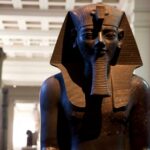
- Ancient Egypt: Funerary Rites, Not Just Pretty Artifacts
- Assyria and the Parthenon Fragment: Power in Stone
- Aztec Pieces and Easter Island’s Hoa Hakananai’a
- Why 2 Hours Works: You Don’t Beat the Museum, You Beat the Confusion
- Price Value: $14 for a Guided Route Through Global Highlights
- Who Should Book This Tour (and Who Might Not)
- Should You Book This British Museum Tour?
- FAQ
- How long is the British Museum tour?
- What is the meeting point?
- What languages are the guides?
- Is the tour wheelchair accessible?
- Is food or drinks included?
- What rules should I know about bags or pets?
Key Things You’ll Notice Right Away
- A focused world-history walk instead of trying to brute-force the museum map
- Hall of Enlightenment first with the oldest hall and King George III’s massive book collection
- Ancient Egypt that makes sense fast, including Egyptian funerary rites and their purpose
- Assyria plus a Parthenon fragment, both explained with context you won’t get wandering
- Hoa Hakananai’a (Easter Island) over 2 meters tall, then Aztec pieces to keep the momentum going
- Official guide, English or Spanish, with time to ask questions as you go
Meeting at Great Russell Street: Get Oriented Before the Crowds Hit
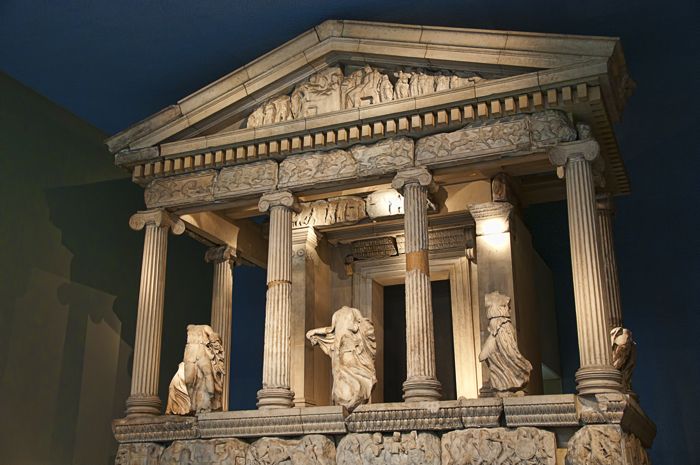
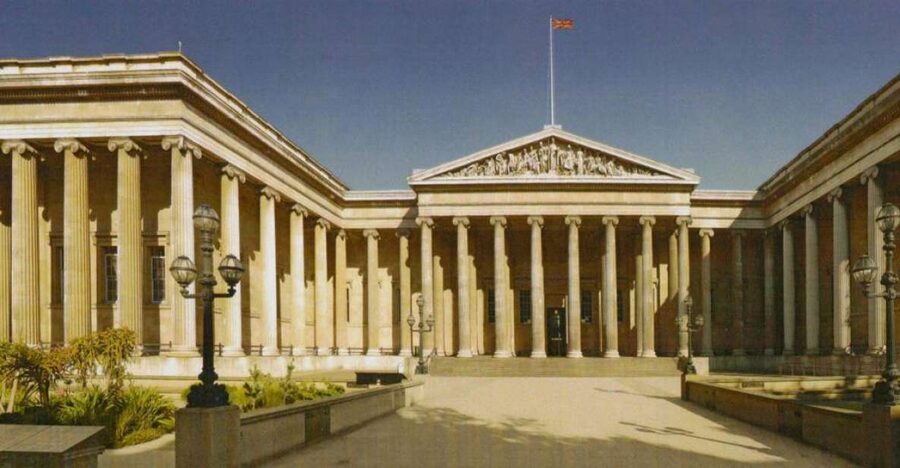
You’ll start just outside the museum at the stairs to the main entrance on Great Russell Street, in front of Starbucks. Your meeting point is after the security checkpoint, so plan to be there with a little buffer. The museum is free, which is great for your wallet, but it also means lines can get long fast.
Your job is simple: show your printed confirmation email or your mobile voucher at the meeting point, then look for a guide holding a blue-green flag with the Paseando por Europa logo. One thing I’d do if I were going on this tour again: arrive early enough that you’re not rushing at the end of your own patience.
Rules are straightforward and matter because they affect what you can carry. Pets aren’t allowed, smoking isn’t allowed, and you’ll want to avoid oversize luggage or large bags. If you’re traveling light, you’ll glide through. If you’re not, you may spend your 2 hours thinking about what you left in a locker instead of what you’re seeing.
You can also read our reviews of more museum experiences in London



The Building Itself: A Classical Greece Mood Setter
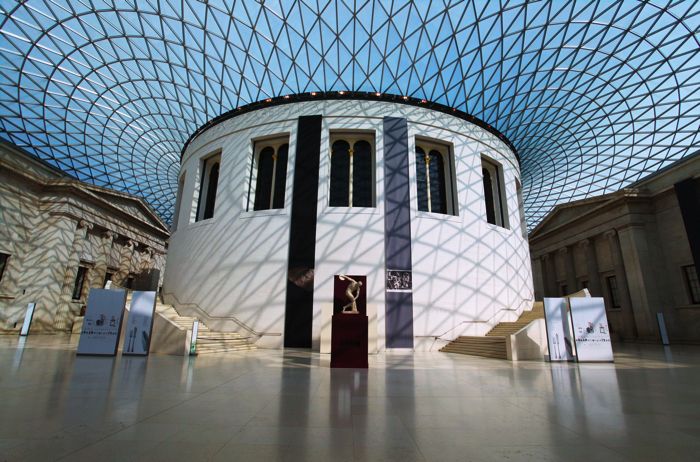
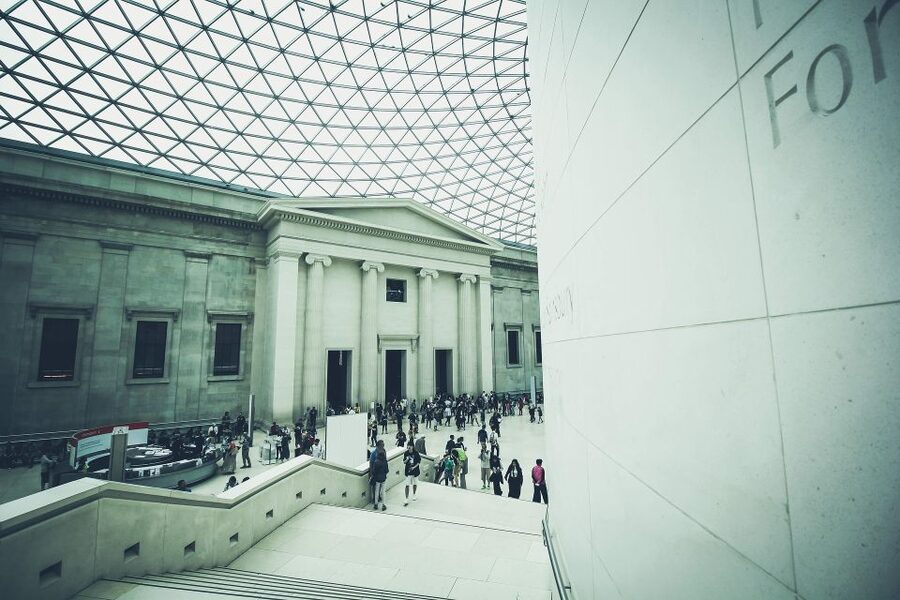
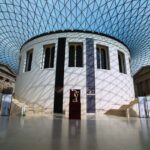
The tour begins before you even reach the galleries in a small but clever way. You start outside and look at the museum’s architecture, including how it resembles buildings from Classical Greece. It’s not just an aesthetic warm-up. It’s a clue about how the British Museum frames itself: history as something preserved, displayed, and linked across time.
From there, the route moves you into the museum’s “big hitters” without making you guess where to go next. That’s the main value of a guided highlights format here: you don’t need to understand the building layout to get to the pieces that anchor the story of the ancient world.
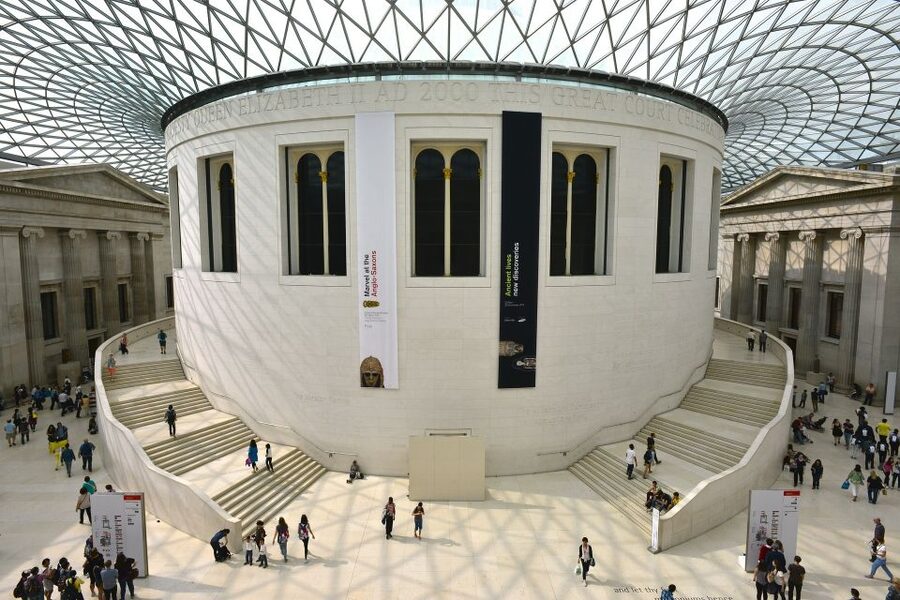
Also, if you’re the type who gets overwhelmed in huge museums, this structure helps. The British Museum can feel like a world of rooms inside a world of rooms. This tour creates a spine to follow. You walk in sequence, stop at key points, and leave with a mental map. That’s worth a lot when you only have a couple hours.
Hall of Enlightenment: King George III’s Books and the Oldest Stops
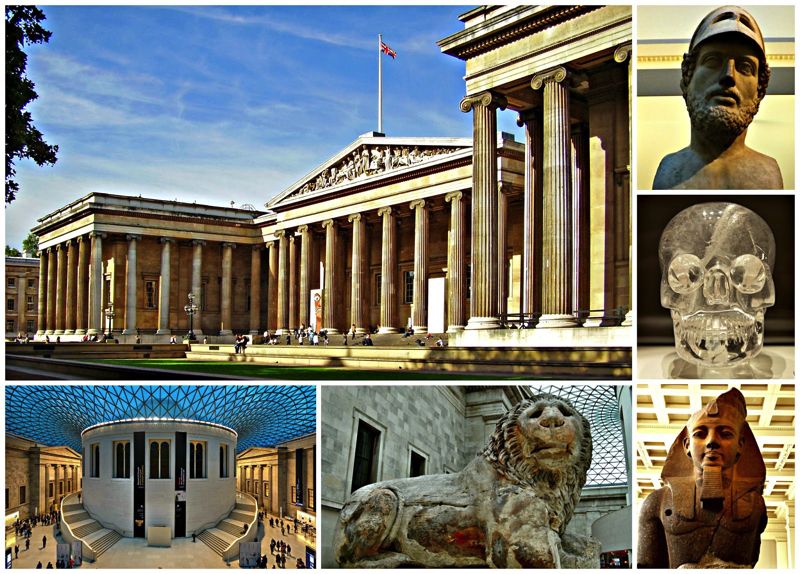
The first major interior highlight is the Hall of Enlightenment, described as the oldest in the museum. This is where you’ll see a collection of more than 60,000 books by King George III.
What I like about starting here is that it reminds you the British Museum isn’t only about statues and stone. It’s also about knowledge—writing, collecting, and preserving. That context matters because a lot of the artifacts you’ll see later are from cultures with their own systems of belief and record-keeping. When you start with books and learning, the rest lands differently.
In practical terms, the hall also gives you a breather from the rush. Even when the museum is crowded, guides can steer you through the right space and time your pauses so you’re not stuck behind a human traffic jam. You’re still moving, but you’re moving with purpose.
Ancient Egypt: Funerary Rites, Not Just Pretty Artifacts
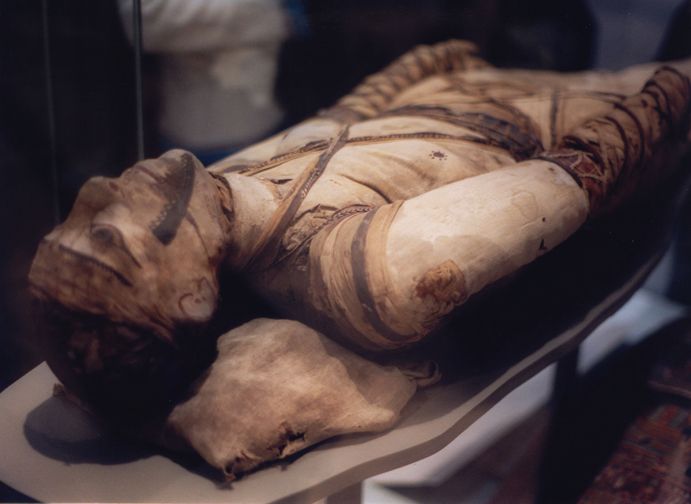
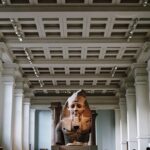
After the Enlightenment hall, the tour shifts into Ancient Egypt, focusing on Egyptian funerary rites. This is one of those topics that can feel confusing if you only see objects with no context. The guide’s job is to connect the symbolism to the rituals—what people believed would happen after death and how art and objects were part of that process.
I like this stop because it’s not museum trivia. It helps you understand why certain objects look the way they do, and why they were made with such care. Egyptian funerary culture is full of details, and a guided walk is exactly how you keep it from becoming a blur of names and dates.
A practical note: Egypt galleries are popular. If you’re going at a busy time, expect crowds and reduced elbow room. The guide helps here by pointing you to specific elements and explaining what matters most. If you’re the kind of visitor who wants the story behind the objects, this is where the tour earns its keep.
Assyria and the Parthenon Fragment: Power in Stone
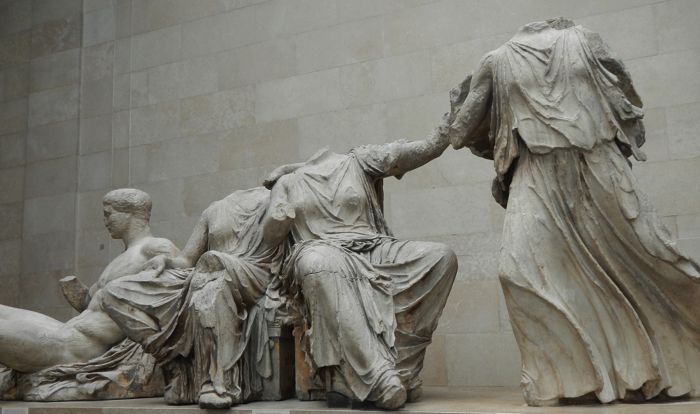
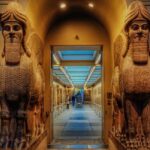
Next comes the Assyrian civilization section, with remnants and key pieces that show how these cultures expressed authority through construction, imagery, and craftsmanship. You don’t just see things; you hear about what they were used for and why they were significant.
Then the Greek thread continues with an important part of the structure of the Parthenon of Athens. Seeing a fragment like this in person can hit harder than you expect. Photos flatten scale and silence the material details. In the museum, you get a clearer sense of texture and placement—and you start understanding the Parthenon not just as a famous name, but as an engineered statement.
This stop also tends to be where myths and assumptions show up. A good guide helps you separate the dramatic stories people repeat from what the objects actually suggest. The goal isn’t to kill wonder. It’s to aim your wonder in the right direction.
If you’re short on time, these two stops together are smart: Assyria shows a different type of imperial legacy, while the Parthenon fragment ties you to Greek art and architecture. You walk away with a sense of how power gets carved into culture.



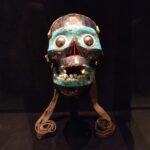
Aztec Pieces and Easter Island’s Hoa Hakananai’a
The ending moves into Aztec artifacts after you meet Hoa Hakananai’a, a moai from Easter Island that’s more than two meters high. That height matters. Standing near a sculpture like this, you feel the weight of the human effort behind it. It’s also a great emotional pivot in a tour that starts in early human history and shifts across continents.
What I appreciate here is the sequencing. You get Egypt, Assyria, and Greece, then you get Easter Island and Aztec. It’s a reminder that the ancient world wasn’t just one region repeating itself. It was many different worlds with their own beliefs and craftsmanship.
If you like tours that end with a memorable visual payoff, you’ll probably feel satisfied here. A moai over two meters tall is hard to forget. Then the Aztec pieces keep the momentum going so you don’t leave the museum feeling like the tour only covered the most famous headline names.
Also, the guide’s framing helps you avoid the usual museum problem: walking past an object without knowing what to notice. By the end, you’re more likely to look at details—the posture, the surface work, the symbolic choices—because you’ve already learned how to read objects through story.
Why 2 Hours Works: You Don’t Beat the Museum, You Beat the Confusion
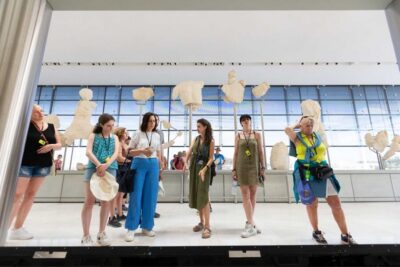
The British Museum is huge, and even with fast feet, you can’t see everything. The smartest strategy is picking a route that gives you the museum’s “story spine.” That’s exactly what this 2-hour walking tour does. It’s long enough to reach major galleries and still short enough to avoid the point where attention drops and feet start protesting.
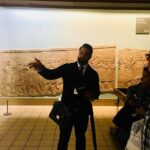
Guides on this tour are described as enthusiastic, friendly, and very well informed, with a style that mixes humor and interaction. Names that come up often include Puri, Miguel, Eduardo, Fernando, and Ferran—each praised for bringing energy and clarity to artifacts that could otherwise feel overwhelming. If you’ve ever stood in front of a case and thought, I have no idea where to begin, this format is built to help.
You’ll also get the comfort of a language option: Spanish or English. That matters more than people think. When you’re trying to process complex cultural themes, hearing the story in your preferred language keeps it from turning into just noise in a crowd.
One more reality check: this is a walking tour, and you’re in a museum with security lines and crowds. Bring patience and good shoes. The tour’s value comes from your focus while moving between stops, not from lingering in places you’re not sure about.
Price Value: $14 for a Guided Route Through Global Highlights
At about $14 per person for a 2-hour guided walking experience, you’re paying for something you can’t easily replace on your own: direction plus context. Yes, the museum is free. But free entry doesn’t automatically mean easy viewing. Without a route, you waste time figuring out where the highlights are, and you miss the explanations that help you understand what you’re seeing.
This tour includes the guide and the walking tour, but it doesn’t include food or drinks. That’s normal for a museum highlights format, but it changes how you plan your day. If you’re going during peak hours, eat before you arrive or plan a meal after. Don’t rely on buying snacks mid-tour and expecting it to work smoothly inside a packed museum.
Value also comes from pacing. The best feedback you’ll see for this kind of tour is simple: it helps you not get overwhelmed. With guidance, you see more, understand more, and walk through fewer dead ends. Even if you return later to wander, you’ll return with better instincts for what to look for first.
Who Should Book This Tour (and Who Might Not)
You’ll probably love this tour if:
- You’re a first-time British Museum visitor and want a fast route through the biggest world-culture highlights.
- You like explanations, not just photos of artifacts.
- You want a manageable plan for 2 hours, especially if you’re trying to fit London sightseeing into a packed schedule.
- You’re visiting with kids or teens. This style of guided highlights often works well because it keeps the pace moving and the story clear.
You might hesitate if:
- You’re the type who likes to spend half a day in one gallery, reading everything at your own speed.
- You already have deep knowledge and prefer to build your own route without stopping at guided “anchor points.”
- You dislike group formats during busy periods, because museums can feel crowded and you’ll be moving with the group.
The bottom line: this tour is for getting oriented and leaving with a strong sense of the museum’s key cultures and objects, not for covering every corner.
Should You Book This British Museum Tour?
If you want a focused way to experience the British Museum’s most famous culture highlights—Egypt, Assyria, Greek fragments, Easter Island’s Hoa Hakananai’a, and Aztec pieces—book it. The guide-led storytelling is the value, and the route saves you from wandering without a plan.
I’d book especially if you’re time-limited, slightly overwhelmed by the museum size, or traveling with someone who needs clear stops rather than open-ended wandering. If you have unlimited time and love unstructured museum wandering, you can still enjoy the museum on your own—but you’ll work harder to connect everything. This tour does that work for you, in a tight 2-hour window.
FAQ
How long is the British Museum tour?
The tour lasts 2 hours.
What is the meeting point?
Meet at the stairs to the main entrance of the British Museum on Great Russell Street, in front of Starbucks, after passing the security checkpoint.
What languages are the guides?
The live tour guide is available in Spanish and English.
Is the tour wheelchair accessible?
Yes, the tour is wheelchair accessible.
Is food or drinks included?
No. Food and drinks are not included.
What rules should I know about bags or pets?
Pets are not allowed. Oversize luggage and large bags are not allowed, and smoking is not allowed.