REVIEW · LONDON
The Tate Modern London – Exclusive Guided Museum Tour
Book on Viator →Operated by Babylon Tours London · Bookable on Viator
Modern art feels less scary with a guide. This Tate Modern experience is built for small groups (or even private time) and led by an art expert who helps you connect the dots across eras and styles.
What I like most is the human, story-first approach. Guides such as Becky and Matilda don’t just rattle off facts; they pull you into the looking process with smart questions and clear context.
One possible drawback: temporary exhibitions are not included, so if a special show is the main reason you’re coming to Tate, you’ll want to plan around that.
In This Review
- Key reasons this Tate Modern guided tour works
- Tate Modern in 2 hours: what a guided hit does best
- Your guide’s role: how the tour stays personal
- The heart of the tour: a fast timeline of modern art at Tate
- Mondrian and the language of shape and color
- Picasso and Dali through the Spanish Civil War lens
- Monet and the bridge toward Impressionists
- Mark Rothko and abstract-expressionist emotion
- Warhol and pop art in the 1960s
- Duchamp’s Fountain and the art-meaning question
- Why the route feels worth it: context plus time limits
- Listening, asking, and the quiet-room reality at Tate
- Price and value: is $107.74 a good deal for 2 hours?
- Getting there from Bankside: location and what to bring
- Who this tour suits best (and who may not need it)
- Should you book this Tate Modern guided tour?
- FAQ
- How long is the Tate Modern exclusive guided museum tour?
- Where does the tour start and end?
- Is the museum admission included in the price?
- What is the price per person?
- Is this tour private?
- Do I need a mobile phone number?
- Are temporary exhibitions included?
- Is the tour wheelchair friendly?
- What should I do if Tate Modern closes temporarily?
- Are there any rules about bags and dress?
Key reasons this Tate Modern guided tour works
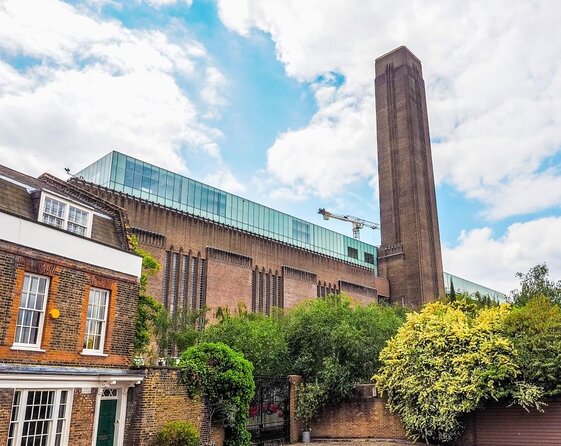
- Small-group or private feel that keeps questions from getting lost in the crowd
- Art experts guiding the route through the museum’s modern and contemporary highlights
- A timed tour that hits big movements fast, from geometric color to pop art
- Built-in discussion moments, including time around Duchamp’s Fountain
- Tate security and room rules handled ahead of time, so you’re not scrambling on arrival
Tate Modern in 2 hours: what a guided hit does best
Tate Modern is huge, and modern art can be even bigger in your head than it is on the wall. This tour works because it doesn’t try to cover everything. It gives you a focused path and the context that makes the pieces easier to read.
The duration is about 2 hours, with the tour ending back at the meeting point. That’s enough time to see a lot of major works without turning the visit into an all-day endurance event.
You also should plan around the museum’s pace and rules. Some rooms have quiet or restricted speaking, and the guide explains that before you enter those areas. So even if you love talking about art, expect periods of “listen first, then think.”
You can also read our reviews of more guided tours in London


Your guide’s role: how the tour stays personal
The biggest value here is that you’re not doing Tate on hard mode. You get a guide, and in the more private setup the guide can be exclusively for you (that part may not apply if you choose the semi-private option).
In practice, the guides named in these tours tend to be the kind who make modern art feel approachable. People highlighted guides like Becky, Matilda, Ellie, Sacha, and Jake for being engaging, friendly, and able to explain meaning without turning the experience into a lecture.
I like that the best moments aren’t only about facts. You’ll be prompted to think. You’ll get historical context, and then the guide steers you toward what to notice—composition, symbols, materials, and the era’s mood.
If you’re visiting as a couple, a family, or a small group, this setup is ideal because you’re close enough to ask questions and still get a clear flow through the galleries.
The heart of the tour: a fast timeline of modern art at Tate
This entire experience is centered on one place: Tate Modern. Your guide starts you through multiple galleries and halls, then threads together major themes of 19th and 20th century art.
Here’s what you can expect to hit, and why each stop matters.
Mondrian and the language of shape and color
You’ll be introduced to Mondrian’s famous geometric patterns. This is a smart opener because it trains your eyes quickly. You start noticing structure—lines, grids, balance—before the tour moves into louder, messier styles.
Picasso and Dali through the Spanish Civil War lens
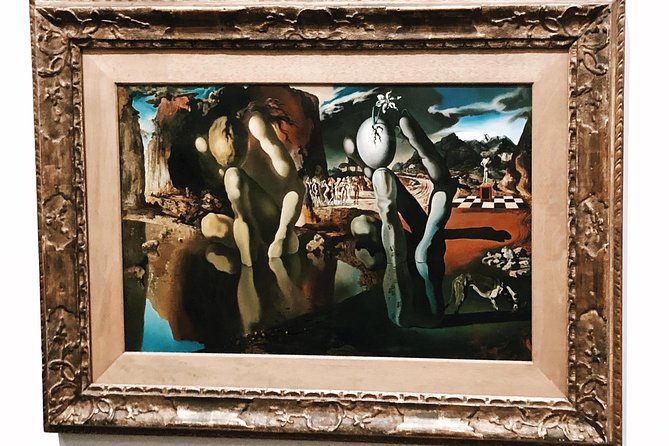
Next comes a historical curveball: you’ll learn about Spanish-born Picasso and Dali, including the idea that they produced some of their greatest artwork during the Spanish Civil War. A good guide helps you see why an artist’s world shapes what ends up on the canvas.
If you’ve ever wondered why art can feel urgent even when it looks stylized, this part usually answers it. The guide turns the timeline into a reason, not just a list of names.
You can also read our reviews of more museum experiences in London






Monet and the bridge toward Impressionists
You’ll also cover the Impressionists through Monet. This section helps you understand a stepping stone: how artists shifted attention to light, perception, and what the eye experiences in real time.
For many first-timers, this makes the later jump into abstraction feel less like a left turn and more like a gradual change in thinking.
Mark Rothko and abstract-expressionist emotion
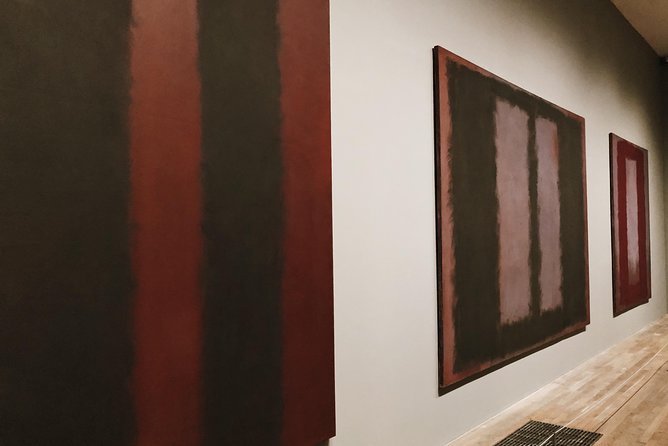
Then you’ll shift toward the abstract-expressionists, including Mark Rothko. Rothko can be intimidating if you treat it like a puzzle with one correct solution. A guide helps by focusing on experience: scale, color fields, and how emotion can be the subject.
This is also a great place for questions. Even when you disagree with the interpretation, you learn what you’re actually looking at.
Warhol and pop art in the 1960s
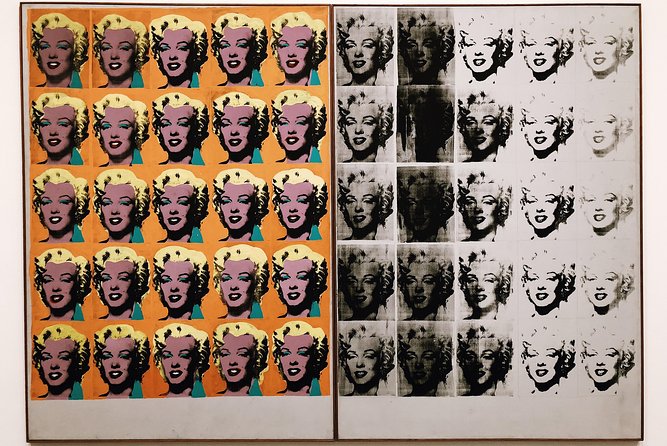
From there, step into the 1960s with Andy Warhol’s pop art, including faces like Marilyn Monroe and other celebrities. This part is valuable because it connects modern art to mass media—how fame, images, and consumer culture start showing up as art material.
If you grew up with Warhol on posters, this is where you finally see the technique and message up close.
Duchamp’s Fountain and the art-meaning question
You’ll also stand around Duchamp’s Fountain. The tour notes a pause moment before diving into questions about what art is in the first place. That pause matters. It gives you time to stop waiting for permission to feel something.
This is one of the most memorable parts of the route because the guide uses discussion, not just explanation. You’re encouraged to bring an open mind and some curiosity—and to test your own ideas about what counts as art.
Why the route feels worth it: context plus time limits
Tate Modern can be a blur if you wander without structure. One gallery turns into another, and suddenly you’re tired, not smarter.
This tour stays valuable because it pairs context with curated pacing—not the museum’s pacing, but the tour’s. You’re guided from period to period so the changes make sense.
And since the tour is about 2 hours, you’ll usually leave without that feeling of unfinished homework. You won’t see every wall, but you’ll understand the big shifts.
That said, you’ll get more out of it if you’re okay with learning a framework instead of lingering at every painting for half an hour. If you want to slow-trip Tate at your own pace, you might prefer self-guided time plus a short orientation tour.
Listening, asking, and the quiet-room reality at Tate
Modern art prompts big opinions, and Tate can be loud. Still, some rooms are subject to quiet rules and restricted right to speak. Your guide will tell you before entering those spaces.
This is more than a rule—it helps the viewing experience. When the room goes quiet, you tend to notice more. You see how light lands on surfaces. You catch small details you’d otherwise miss while talking.
Also note that security lines can form. The tour data mentions that some lines may appear even with skip the line or no wait access, due to increased security measures at many attractions. Translation: give yourself a little buffer, especially if you’re traveling at peak hours.
Price and value: is $107.74 a good deal for 2 hours?
At $107.74 per person, this isn’t a bargain-basement museum visit. But it’s priced like a guided experience with real expertise and a time plan.
The key value point is that admission is free with the tour ticket. So you’re not paying twice—once for a guide and again for entry.
You’re also paying for the guide’s time, which matters at Tate Modern. The museum is not small, and modern art can take time to “unlock” in your brain. A good guide shortens that ramp-up.
A few practical notes that affect price value:
- Group discounts may be available, depending on the option you book.
- Tour details like wheelchair friendliness and whether the guide is exclusively for you can change based on options such as semi-private booking.
- Temporary exhibitions are not included, so if those are your priority, factor in separate ticketing.
One more timing note: this tour is typically booked around 38 days in advance on average. If your dates are flexible, you can sometimes find options closer in. If your dates aren’t flexible, book early so you get the guide and time that fit your trip.
Getting there from Bankside: location and what to bring
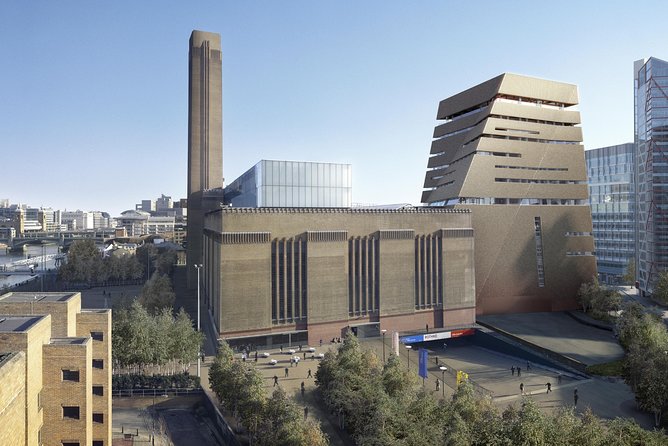
The meeting point is Tate Modern, Bankside, London SE1 9TG, and you end back at the same location. It’s near public transportation, which is a big help in central London.
The tour doesn’t include hotel pickup or drop-off, and the recommendation is to use Uber or taxi for getting there. I’d treat that as a practical choice, especially if you’re carrying a bag that’s not going to fit the museum’s security rules.
Speaking of bags: Tate security restricts what you can bring inside. The guidance says no large bags or suitcases are allowed—only handbags or small, thin bag packs through security. Wear that in your mind. Travel light on this one.
Dress matters too. The notes say appropriate dress is required for entry into some sites on the tour, so don’t show up in anything too casual if you’re unsure how the museum will interpret it.
Finally, you’ll need to provide a mobile phone number including country code. This matters because the tour uses a mobile ticket and needs a way to reach you if plans change.
Who this tour suits best (and who may not need it)
This works especially well if:
- You’re a culture lover who wants the highlights of modern and contemporary art without wasting time
- You’re a first-timer who wants a route through the major movements
- You like talking and asking questions, not just reading wall labels
- You’re visiting with kids or teens who need context fast (one family experience included a guide who kept a 12-year-old and 14-year-old engaged)
You might skip the guided version if:
- You already have a strong art-history background and want maximum freedom to roam
- You mainly care about temporary exhibitions, since those are not included in this package
- You prefer to spend long hours in one gallery instead of covering a range of movements
Should you book this Tate Modern guided tour?
If you want to see a lot of important modern art in a short visit—and you’d rather have someone explain the why than guess the meaning—this is a smart booking. The 2-hour structure plus expert-led context is what makes the experience feel efficient and satisfying.
I’d book it if you’re the kind of person who can get stuck reading labels for 40 minutes. This tour helps you move past that first “I don’t get it yet” moment and start looking like you’re in on the conversation.
But if you’re chasing a specific temporary show, or you want to linger more than a couple of hours, you may be happier with more time on your own. In that case, treat this as an add-on for orientation rather than your whole Tate plan.
FAQ
How long is the Tate Modern exclusive guided museum tour?
The tour lasts about 2 hours.
Where does the tour start and end?
It starts at Tate Modern, Bankside, London SE1 9TG, UK and ends back at the meeting point.
Is the museum admission included in the price?
Yes. The admission ticket is listed as free as part of the tour.
What is the price per person?
The price is $107.74 per person.
Is this tour private?
It’s listed as a private tour/activity, meaning only your group participates. There is also mention of an option called SAVE! BOOK SEMI-PRIVATE that affects some inclusions.
Do I need a mobile phone number?
Yes. You must provide a mobile phone number (including country code).
Are temporary exhibitions included?
No. Temporary exhibitions are not included.
Is the tour wheelchair friendly?
Wheelchair friendly access is listed as included, but it does not apply if you choose the SAVE! BOOK SEMI-PRIVATE option.
What should I do if Tate Modern closes temporarily?
The notes say closures can happen without prior warning. If the museum opening time is delayed more than 1 hour from the tour starting time, an appropriate alternative will be provided, and refunds or discounts are not available in these cases.
Are there any rules about bags and dress?
Yes. No large bags or suitcases are allowed inside the museum; only handbags or small thin bag packs. Appropriate dress is also required for entry into some sites.