REVIEW · WASHINGTON DC
Smithsonian Museum of Natural History Small Group Tour: 8ppl Max
Book on Viator →Operated by Babylon Tours DC · Bookable on Viator
Smithsonian’s natural history building feels bigger than it is. This small-group tour guides you through major museum hits spanning 126 million years of natural history in about 2 hours. I love the way the route mixes headline objects like the Hope Diamond (46 karats) with real ancient Egypt mummies, so it feels like more than a quick scroll through glass cases. I also like the jump from land animals into the Ocean Hall, where you’ll see a live coral reef exhibit and a huge whale replica named Phoenix. One drawback to plan for: it is still a sprint, so you won’t cover the full museum, and security rules mean you should show up with no large bags.
A tour with a group capped at 8 makes a difference here because you’re walking inside a massive building and stopping often for context. You’ll be led by a professional art historian guide, and the experience quality seems to track with guides like Brenda, Leigh, Donna, Kate, Meghan, Tony, Richard, Rebecca, Amanda, and Glennyce, based on past tour leaders. The practical catch: there’s no hotel pickup, so you’ll need to get yourself to 1010 Madison Dr NW and be ready for moderate walking with comfortable shoes.
In This Review
- Key highlights to know before you go
- Why This 2-Hour Smithsonian Tour Works in DC
- Meeting Point, Timing, and the Small-Group Pace
- The Route: How You Cover 18 Football Fields Without Getting Lost
- Stop One: National Museum of Natural History Highlights You’ll Actually Remember
- Gems and minerals: the Hope Diamond, plus star-worthy science
- Ancient Egypt mummies: death rituals made understandable
- Wildlife and Earth’s surface life: land animals to ocean life
- What the Guide Adds (and Why It’s Not Just a Walk)
- Value Check: Does $89.67 Make Sense?
- Smooth-Visit Tips: Bags, Security, and Quiet Rules
- Who This Tour Fits Best
- Should You Book It?
Key highlights to know before you go
- 8 guests max keeps the pace human and leaves room for questions.
- Hope Diamond and gems (including the Dom Pedro Aquamarine) give you star power up front.
- Ancient Egypt mummies turn the displays into stories about death rituals, not just anatomy.
- Ocean Hall stop includes a live coral reef and Phoenix, a 45-ton whale replica.
- Smart museum flow helps you get oriented in a building said to cover 18 football fields.
Why This 2-Hour Smithsonian Tour Works in DC
The Smithsonian National Museum of Natural History is one of those places where the building alone can overwhelm you. Even if you like museums, you can end up drifting, double-backing, and missing the biggest pieces because you didn’t know where to aim first. This tour solves that problem with a tight set of stops and an actual guide shaping the walk.
What makes it a good value is the mix: you get famous objects (the Hope Diamond), deeper anchors (Egyptian mummies), and a nature-and-science arc that connects land animals to oceans. Over a short window, you’re not just seeing stuff. You’re getting the meaning behind what you’re looking at.
The other smart piece is group size. With a max of 8, you aren’t stuck in the “follow the guide like a school field trip” crowd. You can ask questions when something catches your eye, and the guide can adjust the pace if your group has kids, slower walkers, or extra curiosity.
You can also read our reviews of more historical tours in Washington DC


Meeting Point, Timing, and the Small-Group Pace
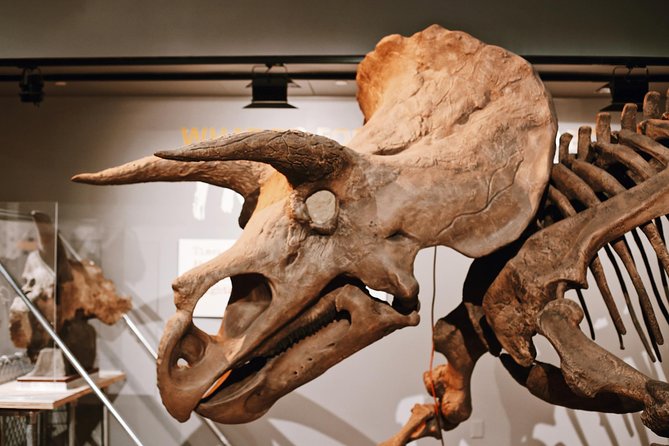
You’ll meet at 1010 Madison Dr NW, Washington, DC 20004, and the tour ends back there. Since hotel pickup isn’t included, plan to arrive by Uber or taxi, or use nearby public transportation.
The tour runs about 2 hours. That matters because the museum is huge, and 2 hours is best thought of as a curated highlights loop, not a full exploration. If you’re the type who wants to linger in one room for a long time, you might feel rushed. If you want to leave feeling oriented and informed, 2 hours is a sweet spot.
Also note the tour is designed for moderate physical fitness. Expect a fair amount of walking inside the museum. Come with comfortable shoes and clothing you can move in without fiddling constantly.
One small logistics detail that can make or break your day: you’re asked to provide a mobile phone number (including country code). That’s typically used for last-minute updates or coordination, so don’t skip it.
The Route: How You Cover 18 Football Fields Without Getting Lost
The tour focuses on “high impact” areas, which is exactly how you should approach a museum this size. The guide’s job is to help you see the story, not just the objects.
Here’s what your tour day is built around: you’ll move through a sequence that travels across time and subject matter. It starts with famous minerals and gemstones, then shifts into ancient Egypt displays, and later lands on wildlife and ocean life. By the end, the guide ties it together with why so many visitors come for the scale—said to include 126.5 million artifacts housed across the museum.
You also get built-in context for what you’re seeing. That’s the real reason a guided route beats wandering: you’ll look at the same objects but understand more of what matters and why the museum puts them where it does.
Stop One: National Museum of Natural History Highlights You’ll Actually Remember
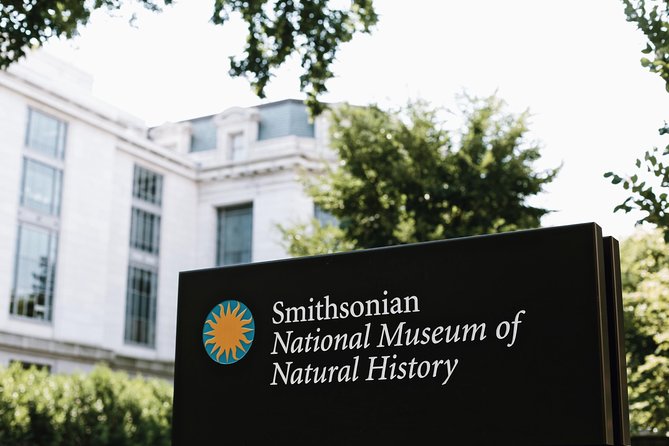
This is the big stop and where most of the “wow” happens. The guide will take you through a set of showcases in the museum’s massive footprint—described as covering 18 football fields.
Gems and minerals: the Hope Diamond, plus star-worthy science
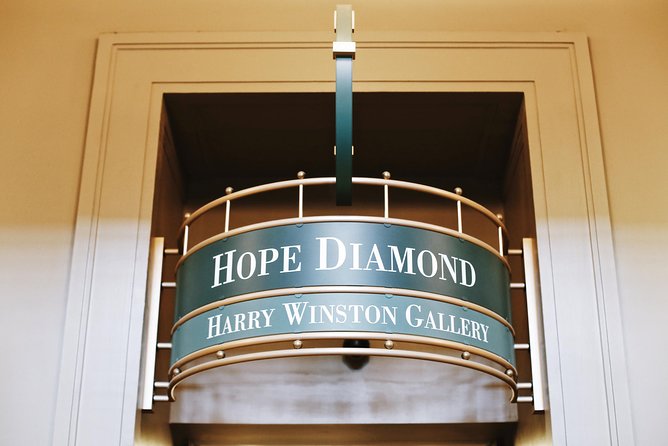
Your first big magnet is the Hope Diamond. The tour highlights its 46-carat size and the famous deep blue sparkle that draws attention even from people who usually glaze over in gem halls. The best part is you won’t just stare—you’ll get context that helps you understand why this gem became such a long-lasting public obsession.
Next, you’ll move into gem and mineral displays, including the Dom Pedro Aquamarine, described as the world’s largest gem of its type. This is a nice change of pace from the Hope Diamond because it’s about the “science behind the shine.” Even if you can’t name every mineral, you’ll leave with a clearer idea of how museums categorize and present these materials.
You can also read our reviews of more museum experiences in Washington DC





Ancient Egypt mummies: death rituals made understandable
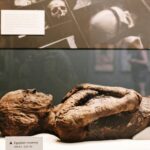
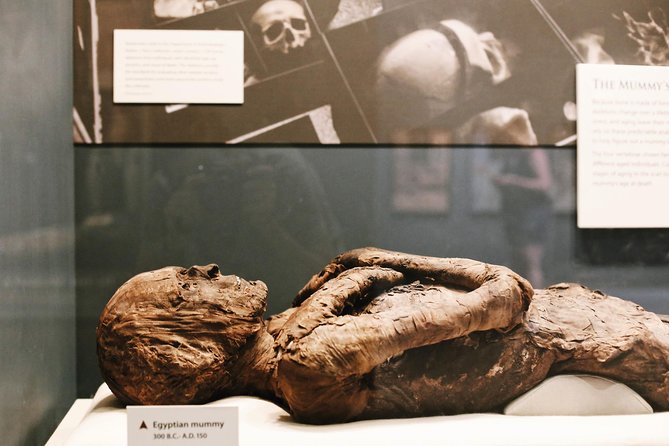
Then comes the turn many people don’t expect in a natural history museum: real mummies from Ancient Egypt. The tour frames what you’re seeing through the lens of death rituals, so you’re not just scanning bodies behind glass. You’ll likely find it easier to connect with the exhibits when the guide provides the cultural logic for the objects and treatments involved.
This section also tends to work well for families because kids often react strongly to the human side of ancient artifacts. If you’re traveling with young ones, the guided format helps keep attention from wandering. Past tour leaders like Brenda and Tony have been singled out for keeping children engaged, and that kind of guide skill matters most in rooms where the displays are striking but quiet.
Wildlife and Earth’s surface life: land animals to ocean life
After the historical turn, the route shifts toward living Earth—polar bears, elephants, and giraffes are part of the highlights you’ll see. This is where the museum’s natural history theme stops feeling like a lecture and starts feeling like a guided walk across a world.
Then you jump to the Ocean Hall, which is one of the best ways to finish a highlights tour because it gives you a sensory contrast. You’ll see a live coral reef exhibit, and you’ll also meet Phoenix, a 45-ton whale replica. The tour notes Phoenix is a replica connected to a real living animal that the museum tracks, which adds a small layer of “why this matters” beyond the scale of the display itself.
By the time you reach the end, the museum’s enormous scope makes more sense. Instead of thinking, I saw a few rooms, you’ll think, I got a map of the museum’s big themes: minerals, humans, animals, and oceans.
What the Guide Adds (and Why It’s Not Just a Walk)
The tour includes a professional art historian guide, which is a useful detail. Natural history museums can drift into either pure science or pure spectacle. An art historian approach often helps you notice how objects are presented—what gets spotlighted, how context is framed, and what visual cues matter.
From the guide names that have led previous versions of this tour, you can also see a pattern: strong storytelling and good pacing. Guides like Leigh and Meghan have been highlighted for making exhibits come to life and handling questions well. Rebecca and Amanda have also been mentioned for being flexible and fun, which is especially helpful if your group has a mix of adults and kids with different interests.
The practical result for you: you’ll spend less time “figuring it out” and more time seeing what you came for. That can save energy, especially after you’ve already been sightseeing elsewhere in DC.
Value Check: Does $89.67 Make Sense?
At $89.67 per person for about 2 hours, you’re paying for three things: a small-group guided route, a professional guide, and museum admission coverage. The listing notes Admission Ticket Free, and the tour includes the guide and the 2-hour duration.
Is it worth it? For most people, yes—if you want the highlights without planning your own museum route. Self-guided works if you love wandering and you already know exactly where to go. But if you want to leave with a stronger understanding of what you saw, paying for a guide is often the faster, calmer route.
Where value shows up most:
- Group size: 8 max means you’re not competing for attention.
- Efficiency: you cover major anchors without cross-museum guesswork.
- Interpretation: you’re not just looking; you’re understanding.
The one value risk: if you personally prefer deep, slow exploration of one area (like only Egyptian galleries, for instance), 2 hours might feel too short. In that case, you’d likely do better with a self-guided plan and longer time.
Smooth-Visit Tips: Bags, Security, and Quiet Rules
A few museum rules can affect your experience more than you’d think.
First, no large bags or suitcases are allowed inside the museum. Only handbags or small thin bag packs are allowed through security. So pack light. If you need room for water or a snack, plan for it without bringing a big backpack.
Second, the tour notes that some rooms have very quiet or restricted speaking rules. When that happens, your guide will explain the expectation before entering. That means you should hold questions until the guide gives the all-clear, especially for rooms where silence is part of the display experience.
Third, even with notes about skip-the-line or no-wait access at some attractions, the museum can still have security lines and crowds. Expect some waiting, and don’t build your day around squeezing in extra stops immediately before or after.
Who This Tour Fits Best
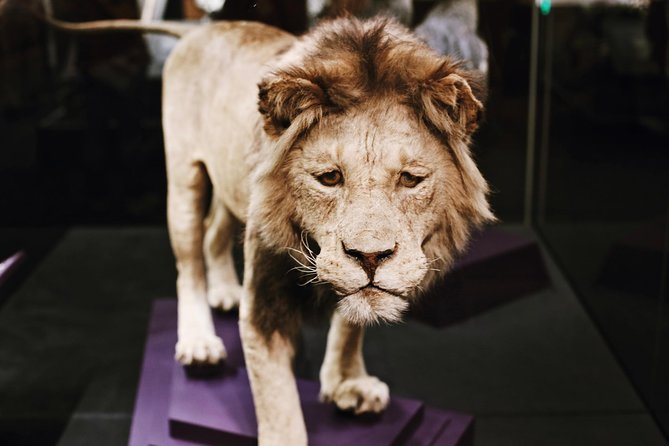
This is a strong fit if you want a guided “greatest hits” loop with enough context to feel satisfied when you’re done.
You’ll likely enjoy it most if:
- You want to see top natural history anchors like the Hope Diamond, mummies, and Ocean Hall in a short window.
- You’re visiting DC for a few days and need efficient use of time.
- Your group includes kids or mixed ages and you’d like a guide who can keep attention.
- You like having the museum’s story explained while you’re still standing in front of the objects.
It may not be ideal if:
- You need wheelchair or walking-disability accommodations, since accommodations are noted as not included.
- You’re hoping to cover a huge portion of the museum beyond the highlights in just 2 hours.
- You plan to bring a large bag or suitcase, because security rules limit what you can carry in.
Should You Book It?
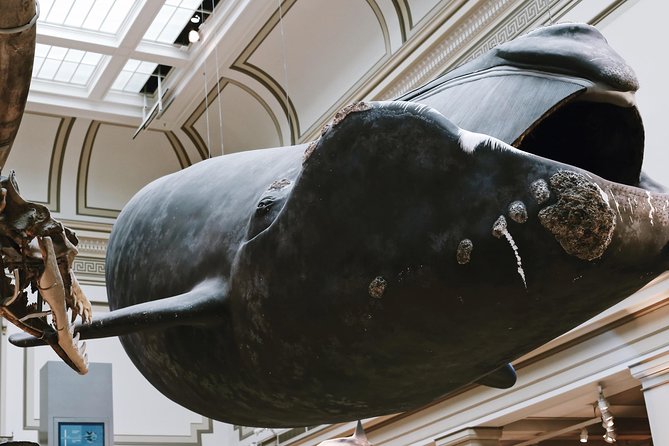
Book this tour if your goal is to get your bearings fast and walk out feeling you understood the big themes: gems and minerals, ancient artifacts, wildlife, and ocean life. The small group size and the focus on high-impact displays make the $89.67 feel like a practical way to buy time and clarity.
Skip it (or adjust your expectations) if you’re the type who wants to linger for hours in one wing, or if mobility limitations require special help beyond what’s included. Also, if you truly want to see everything, remember the museum is far larger than any 2-hour tour can cover.
If you’re ready for a smart highlights route with a guide and you’ll wear comfortable shoes, this is one of the best ways to experience the Smithsonian Natural History Museum without turning your day into a stressful map hunt.