REVIEW · WASHINGTON DC
Washington, DC: African American History Tour & Museum Entry
Book on GetYourGuide →Operated by USA GUIDED TOURS · Bookable on GetYourGuide
DC turns statues into family stories on wheels. This guided bus route strings together major civil rights landmarks and lesser-known stops, then ties it all into time at the Smithsonian National Museum of African American History and Culture via a comfortable, climate-controlled ride.
I really like the way the tour spotlights specific people you can track across the city, from Frederick Douglass to Mary McLeod Bethune and the Howard University campus. I also love the practical win of reserved entry to the Smithsonian museum, so your museum time starts with a plan instead of guesswork.
One consideration: the exterior sites are mainly photo-stop style from the bus, and some people note seating or sound can feel less than perfect on certain days.
In This Review
- Key things to know before you go
- How the DC Bus Format Turns Monuments Into a Real Story
- Getting Started at the U.S. Navy Memorial and Nearby Options
- Emancipation, Lincoln, and MLK: How You Read the National Mall
- Lincoln Park, Bethune, and the Douglass Connection
- Howard University on Foot: Why Education Matters in This Route
- Shaw, Le Droit Park, and U Street: The Black Broadway Angle
- The African American Civil War Memorial and Museum Stop
- Downtown DC Photo Moments: Freedom Plaza and Key Institutions
- Smithsonian National Museum: Timed Entry, Then Your Pace
- What the Guides Add (and Names You Might Hear on Tour)
- Price and Timing: Is $89 Good Value for This Day in DC?
- Who This Tour Suits Best
- Should You Book This DC African American History Tour?
- FAQ
- How long is the African American History Tour & Smithsonian museum entry?
- What does the $89 price include?
- Is the Smithsonian visit guided by the tour?
- Where do I meet the tour, and where does it end?
- Do I need to pay for food or drinks separately?
- Can I cancel and get a full refund?
Key things to know before you go
- Emancipation Statue, Lincoln Memorial, and the MLK sites connect the story in real geographic order
- Frederick Douglass and Mary McLeod Bethune aren’t just names; you see where their legacies show up
- Howard University plus nearby institutions help explain how education and activism moved together
- U Street, Shaw, and Le Droit Park bring in the neighborhood side, including the idea of Black Broadway
- African American Civil War Memorial and Museum adds context you won’t get from monument-only tours
- Reserved Smithsonian timed entry lets you explore the museum at your own pace
How the DC Bus Format Turns Monuments Into a Real Story
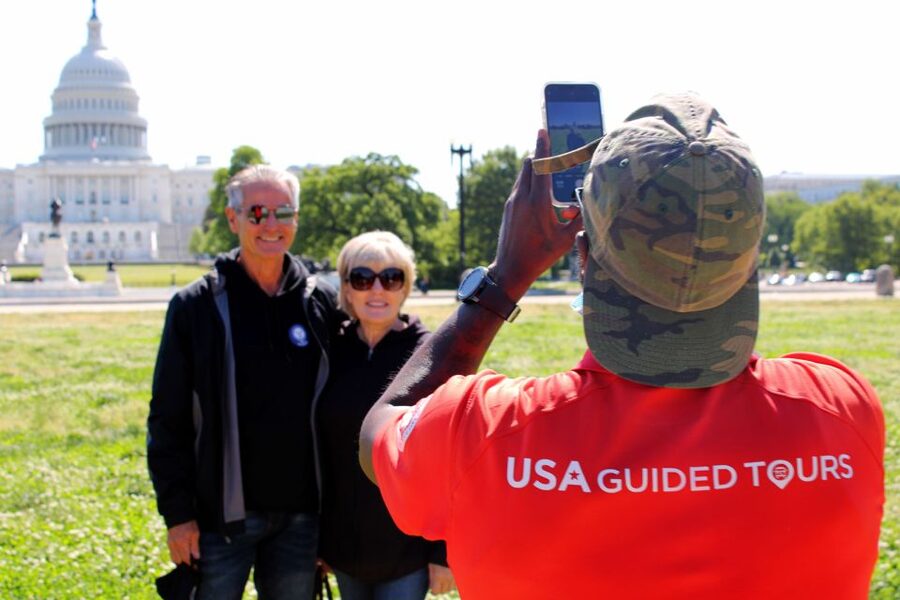
This tour works because it’s built like a moving timeline. Instead of bouncing between disconnected spots, you ride a route that links key moments of African American history to where they happened (or where the city chose to remember them). You also get short, focused outside looks at places like the Emancipation Statue and the Martin Luther King, Jr. Memorial, which helps you know what you’re seeing before you hit the Smithsonian.
The guide’s job isn’t just to list facts. It’s to point out what most people miss when they’re reading stone plaques at speed. You’ll get context for why a statue placement matters, why a neighborhood name still carries weight, and how one era sets up the next.
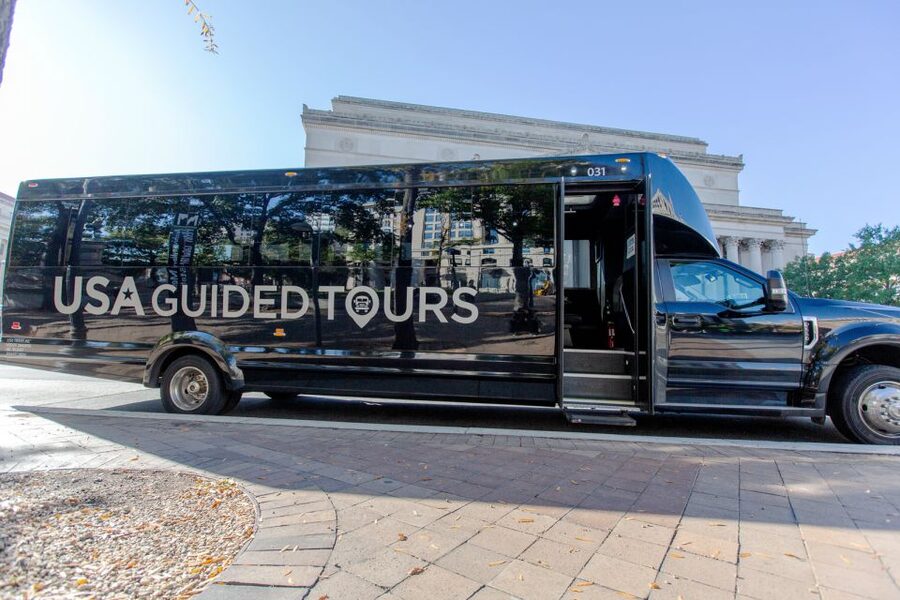
And the bus part is practical. DC can be hot, windy, or both. A climate-controlled vehicle keeps you comfortable while you cover a lot of ground in a short day window (about four hours).
You can also read our reviews of more historical tours in Washington Dc


Getting Started at the U.S. Navy Memorial and Nearby Options
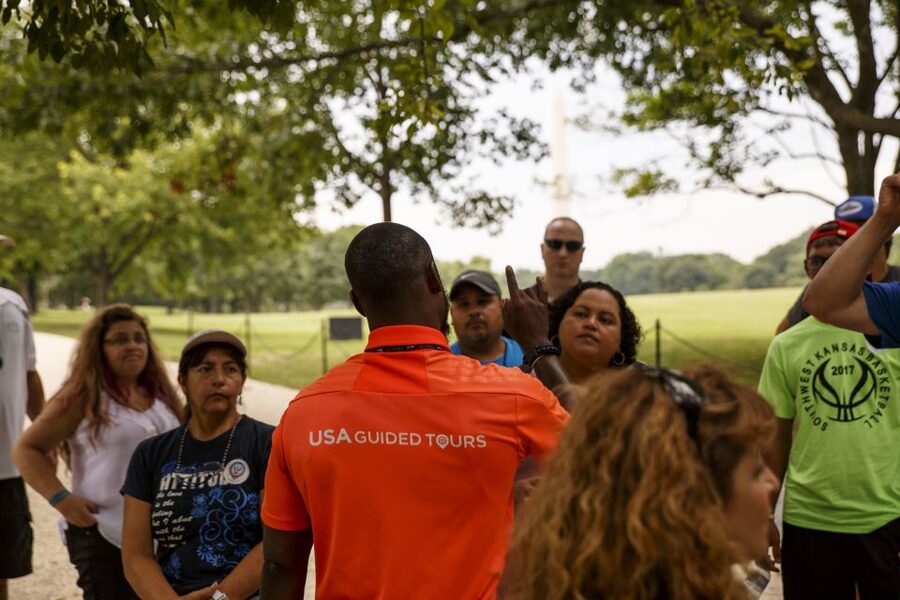
Your meeting point can vary depending on the option you book, with starting locations including the U.S. Navy Memorial Plaza area (Pennsylvania Avenue NW). In other cases, the tour kicks off near another close-by pickup spot on the same corridor.
Why this matters: all the early photo-stop rhythm happens on the National Mall and nearby streets. Starting in this part of the city saves you from long cross-town transfers and helps the guide get you into “first story beat” mode quickly.
Also, keep an eye on the planned finish. Drop-off options include the Smithsonian museum itself and the U.S. Navy Memorial Plaza area, so you can choose what makes the most sense for your next stop in DC.
Emancipation, Lincoln, and MLK: How You Read the National Mall
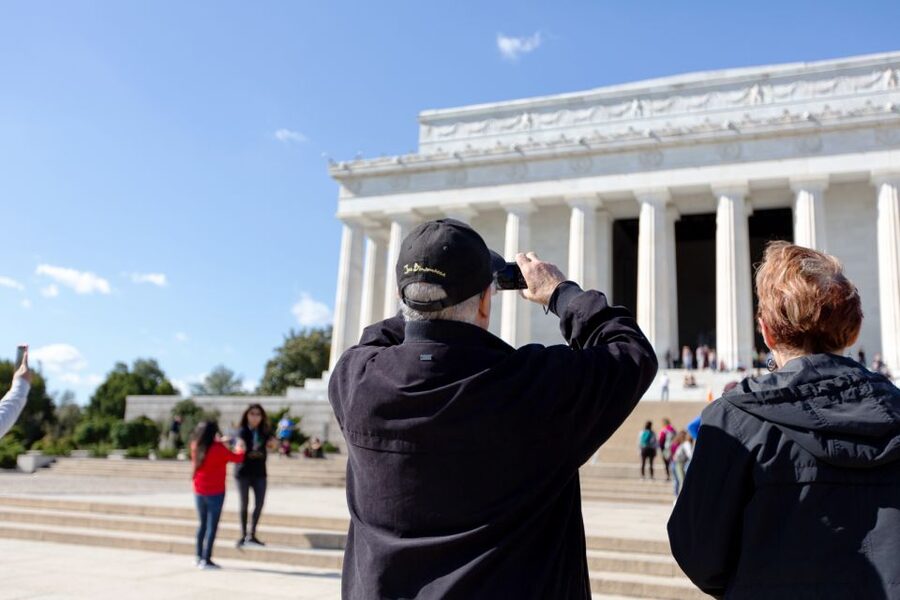
The route takes you past major public markers of freedom and civil rights. From the bus, you’ll see and stop for photos near:
- the Emancipation Statue
- the Lincoln Memorial area (including standing where Martin Luther King delivered I Have a Dream in 1963)
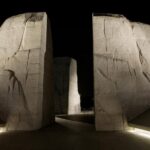
- the Martin Luther King, Jr. Memorial
This is more than the usual “big three monuments” circuit. The guide frames these sites as part of a longer struggle—political, social, and often contested in real time. That framing helps the monuments feel less like background scenery and more like checkpoints in an argument about rights.
When you’re at the Lincoln Memorial, the reflecting pond view is the obvious photo moment. What’s useful is the story you’re given for what that space represented in 1963, and how the city’s symbolism has been shaped by decades of activism. If you’ve only ever seen these places in daylight photos, this kind of talk changes how you look at the same stones.
Lincoln Park, Bethune, and the Douglass Connection

A key thread on the tour is how education and leadership show up in public space. You’ll head toward stops like Lincoln Park, where you’ll see the statue honoring Mary McLeod Bethune—educator, activist, and founder of the National Council of Negro Women.
The value here is simple: when you connect a name like Bethune to a specific place, you remember it. And you stop treating history as something that happened “somewhere else.” DC is good at making you think that. This tour nudges you to think the opposite.
You also get an outside stop near the Home of Frederick Douglass, which helps you anchor abolition-era stories to a real address rather than a timeline page. The point isn’t just that Douglass was important. It’s that his life sits inside the same city landscape you’re riding through now.
Howard University on Foot: Why Education Matters in This Route
Near the end of the early set of stops, you’ll get time at Howard University, described as one of the oldest Black universities in the United States. You’ll take a stroll around the campus, using the walk to connect education to activism and community leadership.
If you only visit Washington’s monuments, DC can feel like it’s all speeches and marble. Howard gives you a different DC truth: institutions. People fought for change through schools, organizations, and networks—then used those tools to press forward in the wider fight for civil rights.
Even the campus pacing helps. You’re not stuck in a constant “bus window” mode. A short walk creates a mental reset before you head into the neighborhood streets.
You can also read our reviews of more museum experiences in Washington Dc





Shaw, Le Droit Park, and U Street: The Black Broadway Angle

Some bus tours stick to the “official” story. This one also brings in neighborhoods that carried culture, business, and entertainment alongside activism.
You’ll drive through areas including Le Droit Park, Shaw Neighborhood, and Historic U Street. U Street is highlighted as home to Black Broadway, with entertainment legends from the past and present.
Why I think this matters: the civil rights story isn’t only protests and court cases. It’s also community life—where people gathered, built reputations, and found ways to keep going even when systems resisted them. When the guide connects those neighborhoods to the larger struggle, DC starts to feel human-scale, not just institutional.
If you like photography, this section is where you can spot the difference between “monument DC” and “everyday city DC.” You may not get long stops to wander like a walking tour, but you do get the names and context to notice what you’re seeing.
The African American Civil War Memorial and Museum Stop
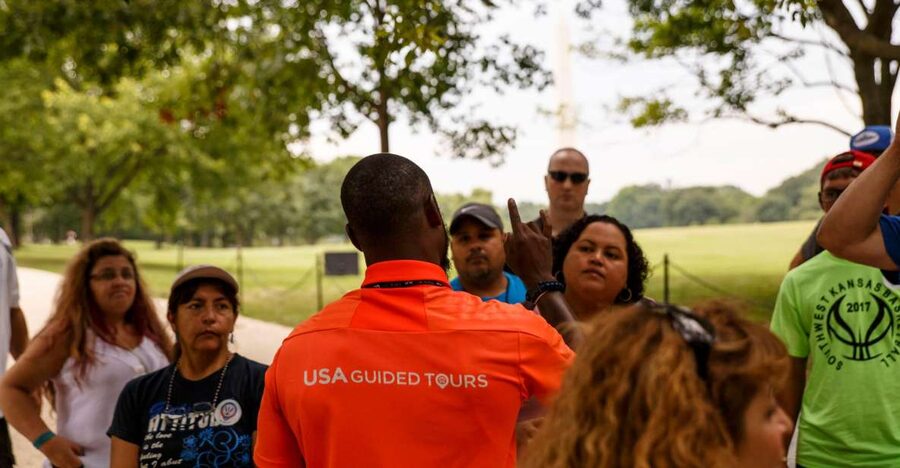
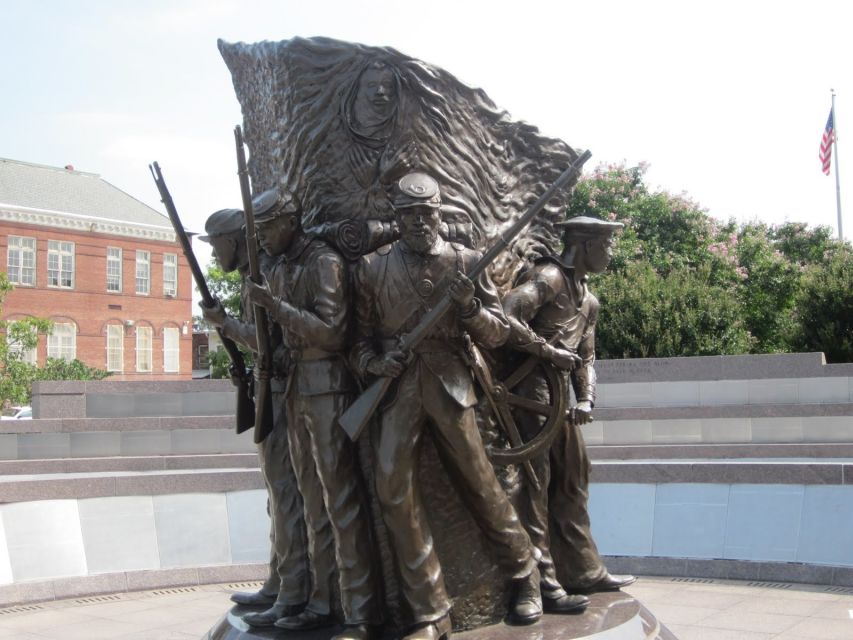
One of the most meaningful pauses on the route is at the African American Civil War Memorial and Museum. You’ll learn how African American soldiers affected the course of the Civil War, including those who perished on the front lines.
This is an important pivot. Many visitors know the broad outline of the Civil War, but fewer know how Black soldiers changed outcomes and how their service fit into the fight for freedom. The memorial and the surrounding context help you connect the “why” of later civil rights wins to the “how” of survival and service in earlier conflicts.
From a practical standpoint, this stop also balances the tone of the day. After monuments and neighborhood stories, the memorial brings you back to high-stakes history with a clear focus.
Downtown DC Photo Moments: Freedom Plaza and Key Institutions
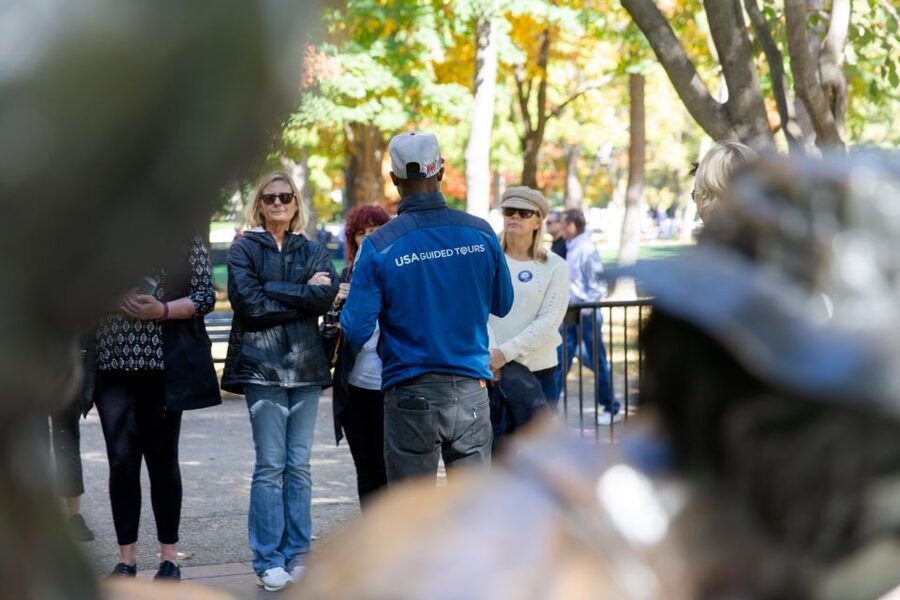
The bus heads through downtown areas where you’ll see or stop for photos near Freedom Plaza on Pennsylvania Avenue, plus major civic landmarks such as the White House and the Martin Luther King, Jr. Memorial area again (in the tour’s flow).
You’ll also see National Council of Negro Women references as part of the route, including a stop near the Mary McLeod Bethune Council house in the Logan Circle historic district. Another outside stop includes the Metropolitan AME Church.
These are the pieces that help you understand how activism and organizations left footprints across the city. It’s easy to treat these as “nice to know” stops. Here, the guide’s framing turns them into part of the same storyline you saw at earlier monuments.
Smithsonian National Museum: Timed Entry, Then Your Pace
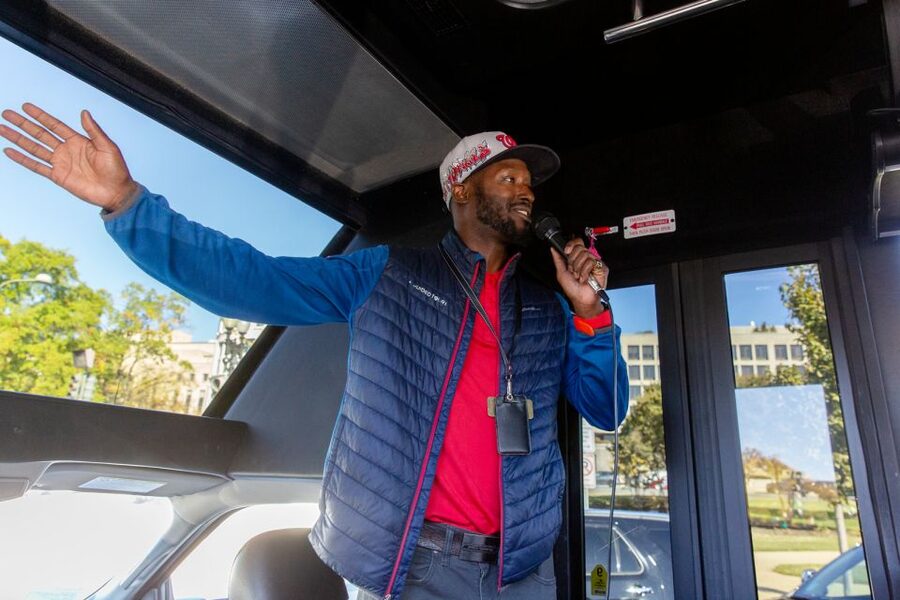
The tour finishes at the Smithsonian National Museum of African American History and Culture with reserved entry. That matters because Smithsonian museums can be busy, and timed access keeps your day from turning into a waiting game.
What you do inside is mostly on your own. You get time to explore exhibits and artifacts at your pace. That’s a big deal on a tour like this, because not everyone wants the same pace through the galleries. Some people will want to linger on particular themes; others want to cover more ground and come back later.
Two practical notes:
- Bring a plan for food because the tour ticket does not include food and drinks.
- Use your museum time strategically. If you want to read carefully, don’t try to “win” the entire museum in one pass.
It’s also worth knowing the fine print: this is not an official Smithsonian tour. You’re paying for the activity supplier’s services and perspective, which is independent of the Smithsonian. The museum time itself is still your own exploration with the entry included.
What the Guides Add (and Names You Might Hear on Tour)
The tour’s biggest strength shows up in the guide role. Several guide names appear in high praise, including Elvis Pate (often mentioned alongside the driver experience), and Dre / Dr. Dre. On some departures, you may also see praise for drivers such as Jesse, Whiz Khalifa, Leonard, Uncle Curtis, Calvin, Gary, Thomas, and Mr. Parker / Mr. Que.
What they seem to do well is connect dots. People mention that the talk goes beyond the monument surface—helping you notice the meaning behind what’s carved, named, or placed where it is. There’s also a recurring theme of engagement: the guide keeps the group thinking, not just listening.
Two smaller cautions from real experiences: a mic issue can make some parts harder to catch, and some vehicles can feel a bit tight on comfort. If you’re sensitive to sound or space, I’d pack light, bring a snack, and be ready to lean into the outside photo pace.
Price and Timing: Is $89 Good Value for This Day in DC?
At $89 per person for about 210 minutes (roughly four hours), you’re paying for three big things:
- a guided bus route with interpretation
- air-conditioned transportation for DC coverage
- a reserved timed-entry ticket to the Smithsonian museum
For a one-day DC plan, the reserved entry is the most direct “value” piece. It turns the Smithsonian visit from a maybe into a scheduled part of your itinerary. The rest of the value is the guide’s storytelling across multiple city stops, including places people often skip.
Food isn’t included, so you’ll likely want to budget a meal or at least plan a snack. And because the museum is self-paced, your experience depends a bit on how you handle your time inside.
Overall, this tour is a strong choice if you want structure plus context without spending your day running from one location to another with no narrative thread.
Who This Tour Suits Best
This is a great match if you:
- want a guided “big picture to specific place” introduction to African American history in DC
- prefer bus-based sightseeing with a few photo-stops and some walking
- care about seeing beyond the obvious monuments into neighborhoods like U Street and institutional anchors like Howard University
It also seems to work for mixed-age groups. One group described it as meaningful even with a lot of kids in the mix, with a guide who kept things engaging without losing the seriousness of the subject.
If you’re the kind of traveler who only wants long, slow museum time, you might prefer a museum-first plan. But if you want a guided route that sets you up before you enter the Smithsonian galleries, this format is a solid fit.
Should You Book This DC African American History Tour?
Yes—if you want your Smithsonian visit to come with a guide-led storyline that links names, neighborhoods, memorials, and institutions across DC. Reserved entry helps you keep momentum, and the guided bus route gives you context that makes the museum easier to understand once you’re inside.
I’d also book it if you appreciate interpretation that connects the civil rights struggle to places you can actually see, not just to a textbook timeline. The best results come when you treat the bus route as your “orientation,” then slow down inside the Smithsonian.
Skip it only if you know you dislike bus-style photo stops, or if your top priority is maximum time in the museum without any outdoor pacing.
FAQ
How long is the African American History Tour & Smithsonian museum entry?
The tour runs about 210 minutes, or roughly 4 hours.
What does the $89 price include?
It includes the bus tour, a live English-speaking guide, air-conditioned transportation, and a reserved entry ticket to the Smithsonian National Museum of African American History and Culture.
Is the Smithsonian visit guided by the tour?
No. You get reserved entry to the museum, but you explore the exhibits at your own pace.
Where do I meet the tour, and where does it end?
Meeting point can vary based on the option booked, with starting locations including the U.S. Navy Memorial Plaza area. Drop-off options include the Smithsonian museum and the U.S. Navy Memorial Plaza area.
Do I need to pay for food or drinks separately?
Yes. Food and drinks are not included.
Can I cancel and get a full refund?
You can cancel up to 24 hours in advance for a full refund.