REVIEW · WASHINGTON DC
National Archives Skip the Line Tour Semi-Private 6ppl Max
Book on GetYourGuide →Operated by Babylon Tours DC · Bookable on GetYourGuide
History moves fast when someone points you to the right document. This National Archives skip-the-line highlights tour is built for a small group vibe (max 8 on semi-private days), with an English-speaking guide who mixes politics, context, and human stories so the big names feel real. You’ll see the Declaration of Independence and the Constitution in the Rotunda, the Bill of Rights and Federalist-era documents with signatures like Alexander Hamilton, plus items tied to civil rights such as a citation issued to Rosa Parks.
I like that the experience isn’t just read-what-it-says—your guide helps you understand why each artifact mattered, and what it connects to in the real world today. Guides like Donna, Meghan, Maribeth, Bess, Brenda, and Richard have been specifically praised for story-driven explanations and keeping questions welcome, which is exactly how this place becomes fun instead of overwhelming. One key consideration: this tour isn’t suitable for wheelchair users, and you’ll be doing a fair amount of walking and standing over two hours.
In This Review
- Key highlights worth planning around
- National Archives is huge—your guide keeps it human
- Skip-the-line entrance and a realistic 2-hour walking pace
- Rotunda: Declaration of Independence and Constitution up close
- Bill of Rights and Federalist Papers with real signatures
- Public Vaults letters: Washington and JFK in the same conversation
- Emancipation Proclamation and a Rosa Parks citation
- Rubenstein Gallery: Magna Carta of 1297 for deeper context
- Price and value: why $111 can make sense here
- Who this works best for (and who should plan differently)
- Quick decision: should you book this National Archives tour?
- FAQ
- How long is the National Archives skip-the-line tour?
- What do I need to bring?
- How many people are in a semi-private group?
- What does skip-the-line mean here?
- Is the tour wheelchair accessible?
- Are large bags allowed?
Key highlights worth planning around
- Skip-the-line entry through a separate entrance so you can start with momentum
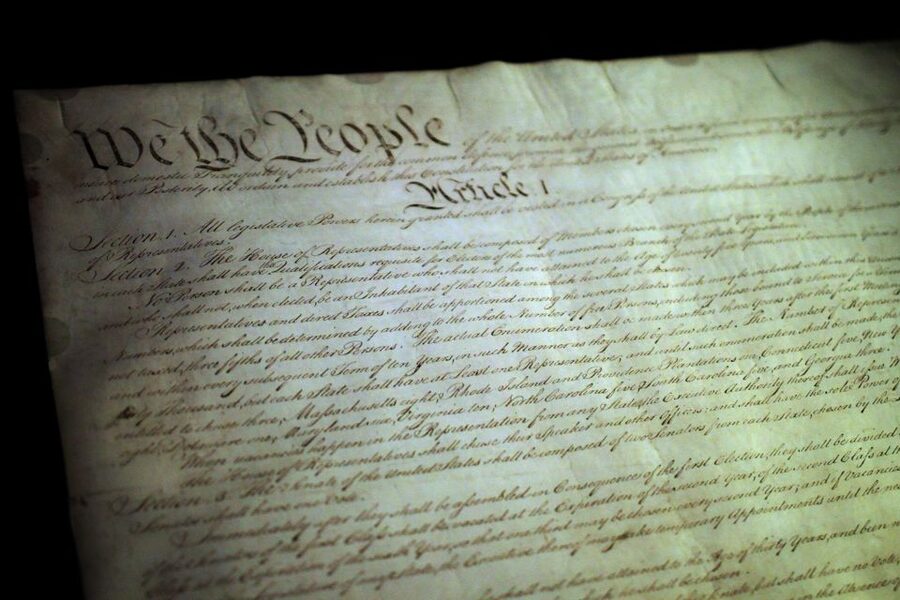
- Rotunda time for the Declaration and Constitution in front of perfectly preserved originals
- Bill of Rights and Federalist Papers details including Alexander Hamilton signatures
- Civil rights artifacts in plain context, including a citation issued to Rosa Parks
- Public Vaults letter displays, including letters tied to George Washington and John F. Kennedy
- Rubenstein Gallery visit for Magna Carta of 1297, adding perspective on what came before US documents
National Archives is huge—your guide keeps it human
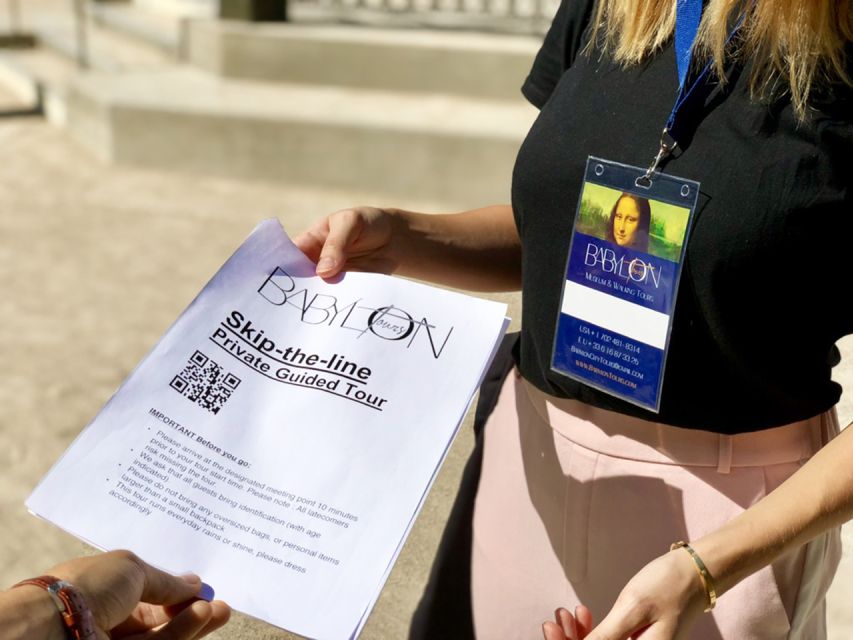
The National Archives doesn’t feel like a museum of glass cases. It feels like a workplace of history, with more than half a million artifacts tucked away. Without a guide, you can spend a lot of time choosing where to go instead of learning how the system of government and rights actually formed.
What I like about this tour is the way the guide turns documents into cause-and-effect. You don’t just look at paper; you get the political background and surprising details that make it click. The best moments here tend to be the ones where someone explains why a document existed, what problem it tried to solve, and how people argued about it at the time.
And because the guide is English-speaking and focused on explanations (not lectures), you’re more likely to ask questions and get answers that fit what you’re seeing right now. That’s the difference between reading about history and understanding it.
You can also read our reviews of more private tours in Washington Dc



Skip-the-line entrance and a realistic 2-hour walking pace
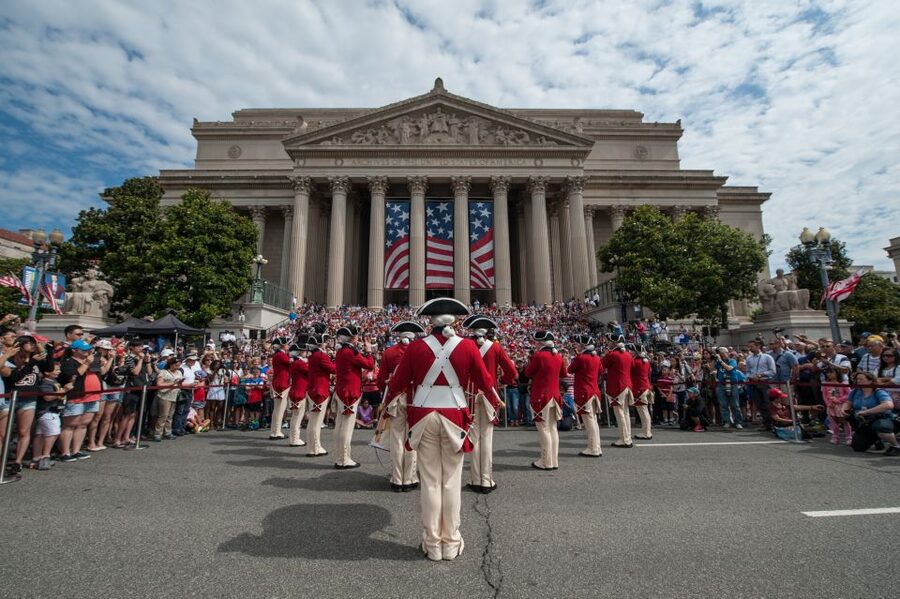
This is a 2-hour walking tour, and that matters. You’ll move efficiently between key galleries, which keeps the experience from turning into a slow shuffle with a lot of “We’ll see what’s open.”
You also get skip the line through a separate entrance, which is a big deal at a site where security lines and timed crowds can eat into your museum time. Meeting point can vary by option booked, so you’ll want to confirm your exact location before you head out.
A few practical things help you enjoy the tour more:
- Bring a passport or ID card, since a valid photo ID is required.
- Don’t bring luggage or large bags through security. A handbag or small thin backpack is okay.
- Some rooms have quiet or restricted rules where speaking may be limited, and your guide will set expectations before you enter.
- Appropriate dress is required for entry into some areas, so plan for smart-casual rather than shorts and flip-flops.
There’s also a group size limit for semi-private tours (no more than 8 people), and private/small-group options are available. That smaller size is part of why you get a personal touch instead of a rushed, one-size-fits-all script.
Rotunda: Declaration of Independence and Constitution up close

The Rotunda stop is the big “wait, this is real” moment. You’ll learn about the Declaration of Independence and the Constitution while you’re standing in front of documents from the 17th and 18th centuries that are kept in remarkably preserved condition.
This is where a guide earns their fee. The Declaration and the Constitution are often treated like final boss items in US civics, but the real power comes when someone explains the debates, the stakes, and the logic behind the words you’re seeing. Your guide’s mix of historical and political context helps you understand what you’re looking at, not just admire it.
There’s also a practical benefit: with the right flow through the Rotunda, you get less interruption and more focus time. One guide was specifically noted for helping groups get in early enough to see key documents with fewer distractions, which is exactly what you want in a place like this.
Bill of Rights and Federalist Papers with real signatures
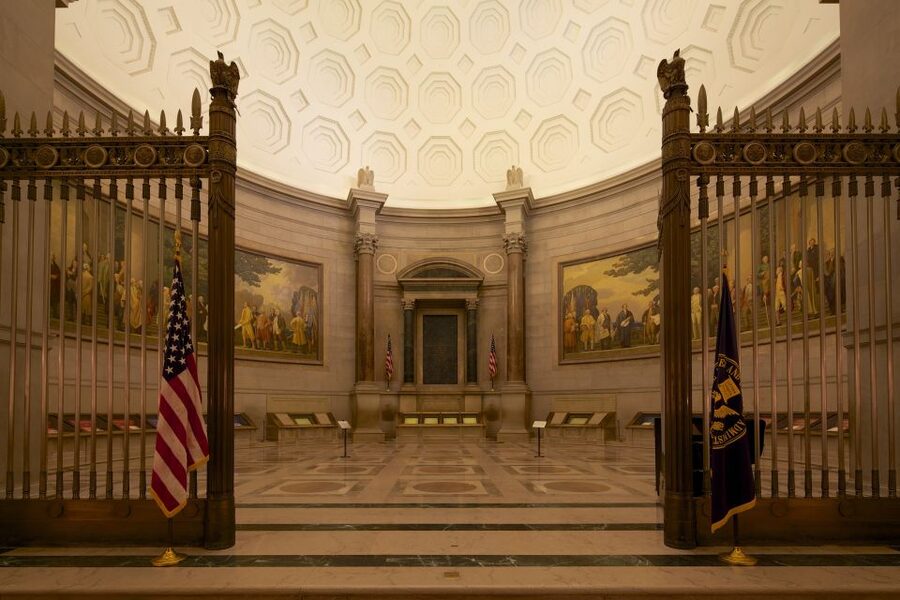
Next comes the stage where the founding story gets personal. You’ll look at the Bill of Rights, and you’ll see Federalist-era materials that include signatures from world-famous statesmen like Alexander Hamilton.
This is where the tour shifts from “events” to “language that constrains power.” The Bill of Rights can feel like a list until you connect it to the problem it was meant to prevent. A good guide helps you read between the lines: not just what the rights are, but why those particular rights mattered to a young nation trying to define liberty without collapsing into chaos.
Seeing signatures makes it even more tangible. When you’re standing in front of documents that were signed by real people, it’s easier to remember these were working politicians, not textbook characters. That small change in perspective is what turns a history stop into a story you’ll remember.
Public Vaults letters: Washington and JFK in the same conversation
You’ll also spend time in the Public Vaults Exhibits, where letters written by presidents are displayed. The highlight list specifically calls out items associated with George Washington and John F. Kennedy, and that’s an excellent way to widen your time frame without making the tour feel scattered.
Letters are different from laws and declarations. They show intent, personality, and the political friction behind decisions. When you pair presidential letters with constitutional documents, you start noticing how ideas travel from paper into policy—and how leaders respond to real-world crises.
If you like history that connects to politics as it’s practiced, not just as it’s taught, this section is one of the best returns on your time. Even if you don’t consider yourself a “documents person,” letters tend to make the whole place feel more human.
A few more Washington Dc tours and experiences worth a look
Emancipation Proclamation and a Rosa Parks citation
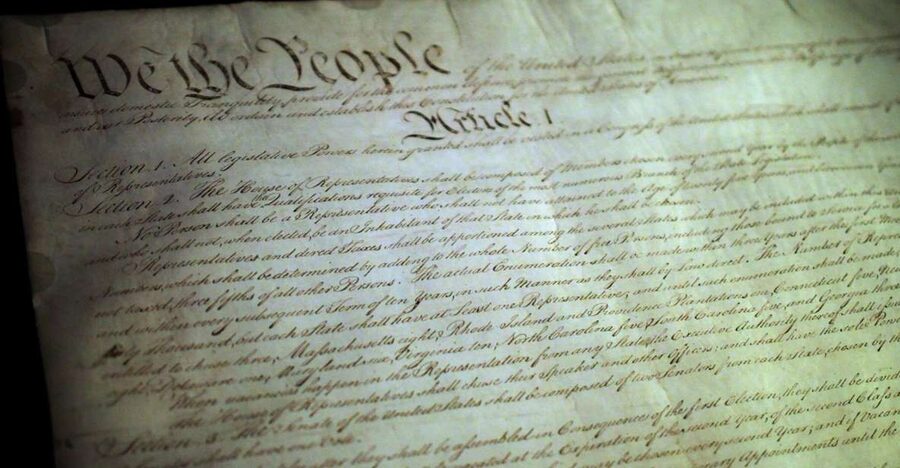
Some museum stops are about admiration. This one includes accountability. You’ll look at the Emancipation Proclamation, which helped end slavery in the 19th century, and you’ll also see a citation issued to civil rights activist Rosa Parks.
The tour’s approach here is important: these aren’t presented as isolated “history moments.” Your guide helps connect them to the longer arc of racial injustice and the slow pace of change. A citation isn’t just a collectible; it’s a paper trail of what people experienced and what society was forced to confront.
This is also the kind of stop where strong storytelling really lands. When your guide explains why a later civil rights action still mattered so much, you’re left with a clearer picture of the time gap between legal change and lived reality.
Rubenstein Gallery: Magna Carta of 1297 for deeper context
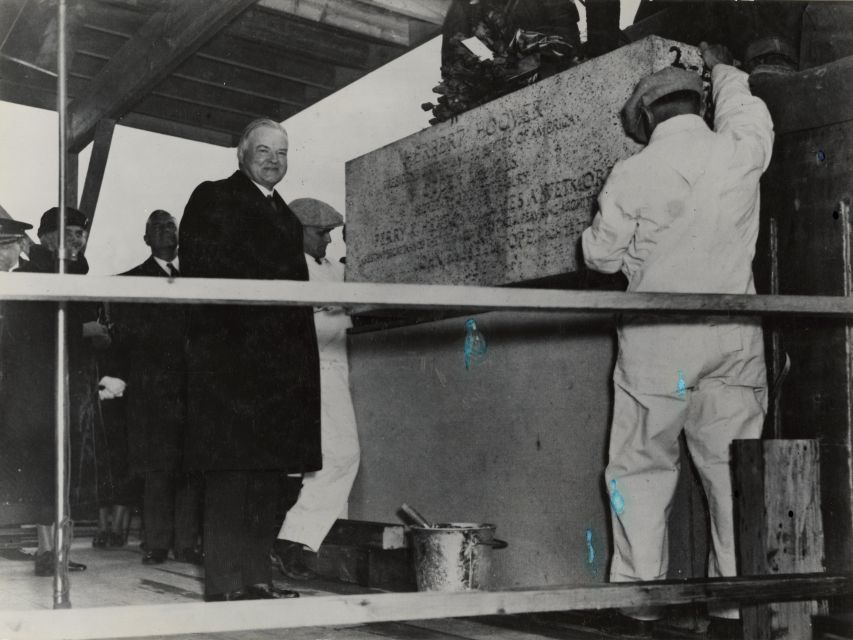
Then you get a surprise shift backward. In the Rubenstein Gallery, you’ll examine older documents, including the Magna Carta of 1297.
This part works because it changes your mental map. US constitutional documents didn’t appear out of nowhere. They’re part of a broader tradition of rulers negotiating limits, rights, and authority—over centuries, not years.
Even if Magna Carta sounds like a lecture you’ve heard before, it becomes meaningful when a guide connects it to what you just saw in the Rotunda and reading rooms. It helps you understand the idea that legal rights and political limits have been argued, revised, and reinterpreted for generations.
Price and value: why $111 can make sense here
At $111 per person for a 2-hour guided highlights experience, this isn’t a bargain-ticket museum stroll. You’re paying for three things that matter in the real world:
- Skip-the-line access via a separate entrance, which protects your time.
- A professional English-speaking guide who helps you understand what you’re seeing.
- A small group size (max 8 for semi-private) that supports questions and personal explanation.
If you’re visiting the National Archives anyway, the guide is the value engine. Without help, the building can feel like a maze full of “important stuff” you can’t fully connect. With help, it becomes a guided argument about how rights and government formed—one document at a time.
Also, $111 buys you focus. Two hours is short enough that the tour needs to be efficient. Here, it’s structured around key originals and major themes, which is a practical way to get the biggest learning per minute.
Who this works best for (and who should plan differently)
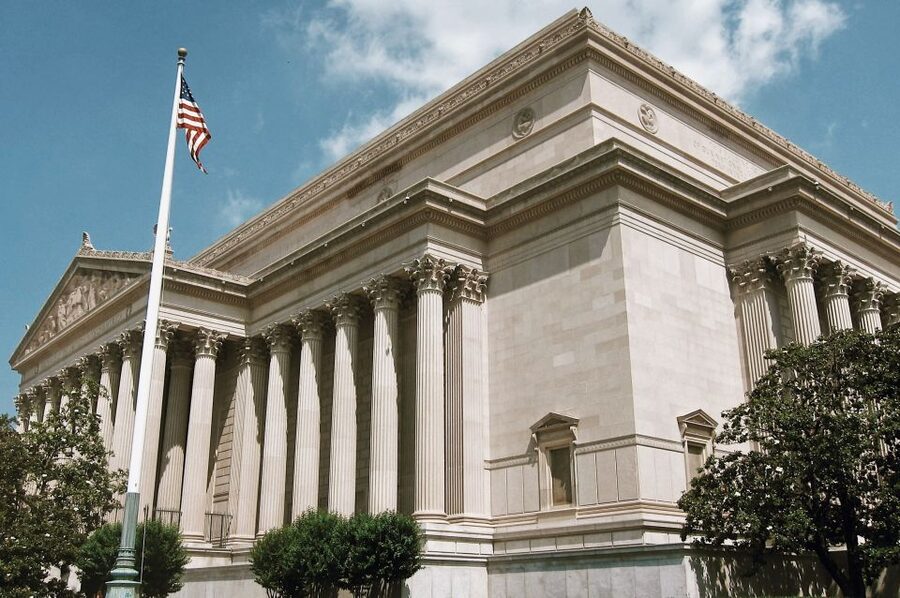
This tour is a strong fit if you:
- Want a guided highlights run through the National Archives without spending your entire day deciding where to go
- Like politics and context, not just dates and names
- Appreciate story-first explanations that make documents feel relevant
It can also suit families, especially when the guide keeps things moving and explains in a way kids can follow. One guide was praised for doing well with a 10-year-old, which is a good sign that the explanations weren’t written only for adults.
Who should plan differently? Wheelchair users should note this tour is not suitable for wheelchair access based on the provided information. If mobility is an issue, you’ll want to look at other options that match your needs.
Finally, remember the bag rules. If you arrive with luggage or anything bulky, you may spend time sorting it out at security. Travel light for a smoother start.
Quick decision: should you book this National Archives tour?
If you want the National Archives highlights, a skip-the-line start, and a guide who turns paper documents into understandable political stories, I think this is an easy yes at $111. Two hours is long enough to feel satisfied, short enough to avoid museum fatigue, and small-group limits help keep the experience personal.
I’d pass if you need wheelchair accessibility, or if you’re the kind of visitor who prefers to wander slowly with your own pace and reading time. Otherwise, book it and treat it like a guided route through the ideas that shaped the US.
FAQ
How long is the National Archives skip-the-line tour?
The tour lasts 2 hours.
What do I need to bring?
You should bring a valid photo ID (passport or ID card).
How many people are in a semi-private group?
Semi-private tours have a maximum of 8 people.
What does skip-the-line mean here?
You enter through a separate entrance to reduce waiting time.
Is the tour wheelchair accessible?
No. This tour is not suitable for wheelchair users.
Are large bags allowed?
No luggage or large bags are permitted through security. You can bring a handbag or a small thin backpack.