REVIEW · WASHINGTON DC
African American History Tour with Museum of African American History Ticket
Book on Viator →Bookable on Viator
DC feels different when you hear the right stories. This half-day African American History tour threads together major Washington DC landmarks and key neighborhoods, then ends with a ticket to the National Museum of African American History and Culture. You get an air-conditioned ride, bottled water, and a guide who makes the past feel close to the sidewalks.
I especially like the way the route mixes famous memorials with places you’d usually miss—starting near the National Mall and moving into real community landmarks. I’ve also got a soft spot for guides like Kenny (often leading the group), who tell it straight with humor and sharp context, so photos come with meaning.
One thing to consider: the day’s stops can change based on what’s open—especially the Frederick Douglass house schedule—and there’s some walking and steps involved. If you’re planning around a specific day, that detail matters.
In This Review
- Key Things That Make This Tour Worth Your Time
- US Navy Memorial Plaza Start: Get Oriented in 15 Minutes
- Capitol and White House Stops: More Than Photo Ops
- Constitution Hall to the Lincoln Memorial: Marian Anderson’s Moment
- Martin Luther King, Jr. Memorial: Read the Words, Not Just the View
- Frederick Douglass House: The Day-Of-Week Switch You Must Plan For
- LeDroit Park, Dunbar High School, and the Howard Theatre: DC’s Black Broadway
- Howard University, Woodson, and Bethune: Following Names Through DC
- NCNW Headquarters and the Mary McLeod Bethune Legacy in One Building
- Civil War Memorial Museum: USCT Names and the Spirit of Freedom
- Museum Ticket Endgame: How to Use Your Time Until 5:30
- Price Check: Is $90 Worth It?
- Who This Tour Fits Best (and Who Might Want a Different Day)
- My Call: Should You Book This African American History Tour?
- FAQ
- How long is the African American History Tour?
- What’s included in the $90 price?
- Does the tour include the National Museum of African American History and Culture ticket?
- Is the White House stop included with admission?
- Where does the tour start and end?
- Is the Frederick Douglass house visit inside the building always included?
- How large is the group?
- Is the tour offered in English?
- Can I get a full refund if I cancel?
- Does the tour run in any weather?
Key Things That Make This Tour Worth Your Time
- It layers landmarks and neighborhoods in one tight 3 hours 30 minutes.
- You get a same-day museum ticket to the National Museum of African American History and Culture.
- The guide’s storytelling style keeps long topics moving at a good pace.
- Frederick Douglass house access depends on the day, with an inside visit on specific weekdays.
- You stop for major moments of civil rights history tied to the Lincoln Memorial and Martin Luther King, Jr. Memorial.
- Howard Theatre and LeDroit Park connections connect music, politics, and community in plain language.
US Navy Memorial Plaza Start: Get Oriented in 15 Minutes
The tour kicks off at the US Navy Memorial Plaza on Pennsylvania Avenue NW, right in the Washington DC core. Starting here matters because it puts you close to the areas you’ll be walking past later, and it makes the first viewpoints make sense fast. You’re not stuck with a long “where are we going?” warm-up.
Right after departure, expect an easy rhythm: a short ride, then stops where the guide explains what you’re looking at and why it mattered. The small-group size (up to 21 people) keeps the experience from feeling like a factory tour. Plus, having bottled water and air-conditioning takes the edge off if you hit a hot day.
A few more Washington DC tours and experiences worth a look
Capitol and White House Stops: More Than Photo Ops
You’ll spend time at the US Capitol area, including a chance to stand where the inauguration of President Obama took place. That’s a neat anchor point because it turns a modern moment into a springboard for older stories. The guide talks about how enslaved people helped build the Capitol and the White House, and how Supreme Court decisions inside the Capitol shaped outcomes for people of color for decades.
Then you’ll move to the White House area. It’s the iconic stop everyone expects, but here’s the payoff: the guide connects African American contributions to the White House story—from enslaved workers who helped construct the building to Barack Obama’s role as the first African American president. Important practical note: the White House itself isn’t included as an entry stop, and admission isn’t part of this tour.
Constitution Hall to the Lincoln Memorial: Marian Anderson’s Moment
One of the most gripping stories on this route centers on Constitution Hall and the Marian Anderson concert on April 9, 1939. Anderson was scheduled to perform, but the DAR—owner at the time—refused her because of race. That sparked a national controversy that people argued about for years, not weeks.
From there, the guide brings you to the Lincoln Memorial, where Anderson eventually performed on the steps of the Lincoln Memorial on Easter Sunday, April 9, 1939, in front of a crowd of 75,000 people. The story also highlights Eleanor Roosevelt’s help in making it happen—because civil rights progress in DC often depended on both spotlight and strategy.
This stop is built for listening as much as looking. The guide connects the Lincoln Memorial to African American landmark events, including the March on Washington, the Anderson concert, and Robert Moten delivering the dedication speech for the opening of the Lincoln Memorial.
Martin Luther King, Jr. Memorial: Read the Words, Not Just the View
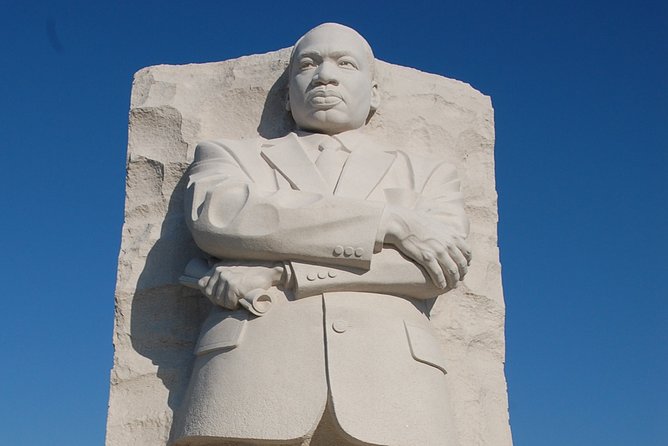
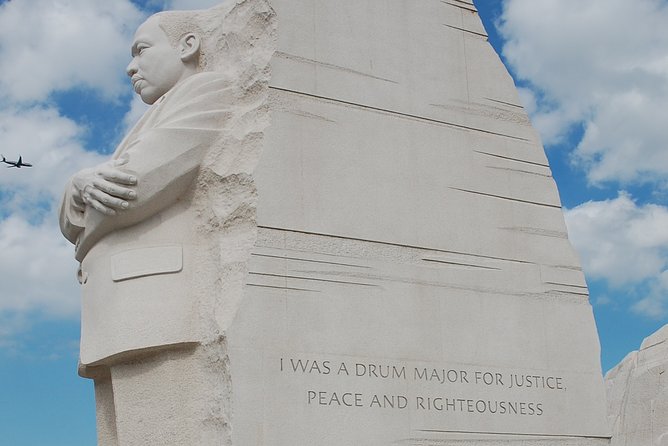
At the Martin Luther King, Jr. Memorial, the guide focuses on details you can easily miss if you only glance for pictures. You’ll be shown and explained the Inscription wall with 14 quotes and statements, plus the Mountain of Despair and the Stone of Hope. Those elements aren’t decoration; they’re a guided lesson in what King’s message looked like in physical form.
You also get facts about how the memorial was made. That kind of behind-the-scenes context helps you connect the monument to the broader civil rights movement instead of treating it as just another stop on the Mall.
Frederick Douglass House: The Day-Of-Week Switch You Must Plan For
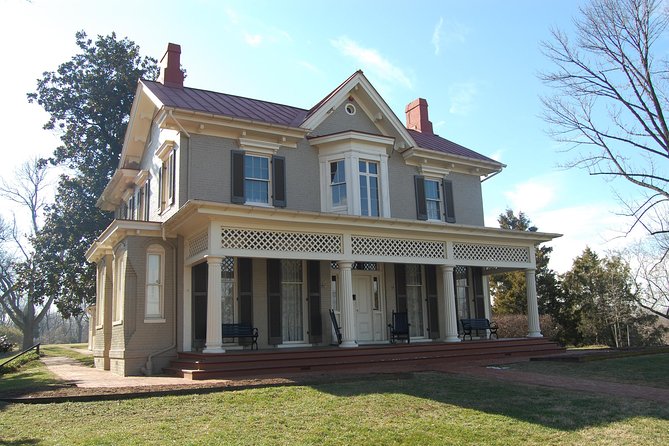
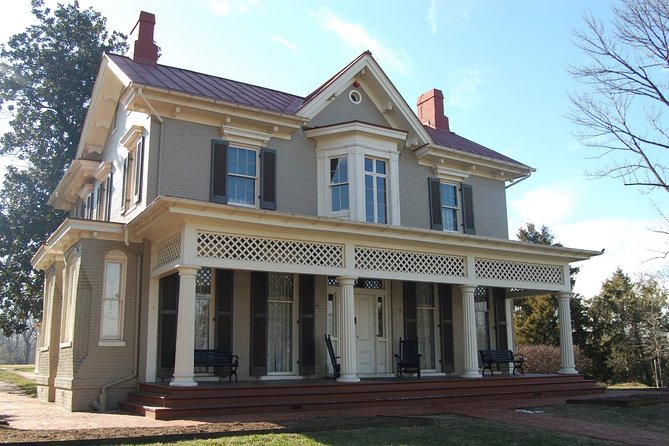
This is the stop where timing can make a bigger difference than most people expect. The Frederick Douglass National Historic Site includes a walking tour inside the Douglass house on Tuesday, Wednesday, and Saturday. On other days, the tour drives past the home and shares history from the outside.
There’s also a heads-up from experience: if you’re visiting when the inside tour isn’t offered, you’ll still hear the story, but you won’t get the same access level. And if you do get the inside visit, there are steps involved—so wear shoes that handle stairs comfortably.
If you’re the kind of traveler who wants the “see it up close” version, plan your booking around the days when the inside house visit is scheduled. It’s the simplest way to make sure this part lands the way you hope.
You can also read our reviews of more historical tours in Washington DC


LeDroit Park, Dunbar High School, and the Howard Theatre: DC’s Black Broadway
After the big memorials, the tour shifts into neighborhood storytelling. LeDroit Park is one of the key stops here, with a backstory that starts with Howard University professors and moves into integration. The neighborhood began with homes built for white professors of Howard University, then became one of the first integrated neighborhoods in the city as homes were sold to both Black and white buyers.
The guide also points out how the area became a hub of cultural and intellectual activity. You’ll hear names connected to leadership and entertainment, including Mary Church Terrell and Duke Ellington. The early 20th-century scene even earned the nickname Black Broadway, with nightclubs, theaters, and music venues driving the buzz.
You’ll also pass by Dunbar High School, founded in 1870 as the first public high school for African Americans in the United States. That’s a powerful context point, because it frames education as a cornerstone of progress, not just a side chapter.
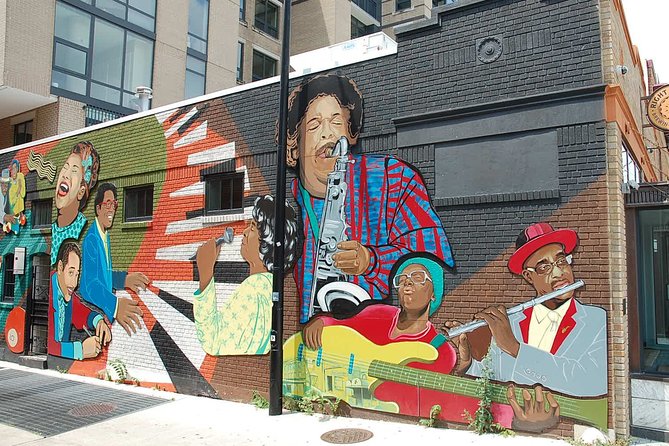
Then there’s the Howard Theatre, opened in 1910 and designed and operated by African Americans. The guide connects it to the segregation era’s performance circuit, including the Chitlin’ Circuit shows, and mentions major performers tied to the venue, such as Duke Ellington, Billie Holiday, Ella Fitzgerald, and Marvin Gaye. If you love how arts and activism overlap, this stretch is a must.
Howard University, Woodson, and Bethune: Following Names Through DC
This tour keeps a thread running through DC by highlighting the people who built institutions and created intellectual power. You’ll drive past Howard University, founded in 1867. The guide connects Howard to its 13 schools and names well-known graduates like Thurgood Marshall, Elijah Cummings, Taraji Henson, and Toni Morrison.
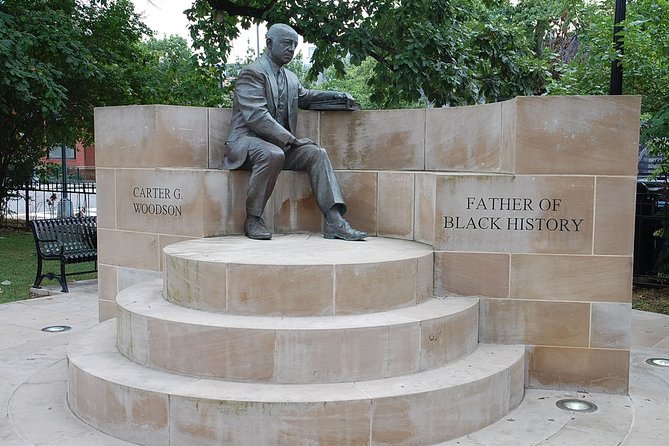
Then you’ll hear about the Carter G. Woodson House, credited with creating Black History Month. This isn’t treated like a trivia stop. It’s framed as a major shift in how the country chooses what to remember—and who gets their work included.
You’ll also pass by the Mary McLeod Bethune Council House. Bethune bought the house in 1943, and the building’s design is described as second French Empire. The tour includes a house tour on Thursday through Saturday, time permitting. That’s a nice bonus because it adds one more layer: not just hearing history, but stepping inside a physical space connected to leadership.
NCNW Headquarters and the Mary McLeod Bethune Legacy in One Building
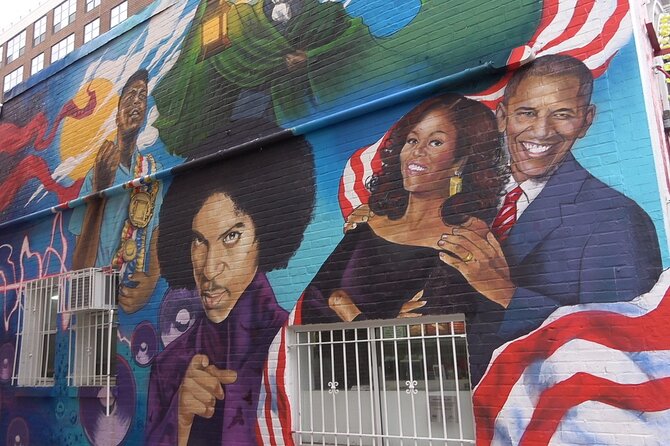
Before the Mall-area stops fully take over, the tour includes the Headquarters of the National Council of Negro Women (NCNW) at 633 Pennsylvania Avenue NW. It’s a historic landmark building with a clear origin story: the NCNW was founded in 1935 by Mary McLeod Bethune to promote the rights and welfare of African American women and their families.
The organization’s headquarters has been in the same building since 1953, and the building is recognized as a National Historic Landmark. You’ll also hear the construction and purchase background: originally built in the late 19th century as a commercial office building, then purchased in 1942 by NCNW with help from a loan from the Federal Housing Administration. That blend—policy, housing, leadership—helps you see how community progress often relied on systems working (or at least being worked) in real time.
Civil War Memorial Museum: USCT Names and the Spirit of Freedom
The African American Civil War Memorial Museum stop focuses on scale and specificity. The guide brings you to the story of the 209,000 African American troops and sailors who fought during the Civil War. Then you’ll have time to read plaques containing the names of all USCT (United States Colored Troops) in the 166 regiments.
There’s also a statue called Spirit of Freedom, created by Ed Hamilton. Even if you only spend about 10 minutes here, this stop tends to hit because it’s not vague. It points to people by name and connects the physical memorial to the fact that participation was massive, organized, and paid for with real loss.
Museum Ticket Endgame: How to Use Your Time Until 5:30
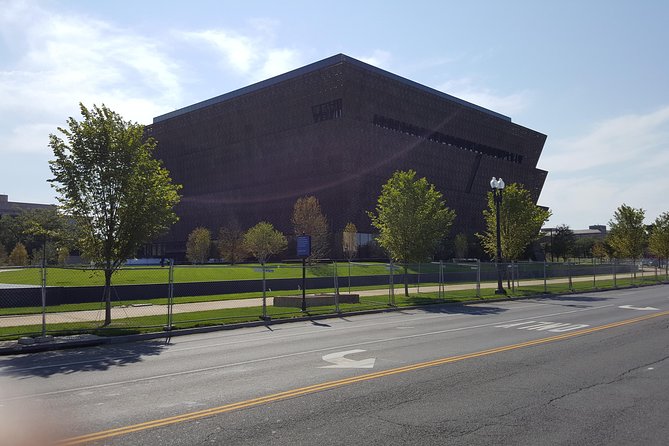
Your tour ends at the National Museum of African American History and Culture, where you receive same-day museum tickets. The ticket works as a smart incentive: you don’t just show up and wander cold. You arrive with context already built from the streets you just walked.
Once inside, you can stay until the museum closes at 5:30. That timing is ideal if you like to take your time but don’t want a full, all-day museum commitment. The key practical point: you must take the tour to get the ticket. So if you’re tempted to be late or split off early, don’t.
Inside, the museum can be a lot. If you’re going for maximum impact, I’d recommend choosing a few areas and committing to reading closely rather than trying to cover everything. You’ll get more out of the moments you stop for.
One review highlight worth factoring in: people describe a guided, hour-long museum focus on the C2 level before self-guided time. So when you arrive, plan to settle in and start with that guided portion rather than rushing straight to the biggest displays.
Price Check: Is $90 Worth It?
At $90 per person, you’re paying for more than a bus ride. Yes, the museum ticket is included, but the real value is the structured guide-led route that connects sites, neighborhoods, and themes in a short time window. You’re effectively buying interpretation plus transportation between scattered stops across the city.
Also, because it’s small-group (up to 21), the guide can answer questions and pace the tour so you get time for photos without falling behind. That kind of pacing is hard to replicate if you try to DIY a “best of African American DC” route in a single half-day.
The best value angle is simple: this tour gives you a guided framework for what you see at the National Mall, then shifts you into less obvious community landmarks where the stories feel more personal and grounded.
Who This Tour Fits Best (and Who Might Want a Different Day)
This is a great fit if you want DC’s African American history and culture explained in a way that connects monuments to neighborhoods. It also works well for first-time DC visitors who want big landmarks without sacrificing context. With a start time of 9:30 am and an end at the museum, it’s also a clean way to build an itinerary without turning your day into a logistics puzzle.
Choose this tour carefully if you’re very mobility-sensitive. There’s walking involved, including steps tied to the Frederick Douglass house when the inside tour is offered. If you’re visiting on a day when the Douglass house inside access isn’t available, you should expect more of a drive-by style stop instead.
My Call: Should You Book This African American History Tour?
I think you should book it if you want a guided route that connects DC’s major memorials with the people and neighborhoods behind them. The structure is tight, the guide style often includes humor and strong storytelling, and the day ends with a museum ticket you can use until closing.
Book it with one mindset: plan for the day-of-week differences at Frederick Douglass, wear comfortable shoes, and treat the museum time as your payoff. Do that, and $90 feels like a fair price for a full half-day of meaningful context plus museum time that doesn’t require guesswork.
FAQ
How long is the African American History Tour?
The tour runs about 3 hours 30 minutes (approx.).
What’s included in the $90 price?
The tour includes an air-conditioned vehicle, bottled water, and tickets to the National Museum of African American History and Culture.
Does the tour include the National Museum of African American History and Culture ticket?
Yes. You receive same-day tickets to the museum at the end of the tour, and you can stay until 5:30.
Is the White House stop included with admission?
No. The White House admission is not included in the tour.
Where does the tour start and end?
It starts at US Navy Memorial Plaza, 701 Pennsylvania Ave NW, Washington, DC 20004, and ends at the museum, 1400 Constitution Ave NW, Washington, DC 20560.
Is the Frederick Douglass house visit inside the building always included?
No. You get an inside walking tour on Tuesday, Wednesday, and Saturday. On other days, you’ll drive past and hear the history from outside. It isn’t available on Sundays and Mondays.
How large is the group?
The tour has a maximum of 21 travelers.
Is the tour offered in English?
Yes, the tour is offered in English.
Can I get a full refund if I cancel?
Free cancellation is available up to 24 hours in advance for a full refund. If you cancel less than 24 hours before the start time, the amount paid is not refunded.
Does the tour run in any weather?
The tour requires good weather. If canceled due to poor weather, you’ll be offered a different date or a full refund.