REVIEW · WASHINGTON DC
Smithsonian Museum of Natural History – Exclusive Guided Tour
Book on Viator →Operated by Babylon Tours DC · Bookable on Viator
Two hours and the museum finally makes sense. This exclusive Smithsonian Natural History tour helps you hit the Hope Diamond and key galleries with a private guide, so you spend less time wandering and more time learning. The one thing to watch: museum security is strict, so plan on no large bags inside.
I like that the route is built for your schedule. You can choose a morning or afternoon start, and the guide’s job is to keep you moving through a building that sprawls across the equivalent of 18 football fields. If you don’t want to stand around in lines or miss the quiet, rule-based rooms, this kind of guided flow is a big win.
In This Review
- Key highlights to look for
- The Smithsonian in two hours: where a guide saves your day
- Hope Diamond to the gem-and-mineral rooms: seeing scale and meaning
- Ancient Egypt mummies: facts with context, not just labels
- Mammals, ice, and the move from past to present
- Ocean Hall and Phoenix: the live coral reef moment
- How to plan your two hours (so you actually enjoy it)
- Value check: $89.67 for what you really get
- Who should book this exclusive Smithsonian tour
- Should you book?
- FAQ
- How long is the Smithsonian Natural History exclusive guided tour?
- Where does the tour meet?
- Is this a private tour?
- What are the main highlights you’ll see?
- What’s included, and what isn’t?
- Is the tour wheelchair friendly?
- Are there luggage or bag limits at the museum?
- What if I need to cancel?
Key highlights to look for
- Hope Diamond storytelling plus the gem-and-mineral context that makes it click
- Dom Pedro Aquamarine and the scale of global gem treasures
- Real Ancient Egypt mummies with death-routine explanations that add meaning
- Mammal and polar zone exhibits that feel like real ecosystems, not labels
- Ocean Hall’s live coral reef exhibit and the famous whale replica, Phoenix
The Smithsonian in two hours: where a guide saves your day
The Smithsonian National Museum of Natural History is the kind of place that looks simple from the outside and feels like a small universe once you’re inside. Left to your own devices, you can absolutely end up “seeing” the museum without really understanding it.
This tour is designed to do the opposite. Your guide points you to the collection highlights in a smart order, explains what you’re looking at, and helps you connect the dots between geology, ancient civilizations, and living animals. And since this is run as a private experience for your group, you’re not competing with a crowd for attention when a question pops up.
The big practical benefit is time. In two hours, you won’t cover the full 126.5 million artifacts the museum houses, but you can walk out feeling like you got the museum’s story arc.
You can also read our reviews of more guided tours in Washington DC


Hope Diamond to the gem-and-mineral rooms: seeing scale and meaning
The tour’s first stretch is all about the museum’s star materials: gems, minerals, and objects that look like they belong in a science fiction movie. The building’s scale is real, so the guide’s value here is pacing. Instead of checking off shiny things, you learn what makes each one important.
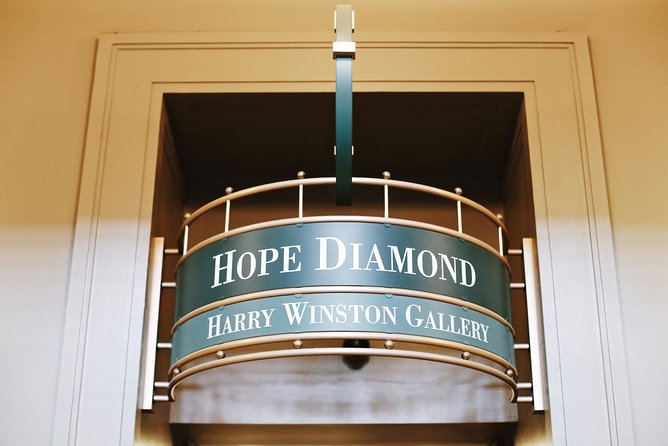
A highlight is the Hope Diamond, famous for its brilliant blue sparkle and its huge history—46 karats, and a backstory that links it to Marie Antoinette as an earlier owner. If you’ve ever seen a diamond in photos, this is different: seeing it in person changes how you think about value, craftsmanship, and even how stories get attached to objects over time.
Next comes the gems-and-minerals orbit, including the Dom Pedro Aquamarine, described as the world’s largest gem of its type. You’ll also get a better sense of how the museum groups these collections, so after your tour you can return and explore independently without feeling lost.
One drawback to consider: security rules limit what you can bring in. The museum allows only handbags or small thin bag packs through security, so if you’re traveling light, great; if not, you’ll want to plan ahead.
Ancient Egypt mummies: facts with context, not just labels
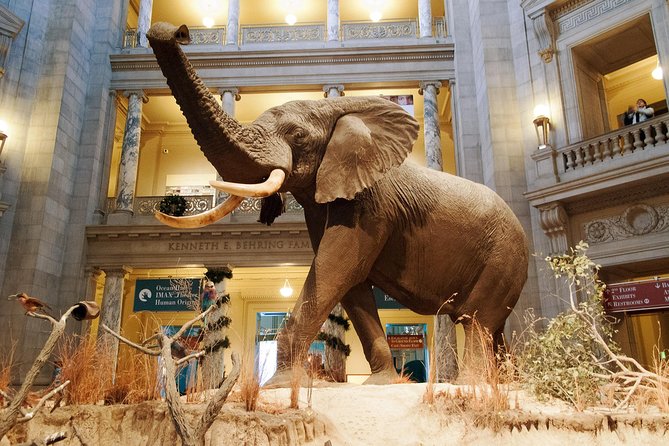
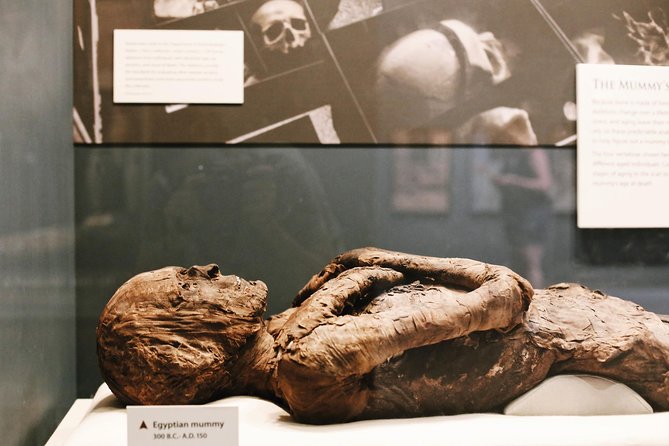
From gems, the tour shifts into deep time with Ancient Egypt. You’ll explore death rituals and related displays, including real mummies from Ancient Egypt. The value here is context. Mummies can easily become a grab-and-go photo moment, but the guide’s explanations help you understand what preservation meant to the people who lived those beliefs.
This is also a useful reset after the bright sparkle of gems. It slows you down in a good way and shows how the museum connects science with human history—how objects survive, how they’re interpreted, and what questions historians and scientists keep asking.
Keep in mind that some rooms can be quiet or have restrictions on speaking. Your guide will flag where the rules apply before you enter, so you’re not the person who accidentally breaks the flow.
Mammals, ice, and the move from past to present
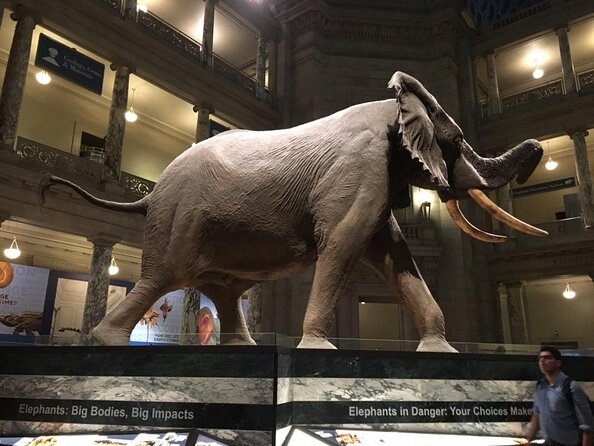
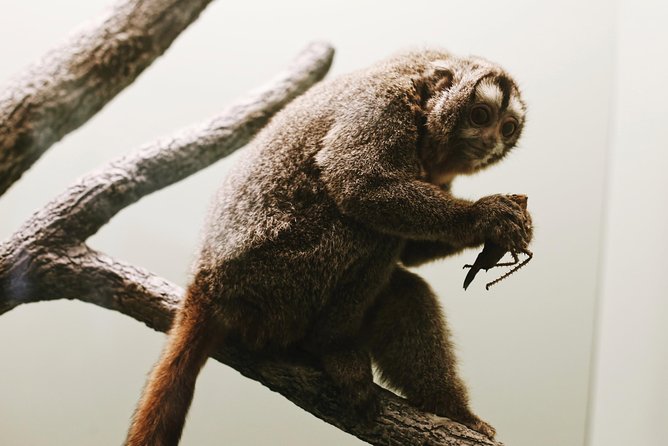
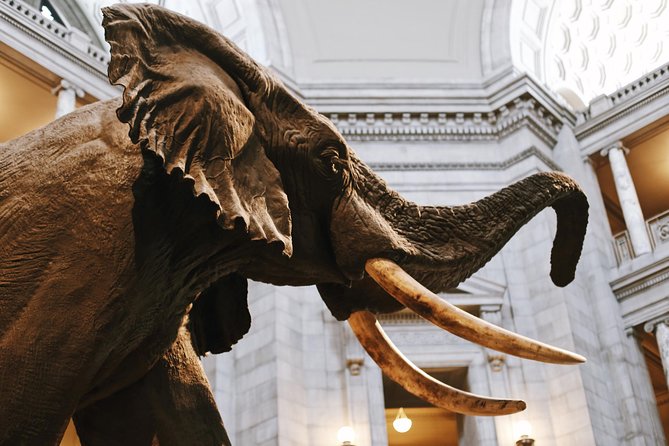
After Ancient Egypt, the tour steps into the wild with animals across Earth’s surface. You’ll pass through exhibits featuring polar bears and other large mammals like elephants and giraffes. The museum does a great job making these animals feel more like environments than separate displays, but it’s still easy to miss the big-picture themes when you’re trying to keep up with a crowd.
That’s where the guide helps again. You get a guided path through the main animal zones, plus stories and facts that explain why the museum displays animals the way it does. The goal isn’t to memorize everything—it’s to get a clear understanding of how ecosystems and adaptations fit together.
This section tends to work especially well for kids and teens too, since the jump from “objects from the past” to “living creatures today” is immediate.
Ocean Hall and Phoenix: the live coral reef moment
The tour’s finale is the Ocean Hall, where the museum’s collection changes tone again—this time into underwater life and the scale of ocean creatures. One of the most memorable parts is the live coral reef exhibit. Seeing coral in a living setup changes the conversation from static specimens to ecology you can watch.
Then there’s Phoenix, a 45-ton whale replica described as matching a real whale the museum tracks. In a building full of ancient artifacts, this kind of big, physical presence lands hard. Even if you’re not a whale person, it’s the kind of display that makes you look longer and notice more details.
If you like nature documentaries, this part will feel like turning the volume up. And if you prefer calmer learning, the guide’s explanations keep the experience grounded instead of turning it into a sprint of captions.
You can also read our reviews of more historical tours in Washington DC




How to plan your two hours (so you actually enjoy it)
Before you go, I’d plan like you’re walking through one of the biggest museums in the world with a stopwatch. That means choosing comfortable shoes and treating the tour as your “greatest hits” overview.
You’ll also want to think about your bags. The museum security approach is strict: no large bags or suitcases inside, only handbags or small thin bag packs. If you’re bringing a daypack that’s on the bulky side, that’s the moment where your plan can fall apart. A smaller bag makes the whole experience smoother.
Moderate physical fitness is required. The tour is only around two hours, but you will be moving through a large building and dealing with occasional crowd flow. If you have mobility needs, it helps to know that wheelchair friendly is listed for this experience, though it doesn’t apply if you select the semi-private option.
One more small tip: if you want to ask questions, do it when something genuinely catches your eye. The best guides keep answers short, relevant, and connected to what you’re seeing in front of you. (In past tours, guides like Leigh, Meghan, and Christopher have been praised for turning stops into stories instead of a list of facts.)
Value check: $89.67 for what you really get
At $89.67 per person for about two hours, this is not a bargain. It’s also not trying to be one. The value comes from how much you gain from a guided route in a museum that’s too big to conquer casually.
Here’s what you’re buying for that price:
- A plan for where to go first, so you don’t waste time guessing
- Explanations that connect objects across categories (gems, mummies, animals, ocean life)
- A guide who keeps your group moving and helps you navigate around crowd pressure
- Private group focus in the exclusive option, which matters if you want real interaction instead of a “follow along” experience
If you were going to spend four or five hours here fumbling your way through highlights, the tour starts to look more reasonable. If you’re the kind of visitor who likes the museum’s big-name items but also wants meaning, this is a strong match.
One consideration: the experience can be disrupted by occasional closures. If the museum opening time is delayed by more than one hour, the operator states they’ll provide an appropriate alternative, and refunds or discounts aren’t offered in those cases. That’s rare, but it’s smart to keep flexibility in your day.
Who should book this exclusive Smithsonian tour
This is a great fit if:
- You want a guided greatest-hits route without committing a full day
- You like natural history but also enjoy human history and science connections
- You’re traveling with kids or teens who need an attention-holding path through a huge building
- You’d rather pay for direction than gamble on your own route
It might not be the best fit if:
- You want unlimited roaming time and don’t mind missing context
- You’re carrying large bags and don’t want to deal with museum security limits
- You’re visiting during a time when unexpected closures could derail your schedule
Should you book?
If your priority is seeing the Smithsonian Natural History Museum’s biggest moments—Hope Diamond, gems like the Dom Pedro Aquamarine, Ancient Egypt mummies, the mammal exhibits, and the Ocean Hall’s live coral reef and whale replica Phoenix—this tour is worth serious consideration. You’re paying for clarity, pacing, and a guide who turns displays into stories that stick.
Book it if you want to walk out feeling like you understood the museum, not just walked past it. Skip it only if you’re intentionally doing a slow, do-it-all-at-your-own-pace day.
FAQ
How long is the Smithsonian Natural History exclusive guided tour?
The tour runs about 2 hours.
Where does the tour meet?
You meet at 1010 Madison Dr NW, Washington, DC 20004, USA, and the tour ends back at the meeting point.
Is this a private tour?
Yes. It’s listed as a private tour where only your group participates. The guide exclusivity can change if you choose the SAVE! BOOK SEMI-PRIVATE option.
What are the main highlights you’ll see?
You’ll focus on collection highlights including the Hope Diamond, gem and mineral displays (including the Dom Pedro Aquamarine), Ancient Egypt mummies and death rituals, animal exhibits like polar bears, and Ocean Hall features like the live coral reef exhibit and the whale replica Phoenix.
What’s included, and what isn’t?
Included is the guided museum tour with your guide for the experience. Food and drinks are not included, and there’s no hotel pickup or drop-off.
Is the tour wheelchair friendly?
Wheelchair friendly is listed for the experience, but it does not apply if you choose the SAVE! BOOK SEMI-PRIVATE option.
Are there luggage or bag limits at the museum?
Yes. Only handbags or small thin bag packs are allowed through security. Large bags or suitcases are not allowed inside.
What if I need to cancel?
Free cancellation is available up to 24 hours before the experience starts for a full refund. If you cancel less than 24 hours before, the amount paid isn’t refunded.