REVIEW · WASHINGTON DC
Smithsonian Natural History Museum Tour Semi-Private 8ppl
Book on GetYourGuide →Operated by Babylon Tours DC · Bookable on GetYourGuide
A 2.5-hour sprint through Smithsonian wonders works. This semi-private Natural History Museum tour strings together the biggest headliners, from the Hope Diamond to science stops you can actually understand on the spot, guided by people like Leigh and Tim. You’ll also get a human story behind the museum’s objects, especially the replica of Phoenix, a 45-ton whale.
Two moments I’d pick every time: the Hope Diamond itself, and the way the tour brings Phoenix to life instead of treating it like a static display. The guide even shapes the route around your interests, so your time doesn’t get burned chasing random rooms.
One thing to consider: you’ll move on foot for about 150 minutes, and museum rules limit what you can bring (no large bags, only small ones through security) plus some rooms have quiet or restricted talking rules.
In This Review
- Key takeaways before you go
- A Smithsonian highlights tour that moves with purpose
- Gem stars: Hope Diamond, Dom Pedro Aquamarine, and the Star of Asia
- Mummies and the Fossil Lab: the museum’s real science side
- Ocean Hall coral reef and the Phoenix whale replica
- Arctic Narwhal and land giants on display
- How the guide makes a difference: Leigh, Tim, Richard, Amanda, Tony, and Brenda
- Price and value: is $95 per person fair?
- Practical planning tips that save you stress
- Who this tour fits best (and who should consider another plan)
- Should you book this Smithsonian Natural History Museum tour?
- FAQ
- How long is the Smithsonian Natural History Museum tour?
- Is this tour private or semi-private?
- What major highlights are included?
- Can I skip the ticket line?
- What do I need to bring?
- Are large bags allowed?
- What if I need to cancel?
- Is the tour good for families?
Key takeaways before you go
- Small group, big personal attention: up to 8 people, with the guide adjusting pacing to your interests.
- You’ll hit the absolute highlights: Hope Diamond, Dom Pedro Aquamarine, Star of Asia Sapphire, real mummies, and Phoenix the whale replica.
- Science is part of the fun: Fossil Lab moments and Arctic Narwhal stops make the museum feel practical, not just decorative.
- Ocean Hall brings the sea indoors: a real coral reef exhibit helps you visualize marine life at scale.
- Guides can make it feel tailored: names like Tim, Richard, Amanda, Tony, Brenda, and Leigh show up in standout experiences.
A Smithsonian highlights tour that moves with purpose
The biggest reason this tour works is simple: the Smithsonian Natural History Museum is huge. With 126 million artifacts in the collection, wandering without a plan can turn into a lot of staring at placards and not enough “wow” moments. This guided route is built to get your bearings fast and send you to the right rooms without wasting time.
You can choose between small group or private options, and each tour caps out at 8 people. That size matters. It gives you enough quiet space to ask questions, while still keeping the energy lively.
The tour runs about 150 minutes on foot. That’s long enough to cover major highlights, but short enough that you’ll still be able to explore more on your own after.
You can also read our reviews of more private tours in Washington Dc



Gem stars: Hope Diamond, Dom Pedro Aquamarine, and the Star of Asia

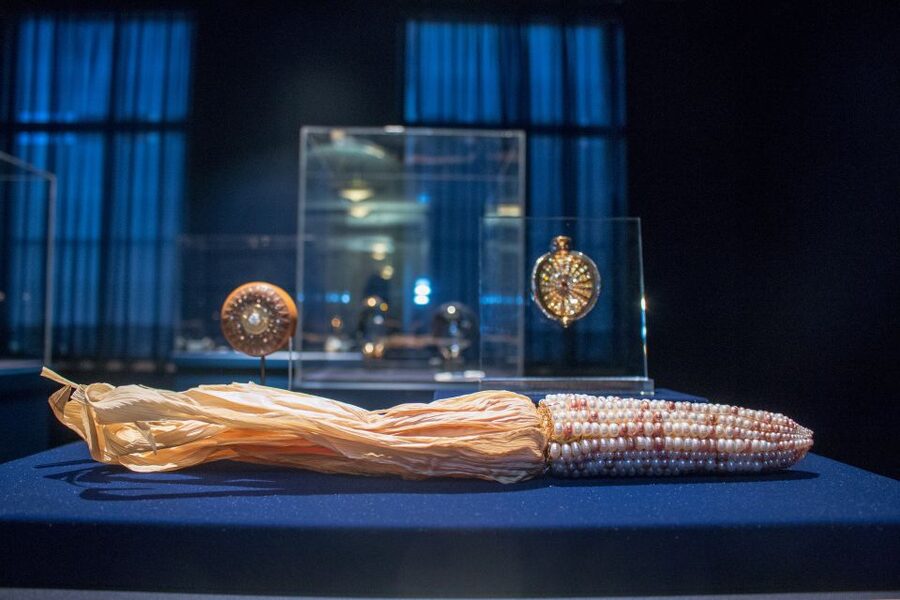
If you’re drawn to the museum’s famous jewelry, this is the section that makes people stop mid-walk. The tour spotlights the 46-karat Hope Diamond, which is one of the world’s best-known gems for a reason. Your guide doesn’t just point it out; they frame what makes it historically and scientifically interesting.
Right next door in the conversation (and on your path) is the Dom Pedro Aquamarine, described as the world’s largest gem of its type. You’ll also see the Star of Asia Sapphire, another showpiece that helps you understand how different gemstones are judged and studied.
This is also where a good guide earns their keep. In reviews, Tim and Leigh are singled out for storytelling, and the best part is how they connect the objects to real details you can remember. You’ll leave with more than a photo—you’ll have a mental map of why each gem matters.
Mummies and the Fossil Lab: the museum’s real science side

Some museums put “mummies” on the list like a thrill ride. Here, the tour treats them as part of the museum’s scientific mission and human curiosity, which makes the experience feel more grounded.
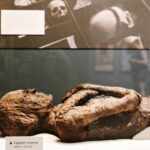
You’ll see real mummies on this itinerary. Instead of sprinting past, your guide gives you context so the display clicks—what you’re looking at, why it was preserved, and what researchers can learn from it. That kind of explanation changes how you view the rooms, especially if it’s your first visit.
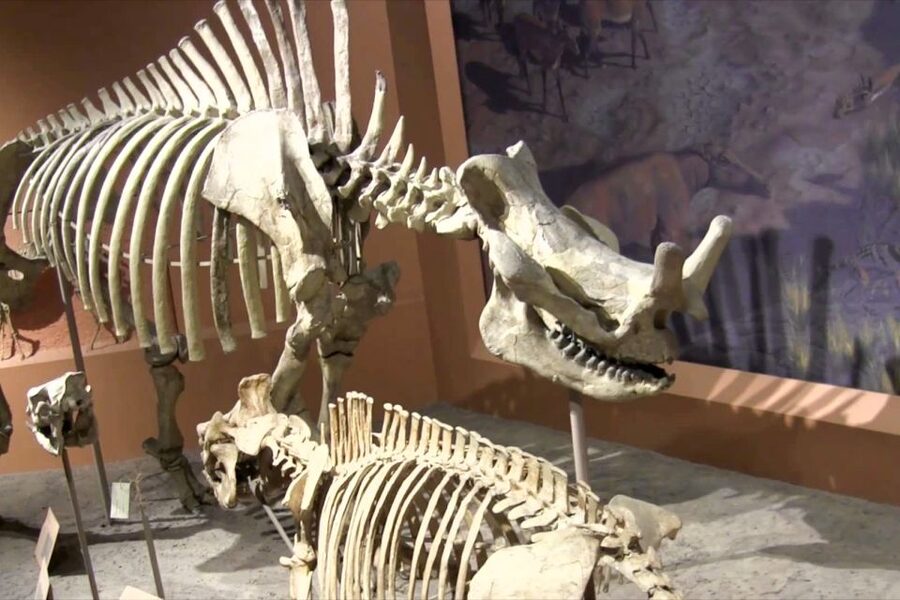
Then the tour shifts into hands-on style thinking at the Fossil Lab. Fossils can be intimidating if you don’t know what to look for, but a guide can translate shapes and features into something meaningful. The result: you start seeing evidence, not just rocks.
Ocean Hall coral reef and the Phoenix whale replica
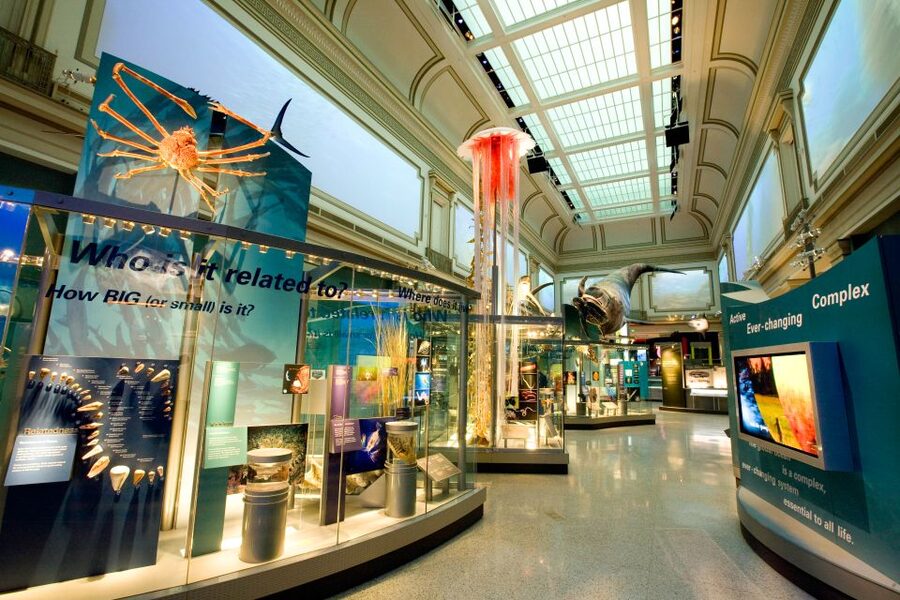
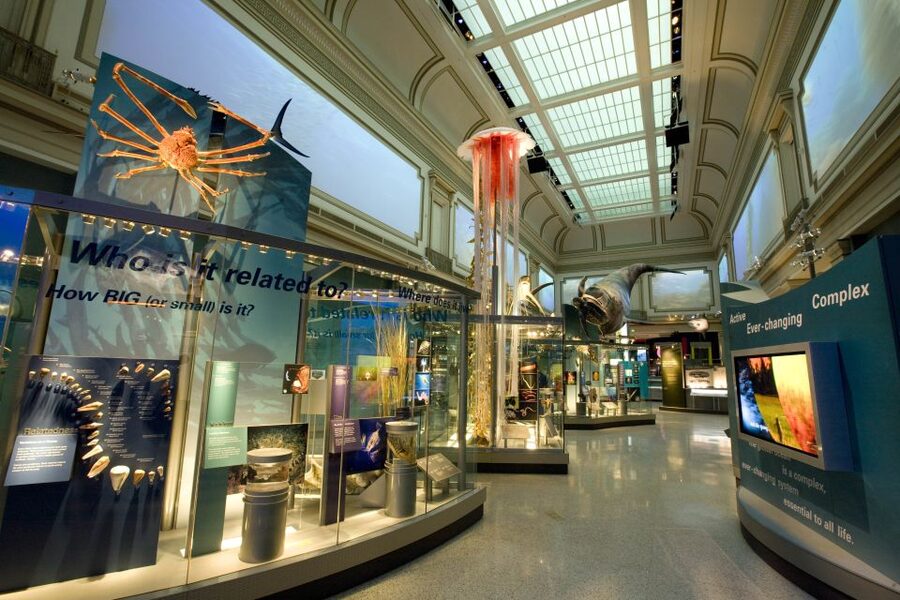
This tour doesn’t only chase land animals and gems. It spends time in Ocean Hall, where a real-life coral reef exhibit brings the ocean indoors. It’s a great contrast to the stone-and-glass world of gems, because here you get texture, movement, and scale you can actually feel.
The other signature stop is Phoenix, the 45-ton whale replica. What makes it special on the tour is that it’s not presented as a random statue. You learn the story behind Phoenix—how the museum has been following it in the wild—which turns a massive exhibit into an ongoing real-world connection.
If you like nature stories that feel active and current, this section is a highlight. And if you’re traveling with kids or teenagers, it’s also a strong attention grab: a whale you can picture at enormous scale is easier to connect to than many museum facts.
Arctic Narwhal and land giants on display
After the ocean stops, you’ll switch back toward the museum’s big creature displays. One standout is the Arctic Narwhal. A tour guide can make this more than a name on a wall by tying it to habitat and biology—why this animal has the features it has, and how it fits into Arctic life.
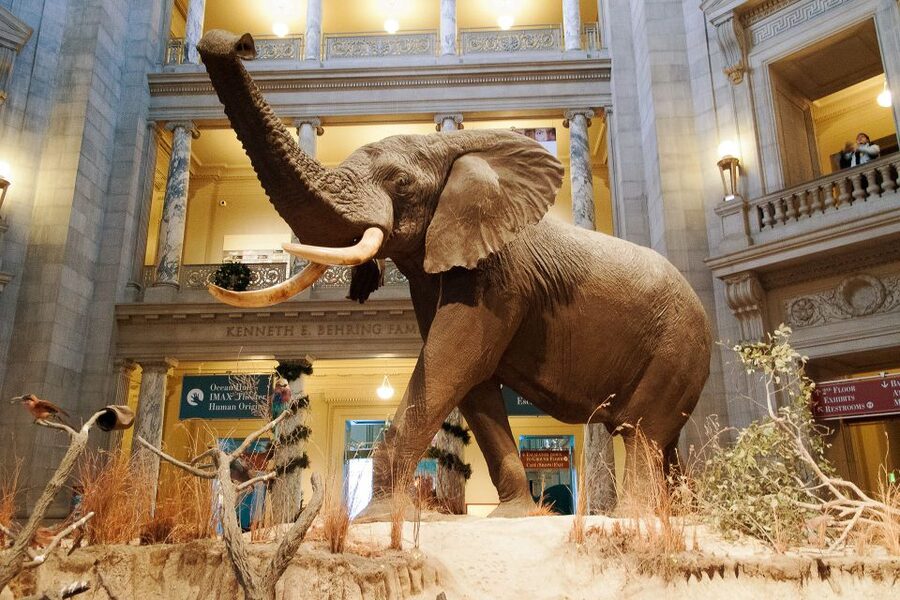
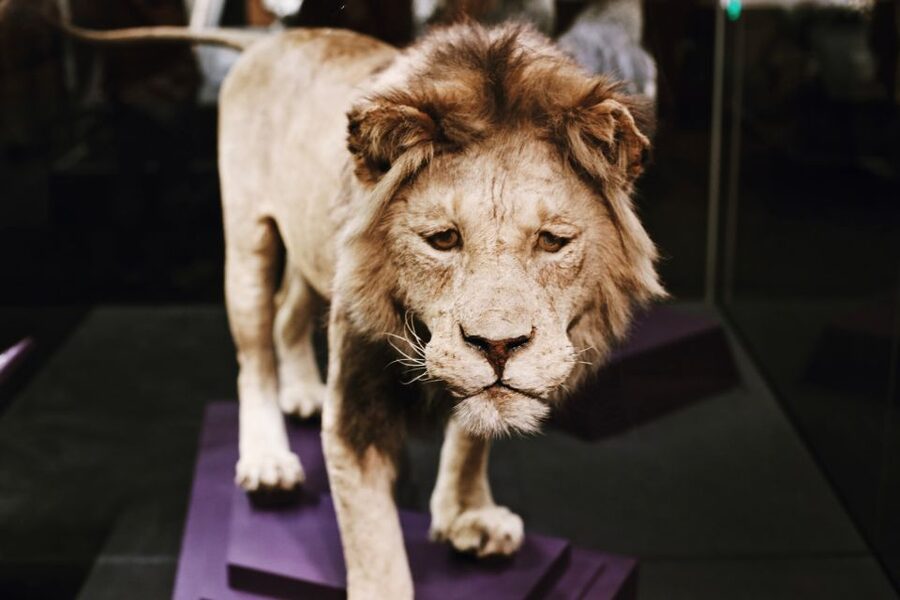
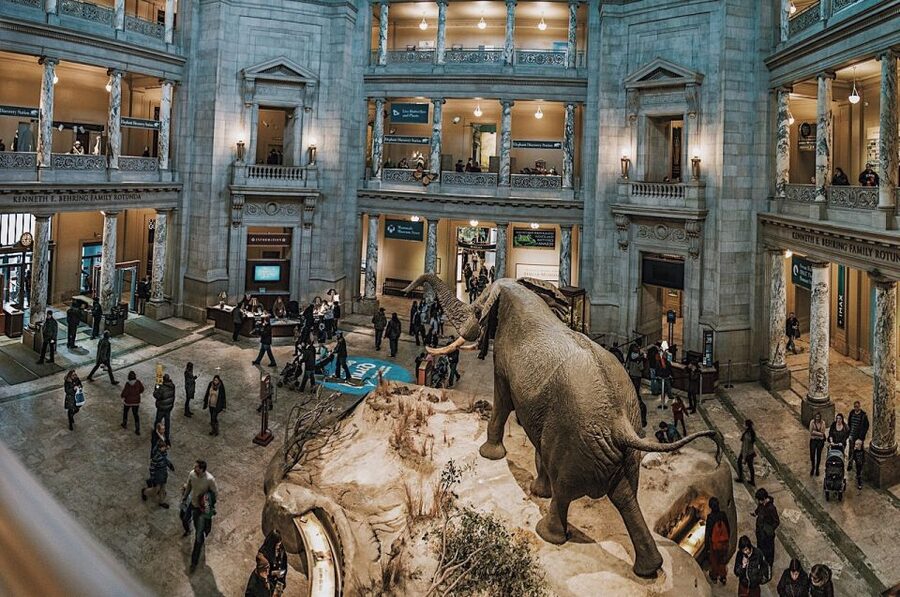
Then you’ll see land giants on display, including giraffes, elephants, and polar bears, plus other large animals. These moments matter because they show the museum’s range: you’re not just collecting facts from labels, you’re comparing forms and adapting to different environments.
The best value here isn’t just the animals. It’s how the guide helps you pace your attention. You’re not spending 20 minutes arguing with yourself about whether to read every placard. You read the key points, look for what matters, and move to the next “aha.”
You can also read our reviews of more historical tours in Washington Dc




How the guide makes a difference: Leigh, Tim, Richard, Amanda, Tony, and Brenda
A strong guide can turn a museum visit into a conversation, not a checklist. In the experiences shared, guides like Leigh, Tim, Richard, Amanda, Tony, and Brenda are repeatedly praised for how they keep people engaged.
A few patterns show up clearly:
- Storytelling that works across ages. Leigh was called out for keeping an experience interesting even for a 16-year-old. Amanda also managed to hold attention with little ones.
- Tailoring to your interests. Tim is described as asking what you care about and then spending more time where you’ll actually enjoy it. That’s the difference between a tour you tolerate and one you remember.
- Conversational, curious energy. Reviews highlight guides who chat naturally and invite questions—making the museum feel like a living place of discovery.
One practical win: skipping the ticket line. It doesn’t sound dramatic, but when you’re aiming for a full 150 minutes inside, every minute saved before you even start looking is valuable.
Price and value: is $95 per person fair?
At $95 per person for about 2.5 hours, the price looks steep at first glance. But for this kind of museum experience, you’re paying for three things: an expert guide, a focused route through crowded rooms, and time saved by skipping the ticket line.
The “small group up to 8” limit is a big part of the value. If you’re paying for a guided museum tour, you want your guide to actually manage the room, not just recite facts to a large crowd. Here, the format supports questions, pacing, and personalized emphasis on what you care about.
It’s also a strong choice if this is your first visit to the museum. You’ll see the highlights with explanations that help you understand what you’re looking at. If you’re already a deep museum nerd, you’ll still appreciate the structure, even if you choose to linger longer afterward.
Practical planning tips that save you stress
Here’s what you should know before you go so you don’t lose time at security or inside.
Bring valid photo ID. The tour information specifically asks for a passport or ID card. That’s usually the only personal document check you should expect for this type of visit.
Keep your bag small. Luggage or large bags aren’t allowed. The rules say only handbags or small thin bag packs are allowed through security. If you arrive with a bulky backpack, you might spend your first minutes dealing with restrictions instead of seeing exhibits.
Dress appropriately for some sites. Some areas inside the museum require appropriate dress for entry. The tour doesn’t describe what counts as appropriate, so I’d treat this as a heads-up to avoid anything too casual for museum entry rules.
Quiet or restricted rooms can happen. Some rooms inside have rules about quiet or restricted right to speak. Your guide will let you know what to expect before you enter.
Meeting point varies. The meeting point may change depending on the option you booked, so watch your confirmation details and plan to arrive a bit early.
Wheelchair note: the included info mentions wheelchair tours by request only, but the “not suitable for wheelchair users” note appears too. So if mobility access is essential, confirm directly before booking and don’t assume the tour format will match what you need.
Who this tour fits best (and who should consider another plan)
This tour is a strong fit for people who want the Smithsonian’s key moments without turning the day into a maze. It’s ideal if you’re short on time, visiting for the first time, or you want your questions answered by someone who knows the museum.
It also works well for mixed groups, since guides like Leigh and Amanda are described as engaging both teens and younger kids. If your family includes different interests, the format’s small size makes it easier to steer the conversation toward what everyone wants to see.
If your priority is slow, independent exploration with total freedom to roam, you might still enjoy the tour—but you may want to use it as a first pass, then return to your favorite rooms afterward.
And if you need wheelchair access, double-check suitability with the provider first because the information includes a contradiction on wheelchair friendliness.
Should you book this Smithsonian Natural History Museum tour?
I’d book it if you want the best parts of the museum in a structured 2.5 hours, with an expert guide and a small group size. It’s especially worth it at the $95 price point when you factor in the time saved from skipping the ticket line and the guide-led emphasis on standout exhibits like the Hope Diamond, Dom Pedro Aquamarine, real mummies, Ocean Hall, and Phoenix.
Skip it if you’d rather wander freely at your own pace, read every label in detail, or you’re likely to struggle with security bag limits and walking time.
If you’re on the fence, use this rule of thumb: if you want a guided highlights route that actually makes the exhibits click, this is the kind of tour that delivers.
FAQ
How long is the Smithsonian Natural History Museum tour?
The tour lasts about 150 minutes, which is roughly 2.5 hours.
Is this tour private or semi-private?
You can book either a private option or a small group tour. Each tour allows a maximum of 8 people, and semi-private tours require at least 2 participants.
What major highlights are included?
The tour includes the Hope Diamond, the Dom Pedro Aquamarine and Star of Asia Sapphire, real mummies, Ocean Hall with a coral reef exhibit, the Phoenix whale replica, and stops such as the Fossil Lab and the Arctic Narwhal, plus large land animals like giraffes, elephants, and polar bears.
Can I skip the ticket line?
Yes, the tour includes skipping the ticket line.
What do I need to bring?
Bring valid photo ID, such as a passport or ID card.
Are large bags allowed?
No. Luggage or large bags are not allowed. Only handbags or small thin bag packs are allowed through security.
What if I need to cancel?
You can cancel up to 24 hours in advance for a full refund.
Is the tour good for families?
Based on guide experiences shared, it can work well for families, including keeping attention for a 16-year-old and for little kids during the tour.