REVIEW · SORAGNA
Parma: Parmigiano Reggiano Museum Ticket
Book on GetYourGuide →Operated by Musei del Cibo della provincia di Parma · Bookable on GetYourGuide
One ticket, one world-famous cheese story. In the heart of Parma, the Parmigiano Reggiano Museum connects the dots from 17th-century stables and an old hay barn to why this cheese matters. I love the setting and the sense of craft you get as you walk the Castellazzi complex, and I also like that you can tack on an optional Parmigiano tasting. The main catch is simple: the ticket price does not include the tasting or drinks.
This is a one-day ticket with entry times you’ll want to check before you go. It’s also wheelchair accessible, so it’s built to work for different visitors, not just the fast-walking crowd.
Run by Musei del Cibo della provincia di Parma, this is a practical stop when you want something more than a quick “cheese shop” visit. You’ll see the production side of Parmesan, including rooms used in the process and tools used historically and in more modern ways.
In This Review
- Key things I’d focus on
- Parmigiano Reggiano Museum in Parma: what you’re buying for $8
- Entering the Castellazzi complex and its iconic look
- Old stables and the ancient hay barn: why these rooms matter
- The museum house: vaulted roofs, a circular cheese plant, and more
- Basement milk room and salting room: turning lessons into steps
- Cheese-making tools and equipment, then and now
- Optional Parmigiano tasting: when it’s worth adding
- Price and value: why $8 is a solid deal
- Timing tips for a smoother visit
- Who will enjoy this most (and who might not)
- Should you book the Parmigiano Reggiano Museum ticket?
- FAQ
- What is the price of the Parmigiano Reggiano Museum ticket?
- Where is this experience located?
- How long is the ticket valid?
- Does the ticket include a Parmigiano Reggiano tasting?
- What’s included with the museum ticket?
- What is not included?
- Is the museum wheelchair accessible?
- Can I cancel my booking?
Key things I’d focus on
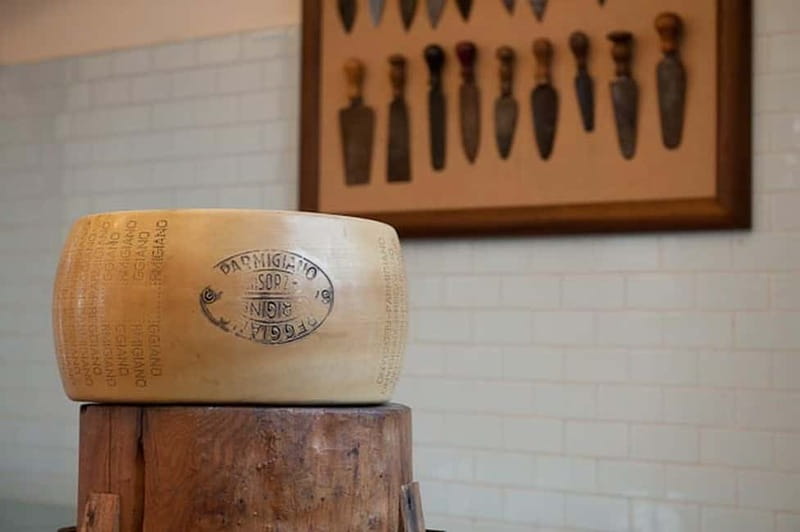
- Castellazzi complex architecture: you’ll recognize it fast and want to photograph it
- Original 17th-century stables and hay barn: real old buildings, not replicas
- House + production spaces: vaulted interiors, a historic hay barn, and more
- Basement milk room and salting room: you visualize steps in the workflow
- Tools and equipment: compare how cheesemaking was done then versus now
- Optional tasting: the ticket is good with or without it, but tasting adds the payoff
Parmigiano Reggiano Museum in Parma: what you’re buying for $8
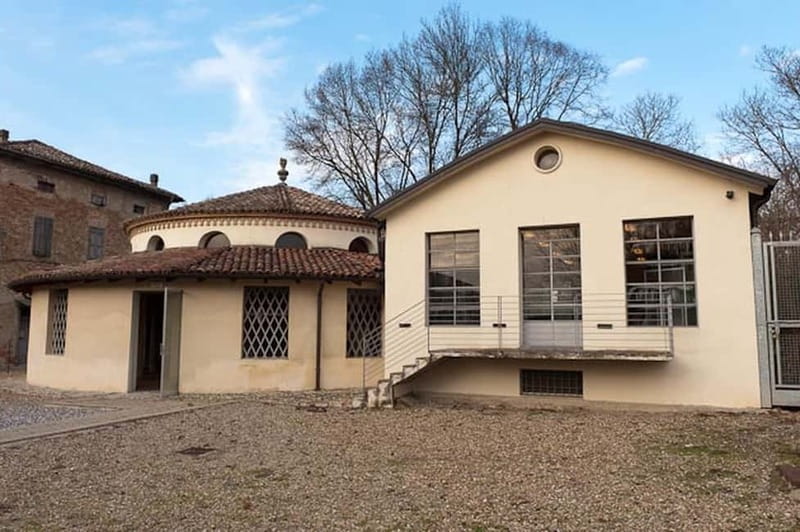
For $8 per person, you’re getting entry to a museum built around one obsession: Parmigiano Reggiano. That price feels fair because it’s not just a display of wheels behind glass. You’re walking through a working-style setting—buildings and rooms that help you understand how the cheese became a cultural institution in Emilia-Romagna.
This ticket is valid for one day, but you should check available starting times before you plan your day. Think of it like a timed entry museum: show up within the slot you book, then take your time inside.
The tasting option is separate. If you care about finishing with a hands-on moment, choose the ticket that includes the add-on (and budget a bit more if you want drinks alongside).
Entering the Castellazzi complex and its iconic look
Your visit starts in the Castellazzi complex, and it’s the kind of place where you immediately get why people bring cameras. The area includes original structures and an old layout that makes the museum feel grounded in real production life.
One highlight is the chance to snap photos of the Castellazzi architecture. It’s an easy win because the buildings have that classic Italian stone-and-structure look that reads well even without any special angles.
What I like here for planning is that the complex gives you variety without feeling scattered. You’re moving from exterior context to interior rooms that match what you’re learning. In other words, the museum doesn’t feel like you’re hopping randomly between unrelated exhibits.
Old stables and the ancient hay barn: why these rooms matter
The museum includes original 17th-century stables and an ancient hay barn. These spaces aren’t there just for decoration; they help explain how cheesemaking fit into daily life on a larger agricultural site.
As you walk, pay attention to the scale and structure. Vaulted roofs and large agricultural interiors do something modern museums often can’t: they give your eyes a sense of how much space production takes. Even if you know nothing about Parmesan, the building layout helps you understand why cheesemaking became so organized.
If you like architecture and industrial history, this section is usually the biggest emotional payoff. It’s the part that makes the experience feel real, not staged.
The museum house: vaulted roofs, a circular cheese plant, and more
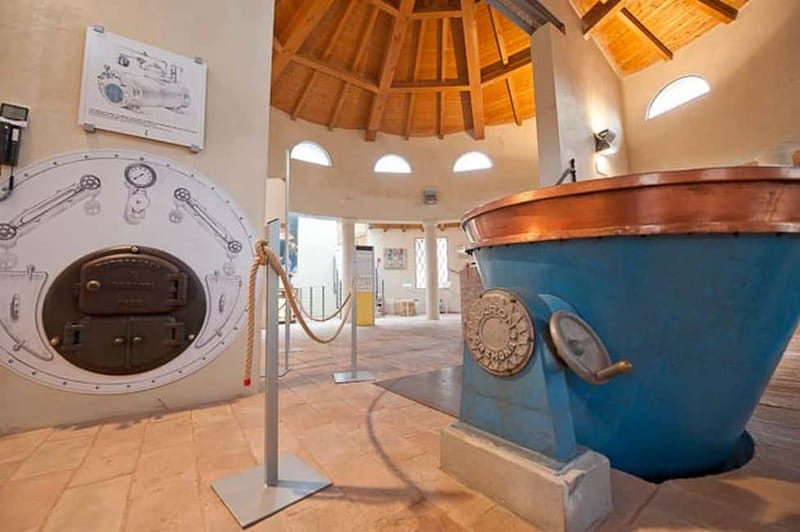
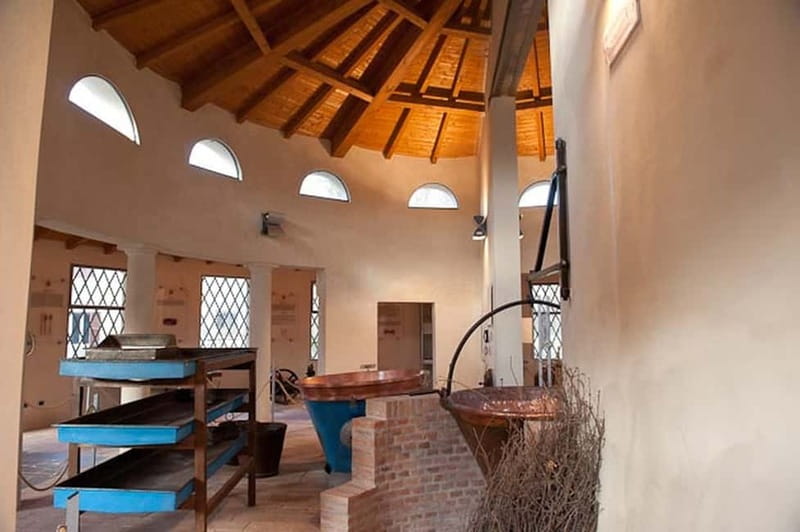
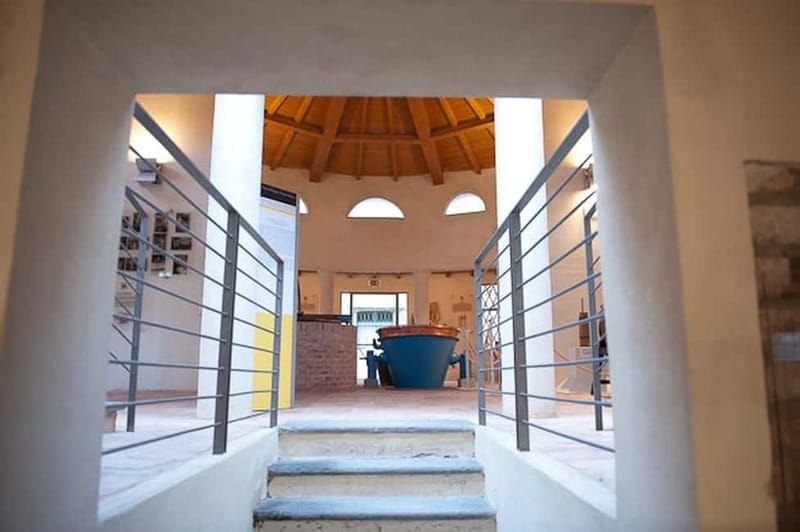
Next, you’ll move into the main house area of the museum. This is where you’ll see how the original stables were retained, along with a historic hay barn and a circular cheese plant.
That circular layout is worth your attention. When museums show production in a shaped space like this, it often hints that workflow mattered—how milk and handling moved, where processes took place, and how space was organized for storage and repeated steps.
You can also expect to see additional features that reflect later additions. The museum includes areas such as the basement spaces used in the process, plus rooms tied to key steps like salting.
For a short visit, the museum’s value is this: the layout helps you connect the dots between story and method. You’re not just reading plaques; you’re seeing the rooms where things would have happened.
Basement milk room and salting room: turning lessons into steps
Some museums stay on the surface. This one tries to make the process visible through specific rooms.
Two spaces called out in the museum are the basement milk room and the salting room. You’ll learn about what happens in those stages, and the rooms themselves help you picture timing and handling. Milk doesn’t behave like dry goods, and salting isn’t just a flavor step—it’s a process step. Seeing dedicated spaces makes that click.
Even if you’re not a cheesemaking expert, this is where the museum becomes more than an educational walk. The moment you understand the process in sections—milk handling, salting, later aging/storage—you’ll start to see the whole system instead of a single cheese wheel.
Cheese-making tools and equipment, then and now
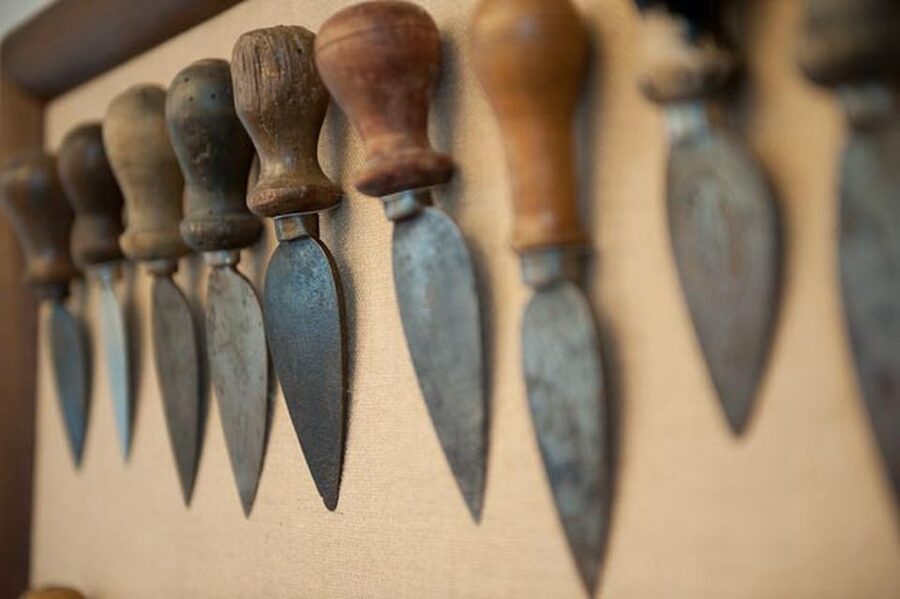
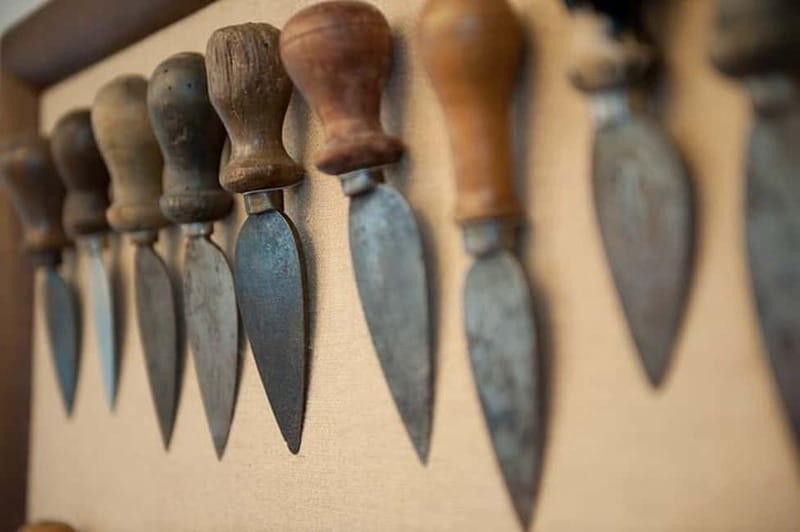
One of the most practical parts of the visit is the section showing tools and equipment. You’ll see examples of the instruments used historically, plus equipment associated with modern cheesemaking.
This is great if you’re the type who likes to know how things were actually done. Tools put meat on the bones of the story. They explain not just that people made Parmesan, but how they worked day to day, with what kinds of gear, and how methods evolved.
Try to look at the tools as evidence of workflow. When you compare old and more modern equipment, the differences can point to changes in speed, control, and handling. You don’t have to be technical to appreciate it—you just need to look closely and connect what you see with the process rooms.
Optional Parmigiano tasting: when it’s worth adding
You can choose a museum ticket with or without the Parmigiano Reggiano tasting add-on. If you’re the kind of person who remembers experiences by taste, I’d pick the tasting ticket.
Here’s why: the museum teaches you how the cheese gets made, and then tasting is the part that turns that knowledge into a personal memory. Without it, the visit is still interesting—especially because of the old buildings and production rooms. But with tasting, you get the last step: flavor and texture that match what you learned.
Also note that tasting and drinks are not included in the base entry ticket. That means you should treat tasting as a planned add-on rather than an included bonus. If you want the full experience, choose the ticket option that includes it.
Price and value: why $8 is a solid deal
Let’s talk value. At $8 per person, you’re paying for museum entry plus access to the Castellazzi complex, the preserved original structures, and the education around production and tools. For a one-day visit, it’s a straightforward price that’s hard to complain about—especially if you like process-based sightseeing.
Where value really changes is with the tasting. If you add it, you get a complete story arc: buildings and rooms explain the workflow, and the tasting lets you experience the end result. If you skip it, you’re still getting a focused museum visit centered on history and craft, just without the final food payoff.
In practice, this ticket works well as a Parma anchor stop—especially if you want a break from churches and city views and prefer hands-on learning.
Timing tips for a smoother visit
Because it’s a one-day ticket with starting times, plan your day around your chosen entry slot. Don’t book it as a “we’ll wander in sometime” activity unless your schedule is flexible.
If you’re visiting with kids or friends who get bored reading, you’ll still be fine because the museum has visual variety: exterior architecture, retained original interiors, then rooms tied to process steps, plus tools and equipment. It’s the kind of pace where you can slow down for photographs, then speed up when you want to keep moving.
Also, the museum is wheelchair accessible. If that matters to you, you’ll likely appreciate that the attraction is set up to be navigable for more than just able-bodied visitors.
Who will enjoy this most (and who might not)
This works best if you:
- like food culture that connects to place and industry
- enjoy seeing how things are made, not just tasting the end product
- want a Parma activity that isn’t strictly about art or monuments
It may feel less compelling if you only want quick entertainment or you hate museums that require a bit of attention to learn the process. The museum is still approachable, but it’s not a “one minute and done” stop.
For most people, it’s a smart add to a Parma day because it balances education with a real physical setting.
Should you book the Parmigiano Reggiano Museum ticket?
Yes, I’d book it if you want a focused Parma experience tied to a real local icon. The combination of original 17th-century stables, a preserved complex like Castellazzi, and process rooms such as the basement milk room and salting room makes the ticket feel substantial for the price.
If tasting is important to you, choose the ticket option that includes the Parmigiano Reggiano tasting add-on. If tasting doesn’t matter, the museum still offers a strong walk-through of craft, tools, and architecture.
Bottom line: this is a good value, clear-topic museum visit that gives you more than just facts. You’ll leave with a better sense of how Parmesan became part of the region’s identity.
FAQ
What is the price of the Parmigiano Reggiano Museum ticket?
The ticket is listed at $8 per person.
Where is this experience located?
It’s in Emilia-Romagna, Italy, with the museum in the heart of Parma.
How long is the ticket valid?
The ticket is valid for 1 day.
Does the ticket include a Parmigiano Reggiano tasting?
You can choose a ticket with or without the Parmigiano Reggiano tasting. The base entry ticket does not include tasting and drinks.
What’s included with the museum ticket?
The entry ticket is included.
What is not included?
Tasting and drinks are not included with the basic ticket.
Is the museum wheelchair accessible?
Yes, the experience is wheelchair accessible.
Can I cancel my booking?
Free cancellation is offered up to 24 hours in advance for a full refund.