REVIEW · REYKJAVIK
Saga Museum – Entrance ticket
Book on Viator →Operated by Saga Museum · Bookable on Viator
Want Viking stories without a long detour? The Saga Museum in Reykjavik’s old harbor area turns Icelandic sagas into walk-through scenes, helped by an audio guide you can match to your pace. You’ll move past memorable figures tied to names you’ve heard in Iceland’s storytelling.
I especially like the mix of lifelike dioramas and the fact that you can pick your language (including English) using the audio device. I also like that it’s not all staring at displays: you can dress like a Viking, and there’s time to try Viking weapons and armor, which makes the history feel less distant.
One thing to keep in mind: this is a compact museum. Plan for roughly 45 minutes to 1–2 hours depending on how long you linger with each scene, and if you’re chasing rare, authentic artifacts, you may want to pair it with another stop.
In This Review
- Key points before you go
- Saga Museum in Reykjavik’s old harbor: what you’re walking into
- Audio guide in multiple languages: set the pace in your ears
- Entering the saga world: Leif, Snorri Sturluson, and Ingolfur Arnarson
- The Black Death section and Iceland’s fearsome reputation
- Dress like a Viking: the hands-on part families remember
- How long it takes and when to visit for a smooth walk-through
- Price and value: is $32 per person fair for what you get?
- Who should buy Saga Museum entrance tickets?
- Should you book Saga Museum entrance tickets?
- FAQ
- FAQ
- How much are Saga Museum entrance tickets in Reykjavik?
- How long does the visit usually take?
- What does the ticket include?
- Is there an audio guide, and what languages are offered?
- Can I use a booklet instead of the audio device?
- Where is the Saga Museum located?
- What are the opening hours?
- Do children get free admission?
- Is parking included?
- Is free cancellation available?
- Is the museum easy to reach without a car?
Key points before you go
- Old harbor setting: easy to slot into a Reykjavik day with parking included
- Audio guide in many languages: Icelandic, English, French, German, Russian, Spanish, Swedish
- Sagas made visual: scenes tied to figures like Leif and Snorri Sturluson
- Family-friendly “Viking mode”: dress-up plus time to handle Viking weapons and armor
- Black Death in the mix: the museum connects saga-era stories with major historical turning points
- Compact visit: expect about 45 minutes to 1–2 hours for a full circuit
Saga Museum in Reykjavik’s old harbor: what you’re walking into
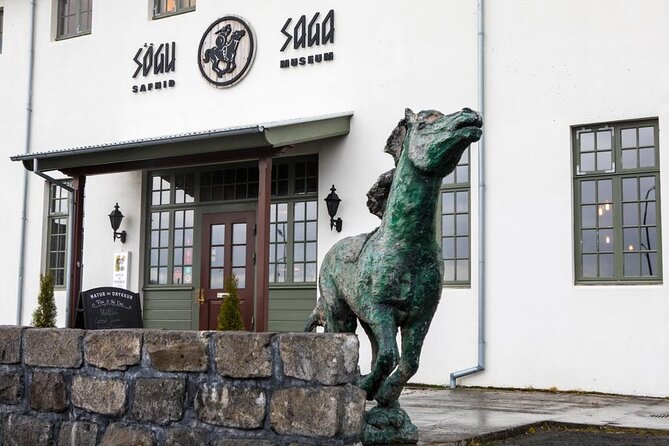
The Saga Museum sits in Reykjavik’s old harbor area, which is handy because it feels like you’re starting your day in the part of town tied to early seafaring life. The doors are open daily from 10:00 to 17:00, so it works well whether you start sightseeing earlier or prefer a mid-morning start.
The ticket is simple: you buy an entrance ticket that’s tied to a mobile ticket, and you’ll enter the museum with the experience included. Parking is also included, which matters in Reykjavik—when the museum is in a central area, having parking baked in can save stress. There’s also public transportation nearby, so you’re not forced to drive.
Inside, the museum is designed for an easy flow. You won’t get stuck figuring out where to go next because you follow the scenes in order and let the audio guide point out what you’re looking at. This is a good setup for anyone who likes history but doesn’t want to read a wall of text before they’re even warmed up.
A few more Reykjavik tours and experiences worth a look


Audio guide in multiple languages: set the pace in your ears
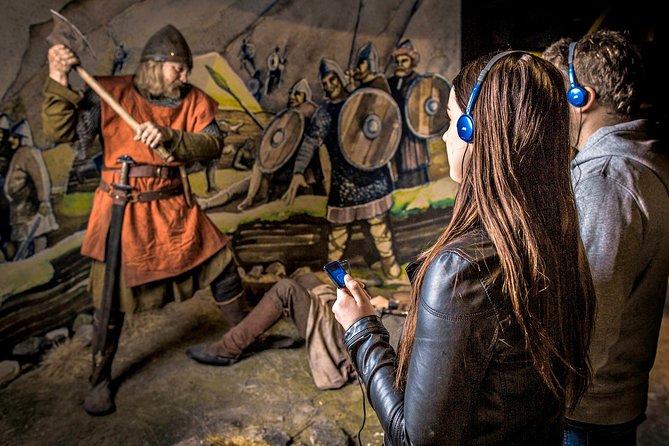
The audio guide is the main way the museum talks to you. You’ll use an audio device to hear explanations tied to the exhibits, and it’s available in English (plus several others). If you’d rather read along or prefer a different format, you can also get an audio guide booklet at the front desk.
Here’s the practical value: with a guided audio setup, you can move at your speed. If you’re with kids, you can shorten the stop-by-stop rhythm and keep things light. If you’re traveling with history fans, you can slow down, replay the audio, and stick with the story behind each scene.
The museum experience runs about 1 to 2 hours for most people, but it’s easy to land around the shorter end if you’re efficiently working through the displays. A good rule: don’t rush the first few exhibits. The earlier sections help you understand how the museum frames Iceland’s saga tradition and why these figures and moments matter.
Also, the audio is part of why this place feels accessible. Even if saga names aren’t familiar yet, you’ll get context without needing prior knowledge.
Entering the saga world: Leif, Snorri Sturluson, and Ingolfur Arnarson
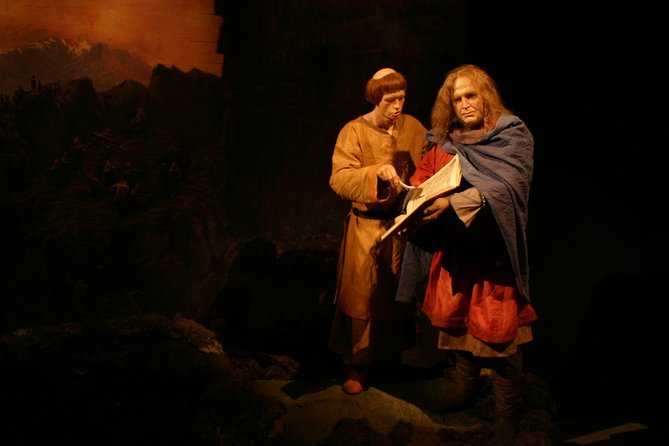
This museum is built around Icelandic sagas and the historical figures connected to them. You’ll see stories and characters tied to names like Leif (often referred to as Leif the Lucky), Snorri Sturlusson, and Ingolfur Arnarson. The museum also brings in legends connected to the saga tradition, so you’re not just hearing isolated facts—you’re seeing how the stories fit together.
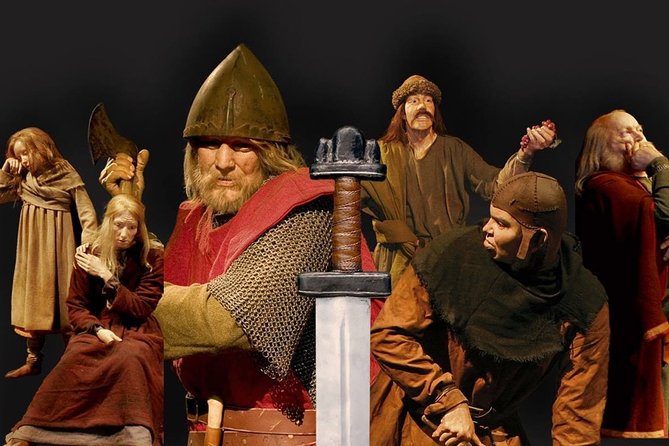
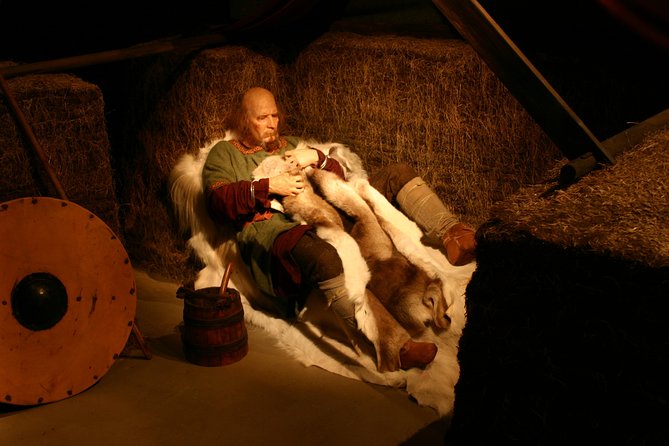
What makes this work is the visual format. The exhibits use life-size scenes and very realistic mannequins. The effect is close to walking through a stage set: you’re surrounded by the atmosphere of the time period, not just reading about it. That’s why the museum tends to land well for kids and adults alike. You can look, listen, and connect without translating every sentence of a written guide.
A highlight for me is that the museum doesn’t treat the sagas as dusty literature. It frames them as story-based history—written and shaped to explain identity, relationships, and how people in Iceland understood their world. You’ll get an overview through multiple exhibits rather than one long lecture.
Just keep expectations aligned: this is an exhibition of scenes and storytelling, not a storage room of original manuscripts.
The Black Death section and Iceland’s fearsome reputation
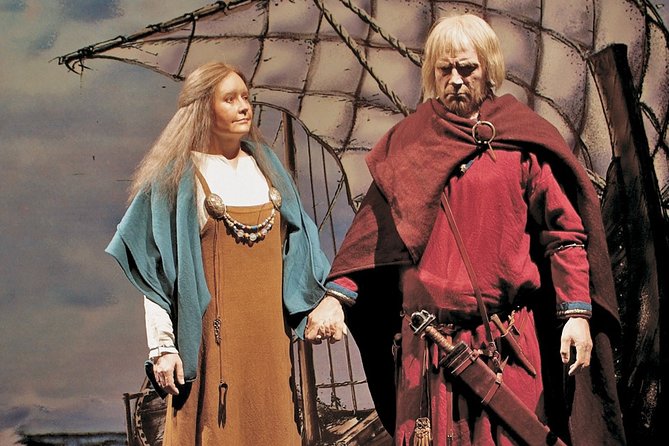
One of the museum’s strongest moments is its inclusion of the Black Death. The museum presents it as one of the major shocks in human history, with the death toll often placed in the range of 75 to 200 million. In a museum focused on Vikings and sagas, that’s a smart choice—it reminds you that even places famous for seafaring and saga heroes were still tied to wider human history.
The museum also addresses how Iceland earned its fearsome reputation. That theme shows up as you move through the exhibits that explain how Iceland’s identity was shaped over time—through stories, encounters, and the kind of reputation that spread beyond the island. The audio guide is the key here, because it ties the theme back to what you’re seeing.
Why this matters for you: it prevents the visit from becoming a one-note Viking movie. Yes, there’s Viking content, but the museum uses it to discuss bigger questions—how societies form their image, how narratives travel, and how major crises can reshape life. If you come expecting only swords and helmets, you’ll likely leave with a broader understanding of what the stories were doing.
Dress like a Viking: the hands-on part families remember
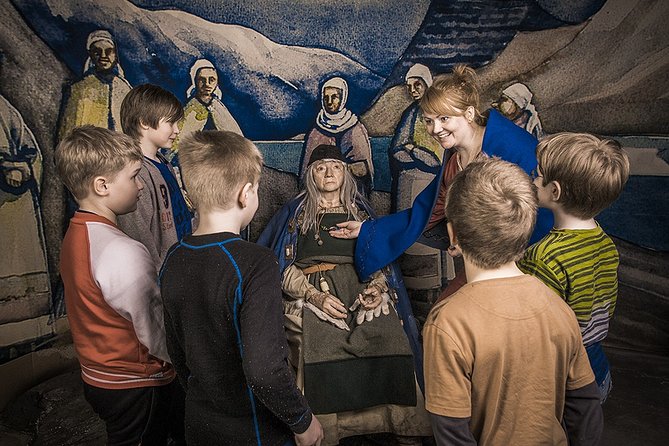
If you’re traveling with kids, plan your visit so you leave time for the interactive area. The museum invites you to dress up as Vikings and to try Viking weapons and armor. This is family-friendly in a way that feels practical: you’re not just watching history; you’re getting a short, safe taste of the visual world.
It also helps adult visitors loosen up. Handling the gear for a few minutes makes the scenes feel more real. The museum’s dioramas can be intense at first—especially for young kids who aren’t expecting life-size figures. If you’re bringing children who startle easily, you can treat the first moments like a warm-up: let them take their time before they step fully into the more dramatic scenes.
Another small plus: there’s a sense of humor in the overall design. You’ll notice little touches that break the seriousness of the saga world, including a brief bonus exhibit that adds a lighter note to the route. That keeps the experience from feeling like a nonstop history lesson.
You can also read our reviews of more museum experiences in Reykjavik


How long it takes and when to visit for a smooth walk-through
Plan for 45 minutes to 1–2 hours, depending on how thoroughly you listen and how much time you spend on the Viking dress-up area. The museum is open every day, 10:00 to 17:00, and it’s set up for a straightforward circuit rather than a multi-part tour with long transfers.
Here’s how to use timing to your advantage. Go earlier in the day when you want your visit to feel calm and unhurried. Later can still be fine, but if you want more time with the audio and the interactive portion, you’ll do better by arriving near opening.
Because this experience runs with a manageable group size (maximum 50 people), it typically feels controlled rather than chaotic. You’ll still want to keep an eye on pacing once you start hitting the busiest photo spots around the life-size scenes.
One more practical tip: wear comfortable shoes. The museum is compact, but you’re walking between scenes in sequence and standing to look at dioramas while listening through the audio.
Price and value: is $32 per person fair for what you get?
At $32 per person, the price is in the mid-range for a museum-style attraction in Reykjavik. What helps justify it is what’s included: the entrance ticket, the audio guide, and free parking.
That parking detail isn’t a small thing. In many Reykjavik experiences, parking can become a hidden extra cost or an extra hassle. Here, it’s included, which makes the total outlay feel more predictable. You’re also not paying extra for the main learning tool—the audio explanations are part of the experience.
The museum covers multiple exhibits—about 20 exhibits are on display, and it’s presented as an easy walkthrough with audio at each stop. With a compact route, you’re not spending half a day paying to stand in line.
The ticket also has good value logic for families. Children under 6 have free admission, which reduces the cost if you’re building a day with a mix of adults and younger kids.
If you’re planning ahead, note that the museum is commonly booked about 37 days in advance on average. That doesn’t mean you must book early, but it’s a sign this is a popular “add-on” stop that many people schedule once they lock in their Reykjavik dates.
Who should buy Saga Museum entrance tickets?
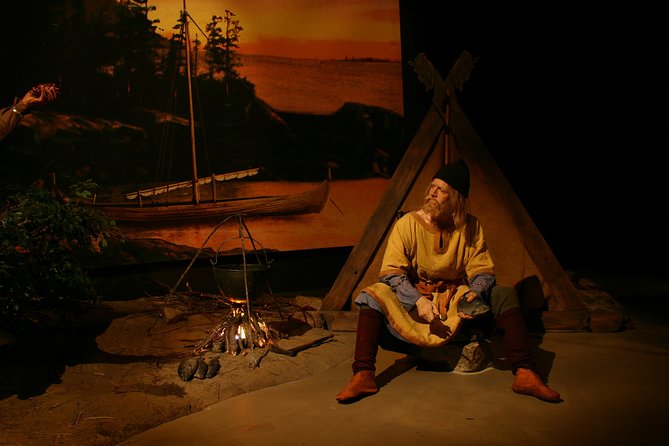
This is a strong fit if you want a quick, visual overview of Iceland’s saga tradition and early history without needing a full-day museum commitment. It’s also a good choice if you enjoy history stories with real characters—figures like Snorri Sturlusson, Ingolfur Arnarson, and Leif—because the museum frames them through scenes you can actually see.
Families should take it seriously. The dress-up component and the chance to try Viking gear make it more than “look and read.” Even adults often end up spending extra time because the mannequins and dioramas feel unusually real.
I’d think twice if your priority is original artifacts, deep academic content, or lots of modern interactive technology. The museum is designed around storytelling and static scenes, and one review-style takeaway you can feel during your visit is that the experience focuses on the dioramas and the audio route rather than on high-tech add-ons.
Should you book Saga Museum entrance tickets?
Book it if you want an efficient Reykjavik stop that mixes saga storytelling, surprisingly realistic scenes, and an audio guide that helps you understand what you’re looking at. With free parking and a visit length that fits most schedules, it’s an easy win.
Skip it only if you already have a tight history agenda and you know you’re only interested in hands-on, artifact-heavy museums. In that case, you might prefer a longer, more research-focused museum day.
FAQ
FAQ
How much are Saga Museum entrance tickets in Reykjavik?
The entrance ticket price is listed as $32.00 per person.
How long does the visit usually take?
The experience is described as 1 to 2 hours (approx.).
What does the ticket include?
The ticket includes entry to the Saga Museum and an audio guide (with language options available).
Is there an audio guide, and what languages are offered?
Yes. You can choose the audio guide in Icelandic, English, French, German, Russian, Spanish, and Swedish.
Can I use a booklet instead of the audio device?
Yes. The audio guide can also be bought in booklet form at the front desk.
Where is the Saga Museum located?
It’s located in Reykjavik’s old harbour area.
What are the opening hours?
The museum is open 10:00 AM to 5:00 PM every day.
Do children get free admission?
Yes. Children under 6 get free admission.
Is parking included?
Yes. Free Parking is included.
Is free cancellation available?
Yes. You can cancel for a full refund up to 24 hours in advance of the experience start time.
Is the museum easy to reach without a car?
It’s described as near public transportation, and parking is also included.