
REVIEW · REYKJAVIK
Reykjavik: Whales of Iceland Museum Entrance Ticket
Book on GetYourGuide →Operated by Whales of Iceland · Bookable on GetYourGuide
Some museums teach, but this one makes whales feel huge. At Whales of Iceland in Reykjavík, you walk through a giant hall of life-size whale models plus interactive displays and included documentary showings in the Fin Whale Theatre. I especially like how the museum mixes scale (those models are impressive) with hands-on learning for kids and adults. One thing to plan for: the museum is fairly compact, so you may finish faster than you expect if you only have a short window.
I also love the quiet, thoughtful vibe—underwater sounds and educational panels keep the mood calm while you take in the details. The audio guide in 17 languages makes it easy to learn without standing around waiting for someone to explain. A realistic consideration: if you are expecting a huge, multi-hour museum campus, this is more like a focused, one-hall experience.
In This Review
- Key things to know before you go
- Stepping into Whales of Iceland’s giant hall
- What you’ll see: 23 whale species, plus more
- Interactive exhibits: learning that sticks
- The Fin Whale Theatre: documentaries included
- Audio guide in 17 languages: headphones matter
- How long it takes: plan for a focused visit
- Location and logistics that make it easier
- Food, drinks, and the on-site Whale Cafe
- Who this museum is best for
- Price and value: what you’re actually paying for
- Tips to get the most out of your visit
- Should you book Whales of Iceland?
- FAQ
- How much does the Whales of Iceland museum ticket cost?
- What is included with the ticket?
- Do I need headphones for the audio guide?
- How long is the experience?
- Are there food and drinks available on-site?
- Is the museum wheelchair accessible?
Key things to know before you go
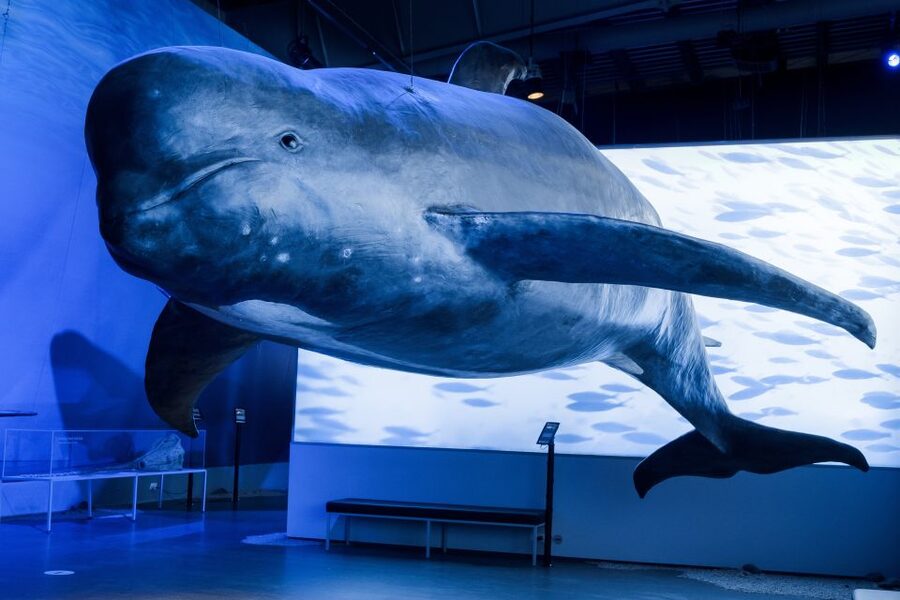
- Life-size models of 23 whale types you can see right here in Icelandic waters
- Fin Whale Theatre documentaries included in your ticket, shown throughout the day
- Interactive exhibits that help you understand anatomy and behavior, not just facts
- Audio guide in 17 languages (bring headphones to use it well)
- Free parking and Wi-Fi, plus a Whale Cafe on-site for food and drinks
Stepping into Whales of Iceland’s giant hall
Whales of Iceland is the kind of place where you stop walking and just look up. The museum focuses on whale scale, and it does that well: you’re surrounded by life-size models representing whale species found in Icelandic waters through recorded history. It’s also described as the largest whale museum in Europe, and the setup feels made for one clear goal—help you grasp how massive these animals really are.
Even before you get deep into the exhibits, you’ll notice the atmosphere. Underwater sounds set the tone, and the overall space feels calm rather than chaotic. That matters in Reykjavík, where weather can shift fast—you can swap outdoor plans for something indoor that still feels like you’re close to the ocean.
A few more Reykjavik tours and experiences worth a look


What you’ll see: 23 whale species, plus more
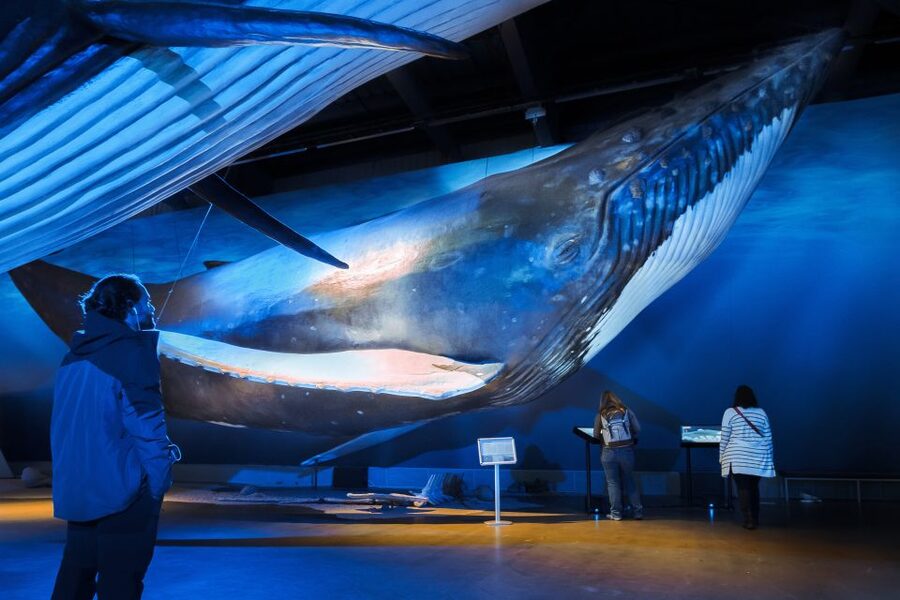
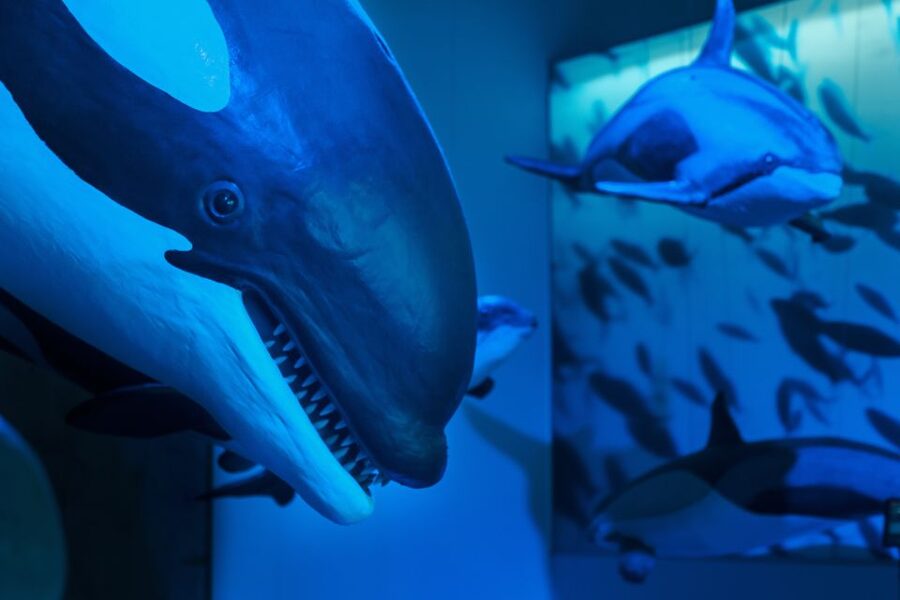
The headline is the models. You get life-size models of 23 types of whales seen in the waters around Iceland, and the museum also states it has more than 25 life-sized whale models representing every species of whale found in Icelandic waters throughout recorded history. The variety is part of the value: you’re not just seeing one or two “famous” species, you’re seeing a range.
You can expect to run into big-name giants like the blue whale and the sperm whale, plus species that help explain why whale conservation matters, including the critically endangered North Atlantic right whale. Those labels aren’t just decoration. They connect the animal’s size and biology to the real conservation concerns that the museum highlights throughout the experience.
A practical takeaway for your visit: don’t rush past the first models. If you arrive with the mindset that you’re collecting facts, you’ll miss the point. This place is about scale and recognition—figuring out what makes each whale different while still marveling at how similar their basic “whale-ness” is.
Interactive exhibits: learning that sticks
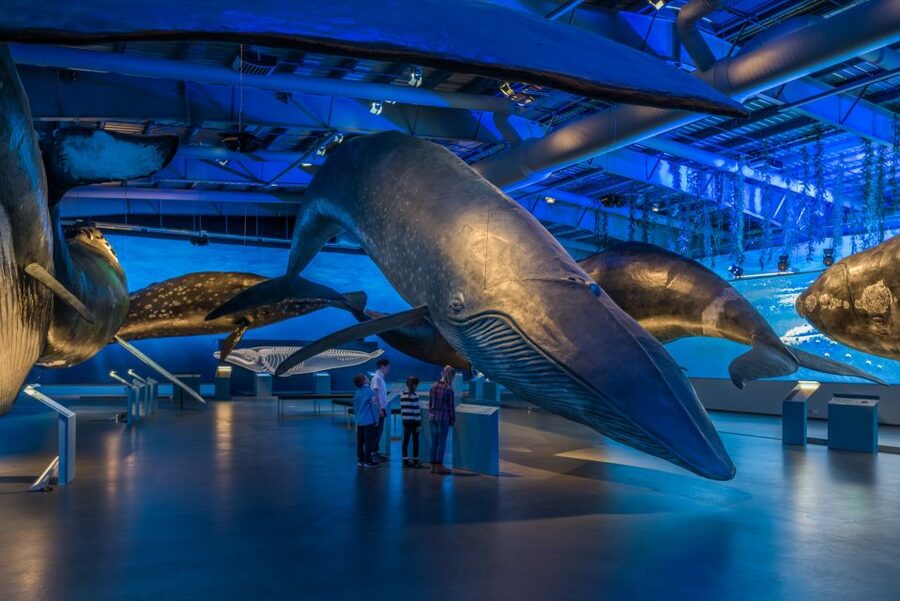
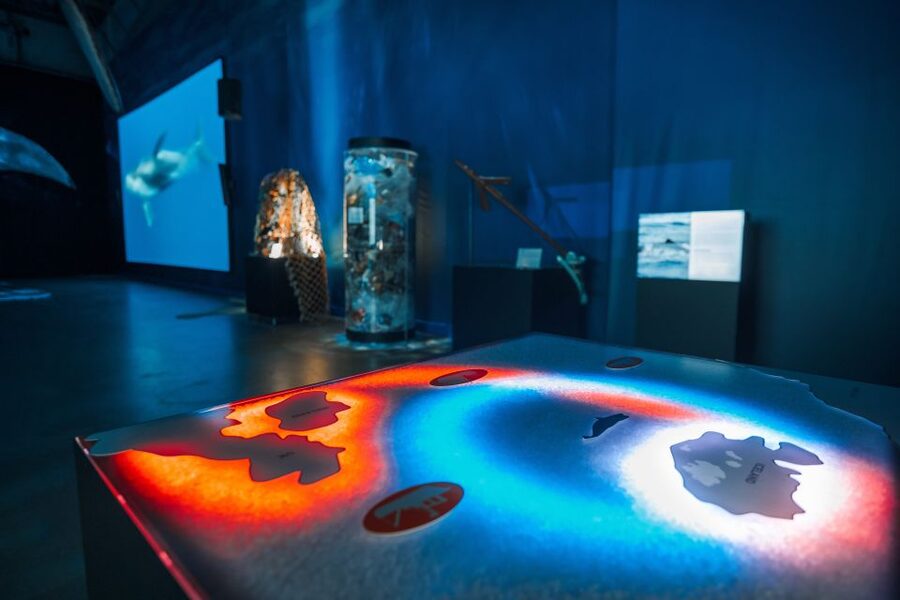
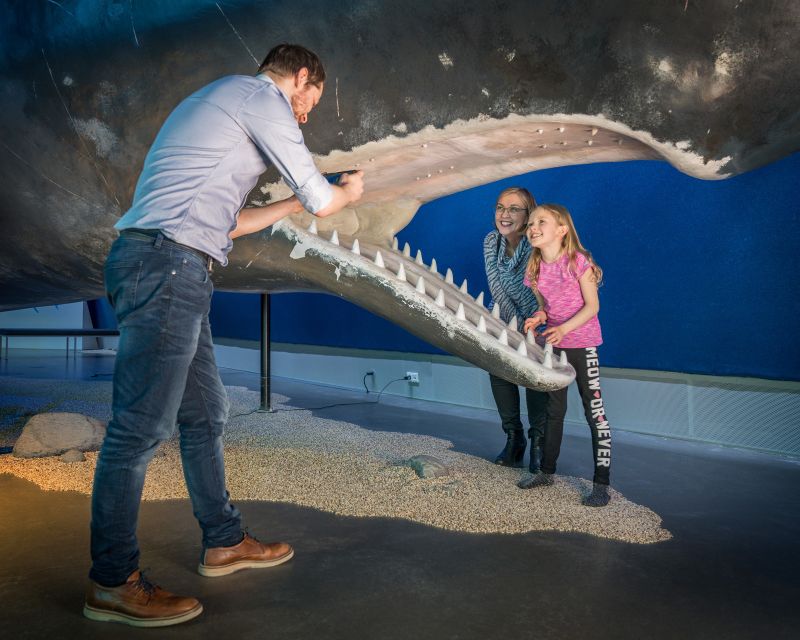
Between the sculptures and the informational panels, you’ll find interactive exhibits designed to teach anatomy and behavior. The museum doesn’t rely only on static displays. It encourages you to engage—press buttons, explore concepts, and use the museum’s format to absorb information more quickly than reading alone.
This is where the experience becomes more than a viewing gallery. The interactive elements help you connect what you’re seeing (body shape, size cues, and features) with how whales live—how they move, feed, and communicate. You’ll also find exhibits aimed at different ages, which is a big reason families often enjoy it so much.
If you like learning through doing—rather than just listening—this museum fits your style. And if you’re traveling with kids, the interactive setup gives them a job. Instead of dragging them from panel to panel, you can point them toward the stations and let them work it out.
The Fin Whale Theatre: documentaries included
Your ticket includes access to documentaries in the Fin Whale Theatre. That’s a real value add, because it turns the museum from a one-room walk into a day-long experience (even if the total visit may still be fairly short).
The theatre is part of the flow. Films are shown throughout the day, so you can time your visit around what’s playing. The museum also notes which documentaries may be on at the time of your visit, including Whale Wisdom narrated by Sir David Attenborough, and Sonic Sea narrated by Rachel McAdams.
Two things I like about having films included:
- They give context you can’t fully get from models and labels—especially around conservation and research.
- They make the mood more emotional. One of the most praised moments is how moving these films can be, particularly when they talk about threats like ocean noise.
If you want maximum payoff, plan to sit down at least once. Even 20–40 minutes can change how you see the models afterward, because you start linking size with behavior and real-world pressures.
Audio guide in 17 languages: headphones matter
The museum offers a free audio guide in 17 languages, and it’s a big help if you don’t want to read every sign. The supported languages include English, Icelandic, French, German, Polish, Chinese, Portuguese, Finnish, Japanese, Spanish, Danish, Dutch, Swedish, Norwegian, Italian, Russian, and Faeroese.
Here’s the practical part: the museum asks you to bring headphones. You’ll enjoy the audio guide much more if you have your own, especially in a setting where other people may be watching or moving around you.
If you’re traveling with a group, this is also a good tool. One person can play audio while another explores interactives, and then you can regroup using what you learned. It keeps your visit flexible.
You can also read our reviews of more museum experiences in Reykjavik




How long it takes: plan for a focused visit
The overall duration is listed as 1 day, but the experience is compact. Many people treat it as a short indoor stop that still feels meaningful—especially if weather ruins a whale-watching plan or you want something educational without committing to a half-day tour.
A good way to structure your time:
- Start with the life-size models so you absorb scale first.
- Then move through interactive stations at a comfortable pace.
- Finally, fit in one documentary showing in the Fin Whale Theatre.
That order helps your brain connect things. When you watch a film after you’ve seen the whales, the science and conservation points land better.
Location and logistics that make it easier
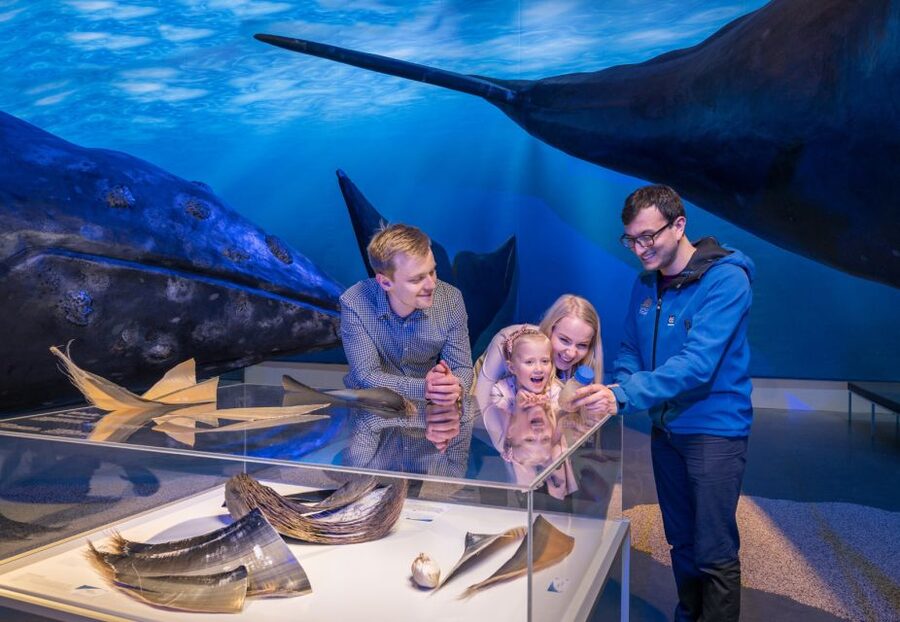
The meeting point is Whales of Iceland, Fiskislóð 23, Reykjavík. One of the pleasant details is that the experience includes free parking, plus Wi-Fi. That makes it easy if you’re driving or if you want to look up short notes while you’re there.
The museum is also wheelchair accessible. So if you’re pushing a stroller or using a mobility aid, you can plan to enjoy the exhibits without assuming you’ll be blocked by narrow spaces. (As always, check with the venue if you have a very specific accessibility need.)
Food, drinks, and the on-site Whale Cafe
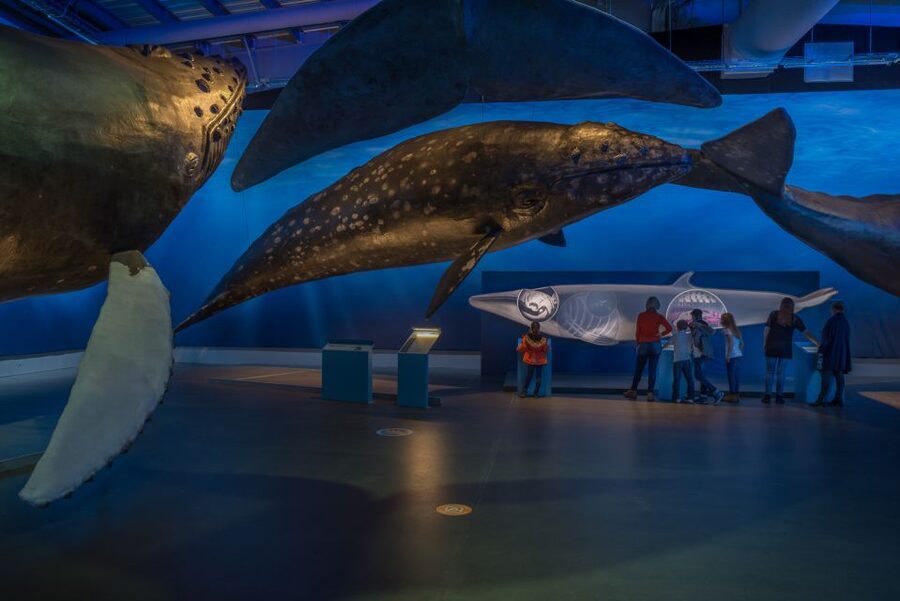
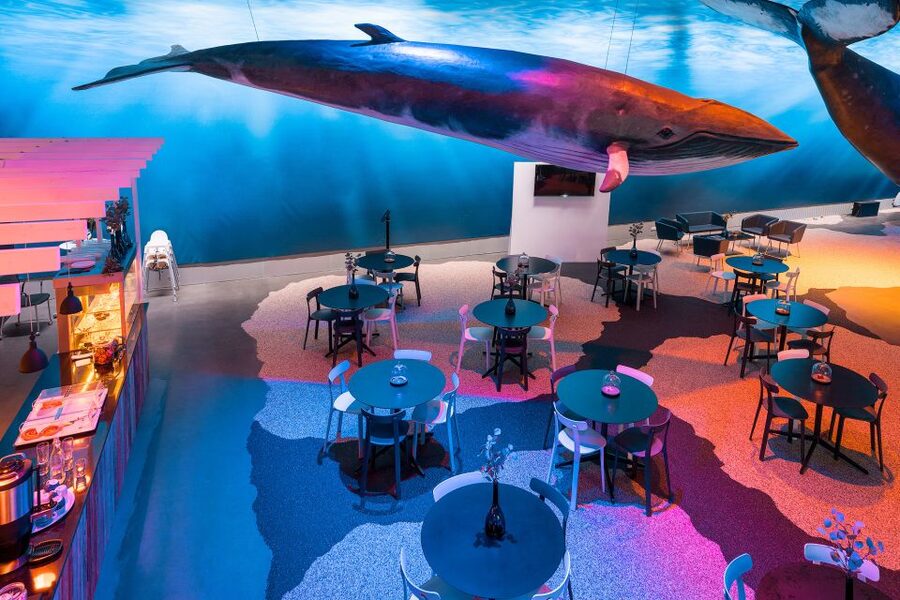
Food and drinks aren’t included in the ticket, but there is a Whale Cafe on-site where you can buy refreshments. If you’re doing this between other Reykjavík activities, it’s smart to treat this as an easy stop rather than a full meal plan.
If you tend to get hungry mid-morning or mid-afternoon, don’t wait until you’re cranky. Pick a moment to grab a drink, then return to the exhibits when your energy is steady.
Who this museum is best for
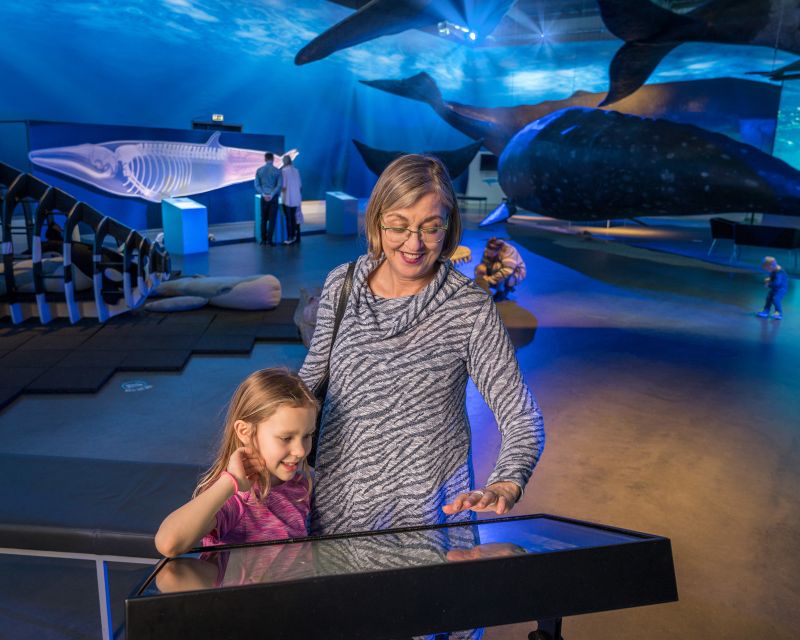
Whales of Iceland works for a surprising range of travelers because it balances spectacle with education.
- If you love marine life, you’ll appreciate the variety and the emphasis on correct species representation.
- If you’re traveling with kids, the interactive exhibits and learning-focused format tend to keep attention.
- If you want a rainy-day plan in Reykjavík that still feels “real,” this is one of the most straightforward options.
It’s also a strong choice for anyone who wants a conservation lens. The films and museum content focus on more than just whale facts—they touch on why these animals are under pressure, including themes like underwater noise.
Price and value: what you’re actually paying for
The ticket price is $34 per person. On paper, that can look like a lot for a museum. In practice, you get several things that drive the value up:
- Entry to a museum centered on life-size models and structured education
- Documentaries included in the Fin Whale Theatre
- A free audio guide available in 17 languages
- Wi-Fi and free parking, plus access to on-site facilities
- Interactive exhibits that aren’t just passive reading
So you’re not paying only for the sculptures. You’re paying for a whole learning loop—walk, interact, listen, and watch. That makes the price feel more reasonable, especially if you plan to use the audio guide and see at least one film.
If you only plan to sprint through the hall and skip the theatre, the value drops. If you slow down—read a few panels, use the audio guide, and sit for a documentary—you’ll feel like you got your money’s worth.
Tips to get the most out of your visit
- Bring headphones so the audio guide is actually usable.
- Use your first walk to build a “mental map” of the whales you’ll remember. Then go back and focus on what you want to learn more about.
- Don’t skip the theatre. The films add emotional weight and practical conservation context that models can’t fully provide.
- Give yourself enough time to pause. The museum’s best moments often happen when you stop looking for a second and let the scale register.
Should you book Whales of Iceland?
I think you should book this if you want a short, indoor Reykjavík activity that still feels ocean-sized. It’s especially worth it if you care about whale conservation, want life-size visuals, and plan to use the audio guide and watch at least one documentary in the Fin Whale Theatre.
Skip it—or reconsider—if you’re expecting a huge multi-building museum day. This is a focused experience, and your visit may be shorter than big museum fans want. But for most nature lovers, families, and people who want a calm, educational stop, it’s a smart use of time.
If you’re in Reykjavík and the weather or your schedule isn’t cooperating, Whales of Iceland is exactly the kind of plan that turns a problem into a great day indoors.
FAQ
How much does the Whales of Iceland museum ticket cost?
The price is listed as $34 per person.
What is included with the ticket?
Your ticket includes entry to the Whales of Iceland museum, access to the Fin Whale Theatre documentaries, a free audio guide, Wi-Fi, and free parking.
Do I need headphones for the audio guide?
Yes. The activity notes that you should bring headphones.
How long is the experience?
It’s listed as a 1-day experience, but you can expect it to feel like a focused museum visit rather than an all-day campus.
Are there food and drinks available on-site?
Food and drinks are available for purchase at the Whale Cafe, but they are not included in the ticket.
Is the museum wheelchair accessible?
Yes, the experience is listed as wheelchair accessible.